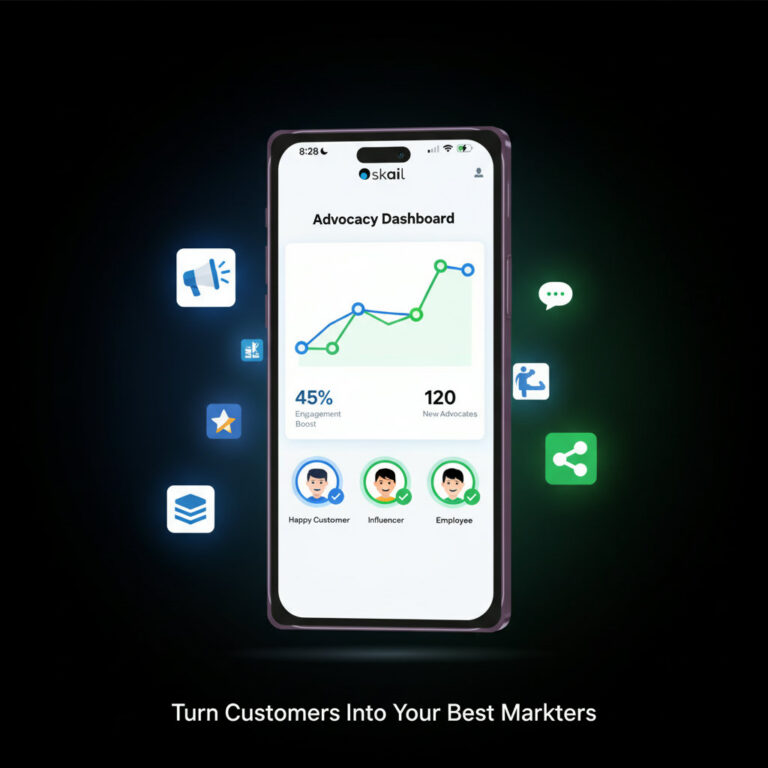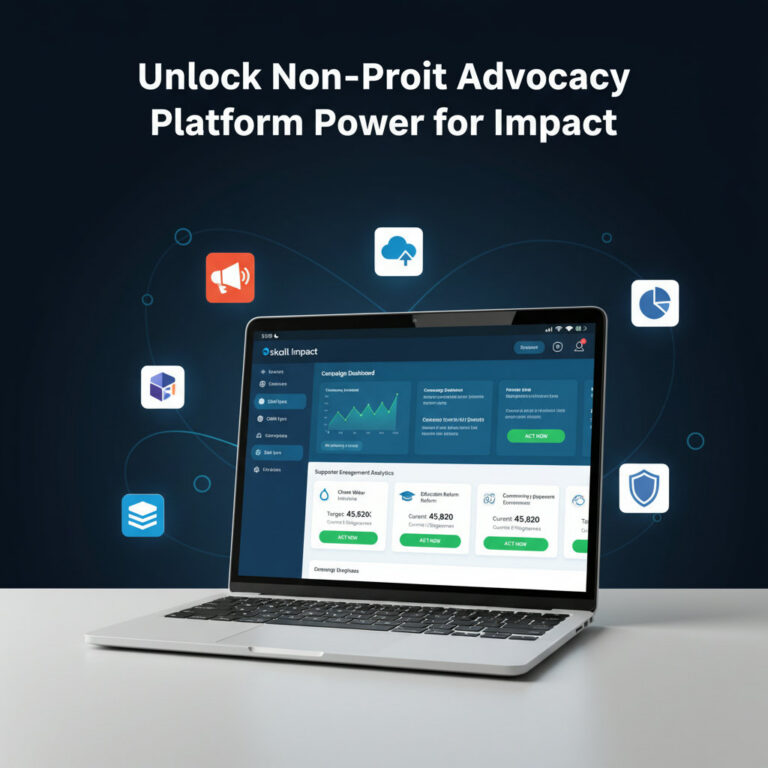

When I tell people what I’m building at Skail.ai, almost every single person responds with:
“Oh, so it’s kind of like [insert company here]?”
And technically, yes—it is kind of like those companies. But also, no. Because while the outcomes may overlap, the mission couldn’t be more different.
Most of the industry players in this space aim at large enterprises. Their value prop? Helping these companies get more social engagement, pump up brand awareness, improve recruitment, and maybe sprinkle in some thought leadership. All good things.
But the way they do it? That’s where I take a hard left turn.
Why I’ve Always Hated “Forced Engagement”
I’ve been at companies where marketing drops a LinkedIn post, then sends a mass Slack/email:
“Hey everyone, please go like, comment, and repost this!”
And I’ll be honest: I’ve always hated it.
Why? Because I care deeply about my own personal brand. I don’t want my feed to look like a carbon copy of my company’s page. It feels robotic, disingenuous, and—let’s be real—boring.
Reposting company content just to goose engagement metrics defeats the purpose of building a personal brand. Your connections didn’t follow you just to get another feed full of polished corporate messaging. They want your perspective, your humor, your scars, your “here’s-what-I-learned-when-I-screwed-up” honesty.
And yet, that’s what most employee advocacy platforms optimize for: scaling up the same bland engagement loops for pre-approved content.
Why the Big Players Work This Way
To be fair, this isn’t incompetence—it’s intentional.
Large organizations need governance. They’ve got legal, brand, and comms teams breathing down their necks. Every word an employee puts out is another potential headline, screenshot, or PR risk. So they centralize and control the voice.
For them, advocacy platforms become distribution tools. Employees are megaphones, not creators. The goal is amplification, not originality.
And again, that works—for them.
But for small and mid-sized companies? Totally different ballgame.
The Untapped Power of Small Companies
Smaller companies usually don’t have brand police lurking in every corner. What they do have are ambitious growth goals, customer-centric cultures, and a desperate need to be seen.
And here’s the kicker: in these environments, your employees’ LinkedIn accounts often have just as much reach and engagement power as the company page. Sometimes more.
Think about it:
- Prospects trust people more than logos (Edelman Trust Barometer).
- Employees interact directly with customers and partners every day.
- Subject matter experts in your org are already seen as the actual thought leaders.
So why force them into being copy-paste brand billboards when their unique voices are your company’s best marketing asset?
What Skail Is Really About
At Skail, we’re not trying to turn your employees into corporate parrots. We’re trying to turn them into amplifiers of their authentic selves.
Our mission isn’t “make your brand content go further.” It’s make your employees the stars.
We want:
- Your product managers to share real insights about what they’re building.
- Your sales team to post about customer pain points they’re hearing every day.
- Your founder to share the late-night, messy behind-the-scenes lessons that no polished press release will ever capture.
Because here’s the truth: people come to your company because of the relationships they have with your people—not just because of your branding or even your product.
When your employees grow their personal thought leadership, the company grows with them. It’s not about forcing reposts; it’s about fueling authentic storytelling at scale.
The Thought Leadership Problem No One Wants to Admit
Let’s talk about thought leadership for a second.
Brands can’t really own thought leadership. People do.
When a brand tries to “be a thought leader,” it comes across as self-serving. Buyers assume there’s always a sales pitch lurking around the corner. That’s why most branded thought leadership content feels…meh.
But when an individual shares their perspective—especially if they’ve been in the trenches—it feels genuine. You lean in. You remember it. You trust it.
And that’s the gap Skail is closing. Instead of stripping employees of their voices, we’re giving them a way to scale their own perspectives while still tying back to the company’s growth.
A Different Kind of Flywheel
So what happens when you flip the script?
- Employees build their own credibility.
They become known in their circles as go-to experts, not just “someone who works at X company.” - The company benefits by association.
When your employees are trusted voices, your brand is trusted by extension. - The content doesn’t feel like marketing.
Because it isn’t. It’s people talking about what they know and care about.
That creates a growth loop that’s far stronger than “everyone like this post.”

Where This Matters Most
This model is especially powerful in industries where:
- Trust matters (finance, healthcare, SaaS).
- Relationships drive revenue (consulting, professional services).
- Expertise is your differentiator (tech, engineering, creative industries).
In other words: basically everywhere.
Whether you’re selling dental equipment or enterprise software, people buy from people.
Final Word
At Skail, we’re not just building another engagement tool. We’re building a platform that helps small and mid-sized companies unlock the power of their employees’ voices.
Not by cloning company posts. Not by forcing likes.
But by enabling employees to become the thought leaders, subject matter experts, and authentic storytellers they already are.
When that happens, everyone wins—the employee, the company, and most importantly, the customer.
Because marketing shouldn’t just be about making your posts more visible. It should be about making your people more visible. And in doing so, driving company growth in the most authentic way possible.
What do you think?
If you’ve ever been stuck in the “please go like this post” loop, I’d love to hear your thoughts. And if you want to see how we’re tackling this problem head-on, you can check out Skail.ai.