
Understanding the Content Landscape
Ah, the digital frontier! It’s a vast, bustling place, isn’t it? For non-profits, navigating this space with effective non-profit marketing tools isn’t just a suggestion; it’s a necessity. But before we dive into crafting compelling stories and dazzling visuals, we need to understand the terrain. Think of yourself as a master cartographer, meticulously mapping out the world your content will inhabit. This isn’t just about throwing ideas at a wall; it’s about strategic insights.
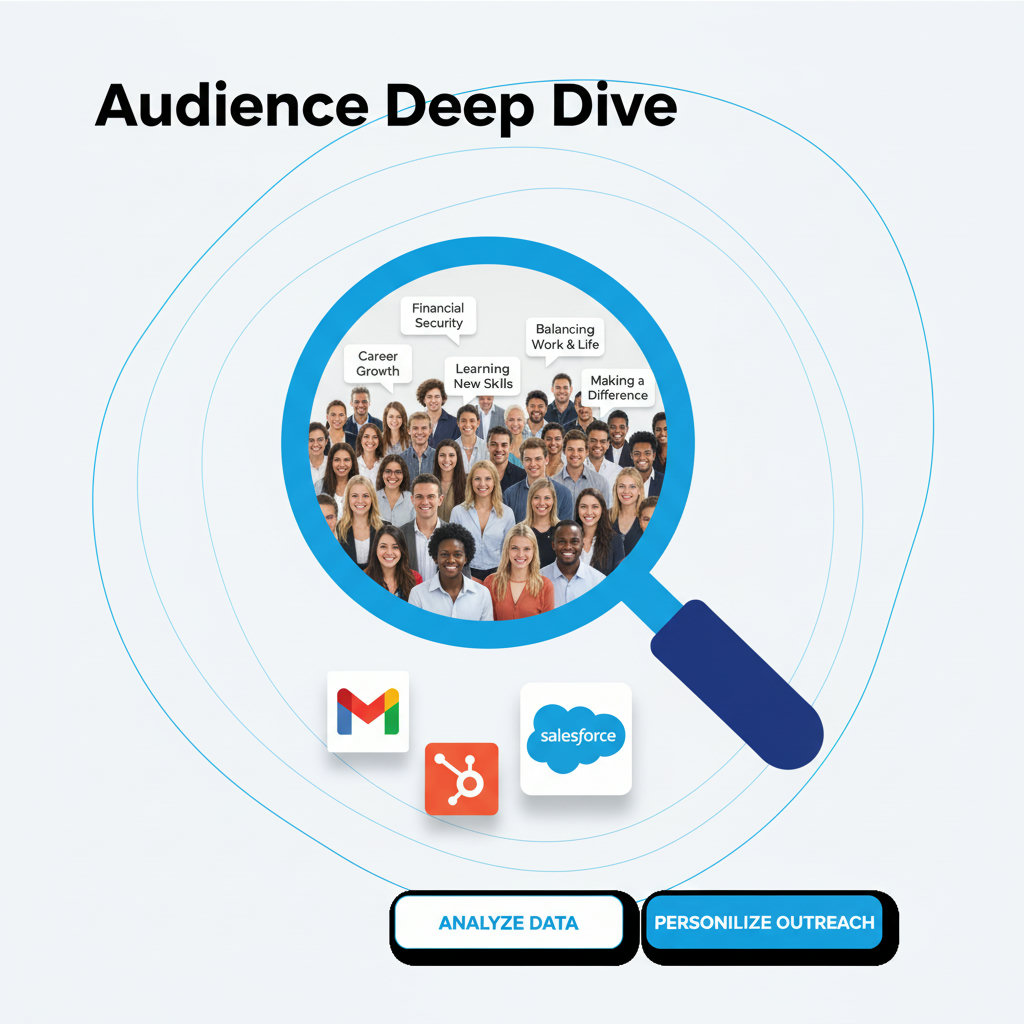
Audience Deep Dive
Who are you actually talking to? Sounds simple, right? Not quite. A true audience deep dive goes far beyond basic demographics. Sure, age and location matter, but that’s just scratching the surface. What about their psychographics? What are their values, their hopes, their fears, their aspirations? What keeps them up at night? More importantly, what are their pain points that your non-profit can genuinely address? Understanding these nuances allows your content to resonate on a deeply personal level, transforming passive observers into passionate advocates. It’s about knowing your audience so intimately that your messages feel like a personal conversation, not a broadcast.
Competitive Intel
In the ever-crowded non-profit arena, you’re not operating in a vacuum. Who else is vying for the attention and generosity of your potential supporters? This isn’t about copying; it’s about learning. Identify the top performers in your niche – what are they doing right? What kind of content are they creating that really connects? But don’t stop there. Crucially, look for content gaps. Where are your competitors falling short? What stories aren’t being told? What questions aren’t being answered? These gaps are your golden opportunities to carve out a unique space and offer something truly distinct.
Trend Spotting
The digital world moves at warp speed. What was cutting-edge yesterday might be passé tomorrow. Staying ahead means becoming a trend spotter. Keep your finger on the pulse of industry shifts. Are there new regulations impacting your sector? Emerging social issues that align with your mission? And just as vital, pay attention to platform evolution. Is TikTok becoming the new powerhouse for Gen Z engagement? Is LinkedIn changing its algorithm to prioritize certain content types? The non-profit marketing tools you use today might need adjusting tomorrow. Adapting to these shifts ensures your content remains relevant and reaches your audience where they are, not where they used to be.
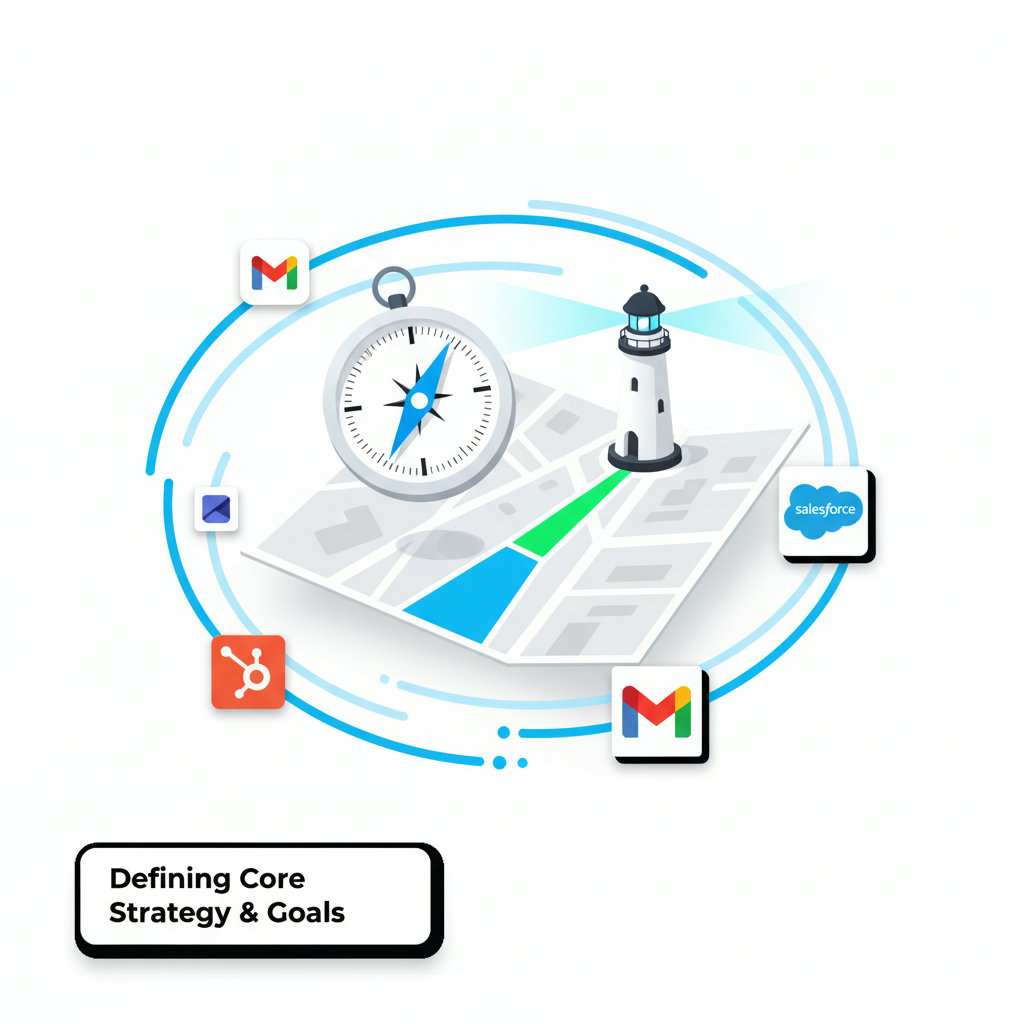
Defining Core Strategy & Goals
Once our map is drawn, it’s time to plot our journey. Without a clear strategy and well-defined goals, even the most brilliant content can feel lost at sea. This is where we lay the foundation, ensuring every piece of content serves a higher purpose.
Mission & Vision
Every non-profit has a profound mission, and your content should be its most vocal champion. What is the core purpose of your content? Is it to educate, inspire action, foster community, or solicit donations? Often, it’s a powerful blend. And what about your brand voice? Is it authoritative, empathetic, urgent, or hopeful? Consistency here is key. Your content isn’t just words and images; it’s an embodiment of your organization’s values, shining through every post, every video, every email. It’s the unique melody of your message.
Measurable Objectives
“We want more engagement!” is a noble sentiment, but it’s not a goal. Measurable objectives are the compass guiding our efforts. What exactly do you want to achieve? Define Key Performance Indicators (KPIs) that directly tie back to your mission. Is it a 15% increase in newsletter sign-ups? A 10% rise in volunteer applications? Specific metrics for social media shares or website dwell time? Setting clear, quantifiable success metrics allows you to track progress, understand impact, and celebrate victories – big and small. This laser focus ensures your non-profit marketing tools are wielded with precision.
Thematic Pillars
Think of your thematic pillars as the sturdy columns holding up the temple of your content. These are your key topic clusters, the big ideas and issues that consistently define your work. For an environmental non-profit, this might be “climate change education,” “sustainable living,” and “conservation efforts.” These pillars ensure coherence and depth in your content strategy, preventing a scattergun approach. Within these pillars, what is your Unique Selling Proposition (USP)? What makes your approach distinct? What problem do you solve in a way no one else can? Identifying and highlighting this USP through your content is how you stand out from the crowd and truly captivate hearts and minds.
Content Creation Framework
Okay, we know who we’re talking to and why. Now, how do we actually make the magic happen? This is where the rubber meets the road, where ideas transform into impactful content using sophisticated non-profit marketing tools.
Format Selection
Not all stories are best told the same way. The art of content creation lies in choosing the right medium for your message. Blogs and articles are fantastic for in-depth information and thought leadership, allowing you to explore complex topics. Visual content, like infographics, short videos, and compelling images, can stop scrollers in their tracks and convey powerful emotions instantly. And let’s not forget interactive experiences – quizzes, polls, live Q&As – which invite direct engagement and build a sense of community. The best strategy often involves a mix, leveraging the strengths of each format to create a rich and varied content diet for your audience.
Editorial Process
Even the most creative endeavors benefit from structure. A solid editorial process ensures consistency, quality, and efficiency. It starts with ideation – a brainstorming session to generate a pipeline of compelling content ideas aligned with your thematic pillars. Then comes the production workflow: who writes what, who designs what, who approves what? Clear roles and timelines keep things moving smoothly. Finally, quality control is paramount. Typos, inaccurate information, or off-brand messaging can quickly erode trust. Think of it as your content’s last line of defense before it goes out into the world.
SEO & Discoverability
You’ve crafted a masterpiece, but if no one can find it, what’s the point? This is where Search Engine Optimization (SEO) comes into play. It’s about making your content discoverable by those who are actively searching for information related to your mission. A robust keyword strategy is your first step: what terms and phrases are your target audience using? Incorporate these naturally into your headings, body text, and meta-descriptions. But SEO isn’t just about keywords; it’s also about technical optimization. This includes ensuring your website is mobile-friendly, loads quickly, and has a clear structure. The better optimized your content is, the higher it will rank in search results, bringing more organic traffic and potential supporters to your cause.
Distribution & Amplification
Creating incredible content is only half the battle. The other half, equally crucial for non-profit marketing tools, is getting it into the hands and screens of your audience. This is about being strategic with your outreach.
Channel Identification
Where does your audience hang out online? Identifying the right channels is key. Your owned platforms are your website and email lists – these are your most valuable assets, giving you direct access to your community. Then there’s earned media: think of features in news outlets, shout-outs from influencers, or shares from loyal supporters. This kind of organic reach is gold. Finally, paid promotion, while requiring a budget, can significantly amplify your message, reaching new audiences through targeted ads on social media or search engines. A balanced approach across these channels ensures maximum impact.
Engagement Tactics
Content should spark conversation, not just consumption. How can you encourage your audience to engage directly? Community building is vital: create spaces (even virtual ones) where people can connect with each other and with your cause. Encourage user-generated content – ask for their stories, their photos, their ideas! This not only provides you with authentic content but also makes your supporters feel like integral parts of your movement. Think about Q&As, comment sections, or even online events where interaction is central.
Repurposing & Atomization
Not every piece of content needs to be a standalone, one-and-done effort. Smart content creators practice repurposing and atomization. Take a long-form blog post, for example. Can you extract key statistics for an infographic? Turn a compelling quote into a social media graphic? Create a short video inspired by one of its sections? This “content recycling” strategy means you get more mileage out of every effort, extending its reach and catering to different consumption preferences. By creating variant content that suits various platforms and attention spans, you maximize the efficiency of your non-profit marketing tools.
Performance Measurement & Iteration
The work isn’t done once your content is out there. In fact, that’s when the real learning begins. This stage is about understanding what works, what doesn’t, and how to get even better. It’s the cycle of continuous improvement that truly elevates non-profit marketing tools. For example, understanding what content resonates most effectively with your audience can inform an AI employee advocacy strategy, turning your internal team into powerful, data-backed evangelists for your mission.
Data & Analytics
This is where those measurable objectives from earlier come into play. You need robust tracking tools to monitor the performance of your content. Google Analytics can tell you about website traffic, bounce rates, and conversion goals. Social media insights show engagement rates, reach, and follower growth. Email marketing platforms provide open rates, click-through rates, and unsubscribes. Establishing a regular reporting cadence – weekly, monthly, quarterly – ensures you’re reviewing this data consistently. Without this numerical feedback, you’re flying blind.
Insights & Learnings
Data alone isn’t enough; you need to transform it into actionable insights. Conduct regular performance reviews. What content pieces performed exceptionally well? Why? Was it the topic, the format, the distribution channel? Conversely, what content fell flat? Try to understand the ‘why’ behind the numbers. Don’t forget the invaluable resource of audience feedback. This can come through direct comments, surveys, or even informal conversations. What are people saying about your content? This qualitative data often provides nuance that numbers alone cannot capture. Understanding your audience’s response is an authoritative source on how to refine your approach. For example, research into what drives donor engagement can offer profound insights into content effectiveness. The Chronicle of Philanthropy is an excellent resource for such insights.
Strategic Adjustments
Based on your insights, it’s time to make strategic adjustments. This is the iteration phase. Can you optimize existing content for better performance? Perhaps a blog post can be updated with new data, or a video thumbnail changed to be more engaging. More importantly, these learnings should inform your future planning. Should you double down on video content? Invest more in a particular social media channel? Adjust your thematic pillars based on what your audience responds to most passionately? This continuous loop of creation, distribution, measurement, and adjustment is the hallmark of a truly effective content strategy for any organization utilizing non-profit marketing tools. Another valuable source for understanding digital marketing trends and strategies, particularly useful for non-profits, is the American Marketing Association. By embracing this iterative process, you ensure your content isn’t just impactful today, but continually evolves to meet the needs of your mission and your audience tomorrow.
FAQ Section
What are the most essential non-profit marketing tools?
The most essential non-profit marketing tools typically include a robust email marketing platform (e.g., Mailchimp, Constant Contact), a comprehensive CRM for donor management, social media management tools (e.g., Hootsuite, Sprout Social), a user-friendly website builder (e.g., WordPress, Squarespace), and data analytics tools (e.g., Google Analytics) to track performance. These tools help streamline communication, manage relationships, amplify messages, and measure impact effectively.

How can non-profits effectively measure the ROI of their content marketing?
Non-profits can measure the ROI of content marketing by aligning content objectives with specific KPIs. This might include tracking website traffic increases, lead generation (e.g., newsletter sign-ups, volunteer applications), donor conversions directly linked to content, social media engagement rates, and media impressions. Tools like Google Analytics and CRM systems can help attribute these metrics to specific content efforts. Ultimately, ROI is about understanding how content contributes to achieving the organization’s mission and financial goals.
What content formats are most engaging for non-profit audiences?
Engaging content formats for non-profit audiences often include compelling storytelling through short video testimonials or mini-documentaries, impactful infographics that convey complex data simply, interactive online quizzes or polls related to their cause, and personal narrative-driven blog posts. Live Q&A sessions or webinars also foster direct engagement. The key is authenticity, emotional resonance, and a clear call to action.
Is social media really necessary for non-profit marketing?
Yes, social media is incredibly necessary for non-profit marketing. It provides a platform for direct engagement with current and potential supporters, allows for real-time storytelling, helps build community around your cause, and significantly amplifies outreach. It’s crucial for fundraising, volunteer recruitment, educating the public, and raising awareness about important issues. Strategic use of various social channels tailored to your audience allows your message to reach a broad and diverse audience.

How can a small non-profit with limited resources implement an effective content strategy?
Small non-profits with limited resources can implement an effective content strategy by focusing on quality over quantity, leveraging free or low-cost non-profit marketing tools, and prioritizing channels where their audience is most active. Repurposing content (e.g., turning one long blog post into several social media snippets, an infographic, and an email newsletter) is crucial. Empowering volunteers to contribute content, collecting user-generated content, and collaborating with local businesses or influencers can also extend reach without significant financial outlay. Consistency and authenticity are more important than a massive output.