The Digital Overload: Why Less is More
Ah, the modern age! A time of unparalleled connection, instant information, and a perpetually buzzing pocket companion. It’s exhilarating, isn’t it? But sometimes, it feels less like a superpower and more like… well, a constant assault on our senses. This pervasive digital deluge can surprisingly impact how others perceive your professionalism and, critically, how you enhance brand credibility.
The Modern Predicament
We live in a world of constant connectivity. Our phones, tablets, and smartwatches are extensions of ourselves, pinging us with updates, news, and notifications at every turn. This constant influx of data leads to an information deluge – a never-ending stream of articles, social posts, emails, and alerts. It’s like trying to drink from a firehose! The result? Decision fatigue. Every little notification, every unread email, every new social media post demands a tiny sliver of our attention, forcing a decision: engage or ignore? This hidden drain on our mental resources can leave us feeling overwhelmed and scattered, making it harder to focus on what truly matters, both personally and professionally.
Benefits of Disconnecting
But what if we could turn down the volume? Imagine a world where your digital tools serve you, rather than the other way around. The benefits of strategic disconnecting are profound. First, you’ll experience improved focus. When your mind isn’t constantly context-switching between tabs and notifications, you can dive deeper into tasks, leading to higher quality work and greater productivity. Second, reduced stress becomes a tangible reality. That gnawing feeling of having too much to do, too much to read, too much to respond to? It dissipates, replaced by a sense of calm and control. And finally, you’ll find enhanced creativity blossoming. Our brains need space to wander, to connect disparate ideas, and to innovate. When we’re not constantly consuming, we create room for new thoughts to emerge. Ultimately, this intentional approach to our digital lives can significantly enhance brand credibility by demonstrating clarity and purpose.
Defining Your Digital Core
So, how do we begin? It starts with defining your digital core. This means identifying essentials – what truly serves your purpose, both personal and professional? Is it a crucial communication tool? A platform for learning? An application for creation? Everything else is noise. Prioritizing purpose helps you make deliberate choices about what occupies your digital space. Think of it like curating a highly effective team where every member contributes meaningfully. This focused approach is key to feeling in control and presenting a consistent, credible brand.
Decluttering Your Devices: A Digital Tidy-Up
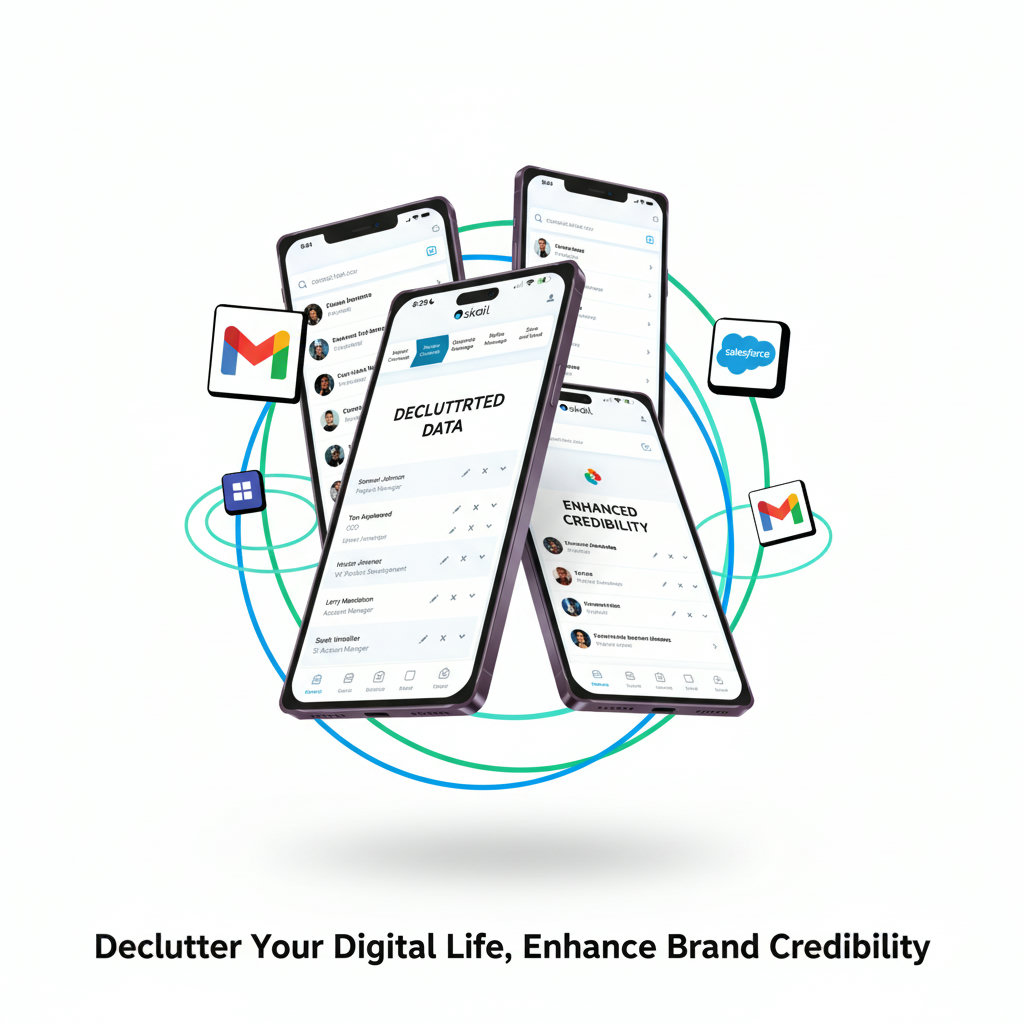
Now that we’ve embraced the philosophy, let’s roll up our digital sleeves and get to the practicalities! A thorough tidy-up of your devices isn’t just about aesthetics; it’s about creating an efficient, distraction-free environment that allows you to operate at your peak and consistently enhance brand credibility through clarity and responsiveness.
Smartphone Simplification
Your smartphone, the ubiquitous companion, is often the biggest culprit of digital overwhelm. First up: app audits. Be ruthless! Do you use that app regularly? Does it serve a significant purpose? If not, delete it. For the ones you keep, delve into notification management. Turn off all non-essential notifications. Do you really need to know every time someone likes your post, or can you check that on your own terms? Finally, homescreen hygiene. Resist the urge to fill every available space. Group similar apps into folders, keep essential apps within easy reach, and consider a minimalist wallpaper. A clean homescreen is a calm mind.
Computer Cleanse
Your computer, the workstation, deserves equal attention. Begin with file organization. Create a logical folder structure that makes sense to you. Be consistent. Don’t be afraid to delete old, unused files – digital clutter takes up mental space even if it’s invisible. Next, tackle desktop minimalism. A desktop littered with icons is a breeding ground for distraction. Store files in their designated folders and keep only truly active projects visible. Lastly, conduct a software review. Uninstall programs you no longer use. They consume resources and can even pose security risks. A lean machine runs better, just like a streamlined workflow helps to enhance brand credibility.
Email Enlightenment
Ah, the inbox – often a source of dread. But it doesn’t have to be! Embrace inbox zero strategies. This isn’t about emptying your inbox every day (though that’s a noble goal), but about processing each email effectively. Delete, delegate, respond, or file. Next, tackle subscription pruning. Unsubscribe from newsletters and promotional emails you never open. Websites like Unroll.me can help you see all your subscriptions at once. Finally, develop a folder structure. Categorize emails for easy retrieval and archiving. An organized inbox means less stress and faster responses, which always helps to enhance brand credibility.
Mindful Consumption: Curating Your Digital Input
Decluttering is only half the battle. The other half is about being intentional with what we allow into our digital ecosystem. This is where mindful consumption comes in, allowing us to cultivate high-quality input that genuinely helps to enhance brand credibility.
Social Media Sanity
Social media, a double-edged sword! It offers connection but can easily become a time-suck and a source of comparison. Practice intentional scrolling. Before you open an app, ask yourself: what am I hoping to get from this? Am I looking for inspiration, connection, or just mindlessly filling time? Next, embrace unfollowing for peace. If an account consistently makes you feel stressed, inadequate, or just isn’t adding value, unfollow or mute it. You’re curating your mental environment. Lastly, utilize engagement filters. Many platforms allow you to hide certain types of content or see posts only from specific lists. Take control of your feed, don’t let it control you.
Information Filtering
In an age of endless information, the ability to discern quality is paramount. Focus on reliable sources. When you encounter a new piece of information, consider its origin. Is it a reputable publication or a questionable blog? Master the art of content quality checks. Look for evidence, cited sources, and balanced perspectives. Finally, practice time-boxing browsing. Allocate specific, limited slots in your day for news consumption or research, rather than letting it bleed into every moment. This disciplined approach ensures you’re informed without being overwhelmed, a core pillar in how you enhance brand credibility through informed decisions.
Entertainment Equilibrium
Digital entertainment is wonderful, but it too needs balance. Set streaming limits. Decide how many episodes or hours you’ll watch in a session, and stick to it. Similarly, practice gaming moderation. It’s easy to lose hours in virtual worlds; be mindful of the trade-off. Perhaps most importantly, distinguish between discovery vs. habit. Are you genuinely seeking out new, enriching entertainment, or are you just defaulting to the same old shows out of habit? Challenge yourself to find new hobbies or activities that don’t involve a screen.
Cultivating Digital Habits: Sustaining the Minimalist Mindset
The digital tidy-up is a great start, but true change comes from consistent habits. This isn’t a one-time purge; it’s an ongoing commitment to mindful digital living that will consistently help you enhance brand credibility.
Scheduled Disconnects
To truly embrace digital minimalism, scheduled disconnects are essential. This could involve regular digital detoxes – an hour, a day, or even a weekend away from all devices. Establish tech-free zones in your home, like the dining table or bedroom, to foster real-life connection and rest. And practice mindful transitions. Instead of jumping straight from work to your phone, take a few moments to decompress, stretch, or simply be present. These pockets of silence are invaluable.
Automating Simplicity
Not everything has to be manual work! Leverage technology to cultivate routine digital hygiene. Set up automatic file cleanups or schedule software updates. Implement backup rituals – regularly backing up your important data ensures peace of mind and prevents digital disasters. Invest in robust password management tools. Not only do they enhance security, but they also remove the mental friction of remembering countless logins, freeing up valuable cognitive space. This proactive approach underscores professionalism and can further enhance brand credibility. For those looking to further streamline digital communication and advocacy, consider leveraging an AI employee advocacy platform. It can help amplify your brand’s message efficiently and authentically, supporting your minimalist digital goals by making your efforts smarter, not harder.
Reflecting and Adapting
Digital minimalism is a journey, not a destination. Engage in regular reviews of your habits and digital ecosystem. What’s working? What’s not? Be open to personalized adjustments. What works for one person might not work for another. The goal isn’t strict adherence to rules, but finding what brings you peace and productivity. Finally, commit to the long-term. This isn’t a fad; it’s a lifestyle shift that, when consistently applied, significantly helps you to enhance brand credibility by fostering clarity, focus, and intentionality in all your digital interactions. Embracing this mindset allows you to not only survive the digital age but to truly thrive within it, projecting an image of calm competence and deep reliability.
FAQ Section
Q: What is digital minimalism, and why is it important for branding?
Digital minimalism is the intentional practice of using digital tools and technologies in a way that maximizes their utility while minimizing distractions and negative impacts. It’s crucial for branding because a focused, less overwhelmed individual or business projects an image of clarity, efficiency, and control. This intentionality helps to enhance brand credibility by demonstrating that you value quality interactions and thoughtful engagement over constant noise.

Q: How can reducing digital clutter enhance brand credibility?
By reducing digital clutter, you free up mental space and time, allowing for more thoughtful engagement, quicker responses, and a clearer communication style. When you’re not constantly distracted by notifications or an overflowing inbox, you can present a more composed and reliable front to clients and peers. This professionalism and focus are key to building and maintaining trust, which directly helps to enhance brand credibility.

Q: What are some immediate steps I can take to start decluttering my digital life?
Start with smartphone simplification: delete unused apps, turn off non-essential notifications, and tidy your homescreen. Next, tackle your computer: organize files, clear your desktop, and uninstall old software. Finally, implement email enlightenment by unsubscribing from irrelevant newsletters and setting up a clear folder structure. These initial steps will provide immediate relief and begin to enhance brand credibility through improved efficiency.

Q: How can I maintain a minimalist digital mindset in the long term?
Long-term success relies on cultivating new habits. Schedule regular digital detoxes or tech-free zones. Automate routine digital hygiene like file backups. Most importantly, regularly review and adapt your practices. What works today might need adjusting tomorrow. The goal is continuous improvement and intentionality, ensuring your digital life serves your goals and continues to enhance brand credibility.

Q: Is digital minimalism about completely disconnecting from technology?
Not at all! Digital minimalism is about thoughtful engagement, not total abstinence. It’s about being intentional with your digital choices so that technology serves your life and goals, rather than consuming them. It’s about leveraging tools efficiently to achieve your objectives, including how you enhance brand credibility, without falling prey to digital overwhelm.
Q: What’s the connection between mindful social media use and brand credibility?
Mindful social media use means engaging with purpose—following accounts that inspire or inform, rather than those that only provoke comparison or distraction. By being selective and intentional, your online presence becomes more curated and authentic. This thoughtful approach reflects positively on your brand, showing discipline and focus, which naturally helps to enhance brand credibility among your audience and industry peers.