
Welcome to the Future: Unleashing the Power of CRM Integrations for Marketing
Ah, time! The elusive, slippery commodity that always seems to be in short supply, especially for us marketers. We’re constantly juggling campaigns, crafting compelling messages, analyzing data, and, of course, chasing down leads. And then there are the follow-ups – the “Hey, just checking in!” messages that haunt your dreams. You know the drill: spending precious hours manually transferring data, trying to figure out which lead is in what stage of the funnel, or worse, sending a perfectly tailored email to someone who just converted yesterday. Sound familiar? We’ve all been there, adrift in a sea of disconnected tools and missed opportunities. But what if there was a way to reclaim those hours, to make every marketing effort smarter, more targeted, and significantly more effective? Enter the magical realm of AI employee advocacy and, more broadly, intelligent automation. The secret weapon? Robust CRM integrations for marketing.
We’re talking about dissolving the silos, connecting the dots, and creating a seamless flow of information between your Customer Relationship Management (CRM) system and your marketing automation platforms. This isn’t just about convenience; it’s about transforming the entire marketing landscape of your organization. It’s about moving from reactive to proactive, from generalized to personalized, from tedious manual tasks to strategic, high-impact initiatives. Ready to become a time millionaire and a marketing maestro? Let’s dive into how the right CRM integrations for marketing can revolutionize your game.
The Marketer’s Lament: Why Disconnected Data is Your Worst Enemy
Let’s paint a picture. You’ve just launched a fantastic new email campaign. The open rates are soaring, the click-throughs are impressive, and leads are pouring in. Great news, right? Not quite. Because while your marketing platform is singing sweet songs of success, your sales team in the CRM is blissfully unaware of who’s hot, who’s lukewarm, and who’s just window-shopping. Or perhaps your customer service team is trying to resolve an issue for a client who just received a promotional email for a product they already own, leading to a frustrating experience for everyone involved.
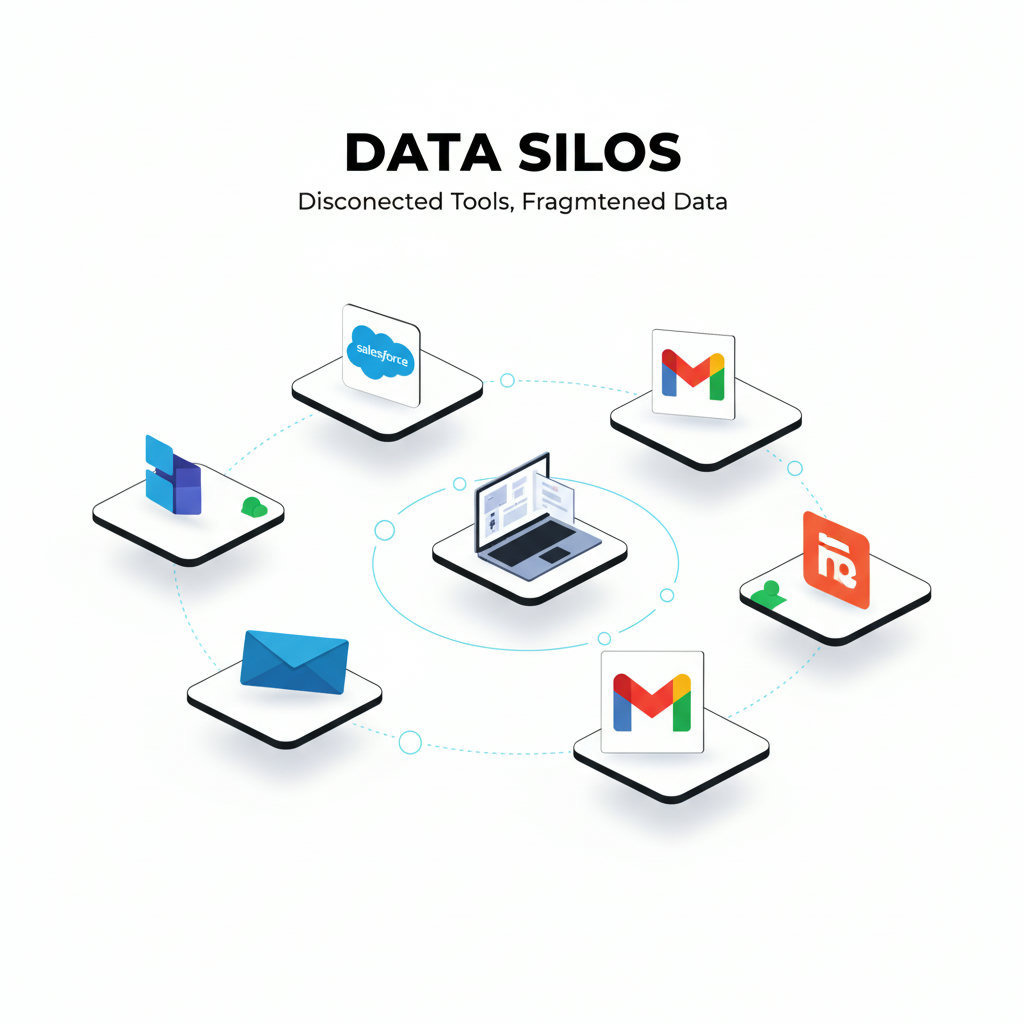
This is the harsh reality of disconnected data. It creates blind spots, duplicates efforts, and leads to a fractured customer journey. You spend hours, nay, days, trawling through LinkedIn profiles, company websites, and industry reports – a deep sea of prospect research – all to piece together a coherent picture of your ideal customer. Then you painstakingly craft personalized messages, only to find out the data was outdated, or the lead was already engaged by another department. It’s like trying to navigate a bustling city with a broken GPS – you’ll eventually get there, but not without a lot of wrong turns, frustration, and wasted fuel. This very scenario underscores a critical challenge in modern marketing, often leading to inefficiencies described by sources like the Harvard Business Review, which frequently highlights the impact of disconnected systems on business performance.
The Real Costs of Silos in Marketing
The “soft” costs of disconnected platforms — like wasted time and decreased morale — are painful enough, but the hard costs hit where it hurts: the bottom line. Think about it: inefficient ad spend targeting the wrong audience, lost sales opportunities due to slow follow-ups, and a diminished customer lifetime value stemming from impersonal interactions. Every time your marketing team sends an email based on incomplete information, or your sales team cold calls a hot lead without context, you’re not just missing an opportunity; you’re actively eroding trust and wasting valuable resources. Who has time for that? Certainly not you, who is striving for peak efficiency and impact with CRM integrations for marketing.
Beyond Syncing: How CRM Integrations Supercharge Marketing Efforts
Imagine a world where your CRM and marketing platforms speak the same language, seamlessly sharing data in real-time. This isn’t a futuristic fantasy; it’s the power of effective CRM integrations for marketing. This synergy transforms your marketing efforts from a series of disjointed activities into a cohesive, intelligent machine.
Personalization at Scale: The Holy Grail of Modern Marketing
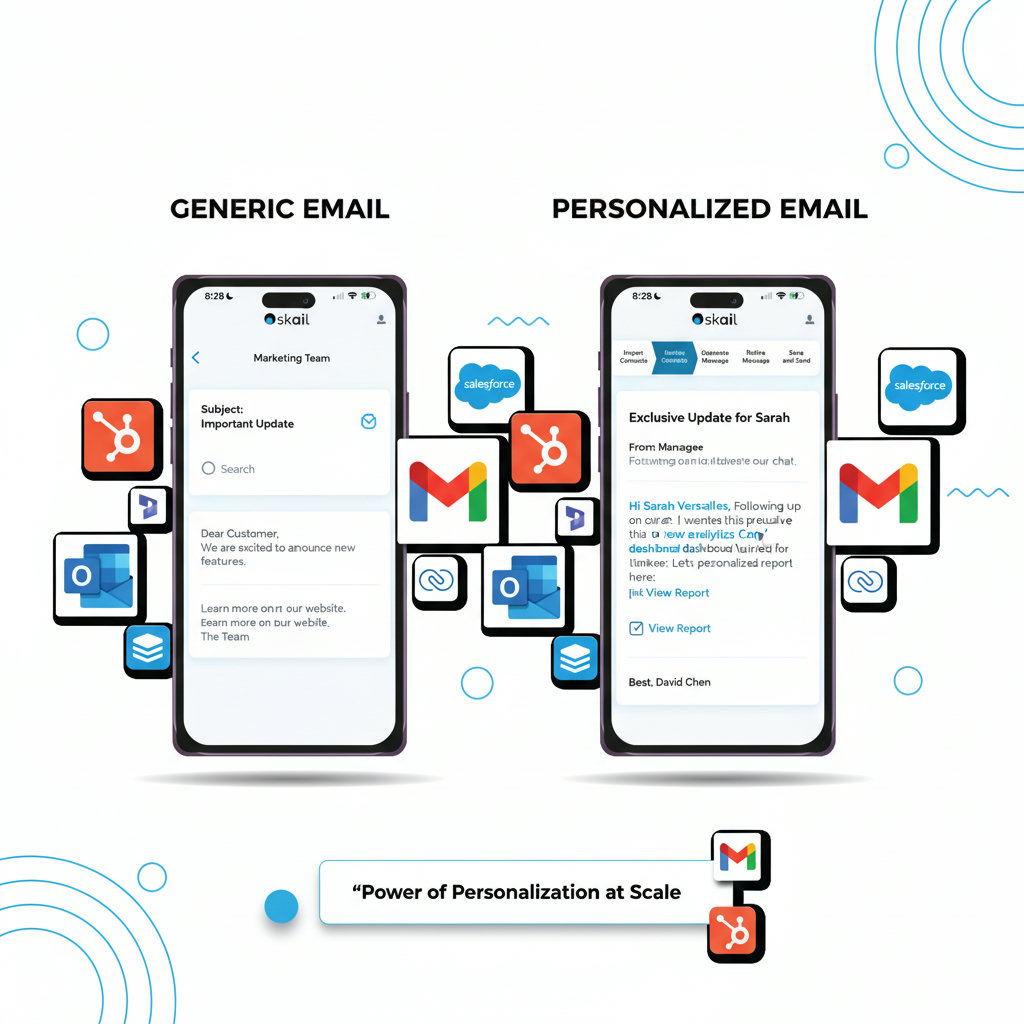
One of the biggest wins of integration is the ability to personalize communications at an unprecedented level. With your CRM data flowing directly into your marketing platform, you can segment your audience based on purchase history, previous interactions, lead score, company size, industry, and a myriad of other attributes. No more generic “Dear Customer” emails! Instead, your prospects receive messages that feel like a direct, personal conversation – a love letter crafted just for them. This level of personalization doesn’t just improve engagement; it builds stronger relationships and drives conversions. It’s the difference between shouting into a crowd and having a meaningful one-on-one.
Streamlined Workflows & Automation: Your New Best Friends
Ah, the sweet sound of automation! CRM integrations for marketing eliminate countless manual tasks. Think about it: a lead fills out a form on your website (marketing platform), and immediately, that information is pushed to your CRM, a lead score is calculated, and a task is assigned to a sales rep. Simultaneously, the lead is added to an automated nurture sequence in your marketing platform, tailored to their initial interest. Later, if they download an e-book, their lead score is updated in the CRM, and the sales rep receives an alert. The possibilities are endless!
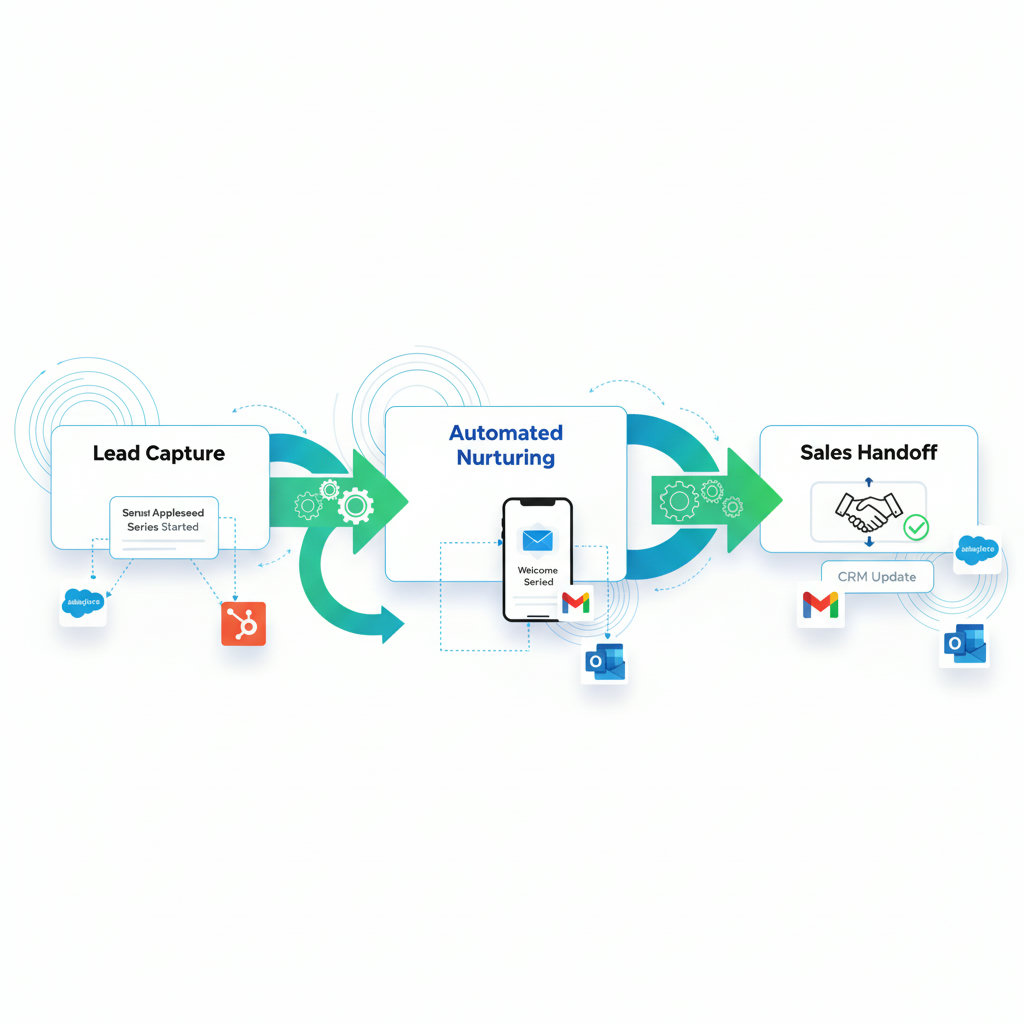
This streamlining isn’t just about saving time (though that’s a huge bonus); it’s about ensuring consistency, reducing errors, and accelerating the sales cycle. No more dropping the ball on hot leads or sending irrelevant messages. Every action is informed by a holistic view of the customer.
A Unified Customer View: The 360-Degree Advantage
When your CRM and marketing platforms are integrated, everyone in your organization – from sales and marketing to customer service – is working from the same playbook. This means a truly unified customer view. Sales knows what marketing messages a prospect has received, customer service knows what products they’ve purchased, and marketing knows the full history of interactions and conversions. This 360-degree perspective allows for truly intelligent decision-making, ensuring that every touchpoint is optimized for the customer experience. It’s like having Sherlock Holmes, the detective, and a mind reader all rolled into one for your customer insights! Further insights into customer views and their impact can be gleaned from reputable marketing resources like Forrester, which frequently publishes research on customer experience and integrated systems.
Practical Strategies for Implementing CRM Integrations for Marketing
So, how do you make this magic happen? It’s not just about flipping a switch; it requires thoughtful planning and execution. But the good news is, the payoff is immense!
Choosing the Right Tools: Compatibility is Key!
The first step is selecting a CRM and marketing automation platform that play well together. Many leading platforms offer native integrations, making the process relatively straightforward. If native integrations aren’t robust enough, there are third-party integration tools (like Zapier or Workato) that can bridge the gap. Do your research, test extensively, and ensure that the chosen tools can handle the volume and complexity of your data.
Defining Your Data Flow: What Goes Where, and Why?
Before you hit “sync,” map out your data flow. Which fields in your marketing platform need to sync with which fields in your CRM? What triggers these syncs? What happens when a lead is updated in one system – does it overwrite the data in the other, or merge it? Clearly defining these rules beforehand is crucial to prevent data inconsistencies and ensure smooth operation. This is also where you determine your lead scoring parameters, how MQLs (Marketing Qualified Leads) become SQLs (Sales Qualified Leads), and how customer data influences future campaigns.
Training Your Teams: The Human Element Matters
Even the most sophisticated CRM integrations for marketing are only as good as the people using them. Invest in thorough training for both your marketing and sales teams. They need to understand how the integrated system works, what their roles are in maintaining data integrity, and how to leverage the new capabilities to their advantage. Encourage collaboration and open communication between departments – this is where the real alchemy happens!
The ROI of Integration: A Marketer’s Dream Come True
Let’s talk numbers. The return on investment for robust CRM integrations for marketing is significant. We’re talking about:
- Increased Conversion Rates: Highly personalized campaigns lead to more engaged prospects and higher conversion rates.
- Reduced Sales Cycle: Faster, more informed hand-offs between marketing and sales mean leads move through the funnel more quickly.
- Improved Customer Retention & Lifetime Value: A consistent, personalized customer experience fosters loyalty and encourages repeat business.
- Enhanced Efficiency: Automation of tedious tasks frees up your team to focus on strategic initiatives, boosting productivity and reducing operational costs.
- Better Data-Driven Decisions: With all your customer data in one place, you gain deeper insights, allowing for more effective campaign optimization and resource allocation.
In essence, CRM integrations for marketing transform your marketing from a cost center into a powerful revenue engine. It’s not just about doing more; it’s about doing smarter, faster, and with far greater impact. So, if you’re still wrestling with disconnected systems and manual data entry, it’s time to embrace the future. Your customers, your sales team, and your bottom line will thank you for it. Cheers to a more integrated, intelligent, and profitable marketing journey! 🥂
Frequently Asked Questions About CRM Integrations for Marketing
What exactly are CRM integrations for marketing?
CRM integrations for marketing refer to the seamless connection and data exchange between a Customer Relationship Management (CRM) system and various marketing automation platforms. This allows information about leads, customers, and interactions to flow freely between systems, creating a unified view of the customer and enabling more targeted and efficient marketing efforts.
What are the main benefits of integrating my CRM with marketing tools?
The primary benefits include enhanced personalization of marketing campaigns, improved lead nurturing and qualification, streamlined workflows, better alignment between sales and marketing teams, a 360-degree view of the customer, and ultimately, increased conversion rates and improved ROI.
Is it difficult to set up CRM integrations?
The difficulty can vary depending on the platforms you use. Many popular CRM and marketing automation tools offer native, out-of-the-box integrations that are relatively straightforward to configure. For more complex needs or systems without direct integrations, third-party integration platforms can be used, which might require more technical expertise. Proper planning and mapping of data flow are crucial for a successful setup.
What kind of marketing activities benefit most from CRM integration?
Almost all marketing activities benefit, but some standout examples include email marketing (segmentation and personalization), lead scoring and nurturing, targeted advertising, content marketing (delivering relevant content), and post-purchase customer communication. Essentially, any activity that relies on customer data for effectiveness sees significant improvement.
Can CRM integrations help improve customer retention?
Absolutely! By providing a complete picture of customer history, preferences, and service interactions, CRM integrations enable marketers to create highly relevant follow-up campaigns, upsell/cross-sell opportunities, and re-engagement strategies. This leads to a more consistent and personalized customer experience, fostering loyalty and driving higher customer lifetime value.