The AI Landscape: Understanding the Shift
Ah, the future of work! It’s a phrase that conjures images of robots serving coffee and algorithms making all our decisions. While that might be a tad dramatic, there’s no denying that artificial intelligence (AI) and automation are rapidly reshaping our professional world. It’s an exciting, sometimes daunting, shift, and understanding its nuances is the first step toward thriving within it.
Current State of AI Integration
We’re living through an incredible technological acceleration. From the chatbots that answer our customer service queries to the sophisticated systems predicting market trends, AI is no longer a futuristic concept; it’s a present-day reality woven into the fabric of our daily lives and industries.
- Generative AI advancements: Think ChatGPT, Midjourney, or any tool that can create text, images, or even code from simple prompts. These aren’t just parlor tricks; they’re powerful engines for content creation, brainstorming, and accelerating development cycles across virtually every sector. They help us tell more authentic brand stories, for example, by quickly generating multiple creative angles.
- Automation in industries: Beyond generative AI, automation is streamlining processes in manufacturing, logistics, finance, and healthcare. Repetitive tasks are increasingly handled by machines, freeing up human workers for more complex, creative, and strategic endeavors.
Impact on Traditional Roles
Now, let’s address the elephant in the room: what does this mean for our jobs?
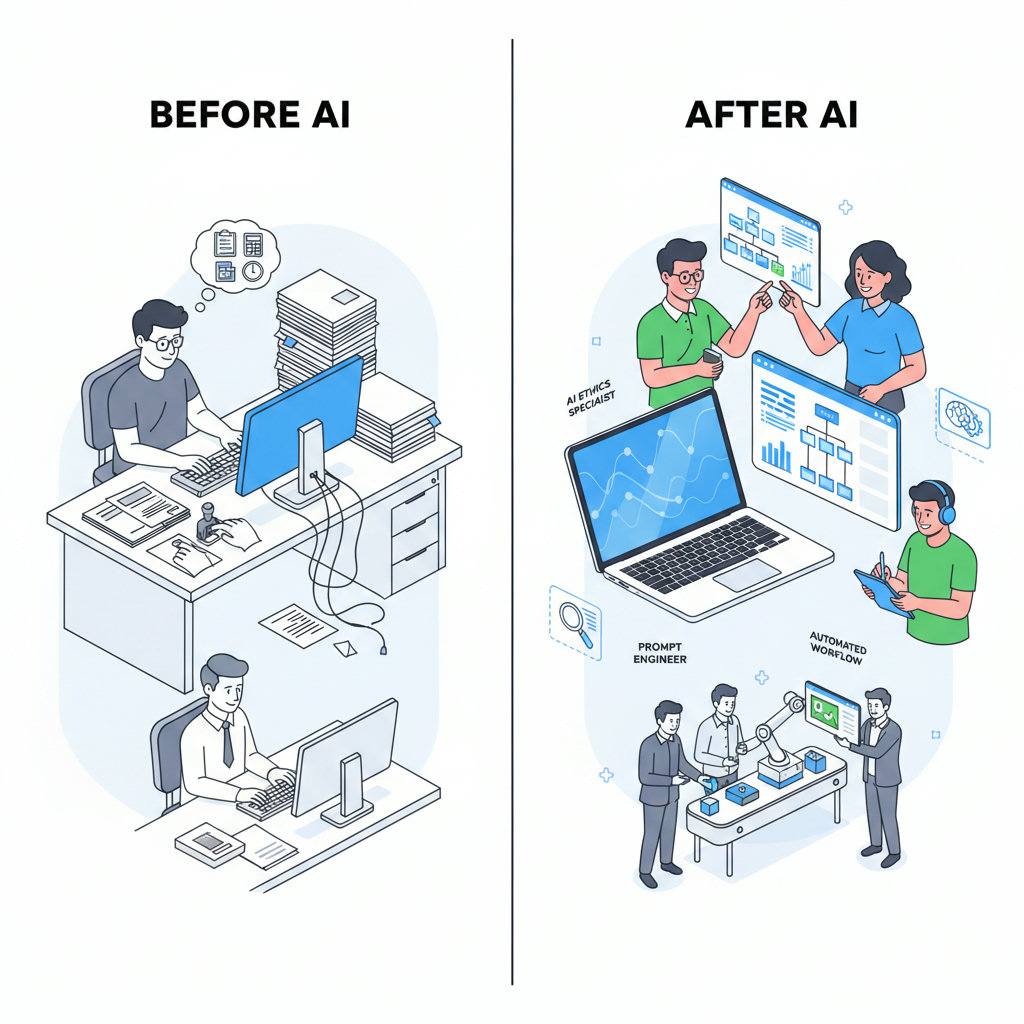
- Job displacement concerns: It’s natural to worry about AI taking jobs. And yes, some roles, especially those heavy on repetitive, rule-based tasks, are indeed vulnerable to automation. This isn’t a new phenomenon; technological advancements have always shifted labor markets.
- New job creation potential: But here’s the silver lining – history also shows that technology creates new jobs, often more interesting and higher-skilled ones, than it displaces. We’re already seeing the emergence of roles like AI trainers, prompt engineers, ethical AI specialists, and data annotators. The demand for people who can guide, manage, and leverage AI is soaring.
Ethical Considerations & Bias
With great power comes great responsibility, right? AI isn’t just a technical challenge; it’s an ethical one.
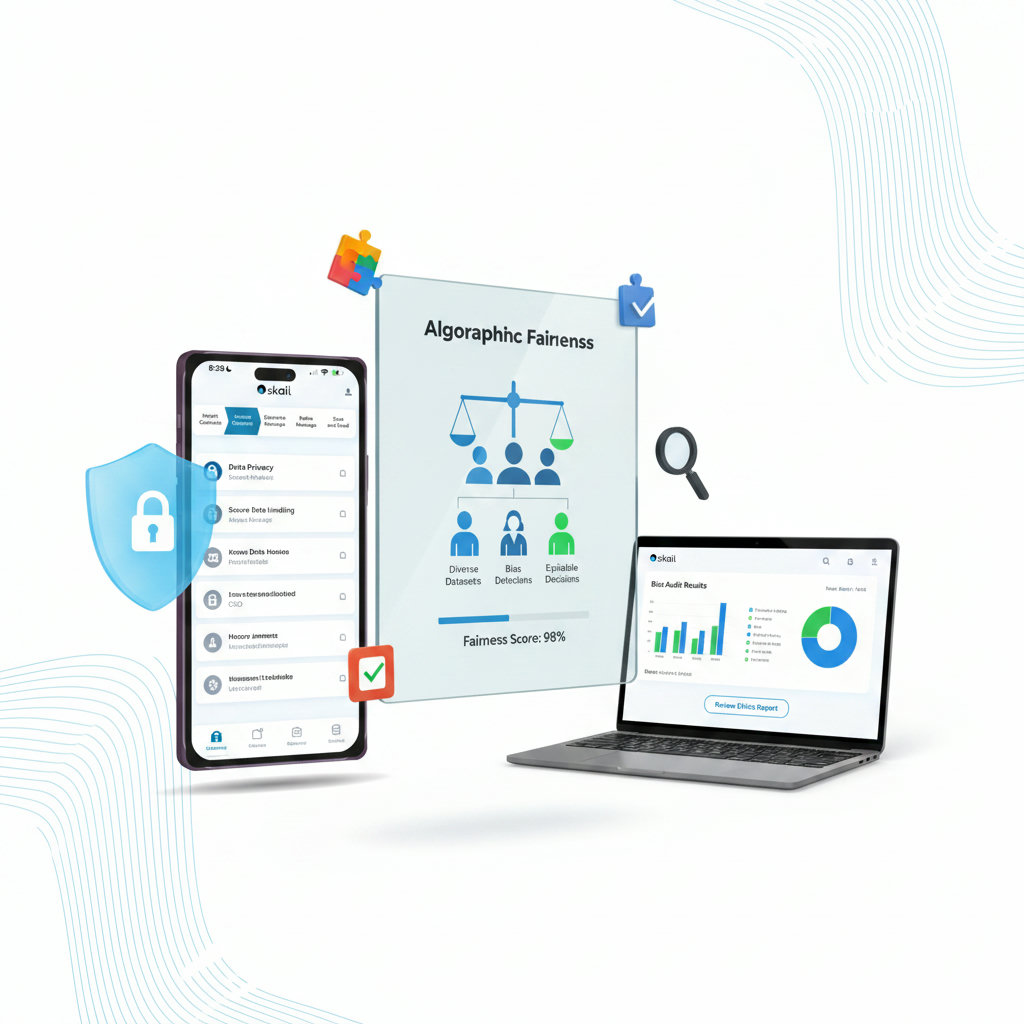
- Data privacy: AI systems thrive on data. The more data they consume, the smarter they become. But this raises critical questions about how our personal information is collected, stored, and used. Ensuring robust data privacy frameworks is paramount.
- Algorithmic fairness: AI models learn from the data they’re fed. If that data contains biases (which, unfortunately, much human-generated data does), the AI will perpetuate and even amplify those biases. Addressing algorithmic fairness means actively working to ensure AI systems make equitable decisions, preventing discrimination in areas like hiring, lending, or even criminal justice. It’s about ensuring that the authentic brand stories we tell are inclusive and fair.
Essential Skills for the AI Era
So, if robots are doing the grunt work, what’s left for us humans? Quite a lot, actually! The skills that truly differentiate us are becoming more valuable than ever.
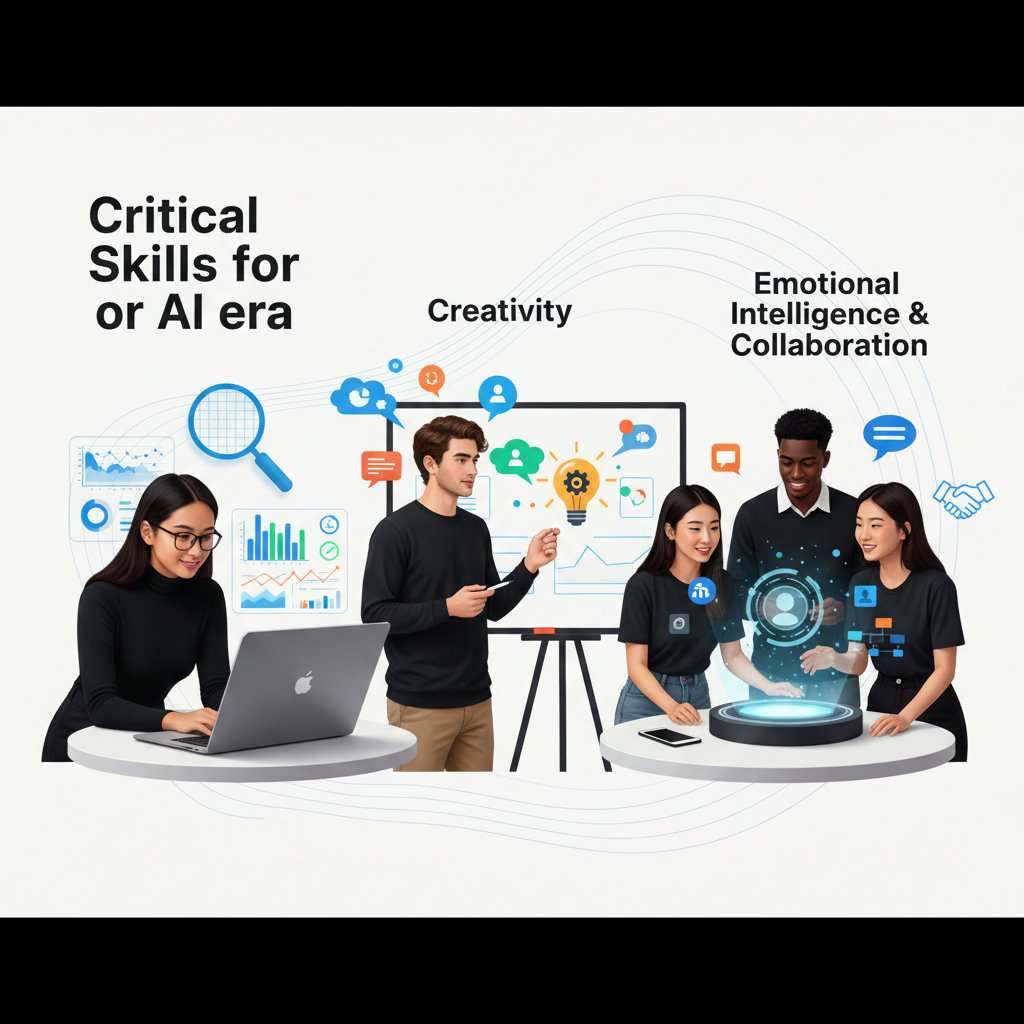
Critical Thinking & Problem Solving
AI can process data at lightning speed, but it often struggles with nuance, context, and truly novel situations. That’s where you come in.
- Complex analytical abilities: We need people who can interpret AI outputs, question assumptions, identify patterns beyond what an algorithm can see, and synthesize information from disparate sources to form coherent strategies.
- Strategic decision-making: While AI can provide invaluable insights, the ultimate responsibility for strategic decisions – weighing risks, understanding human impact, and aligning with long-term goals – remains firmly in human hands.
Creativity & Innovation
AI can generate variations, but true innovation, the spark of a completely new idea, still largely resides with us. Crafting authentic brand stories, for instance, requires a creative human touch.
- Human-centric design: As AI becomes more integrated into products and services, the need for human-centered design principles grows. We need empathetic designers and thinkers who can ensure technology serves human needs and experiences seamlessly.
- Novel solution development: AI excels at optimizing existing solutions. Humans, however, are still the primary drivers of developing entirely new solutions to unforeseen problems, pushing the boundaries of what’s possible.
Emotional Intelligence & Collaboration
These are the soft skills that are anything but soft; they are foundational to success in any era, and especially in one dominated by technology.
- Interpersonal communication: Clearly articulating ideas, giving and receiving feedback, and navigating complex team dynamics become even more crucial when working alongside intelligent machines and diverse human teams.
- Team dynamics in hybrid environments: The future of work is increasingly hybrid. Fostering strong team bonds, effective communication, and a sense of shared purpose across distributed teams requires high emotional intelligence and collaborative spirit. This is where tools like AI employee advocacy can foster connection and amplify internal communication.
Reskilling & Upskilling Strategies
The good news? You don’t have to navigate this shift alone. There are myriad pathways to adapt and thrive.
Lifelong Learning Imperative
The days of learning one trade and sticking to it for 40 years are largely behind us. The pace of change demands continuous growth.
- Continuous education models: Online courses, bootcamps, workshops, and industry certifications are now mainstream. The key is to embrace learning as an ongoing process, not a one-time event. You can learn how to leverage AI to create compelling, authentic brand stories, for example.
- Micro-credentialing: Shorter, focused courses leading to specific skills certifications are gaining traction. They allow individuals to quickly acquire relevant competencies without committing to a full degree.
Corporate Training Initiatives
Smart organizations understand that their workforce is their most valuable asset.
- Internal development programs: Many companies are investing heavily in internal training, offering employees opportunities to upskill in AI literacy, data analytics, and other critical areas.
- Partnerships with educational institutions: Collaborations between corporations and universities are becoming more common, creating tailored programs that address specific industry needs and prepare students for the jobs of tomorrow.
Government & Policy Support
Societal shifts require broad, systemic support.
- Funding for vocational training: Governments are increasingly allocating resources to programs that help displaced workers or those looking to pivot into new tech-driven roles.
- Adaptive education policies: Policies that encourage STEM education from an early age, promote digital literacy, and provide pathways for adult learners are vital for building a future-ready workforce. The European Union, for instance, has several initiatives aimed at digital skills development across its member states. Learn more about their digital strategy here.
Redefining the Human-AI Partnership
The future isn’t about humans versus AI; it’s about humans with AI.
Augmentation, Not Replacement
Think of AI as a powerful tool, an extension of human capabilities, rather than a competitor.
- AI as a co-pilot: In many fields, AI will act as an assistant, taking on routine tasks, sifting through vast amounts of data, and offering preliminary analyses, allowing humans to focus on higher-level thinking and creative problem-solving. This is particularly true when it comes to generating ideas for authentic brand stories.
- Enhanced human capabilities: Imagine doctors diagnosing diseases more accurately with AI assistance, architects designing more efficient buildings, or marketers creating highly personalized customer experiences. AI amplifies our potential.
Workflow Integration & Optimization
Seamlessly blending AI into our daily work routines is key to unlocking its full potential.
- Seamless tool adoption: The easier it is for employees to use AI tools, the more quickly they’ll embrace them. Intuitive interfaces and effective training are crucial.
- Efficiency gains: When integrated effectively, AI can dramatically reduce the time spent on mundane tasks, allowing individuals and teams to be more productive and focus on impactful work.
Future Human-Centric Roles
Even with advanced AI, certain roles will always be inherently human.
- Oversight and management: Humans will be needed to oversee AI systems, ensure they operate ethically and effectively, and intervene when necessary. This includes monitoring for bias and maintaining data integrity.
- Strategic direction: Defining the vision, setting goals, and steering the ship – these are fundamentally human leadership functions that AI can inform but not replace.
Organizational Adaptation & Leadership
For this transition to be successful, organizations themselves must evolve.
Agile Structures & Culture
The traditional hierarchical structures often struggle to keep pace with rapid technological change.
- Flexibility and responsiveness: Organizations need to be agile, able to pivot quickly, experiment with new technologies, and adapt their strategies based on emerging insights.
- Innovation mindset: Fostering a culture where experimentation is encouraged, failure is seen as a learning opportunity, and continuous improvement is a core value, is essential for navigating the AI era.
Visionary Leadership in Tech
Leaders play a pivotal role in guiding their organizations through this transformation.
- Strategic foresight: Leaders must not only understand current AI trends but also anticipate future developments, positioning their organizations to capitalize on opportunities and mitigate risks.
- Ethical technology adoption: Visionary leaders prioritize ethical considerations, ensuring that AI is used responsibly and that the human element remains at the core of all technological decisions. A great resource for ethical AI guidelines can be found on UNESCO’s website. Check out their Recommendation on the Ethics of Artificial Intelligence.
Building a Resilient Workforce
Ultimately, the success of adapting to AI and automation hinges on the well-being and adaptability of the people within an organization.
- Employee well-being: Supporting employees through periods of change, addressing anxieties about job security, and promoting a healthy work-life balance are crucial for maintaining morale and productivity.
- Adaptability support: Providing resources, training, and a supportive environment that encourages continuous learning helps employees develop the resilience needed to embrace new tools and ways of working.
The future of work isn’t just about machines; it’s about reimagining how humans and AI can collaborate to create a more productive, innovative, and human-centric world.
FAQ
What are authentic brand stories?
Authentic brand stories are narratives that genuinely reflect a company’s values, mission, and personality. They are built on transparency, honesty, and a real connection with the audience, moving beyond mere product features to share the brand’s journey, purpose, and impact.

How does AI impact job displacement and creation?
AI and automation can displace jobs that involve repetitive, rule-based tasks. However, they also create new roles focused on AI development, management, training, and interpretation. The key is to adapt skills towards areas where human strengths, like creativity and emotional intelligence, are irreplaceable.
What are the most important skills for the AI era?
The most crucial skills for the AI era include critical thinking and complex problem-solving, creativity and innovation, and emotional intelligence alongside strong collaboration abilities. These human-centric skills allow individuals to work effectively with AI and address challenges that technology alone cannot.
How can organizations prepare their workforce for AI integration?
Organizations can prepare their workforce through continuous learning initiatives, offering internal development programs, and fostering an agile, innovation-focused culture. They should also prioritize employee well-being and provide support for skill adaptation to build a resilient and future-ready team.
What are some ethical considerations regarding AI?
Key ethical considerations in AI include data privacy (how personal data is collected and used) and algorithmic fairness (ensuring AI systems do not perpetuate or amplify existing human biases, leading to discrimination). Addressing these is vital for responsible AI development and deployment.
Why is lifelong learning crucial in the age of AI?
Lifelong learning is crucial because the pace of technological change, particularly with AI, means that skills quickly become outdated. Embracing continuous education, micro-credentialing, and actively seeking new knowledge is essential for individuals to remain relevant, adaptable, and competitive in the evolving job market.