“`html
Unleashing the Power of B2B Employee Advocacy: Your Secret Weapon
Ah, B2B marketing. It’s a world of precision, long sales cycles, and the constant quest for trust. You’ve got your robust content strategy, your meticulously planned campaigns, and your SEO-optimized website. But what if there was a largely untapped resource, living and breathing within your own organization, waiting to amplify your message with unparalleled authenticity? What if your employees could become your most effective, trustworthy, and organic advocates? Welcome to the magical realm of B2B employee advocacy.
Simple, right? Just ask your team to share. Not quite. While the concept seems straightforward, truly effective B2B employee advocacy is a strategic powerhouse, requiring thoughtful planning, the right tools, and a dash of genuine enthusiasm. It’s about transforming your internal talent into an external force multiplier, extending your reach, building credibility, and ultimately, boosting your bottom line. But how do you get there? Let’s dive in.
The Challenge of Modern B2B Marketing
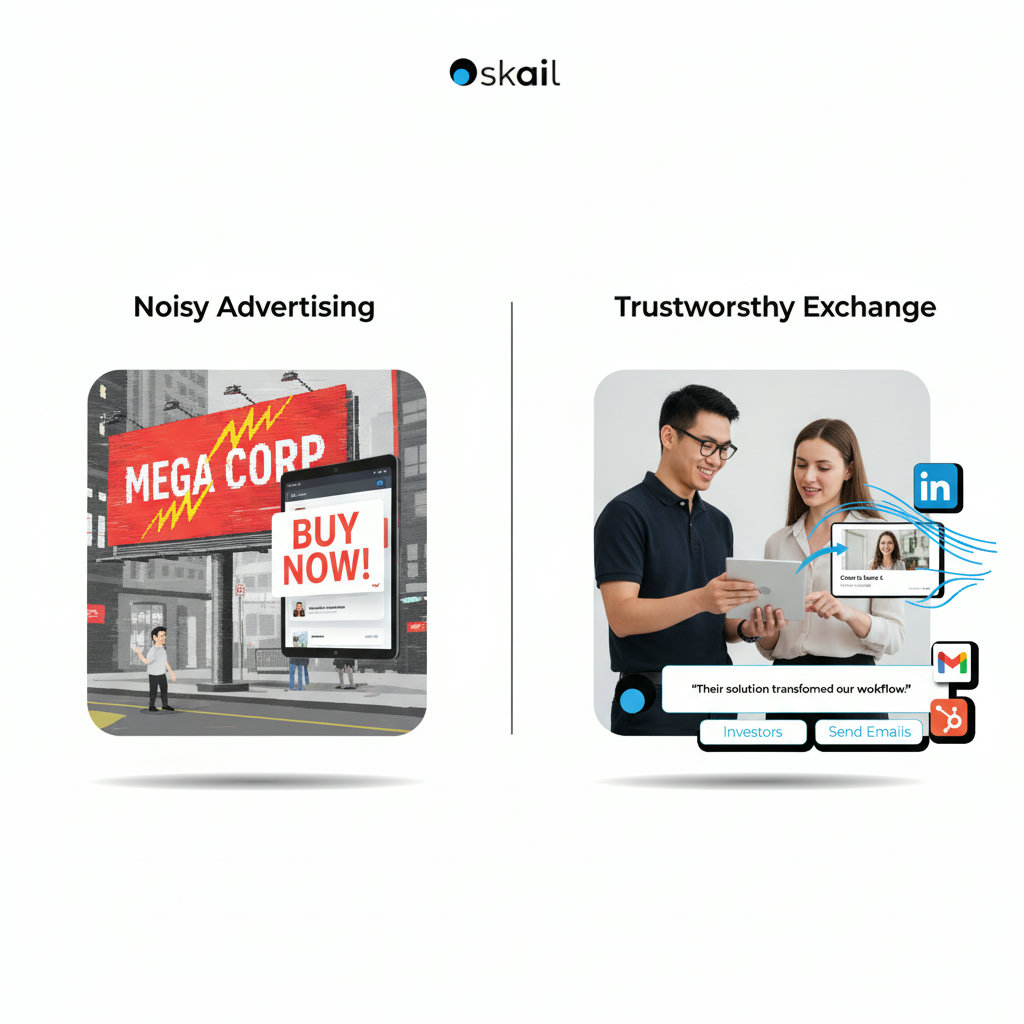
Let’s be honest, the digital landscape is noisier than ever. Buyers are savvier, ad blockers are ubiquitous, and trust in traditional advertising is at an all-time low. Who do people trust? Other people. Not always the CEO speaking from a podium, but often a peer, a specialist, a known expert in their field. That’s where your employees come in. Each one is a potential thought leader, a network connector, and an authentic voice for your brand. Ignoring this potential is like leaving money on the table – or, worse, letting your competitors seize it. Every employee possesses a unique network, a distinctive voice, and an inherent enthusiasm for the work they do. Tapping into this goldmine is not just smart; it’s essential for staying competitive.
Why B2B Employee Advocacy isn’t Just a “Nice-to-Have” Anymore
Think about it: who better to talk about your company’s innovative solutions, its culture, or its impact than the people who live and breathe it every day? Your employees’ networks often overlap with your target audience, but their messages cut through the clutter because they’re personal, not corporate.
Authenticity Reigns Supreme
In an age of skepticism, authenticity is the holy grail. An employee sharing a company success story on LinkedIn carries far more weight than a corporate post. Why? Because it feels genuine. It feels less like marketing and more like a real person sharing something they genuinely believe in. This builds a foundation of trust that traditional marketing often struggles to achieve. When employees share, they put their personal brand on the line, lending significant credibility to the content. This isn’t just about reach; it’s about believable reach.
Exponential Reach and Engagement
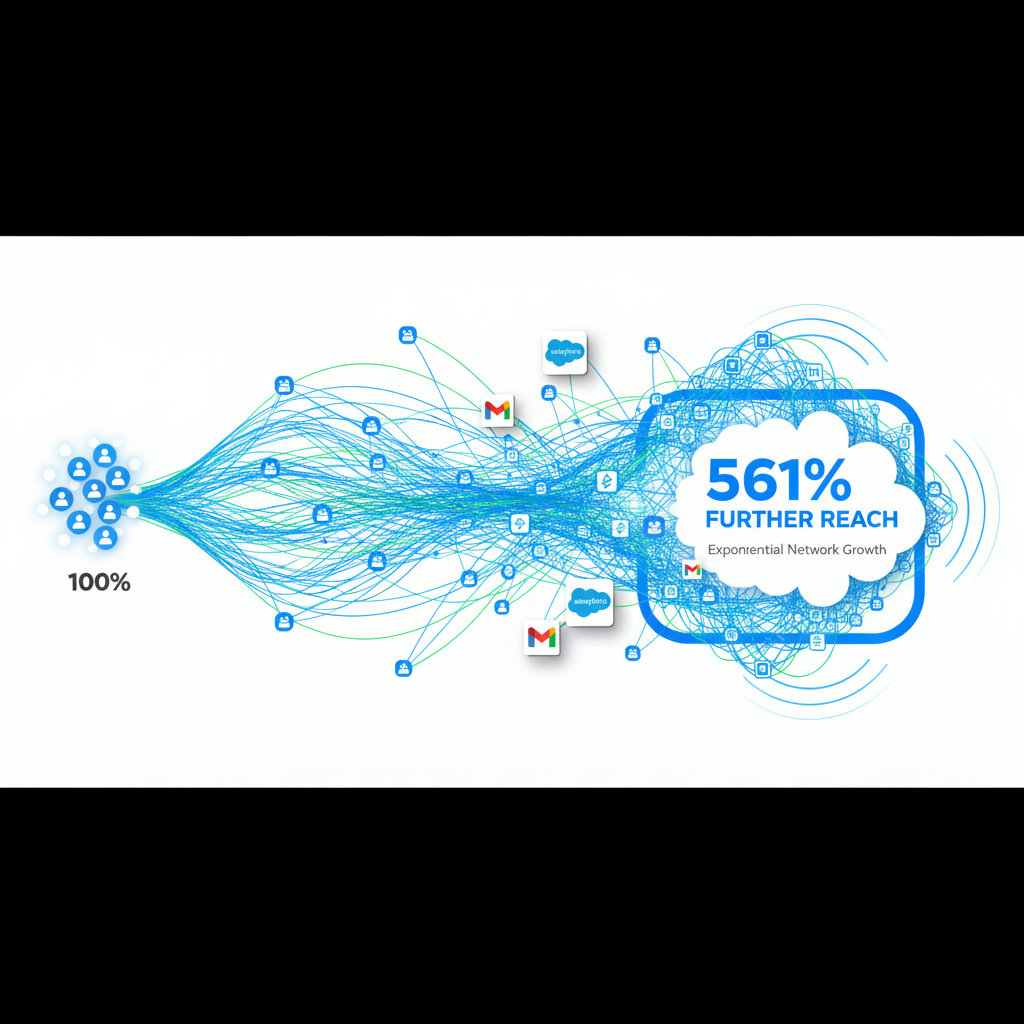
Consider the math. If your company has 100 employees, and each has an average of 500 LinkedIn connections, that’s a potential reach of 50,000 unique connections. Now, multiply that by the higher engagement rates typically seen on personal posts compared to company pages. The numbers quickly become staggering. And it’s not just about sharing; it’s about starting conversations, answering questions, and providing real-world context that a company page simply can’t. According to a report by MSLGROUP, messages shared by employees go 561% further than the same messages shared by brand channels. Powerful, isn’t it?
Attracting Top Talent and Building Culture
B2B employee advocacy isn’t just for external marketing; it’s a powerful internal tool too. When employees actively share their positive experiences, insights, and the company culture, it becomes a magnet for top talent. Prospective hires get a realistic, insider’s view of what it’s like to work at your organization, fostering a more authentic employer brand. It also creates a sense of shared purpose and pride among existing employees, reinforcing a positive company culture. It’s a virtuous cycle: happy, engaged employees advocate for the brand, which attracts more great talent, which further strengthens the culture.
Building Your B2B Employee Advocacy Program: A Step-by-Step Guide
Ready to harness this power? Let’s break down how to build a robust B2B employee advocacy program.
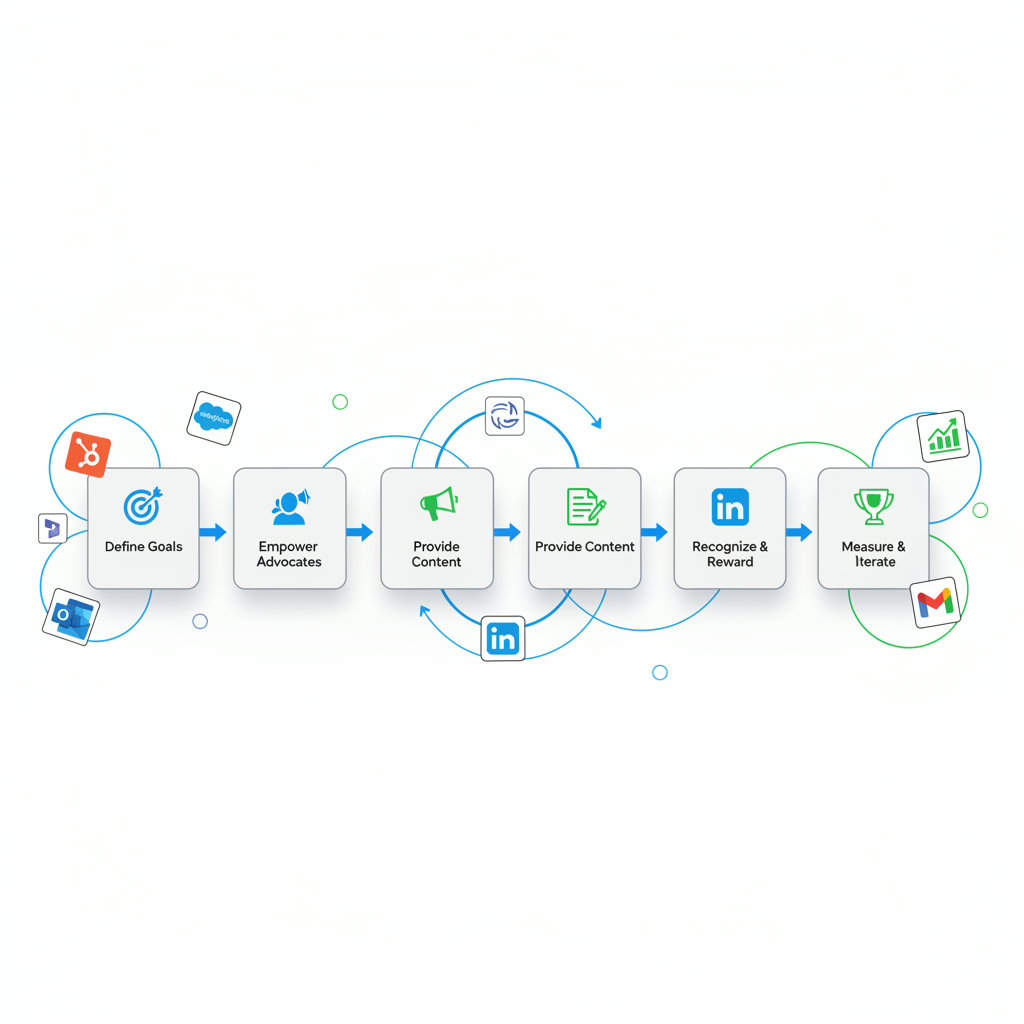
1. Define Your Goals and Strategy
What do you want to achieve? Increased brand awareness? More leads? Better talent acquisition? Clear objectives will guide your entire program. Develop a content strategy that provides your employees with easily shareable, engaging content. This might include thought leadership articles, company news, product updates, or even behind-the-scenes glimpses of your culture. Remember the importance of relevance; employees will be more likely to share content that resonates with their professional identity.
2. Empower Your Advocates (Don’t Force Them!)
This isn’t about mandatory sharing. It’s about empowerment. Provide easy-to-use tools and platforms that streamline the sharing process. Offer training on personal branding, social media etiquette, and why employee advocacy is beneficial for both the company and their own professional growth. Make it clear what’s in it for them – enhanced personal brand, increased social selling opportunities, recognition. Platforms offering AI employee advocacy can simplify content distribution and analytics, making it easier for employees to participate and for you to track impact. This is where automation meets human connection, streamlining the process without losing the authentic touch.
3. Provide Curated Content (and Encourage Originality)
Don’t leave your employees guessing what to share. Create a content library with pre-approved posts, graphics, and articles. Make it diverse and regularly updated. But also, encourage them to add their own voice, their own insights. The magic happens when they personalize the message, not just copy-paste. Think of it as a launching pad, not a script. Offer templates and suggestions, but emphasize that their unique take is what makes the message resonate.
4. Recognize and Reward
Acknowledge their efforts! This could be through internal leaderboards, special recognition in company meetings, gift cards, or even professional development opportunities. Celebrate milestones and showcase the impact their advocacy is having. A little appreciation goes a long way in fostering continued participation. Public recognition can motivate others to join in, creating a positive feedback loop. For example, highlight top sharers in a company newsletter or team meeting.
5. Measure, Analyze, and Iterate
Like any marketing initiative, you need to track your progress. Monitor key metrics such as reach, engagement, website traffic generated, and even lead quality if possible. Use this data to refine your strategy, provide better content, and understand what resonates most with your audience. What platforms are performing best? Which types of content are getting the most shares and comments? Regular analysis ensures your program remains effective and responsive to evolving trends. Did a particular campaign generate significant buzz? Double down on similar themes. Is participation lagging in a certain department? Re-evaluate your engagement strategies for that group. Continuous improvement is key. For more insights on measuring digital marketing ROI, check out this Forbes article on digital marketing.
Addressing Common Concerns and Building Trust
Of course, introducing a B2B employee advocacy program comes with its own set of questions and potential hurdles.
“What if they say something wrong?”
This is a valid concern. Clear guidelines and social media policies are vital. Provide training on what’s appropriate to share and what isn’t, respecting confidentiality and company messaging. Emphasize that honesty and transparency are key, but so is professionalism. Equip them with resources they can refer to if unsure. Most importantly, fostering a culture of trust and open communication will mitigate many of these risks.
“Will it take too much of their time?”
This is where user-friendly tools and curated content become critical. Make it effortless for them to participate. A few clicks should be all it takes. Once they see the personal and professional benefits, and if the process is smooth, they’ll be more inclined to invest a few minutes. Remember, it’s not about dedicating hours; it’s about finding small, impactful moments to share.
“How do we maintain authenticity if it’s ‘planned’?”
The plan is to empower, not to control. Provide the content, but encourage personalization. The goal isn’t to turn employees into robots spewing marketing messages, but to equip them to share what they genuinely care about and what aligns with their professional identity. The authenticity comes from their unique voice and their direct experience with the brand. It’s about providing them with a platform and a springboard, not a leash.
Conclusion: Your Employees, Your Most Powerful Assets
B2B employee advocacy is more than just a trend; it’s a fundamental shift in how businesses can leverage their most valuable assets – their people – to build trust, extend reach, and drive growth. By empowering your employees to become authentic brand champions, you’re not just executing a marketing strategy; you’re cultivating a thriving internal culture that naturally spills over into powerful external engagement. It’s about turning every team member into a potential beacon for your brand. So, are you ready to unlock this incredible potential? Your employees are waiting. Cheers to authentic connections and unparalleled reach! 🥂
Frequently Asked Questions About B2B Employee Advocacy
What exactly is B2B employee advocacy?
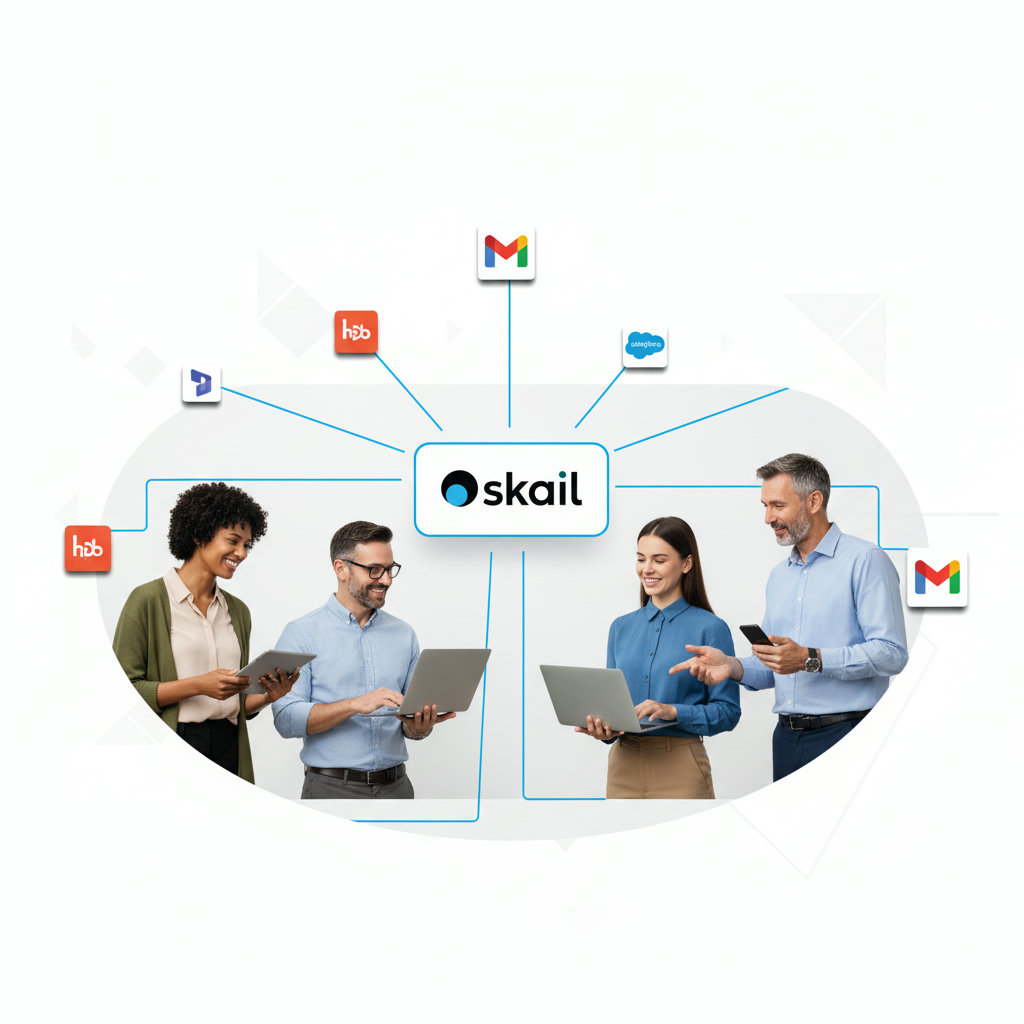
B2B employee advocacy is the strategic promotion of a business-to-business (B2B) company’s brand, products, services, or culture by its own employees through their personal online and offline networks. It involves empowering employees to share approved company content, insights, and positive experiences, acting as credible, authentic voices for the brand.
Why is B2B employee advocacy so effective?
It’s effective because it leverages trust and authenticity. People are more likely to trust information coming from an individual – especially if they know them – than from a corporate brand account. Employees have built-in networks that often overlap with target audiences, leading to significantly higher reach and engagement than traditional corporate channels.
What are the main benefits of implementing a B2B employee advocacy program?
The core benefits include increased brand awareness and credibility, enhanced organic reach and engagement, improved lead generation (through social selling), better talent attraction and retention, and a stronger, more positive company culture. It humanizes the brand and fosters a sense of shared purpose among employees.
What kind of content should employees share?
Employees should ideally share diverse content that aligns with their professional interests and the company’s goals. This can include blog posts, articles, company news, industry insights, product updates, job openings, behind-the-scenes glimpses of company culture, and thought leadership pieces. Providing a mix of curated content and encouraging personal commentary is key.
How do you measure the success of a B2B employee advocacy program?
Success can be measured through various KPIs such as increased social media reach and impressions, higher engagement rates on shared content (likes, comments, shares), website traffic driven by employee shares, lead generation and conversion metrics, improved brand sentiment, and even employee participation rates and satisfaction with the program.
What are the biggest challenges in starting an employee advocacy program?
Common challenges include encouraging consistent employee participation, ensuring employees understand social media guidelines, selecting the right tools, identifying appropriate content, and proving ROI. Overcoming these involves clear communication, proper training, providing easy-to-use platforms, and demonstrating the personal and professional benefits to employees.
“`