The AI Marketing Landscape: Current State and Evolution
Ah, time! That elusive, slippery commodity we all chase, especially in the fast-paced world of marketing. You’re constantly juggling campaigns, analyzing data, and trying to connect with your audience in meaningful ways. But what if there was a way to amplify your efforts, predict trends, and practically read your customers’ minds? Enter the magical realm of AI powered marketing. It’s not just a buzzword; it’s the engine driving the next wave of innovation, transforming how businesses connect, convert, and thrive. Let’s dive in, shall we?
Defining AI in Marketing
When we talk about AI in marketing, we’re not envisioning robots writing your ad copy (well, not entirely yet!). Instead, think of Artificial Intelligence as a sophisticated suite of technologies that can simulate human intelligence. This includes machine learning, natural language processing (NLP), predictive analytics, and computer vision. In essence, AI helps marketers process vast amounts of data, identify patterns, make predictions, and automate tasks that would be impossible or incredibly time-consuming for humans alone. It’s about working smarter, not just harder, transforming raw data into actionable insights that fuel growth.
Key AI Applications Today
Today, AI is no longer a futuristic concept but a powerful ally already embedded in countless marketing activities. From automating email sequences and personalizing website experiences to optimizing ad spend and predicting customer churn, AI’s fingerprints are everywhere. It’s the silent force behind those eerily accurate product recommendations on e-commerce sites and the segmentation that allows brands to speak directly to your needs. AI sifts through customer behavior, market trends, and campaign performance data at lightning speed, offering a clarity that previously only existed in dreams (or very, very long spreadsheets).
Anticipated Growth Drivers
What’s fueling this AI explosion in marketing? Several factors are at play. Firstly, the sheer volume of data generated daily is astronomical, creating a need for tools that can handle and interpret it. Secondly, advancements in computing power and algorithms have made AI more accessible and effective. Thirdly, competitive pressures demand that businesses find new ways to stand out and connect with increasingly savvy consumers. Finally, the pursuit of efficiency and higher ROI is a constant quest for marketers, and AI offers a compelling path to achieve both. Studies consistently show AI’s growing impact on marketing productivity and effectiveness. We’re on the cusp of a revolutionary era where AI becomes not just a tool, but a strategic partner in every marketing endeavor.
Transforming Marketing Strategies with AI
The promise of AI isn’t just about doing the same things faster; it’s about fundamentally rethinking how we approach marketing. It empowers us to move beyond guesswork and operate with precision, agility, and a level of personalization previously unimaginable.
Personalized Customer Experiences
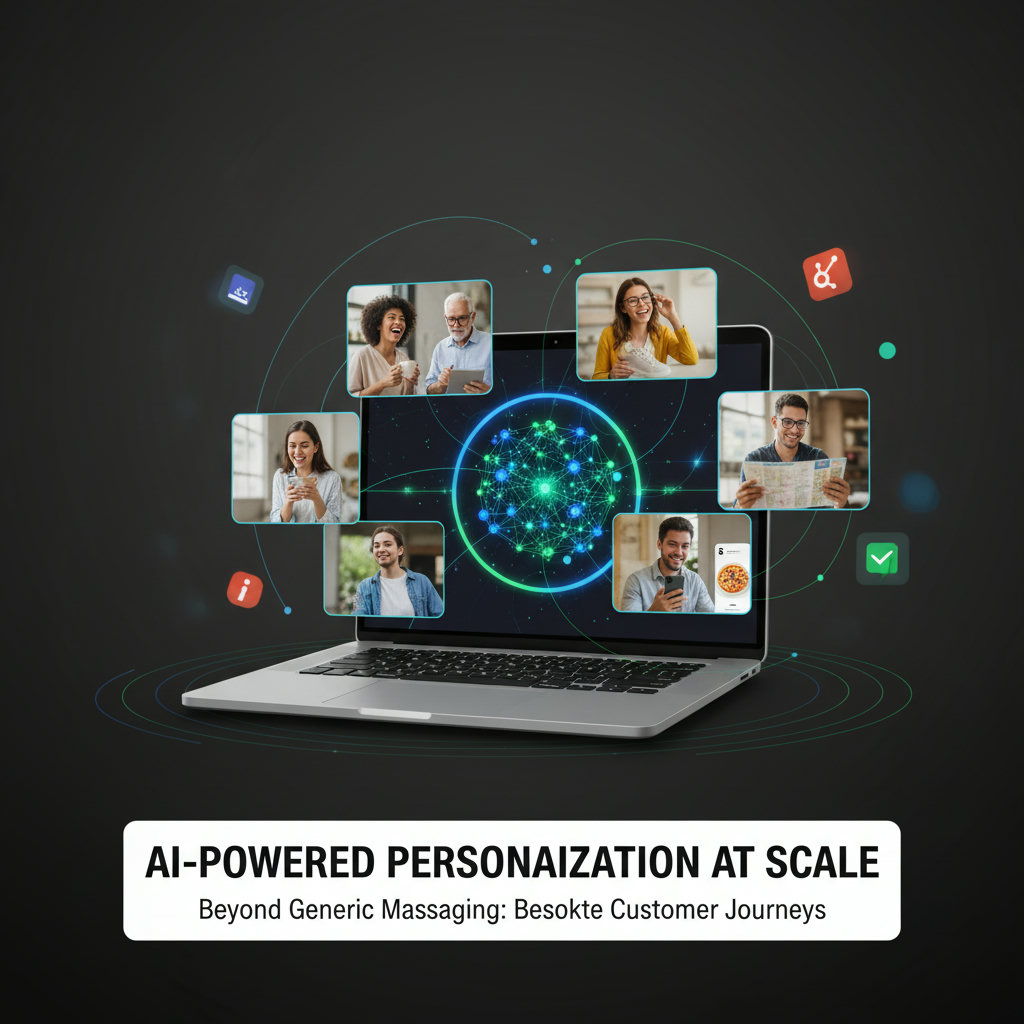
Remember when personalized marketing meant inserting a customer’s first name into an email? Not anymore! AI takes personalization to a whole new level, creating hyper-relevant experiences across every touchpoint. By analyzing individual behaviors, preferences, and historical data, AI can dynamically adjust website content, recommend products, tailor ad creatives, and even optimize the timing of communications. This isn’t just about convenience; it’s about building deeper connections and fostering loyalty. It makes customers feel seen, understood, and valued, moving beyond generic messaging to a bespoke journey designed just for them.
Data-Driven Decision Making
Gone are the days of relying solely on intuition or anecdotal evidence. AI transforms marketing into a truly data-driven discipline. With its ability to process and interpret massive datasets, AI uncovers hidden patterns, predicts future trends, and identifies optimal strategies. Want to know the best time to send an email, the most effective ad platform, or which customer segment is most likely to convert? AI can provide the answers with unparalleled accuracy. This predictive power allows marketers to allocate resources more efficiently, optimize campaigns in real-time, and make strategic decisions backed by solid evidence. The result? Higher ROI and a clearer understanding of what truly moves the needle.
Enhanced Content Creation & Distribution
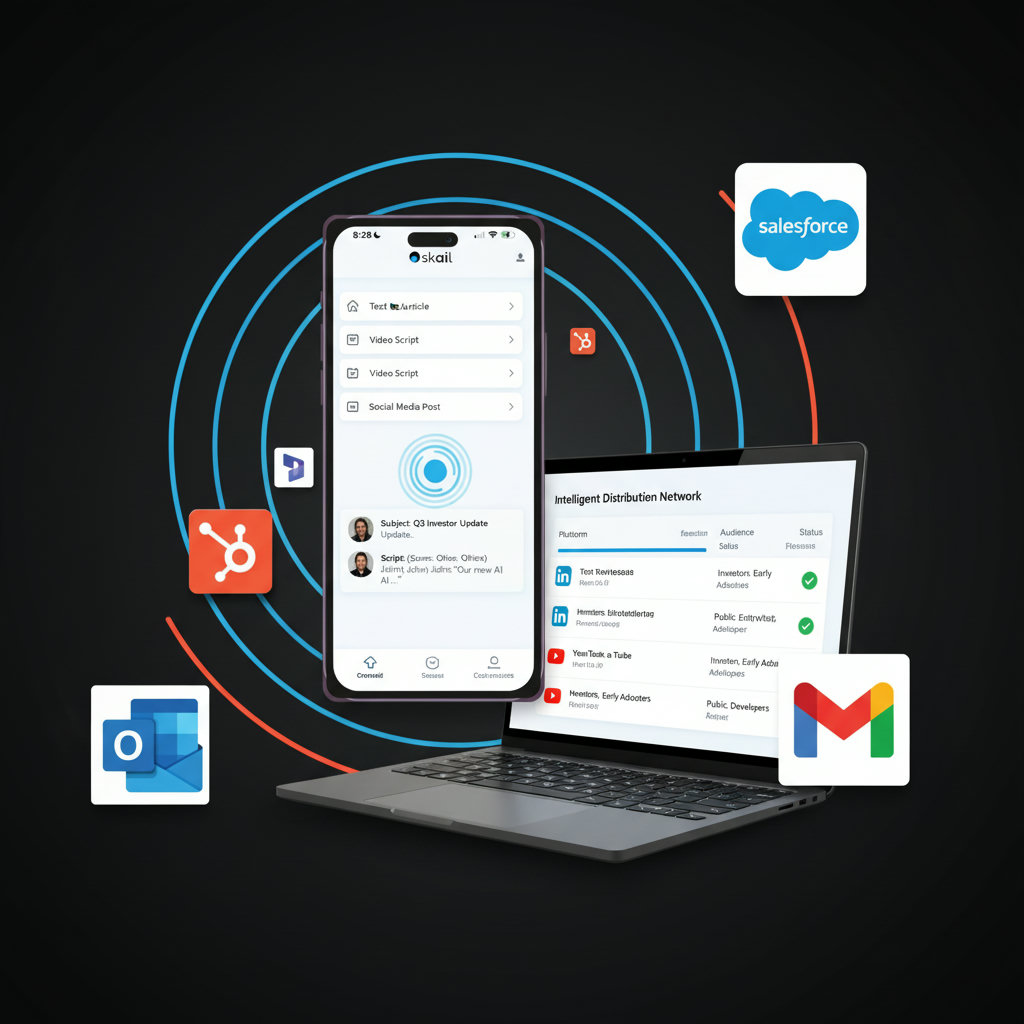
Ah, content! It’s the lifeblood of modern marketing, isn’t it? But crafting a content strategy that actually works – one that consistently delivers results, resonates with your audience, and doesn’t feel like you’re constantly chasing your tail – that’s often the elusive, slippery commodity. AI is stepping up to revolutionize both content creation and distribution. From generating engaging headlines and drafting email copy to transcribing videos and summarizing lengthy reports, AI-powered tools are becoming invaluable co-creators. On the distribution front, AI optimizes where, when, and to whom your content is shown, ensuring it reaches the right eyes at the right moment. This leads to reduced content creation costs, increased engagement, and a more efficient overall content strategy.
AI for Specific Marketing Verticals
The applications of AI are diverse, and it’s truly shining within specific marketing niches, solving very particular pain points and opening up new opportunities.
AI in B2B Marketing
Ah, the daily grind of B2B marketing! It’s a world where every lead is a treasure, every campaign a meticulous operation, and every hour spent on manual tasks feels like a missed opportunity to connect with your ideal customer. You spend hours, nay, days, trawling through LinkedIn profiles, company websites, and industry reports. You craft personalized messages, analyze endless data spreadsheets, and then, the follow-ups – the “Hey, just checking in!” messages that haunt your dreams. AI for B2B marketing is your new secret weapon. It amplifies your reach and ROI by automating lead qualification, personalizing outbound communication at scale, and identifying the most promising accounts. AI can even predict which prospects are most likely to convert, allowing B2B marketers to focus their efforts where they’ll have the greatest impact.
Agile AI Marketing Blueprints
Many businesses grapple with their marketing efforts. They churn out blog posts, social updates, and videos, only to wonder why their efforts aren’t translating into tangible growth. Sound familiar? You’re not alone. The problem often isn’t a lack of effort, but a lack of an agile, well-defined blueprint. And in today’s fast-paced digital world, leveraging tools like AI powered marketing is key. Agile AI marketing blueprints emphasize flexibility, rapid iteration, and continuous optimization using AI insights. This means using AI to quickly analyze campaign performance, identify opportunities for improvement, and adapt strategies on the fly. It’s about moving from rigid annual plans to dynamic, responsive marketing that stays ahead of market shifts and customer needs.
Employee Advocacy & AI
What if your most valuable marketing asset isn’t an ad campaign, but your own employees? Harnessing the authentic voices of your team through employee advocacy can dramatically boost brand reach, credibility, and engagement. And when you combine this with AI? You get a powerful, scalable solution. Platforms offering AI employee advocacy empower businesses to curate shareable content, guide employees on best posting practices, and analyze the impact of their shared content. AI can help identify internal brand ambassadors, personalize content recommendations for employees, and track the overall ROI of advocacy programs. This strategy creates a network of trusted voices, enhancing brand trust and reaching new audiences in an authentic, scalable way. With platforms boasting over 15,000 users, the effectiveness of AI-powered employee advocacy is clear.
Challenges and Ethical Considerations in AI Marketing
While the benefits of AI in marketing are undeniable, it’s crucial to approach its implementation with a clear understanding of the challenges and ethical responsibilities involved. Technology is a tool, and like any powerful tool, it requires careful handling.
Data Privacy & Security
AI thrives on data, but this reliance brings significant concerns around privacy and security. As AI systems collect and analyze vast amounts of personal information, businesses face increased scrutiny regarding data handling practices. Compliance with regulations like GDPR and CCPA becomes paramount. Ensuring robust data encryption, secure storage, and transparent data usage policies are not just legal requirements but fundamental principles for building customer trust. A breach or misuse of data can have catastrophic consequences for a brand’s reputation.
Algorithmic Bias
AI systems learn from the data they’re fed, and if that data contains historical biases, the AI will perpetuate and even amplify them. This “algorithmic bias” can lead to discriminatory outcomes in marketing, such as misrepresenting certain demographics in ad campaigns or unfairly targeting (or excluding) specific customer groups. For example, if training data primarily reflects male preferences for a product, an AI might inadvertently ignore female audiences. Addressing this requires diverse and representative datasets, diligent monitoring of AI outputs, and proactive efforts to identify and mitigate biases.
Maintaining Human Oversight
As AI becomes more sophisticated, there’s a risk of over-reliance on its decisions. While AI can automate tasks and provide insights, it lacks human intuition, empathy, and ethical reasoning. Maintaining human oversight is critical to ensure that AI-driven marketing campaigns align with brand values, ethical guidelines, and overall business objectives. Human marketers must remain in the loop, providing strategic direction, interpreting AI outputs, and intervening when necessary. The goal isn’t to replace human creativity, but to augment it with AI’s analytical power. The best AI powered marketing solutions are those where humans and AI collaborate seamlessly.
Future-Proofing Your Marketing with AI
The future isn’t just coming; it’s already here, largely powered by AI. For marketers looking to thrive, ignoring this shift isn’t an option. Instead, it’s about embracing the change and strategically integrating AI into your DNA.
Adopting a Proactive AI Strategy
Don’t wait for your competitors to leverage AI; become a pioneer. Adopting a proactive AI strategy means more than just dabbling with a few tools. It involves a systematic approach to identifying areas where AI can create the most impact, investing in the right technologies, and training your team. This might mean dedicating resources to exploring new AI-powered platforms, running pilot projects, and engaging with AI thought leaders. It’s about building a culture that understands and embraces the potential of AI to drive innovation and competitive advantage. Being proactive ensures you’re shaping the future, not just reacting to it.
Continuous Learning & Adaptation
The landscape of AI is evolving at an exhilarating pace. New algorithms, tools, and applications emerge constantly. To future-proof your marketing with AI, continuous learning and adaptation are non-negotiable. This means fostering a learning environment within your team, encouraging experimentation, and staying abreast of the latest advancements. Attend webinars, read industry publications, and engage with the AI community. The marketers who will succeed are those who treat AI not as a static solution, but as an ever-changing field that requires ongoing engagement and a willingness to pivot strategies as new opportunities arise. As McKinsey highlights, continuous evolution is key.
Integrating AI with Existing Workflows
The true power of AI isn’t unleashed in isolation. It’s when AI tools are seamlessly integrated into your existing marketing workflows that they deliver maximum value. This means connecting AI platforms with your CRM, analytics dashboards, content management systems, and social media tools. The goal is to create a cohesive ecosystem where data flows freely, insights are accessible, and AI can automate tasks and inform decisions across the entire customer journey. Integration eliminates data silos, improves efficiency, and ensures that AI isn’t just an add-on, but a fundamental component of your marketing operations.
FAQ
What is AI powered marketing?
AI powered marketing refers to the use of artificial intelligence technologies, such as machine learning, natural language processing, and predictive analytics, to enhance and automate marketing tasks. This includes personalizing customer experiences, optimizing ad campaigns, generating content, and making data-driven decisions to improve efficiency and ROI.
How does AI personalize customer experiences?
AI personalizes experiences by analyzing vast amounts of individual customer data, including browsing history, purchase behavior, demographics, and preferences. Using these insights, AI can dynamically tailor website content, product recommendations, email campaigns, and ad creatives to match each customer’s specific needs and interests, creating a more relevant and engaging journey.
What are the main benefits of using AI in marketing?
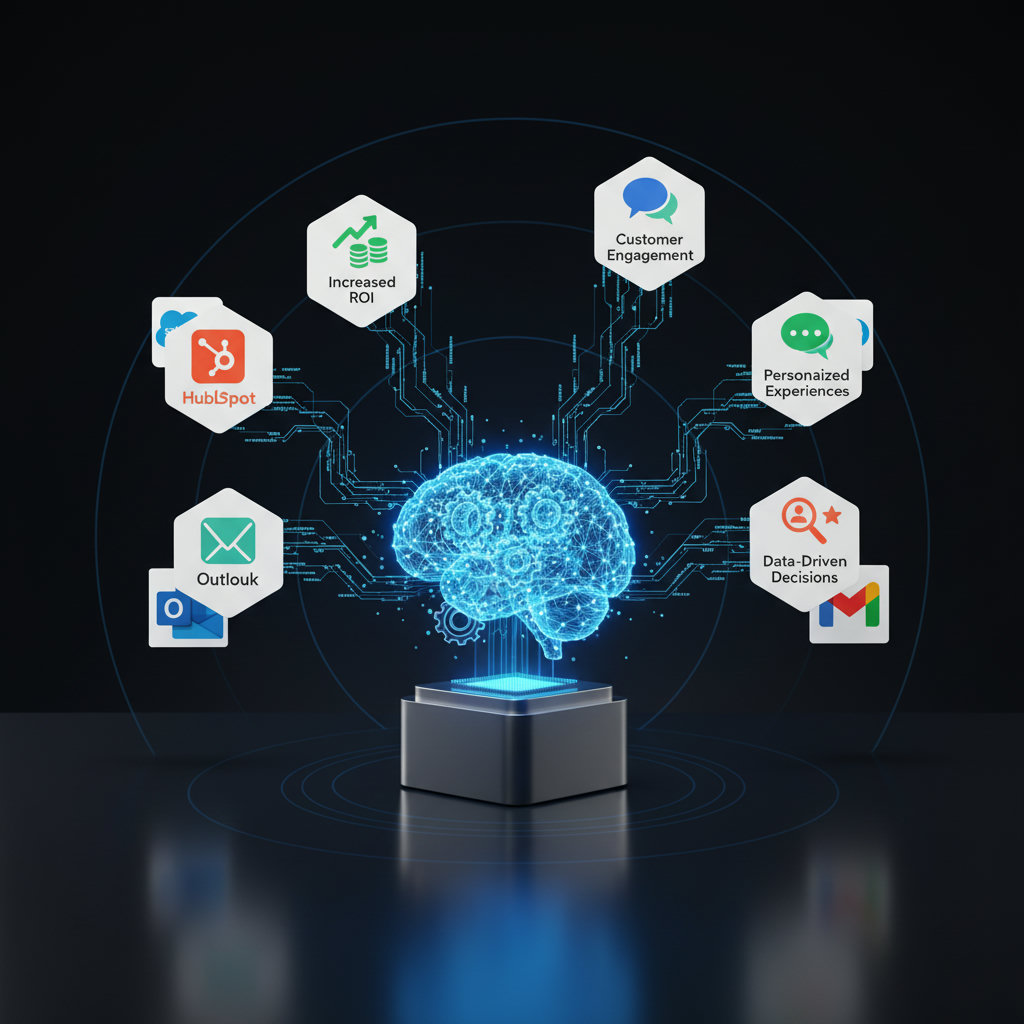
The main benefits of AI in marketing include improved efficiency through automation, enhanced personalization for stronger customer relationships, more accurate data-driven decision-making, better ROI on marketing spend, and the ability to scale marketing efforts without a proportional increase in manual labor.
What are the ethical concerns surrounding AI in marketing?
Key ethical concerns include data privacy and security, as AI systems often handle sensitive personal information. Another significant concern is algorithmic bias, where AI can perpetuate or amplify existing societal biases if not trained on diverse and representative data. Maintaining human oversight is crucial to ensure AI applications remain ethical and aligned with brand values.
Can small businesses leverage AI powered marketing?
Absolutely! While enterprise-level AI solutions can be complex, many accessible and user-friendly AI-powered tools are available for small businesses. These can help automate tasks like email marketing, social media scheduling, ad optimization, and basic analytics, allowing small businesses to compete more effectively with limited resources.
How can one get started with AI powered marketing?
To get started, identify specific pain points in your current marketing strategy where AI could offer a clear solution, such as content creation automation or ad optimization. Research and experiment with readily available AI tools, start with smaller pilot projects, and encourage continuous learning within your team to stay updated with evolving AI capabilities.