The Credibility Imperative: Why Trust Matters Now
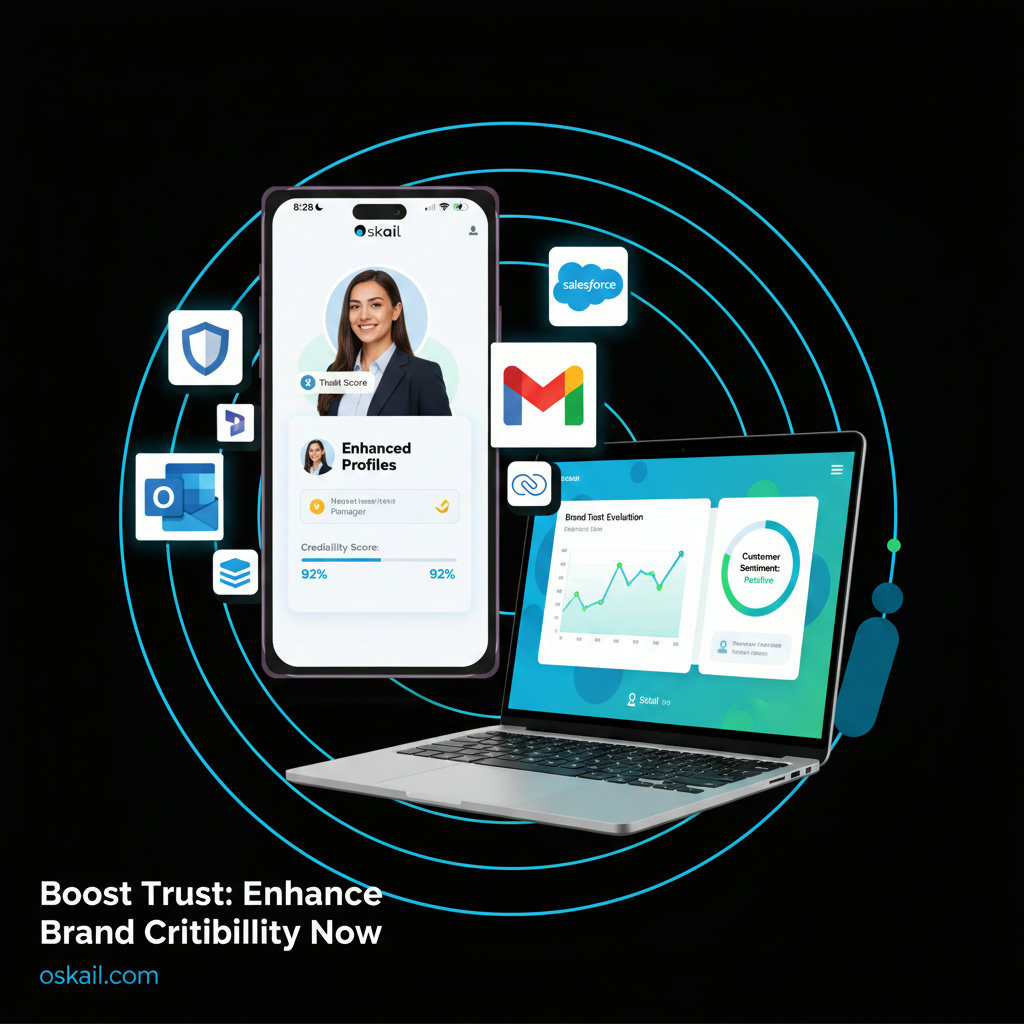
Ever wondered how some brands just _radiate_ trustworthiness? How they seem to effortlessly attract talent, delight customers, and become the talk of the town? It’s not magic, dear reader, though sometimes it feels pretty close! It’s often fueled by an incredible, yet frequently undervalued, force: their own employees. In today’s hyper-connected world, where trust is an elusive, slippery commodity, leveraging your workforce to enhance brand credibility isn’t just smart – it’s essential for sustained success.
The Digital Trust Deficit
Ah, the modern age! A time of unparalleled connection, instant information, and a perpetually buzzing pocket companion. It’s exhilarating, isn’t it? But sometimes, it feels less like a superpower and more like… well, a constant assault on our senses. We live in a world of constant connectivity. Our phones, tablets, and smartwatches are extensions of ourselves, pinging us with updates, news, and notifications at every turn. This constant influx of data leads to an information deluge – a never-ending stream where it’s increasingly difficult to discern truth from noise. Consumers are bombarded with advertisements, promotional content, and sponsored posts, leading to a palpable “trust deficit.” Who can blame them for being skeptical? Every brand claims to be the best, the most innovative, the most customer-centric. But where’s the proof? Where’s the authenticity that cuts through the marketing fluff?
Authenticity as Currency
In this cluttered digital landscape, authenticity isn’t just a buzzword; it’s the new currency of connection. People crave genuine interactions and honest perspectives. They’re wary of polished corporate jargon and overly-produced campaigns. They want to hear from real people, with real experiences. This is precisely why the voices within your organization hold so much power. When an employee shares their passion for what they do, their belief in the company’s mission, or their positive experience with a product, it resonates differently. It’s not a paid advertisement; it’s a personal endorsement. It’s a human voice vouching for the brand, and that, my friend, is priceless. It’s the kind of genuine interaction that helps to enhance brand credibility far more effectively than any glossy brochure.
Employee Voices Over Traditional Ads
Let’s be real, who truly trusts an advertisement anymore? Study after study confirms that consumers place significantly more trust in recommendations from people they know, and even in online opinions from other consumers, over traditional advertising. Your employees are your most credible advocates. They are the living embodiment of your brand culture, your values, and your mission. When they share company news, express pride in their work, or highlight a new initiative, it’s perceived by potential customers, partners, and future hires as more credible and authentic. It acts as a powerful third-party validation that traditional marketing simply can’t replicate. This isn’t just about reach; it’s about depth of impact and the power to truly enhance brand credibility.
Employee Advocacy: Your Untapped Superpower
So, if authentic voices are the currency, how do you mint that currency effectively and consistently? Enter employee advocacy – your brand’s secret weapon, often hiding in plain sight.
Defining Employee Advocacy
Simply put, employee advocacy is the promotion of an organization by its workforce. It’s when employees voluntarily share positive information about their company – its products, services, culture, and achievements – on their personal social media channels, at industry events, or through word-of-mouth. But it’s more than just sharing; it’s about empowering them to be brand ambassadors, providing them with the tools, confidence, and content to effectively represent the company. It’s a symbiotic relationship where employees feel valued and informed, and in turn, they become the most trusted communicators of your brand message.
Beyond Social Sharing
Now, before you envision a mandatory corporate tweet-a-thon, let’s clarify: employee advocacy goes far beyond merely asking staff to share company posts. While social sharing is a component, true advocacy encompasses a broader spectrum of engagement. It’s about employees actively participating in industry conversations, contributing to thought leadership, providing testimonials, mentoring new hires, or even serving on community boards under the company’s banner. It’s about fostering an environment where employees are genuinely proud to represent their organization in various capacities. This organic, multifaceted engagement is what builds a robust reputation and truly helps to enhance brand credibility. For more insights into the psychological impact of advocacy, consider exploring research from reputable institutions like the American Psychological Association.
The Ripple Effect of Internal Trust
Think of it this way: a happy, engaged employee is a credible employee. When your workforce feels valued, respected, and invested in the company’s success, that positive energy radiates outward. This internal trust creates a powerful ripple effect. Employees who trust their leadership are more likely to speak positively about the company. This, in turn, fosters a stronger sense of loyalty and belief amongst external stakeholders. It’s a virtuous circle where trust begets trust, ultimately fortifying your reputation and making it easier to enhance brand credibility. The foundation of external credibility is built upon internal belief.
Benefits of Empowering Your Workforce
Okay, so it sounds great in theory, but what are the tangible benefits of harnessing this internal energy? Spoiler alert: there are many!
Enhanced Brand Image
This is the big one, isn’t it? A strong employee advocacy program directly translates into a more positive and authentic brand image. When your employees become vocal champions, they humanize your brand. They offer a behind-the-scenes look, sharing stories and insights that generic marketing campaigns simply can’t provide. This creates a more relatable and trustworthy perception in the eyes of consumers, partners, and job seekers. A diverse chorus of employee voices speaks volumes more than a single corporate announcement, and is a proven method to enhance brand credibility. It signals to the world that your company isn’t just a faceless entity, but a vibrant community of passionate individuals.
Attracting Top Talent
In today’s competitive job market, attracting and retaining top talent is a constant challenge. Potential hires aren’t just looking at salary anymore; they’re scrutinizing company culture, values, and employee experience. Who better to showcase your company as an employer of choice than your current employees? Their authentic testimonials, shared experiences, and insights into the work environment are far more convincing than any recruitment brochure. By seeing real employees thrive and speak positively, the best candidates gain confidence in your organization’s reputation and culture, making it easier for you to attract and onboard the talent you need. This direct, peer-to-peer perspective is invaluable for employer branding and helps to enhance brand credibility in the talent acquisition sphere.
Boosting Sales and Engagement
Believe it or not, employee advocacy isn’t just about warm fuzzies – it impacts the bottom line. Content shared by employees often garners significantly higher engagement rates than content shared by official brand channels. These posts reach a wider, more diverse, and often more receptive audience – the employees’ personal networks. This increased visibility and engagement can lead to more leads, faster sales cycles, and improved customer loyalty. When customers see employees endorsing the products or services they work on, it adds an extra layer of assurance, helping them to make purchasing decisions with greater confidence. This organic reach and persuasive power directly contribute to a stronger market presence and serves to enhance brand credibility tangibly.
Implementing a Successful Advocacy Program
So, you’re convinced. Employee advocacy is the way to go. But how do you actually get started without turning it into another corporate chore?
Strategic Content Creation
The key to a thriving employee advocacy program lies in providing your team with compelling, easy-to-share content. This isn’t just about marketing materials. Think broader: industry news, company culture highlights, thought leadership pieces, employee spotlight stories, community involvement initiatives, and even behind-the-scenes glimpses. The content should be varied, interesting, and relevant to your employees’ networks. It should also be adaptable, allowing employees to add their own personal touch or commentary, making it truly authentic. Remember, forcing employees to share bland, corporate-speak will backfire. Empower them with content they genuinely want to share! For excellent examples of content strategy, check out industry leaders in B2B marketing via sources like the Harvard Business Review.
Training and Empowerment
An advocacy program isn’t a “set it and forget it” solution. It requires ongoing support and empowerment. This means training your employees on best practices for social media, explaining the “why” behind the program, and providing clear guidelines (while avoiding overly restrictive rules). Show them exactly how their advocacy contributes to the bigger picture. Celebrate their successes, provide feedback, and make it easy for them to participate. The more equipped and confident your employees feel, the more effective their advocacy will be. Transparency and trust are paramount here.
Measuring Impact and ROI
How do you know if your advocacy efforts are actually working? Measurement is crucial. Track key metrics such as reach, engagement rates, website traffic generated from employee shares, lead generation, and even sentiment analysis. Quantifying the impact of employee advocacy helps you refine your strategy, demonstrate ROI to leadership, and continually optimize your program to enhance brand credibility. This isn’t just about counting shares; it’s about understanding the qualitative and quantitative impact on your brand’s reputation and business objectives.
Skail: Magnifying Your Brand’s Authentic Voice
This all sounds like a lot of work, right? Coordinating content, tracking shares, ensuring compliance… That’s where smart tools come in. Imagine a platform that streamlines this entire process, allowing your unique essence and voice to shine through, amplified by over 15,000 trusted users.
Streamlining Employee Sharing
Forget endless email chains and scattered shared drives. Skail simplifies the entire process of employee content sharing. It provides an intuitive platform where approved content is readily available for your team to share across their networks with just a few clicks. This ease of use encourages participation and removes friction, meaning your employees can effortlessly become powerful brand advocates. It’s about empowering them, not burdening them, and ensuring that sharing company news is as simple as sharing a personal update.
Curated Content Distribution
With Skail, you have control over what content is distributed, ensuring brand consistency and message alignment. Curate a library of approved articles, videos, and updates that your employees can choose from. This ensures that every share aligns with your brand’s values and messaging, transforming every employee into a credible and consistent spokesperson. No more worrying about off-brand messaging; Skail ensures quality and relevance, letting your employees focus on what they do best – being authentic.
Analytics for Advocacy Growth
Beyond facilitation, Skail offers robust analytics to track the performance of your advocacy program. Measure reach, engagement, top-performing content, and even the most active advocates. These insights allow you to understand what resonates best with your audience and your employees, empowering you to refine your content strategy and maximize your program’s impact. With Skail, you’re not just hoping for success; you’re actively measuring and driving it, ensuring that your efforts truly enhance brand credibility. This intelligent AI employee advocacy platform turns guesswork into strategic action, transforming your employees into your most powerful marketing asset.
FAQ
What is employee advocacy and why is it important for brand credibility?
Employee advocacy is when employees promote their organization through their personal networks, sharing positive information about its products, services, and culture. It’s crucial because consumers trust employee voices more than traditional advertising, lending authenticity and humanizing the brand, thereby significantly enhancing brand credibility.

How does employee advocacy attract top talent?
Potential hires heavily scrutinize company culture and employee experience. When current employees share authentic, positive insights about their workplace, it creates a transparent and attractive image for prospective candidates. Their genuine endorsements are more convincing than corporate recruitment materials, helping to attract and secure top talent.

What kind of content should employees share for effective advocacy?
Effective advocacy content is varied and engaging. It includes industry news, thought leadership pieces, company culture highlights, employee spotlights, community involvement, and behind-the-scenes insights. The key is to provide content that employees genuinely find interesting and relevant to their networks, allowing them to add their personal touch.

Can employee advocacy directly boost sales?
Absolutely! Content shared by employees typically achieves higher engagement and reach than official brand channels. This expanded exposure to a more receptive audience can generate more leads, accelerate sales cycles, and build customer loyalty. When employees endorse their company’s offerings, it adds a layer of trust that encourages purchasing decisions.
What role do platforms like Skail play in employee advocacy programs?
Platforms like Skail streamline and optimize employee advocacy by providing a central hub for curated content, making it easy for employees to share across their networks. They also offer crucial analytics to track program performance, measure impact, and refine content strategies, ensuring brand consistency and maximizing the return on advocacy efforts to enhance brand credibility.