Navigating the New Frontier: Adapting to the AI & Automation Revolution
The future of work isn’t a distant, sci-fi concept anymore; it’s here, now, buzzing around us like a hyper-efficient digital bee. We’re talking about AI and automation, those transformative forces that are reshaping industries, redefining job roles, and generally making us all wonder: “What’s next?” This isn’t just about robots on the factory floor; it’s about algorithms in our inboxes, predictive analytics in our boardrooms, and AI employee advocacy tools changing how we connect and influence. It’s an exciting, slightly intimidating, and undeniably thrilling ride into uncharted territory. So, buckle up!
The AI & Automation Landscape
Ah, the AI & Automation Landscape – a dynamic terrain that’s evolving at a breathtaking pace. What was once science fiction is now the everyday reality for many, and it’s only accelerating. Understanding this landscape is the first step toward not just surviving but thriving in the new era. It’s all about staying ahead of the curve, embracing the changes, and leveraging them to our advantage.
Current State of Technology
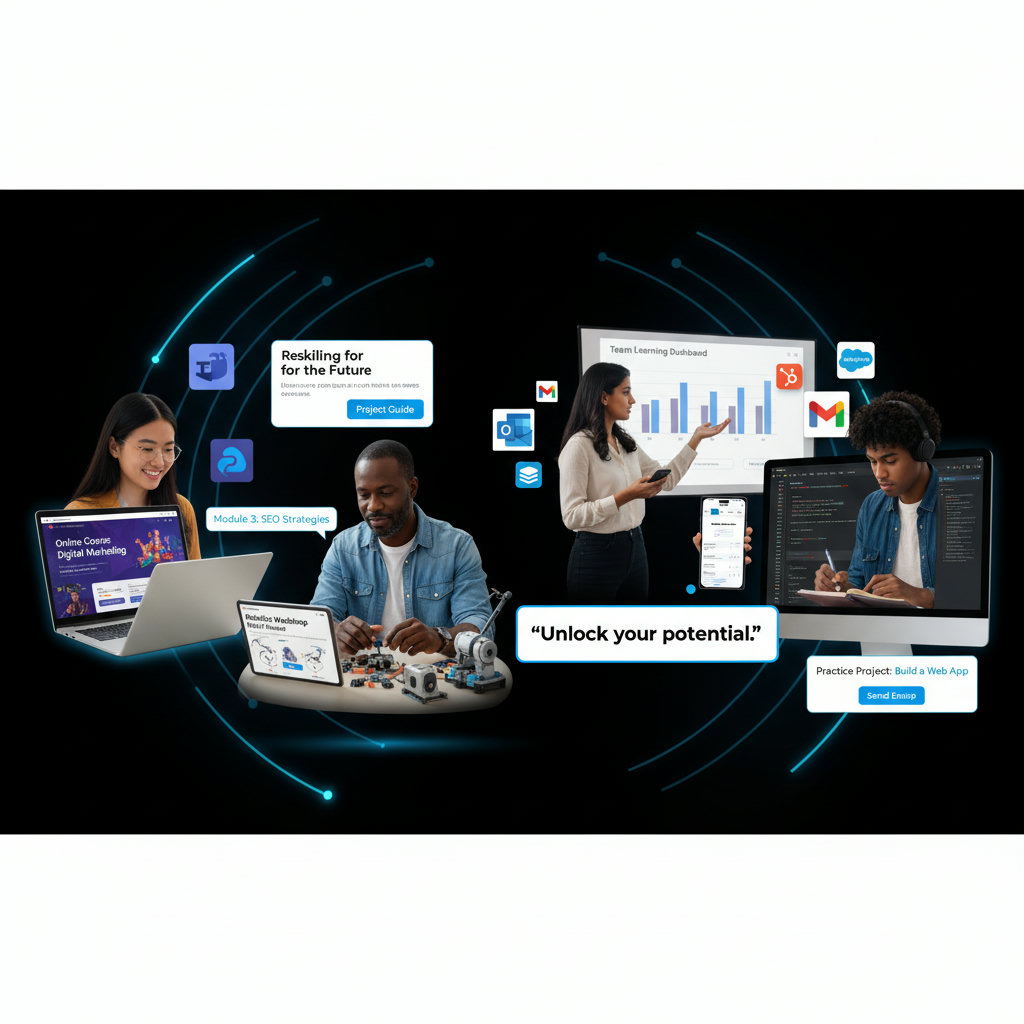
Let’s kick things off by peeking under the hood of current tech. We’re not just seeing incremental improvements; we’re witnessing monumental shifts that are fundamentally altering our capabilities. At the heart of this revolution are incredible advancements in Machine Learning. From natural language processing that allows us to converse with machines almost seamlessly, to computer vision that gives AI the gift of sight, these breakthroughs are powering everything from customer service chatbots to sophisticated medical diagnostics. And then there’s Robotics integration, moving beyond industrial arms to collaborative robots (cobots) working alongside humans, performing delicate tasks, and enhancing efficiency in ways we could only dream of a decade ago. This isn’t just about efficiency; it’s about expanding the very definition of what’s possible in numerous sectors.
Impact on Industries
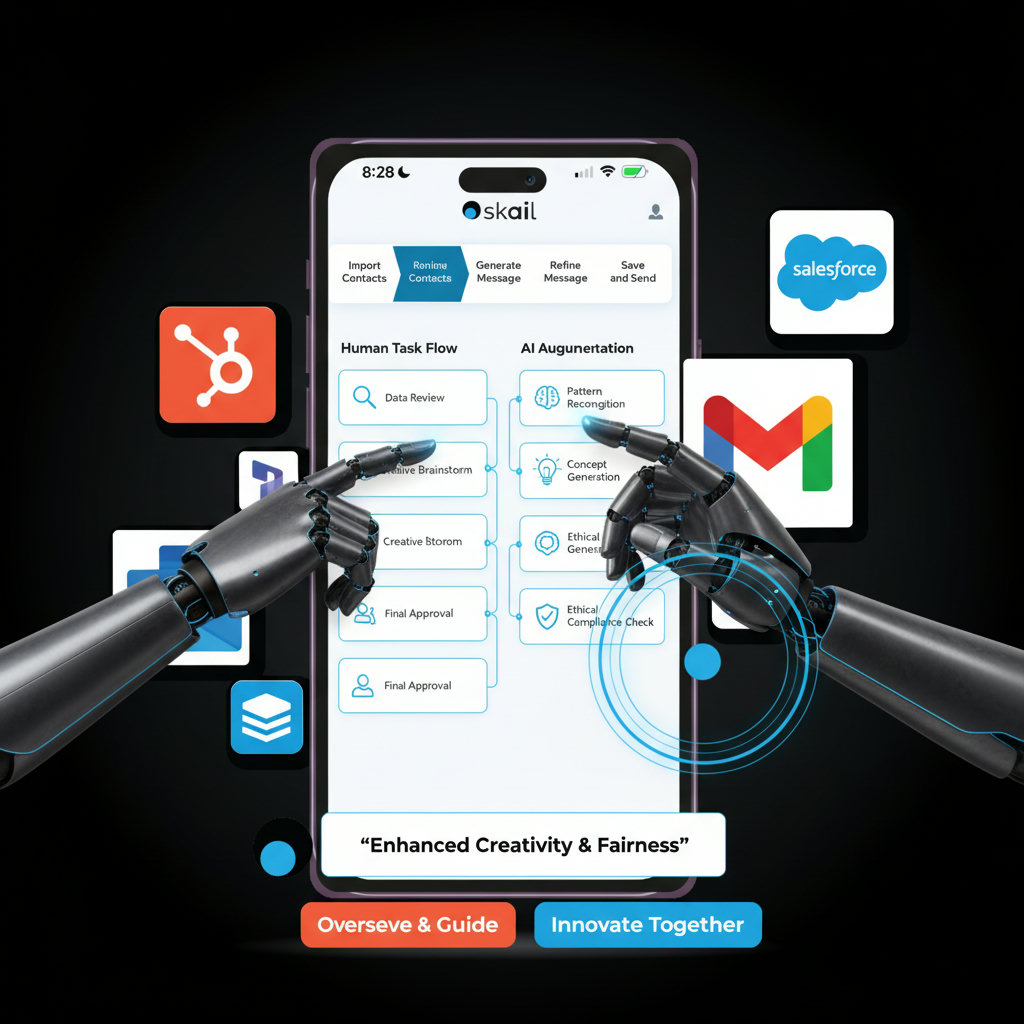
So, what does all this cutting-edge tech mean for the industries we know and work in? In a word: transformation. We’re observing substantial Disruption and transformation across nearly every sector. Manufacturing, logistics, healthcare, finance, and even creative fields are being reimagined. Old workflows are being streamlined, new services are emerging, and competitive landscapes are shifting dramatically. Think about how AI-driven analytics is changing stock trading, or how automated systems are optimizing supply chains. These are not minor tweaks; these are foundational shifts that demand new strategies and approaches. Each sector faces unique challenges and opportunities, leading to sector-specific changes that require a nuanced understanding and a proactive approach.
Workforce Displacement & Creation
Now, let’s address the elephant in the room: jobs. The concern about Job obsolescence is real, and it’s something we’ve been hearing about for decades. Yes, some routine, repetitive tasks and roles are being automated, leading to displacement. That’s an undeniable truth. However, and this is crucial, the same forces that displace also create. We’re seeing the emergence of new roles that didn’t exist even five years ago – AI trainers, data ethicists, robot maintenance technicians, and prompt engineers, to name a few. The key isn’t to fear displacement but to prepare for this shift, understanding that the nature of work is evolving, not disappearing. Embracing thought leadership AI helps anticipate these changes and guides strategy development.
Essential Skills for the AI Era
If the AI era is the new game, what skills do we need to be MVPs? It’s less about memorizing facts and more about cultivating uniquely human and adaptable capabilities. The landscape of necessary skills is changing, favoring ingenuity, critical thinking, and the ability to work synergistically with intelligent systems.
A. Cognitive and Soft Skills
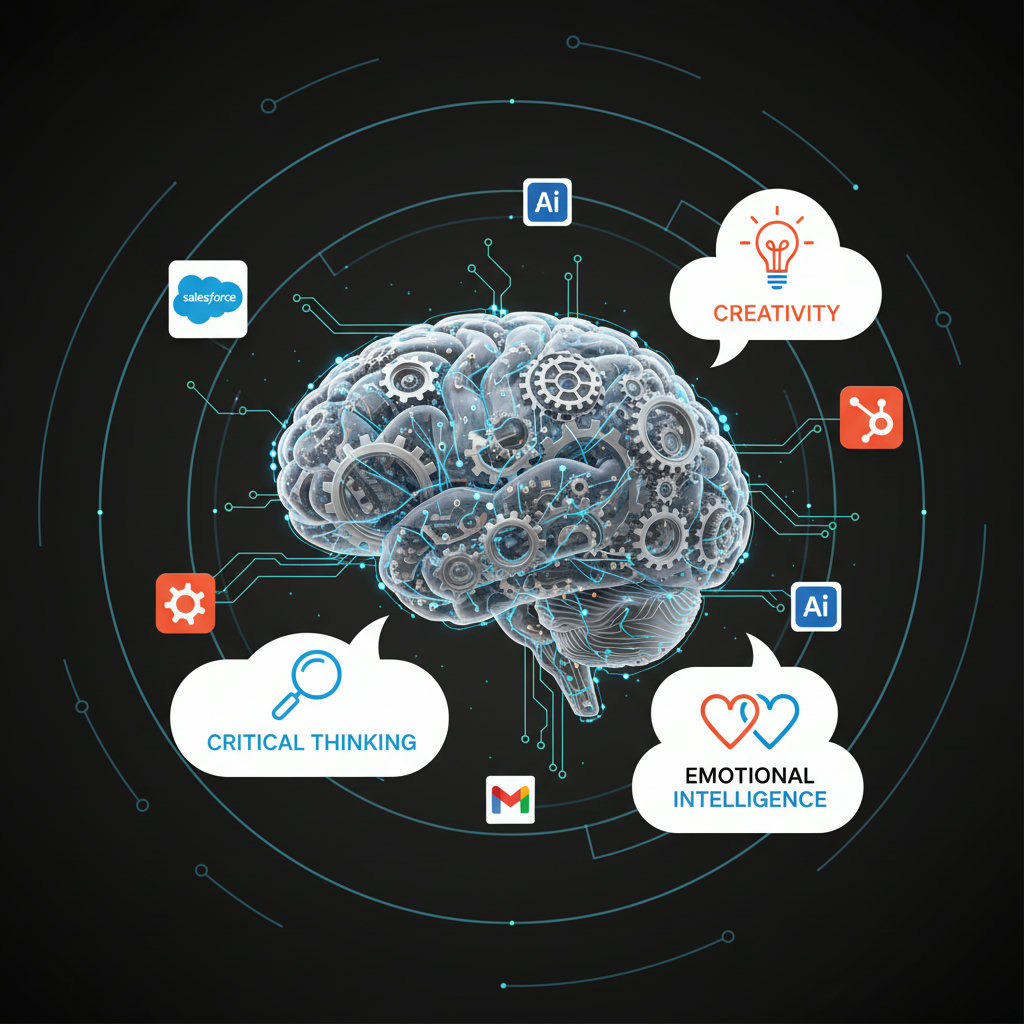
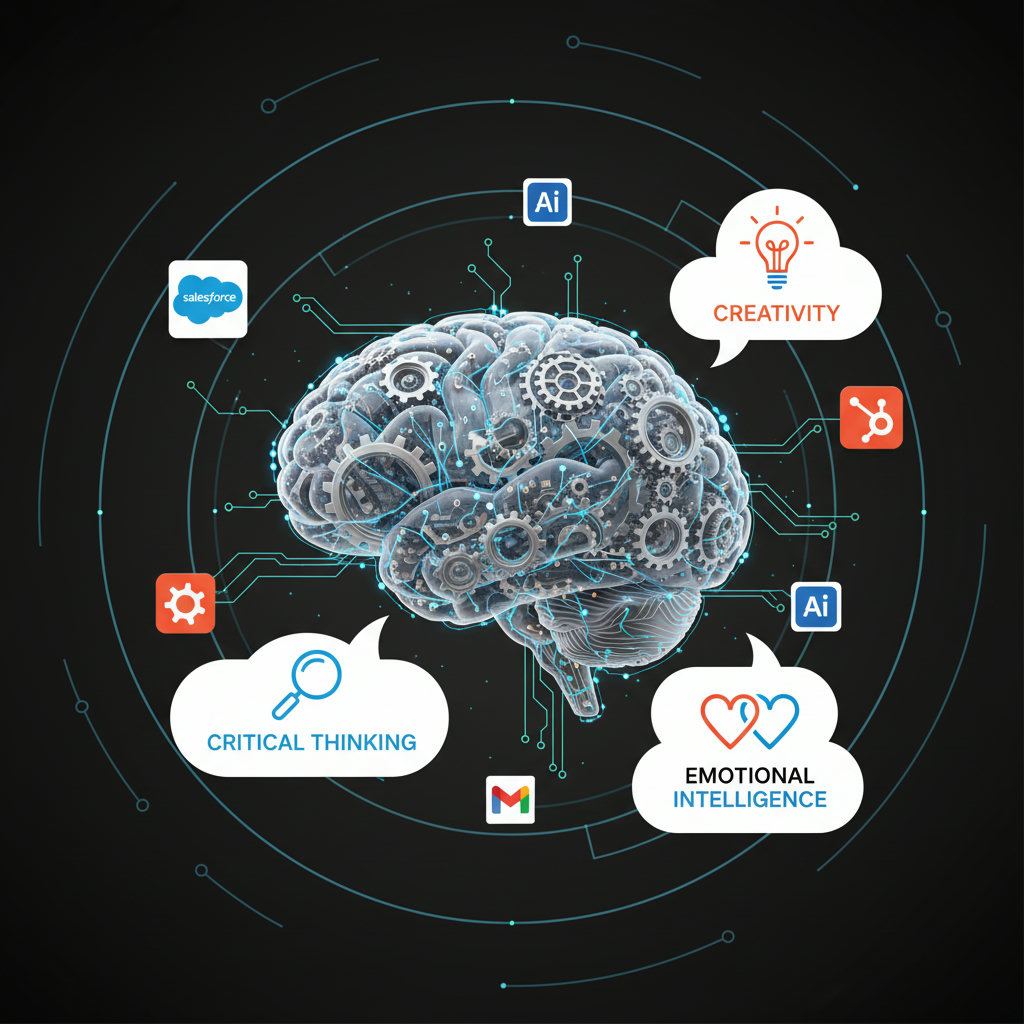
Forget the old adage, “hard skills first.” In the age of sophisticated algorithms, our distinctly human attributes are becoming our most valuable assets. Critical thinking is paramount – the ability to analyze complex situations, question assumptions, and make informed decisions, even when data is imperfect. Creativity & innovation are no longer bonuses; they are necessities. AI can process data, but it’s human ingenuity that conjures groundbreaking ideas and solutions. And then there’s Emotional intelligence – understanding and managing our own emotions and those of others. As human-AI collaboration grows, the ability to communicate, empathize, and lead will be more crucial than ever.
B. Digital Literacy & Technical Proficiency
While soft skills take center stage, a foundational grasp of the digital world is non-negotiable. We don’t all need to be coders, but understanding Data analysis fundamentals is increasingly vital. Being able to interpret data, recognize patterns, and make data-driven decisions empowers us in almost any role. Furthermore, familiarity with various AI tools – knowing what they can do, how to effectively use them, and their limitations – is becoming a core competency. This isn’t about becoming an AI guru overnight, but about being an informed user and collaborator with these technologies.
C. Adaptability & Lifelong Learning
If there’s one superpower for the AI era, it’s Adaptability. The pace of change means that what’s cutting-edge today might be obsolete tomorrow. Cultivating a Growth mindset – the belief that our abilities can be developed through dedication and hard work – is absolutely essential. This fuels Continuous skill development, viewing learning not as a finite process but as an ongoing journey. The most successful individuals and organizations will be those who embrace new knowledge, aren’t afraid to unlearn old ways, and constantly evolve.
Reshaping Education & Training
Given these seismic shifts, it’s clear our educational systems and professional training programs need a serious makeover. The old models simply won’t cut it. We need forward-looking approaches that prepare us for a future that’s already knocking at the door.
A. Curriculum Modernization
Our schools are the starting blocks, and their curricula need to reflect the demands of the AI age. This means a renewed emphasis on STEM (Science, Technology, Engineering, and Mathematics) fields, not just as isolated subjects but integrated and applied. More importantly, we need to foster Interdisciplinary studies. The problems of the future won’t fit neatly into single academic boxes; they’ll require collaborative thinking that blends technology with ethics, arts with engineering, and social sciences with data science. This holistic approach cultivates well-rounded thinkers ready for complex challenges.
B. Upskilling & Reskilling Initiatives
The workforce already out there needs support too! Upskilling & reskilling initiatives are crucial. Many companies recognize this and are investing heavily in Corporate training programs to equip their employees with new digital competencies and advanced skills. Beyond the corporate walls, Government-funded schemes are emerging globally, aiming to provide accessible training for those whose jobs are transitioning or who need to pivot into new careers. This collective effort ensures that the benefits of AI are broadly distributed, rather than concentrating advantages in a select few.
C. Learning Methodologies
How we learn is just as important as what we learn. Generic, one-size-fits-all education is fading. We’re moving towards Personalized learning paths, tailored to individual needs, paces, and career goals, often leveraging AI itself to recommend resources and track progress. Experiential learning – learning by doing, through simulations, apprenticeships, and project-based work – is also gaining prominence. This approach grounds theoretical knowledge in practical application, making learning more relevant and skills more immediately transferable.
The Evolving Workplace Structure
The workplace itself is undergoing a metamorphosis, driven by technology and a new understanding of productivity and human potential. It’s no longer just about desks and cubicles; it’s about dynamic environments that foster collaboration, agility, and innovation.
A. Hybrid & Remote Models
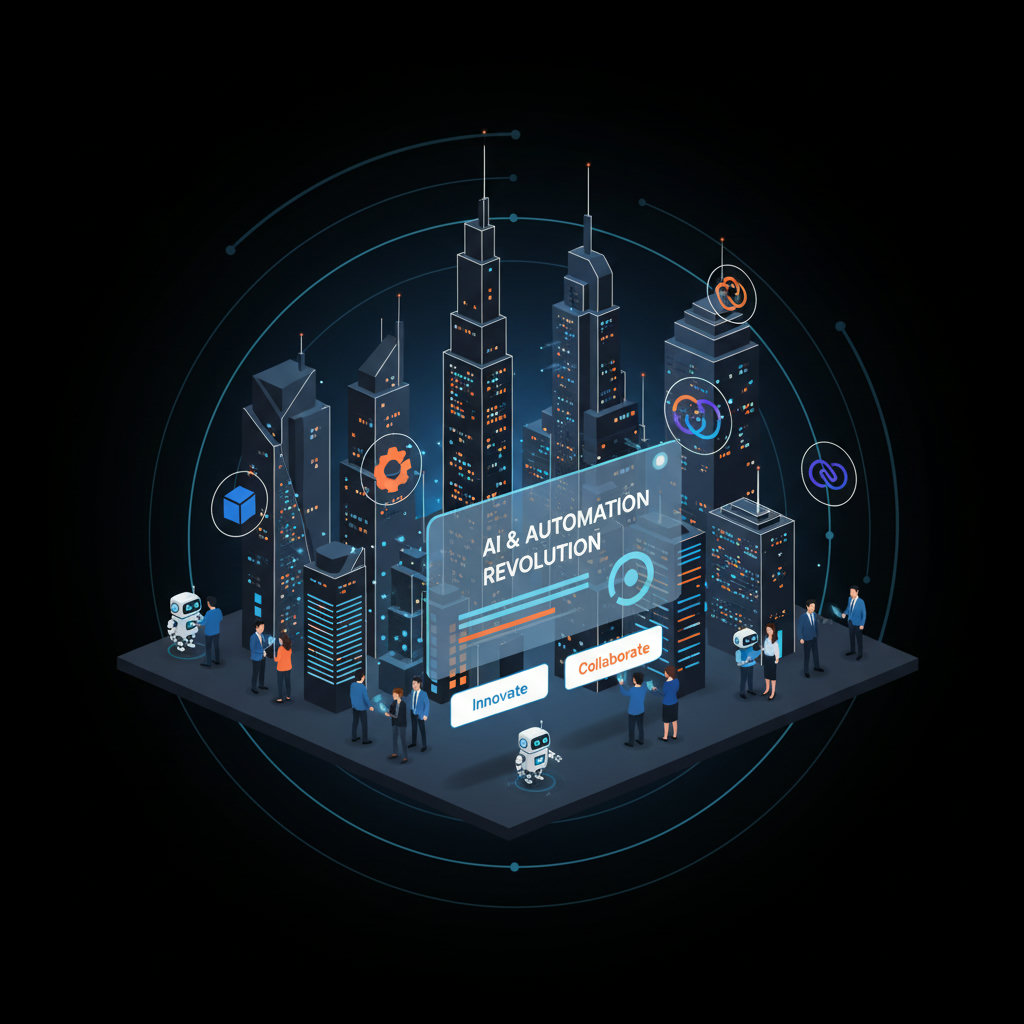
The pandemic accelerated a trend that was already bubbling: Hybrid & Remote Models. Many organizations now embrace a blend of office and home-based work, recognizing the Flexibility advantages this offers employees in terms of work-life balance and reduced commutes. This shift, while liberating, also brings Challenges in management, requiring new strategies for communication, team cohesion, and performance measurement. It’s a balancing act, but one that is redefining where and how work gets done. A strong communication strategy, potentially leveraging employee advocacy platforms, is vital for remote teams.
B. Human-AI Collaboration
This is where the magic truly happens. Not humans versus AI, but humans with AI. We’re moving into an era of Human-AI collaboration, where AI Augments human capabilities. AI handles the repetitive, data-intensive tasks, freeing up humans for creativity, strategic thinking, and complex problem-solving. Think of AI as a super-powered assistant, not a replacement. However, this raises critical Ethical considerations. How do we ensure fairness, transparency, and accountability when humans and machines work together? Establishing clear guidelines and thoughtful integration practices is paramount.
C. Organizational Agility & Innovation
In this rapidly changing environment, a static organization is a dying organization. Organizational Agility & Innovation are non-negotiable. This means the capacity for Rapid adaptation, quickly pivoting strategies, processes, and even business models in response to new market demands or technological shifts. It also necessitates fostering a Culture of experimentation, where trying new things, learning from failures, and continuously improving are celebrated, not feared. The future belongs to those who can learn and evolve fastest.
Policy & Ethical Considerations
As we race ahead with technological advancements, it’s crucial to pause and consider the broader societal implications. The AI revolution isn’t just a technical challenge; it’s a moral and ethical one that requires careful thought and collective action.
A. Economic & Social Equity
One of the biggest concerns is how AI will impact Economic & Social Equity. If automation displaces jobs without creating viable alternatives or support systems, we risk widening inequality. This is why discussions around Universal Basic Income (UBI) are gaining traction – exploring ways to provide a safety net in a highly automated future. Beyond UBI, robust Social safety nets are essential to ensure that no one is left behind in this transition. Thought leadership AI must consider these broader societal impacts.
B. Data Privacy & Security
With AI systems consuming vast amounts of data, Data Privacy & Security become paramount. Who owns the data? How is it protected? How is it used? These questions necessitate stronger Regulatory frameworks that protect individual rights and prevent misuse. Furthermore, we must commit to Responsible AI development, building systems that are secure by design, transparent in their operations, and respectful of privacy.
C. Future Governance & Regulation
The global nature of AI demands more than just national policies. Future Governance & Regulation will require unprecedented International cooperation to create consistent standards and ethical guidelines. We need to develop clear Ethical AI guidelines that address issues like algorithmic bias, autonomous decision-making, and the impact of AI on human autonomy and dignity. This is a complex dance between innovation and regulation, ensuring that technology serves humanity’s best interests. It’s about shaping a future where AI is a force for good, guided by wisdom and foresight. 🥂
FAQ Section
What is thought leadership AI?
Thought leadership AI refers to the strategic use of artificial intelligence tools and insights to establish an individual or organization as an authority and innovator within their industry. This can involve using AI for deep market analysis, content generation, trend prediction, and audience engagement, positioning the entity as a forward-thinker and expert.
How can individuals prepare for job changes due to AI?
Individuals can prepare for job changes by focusing on developing essential human skills like critical thinking, creativity, emotional intelligence, and adaptability. Additionally, acquiring digital literacy, basic data analysis skills, and familiarity with prevalent AI tools will be crucial. Continuous learning and upskilling through online courses, certifications, and experiential learning are key.
What are the benefits of human-AI collaboration in the workplace?
Human-AI collaboration leverages the strengths of both humans and machines. AI excels at repetitive tasks, data processing, and pattern recognition, freeing humans to focus on complex problem-solving, creative tasks, strategic thinking, and interpersonal interactions. This leads to increased efficiency, innovation, improved decision-making, and new opportunities for growth.
What ethical concerns are raised by the widespread adoption of AI?
Widespread AI adoption raises several ethical concerns, including potential job displacement, algorithmic bias in decision-making, data privacy and security issues, the potential for autonomous systems to make critical decisions, and questions of accountability when errors occur. Ensuring fairness, transparency, and human oversight in AI development and deployment is critical.
How will education systems need to change to adapt to the AI era?
Education systems must undergo significant curriculum modernization, emphasizing STEM subjects and fostering interdisciplinary studies to address complex real-world challenges. Learning methodologies should shift towards personalized learning paths and experiential learning, preparing students not just with knowledge, but with practical skills and the adaptability required for continuous learning throughout their careers.