The Overwhelming Content Landscape
Ah, time! That elusive, slippery commodity we all chase, especially when trying to land that dream client or nurture a crucial partnership. You know the drill: the endless cycle of prospect research, crafting personalized outreach, scheduling calls that get rescheduled five times, and then – the dreaded follow-ups. The “Hey, just checking in!” messages that haunt your dreams. It’s a grind, isn’t it? A necessary evil, some might say, but what if there was another way? A smarter way to harness the power of connection without sacrificing your sanity or your coffee breaks? This is where understanding the true potential of thought leadership AI comes into play.
The “More is More” Fallacy
We’ve all been there, swept up in the current of “more.” More content, more posts, more emails, more webinars. The digital landscape often whispers, or rather, shouts, that quantity is king. But let’s be honest, how often do you find yourself truly engaging with every piece of content that crosses your path? As a B2B buyer in today’s saturated market, you’re hit with a tidal wave of information daily – reports, vendor decks, inbox pitches, much of it sounding identical. This isn’t just content fatigue for your audience; it’s also a drain on your limited time and resources. Churning out endless articles or videos just to fill a quota rarely leads to genuine impact. It’s like trying to fill a bathtub with a leaky faucet – you’re putting in a lot of effort, but not getting the desired result.
The Need for Strategic Simplification
So, if “more” isn’t the answer, what is? It’s about strategic simplification. It’s about cutting through the noise that drowns out so many well-intentioned messages. In this frenetic pace, the idea of producing more and more content can feel overwhelming, right? But what if the secret to truly resonating with your audience wasn’t about doing more, but about doing _less_? This isn’t just about simplification; it’s about a fundamental shift in how we approach thought leadership. We need to be surgical in our approach, delivering insights that are so potent, so relevant, that they demand attention. This means focusing on quality over quantity, ensuring every piece of content serves a distinct purpose and deeply resonates with your target audience.
Defining Minimalist Thought Leadership
Minimalist thought leadership isn’t about being silent. Far from it! It’s about being profoundly impactful, making every word, every insight, every piece of content count. It’s a philosophy that champions depth over breadth, focusing your energy where it will yield the most significant results.
Core Principles
At its heart, minimalist thought leadership operates on a few crucial principles. First and foremost, it’s about quality over quantity. Instead of scattering your efforts across dozens of generic posts, you concentrate on creating a few, truly exceptional pieces that offer unique value. Think of it as crafting a gourmet meal rather than a fast-food spread. Second, it’s about delivering targeted insights. This isn’t broad-stroke advice; it’s precision-guided wisdom aimed directly at your audience’s most pressing challenges and deepest curiosities. It’s about being the guide who doesn’t “sell” first, but _guides_ first, earning trust long before a formal sales conversation begins.
Shifting from Volume to Value
This strategic shift from volume to value is transformational. When a brand consistently shares original insight, data-driven perspectives, and practical recommendations, decision-makers start to _trust_ that brand. This trust is the holy grail in B2B. It’s built not by echoing what everyone else is saying, but by offering original perspectives that challenge, educate, and empower. It’s about providing data-driven recommendations that are backed by credible research and real-world applicability, showcasing your expertise as a problem-solver, not just a product peddler. This approach ensures your thought leadership isn’t just consumed, but _internalized_ and _acted upon_.
AI’s Role in Streamlining Thought Leadership
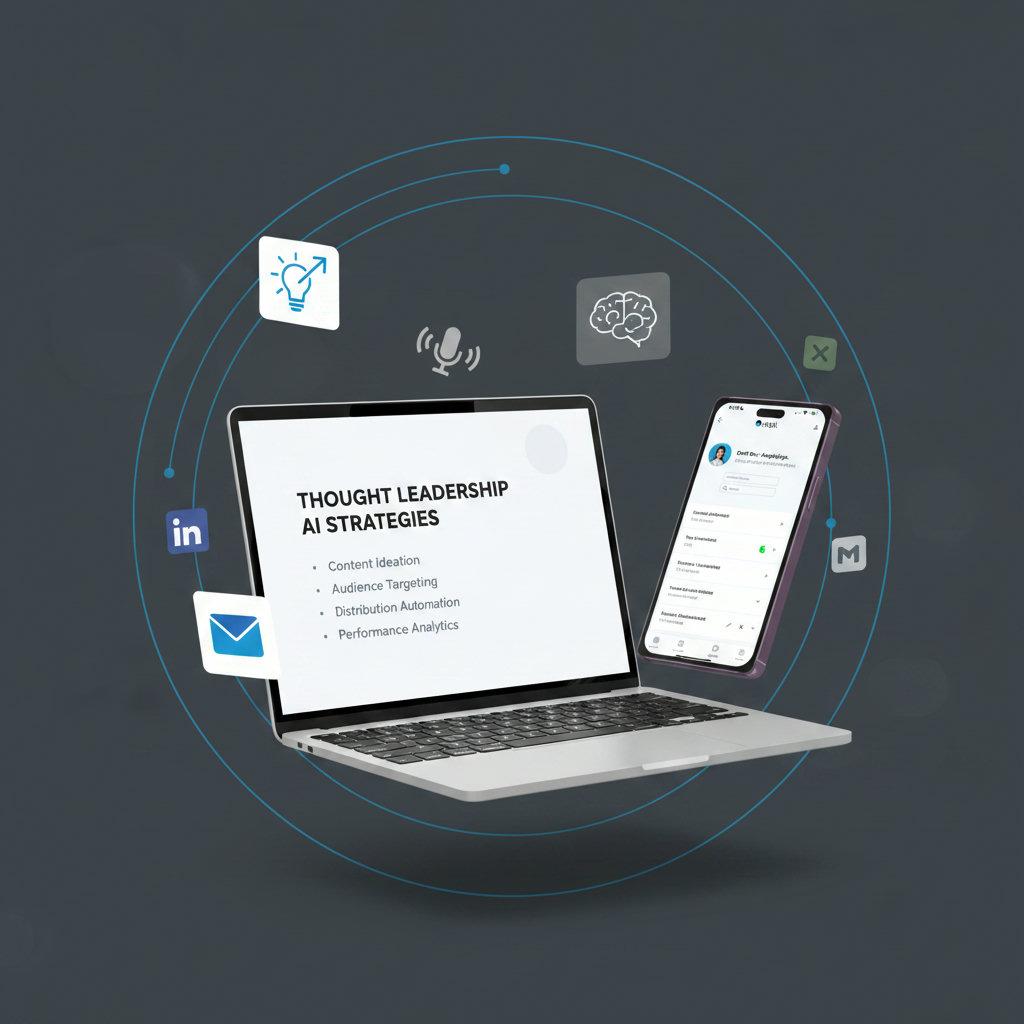
Alright, so the idea of “less is more” for thought leadership sounds appealing, but how do we achieve that level of precision and impact without spending all our waking hours in deep research? Enter thought leadership AI. It’s not about replacing human ingenuity, but amplifying it, turning your strategic intentions into tangible, powerful content.
Automating Content Identification
Imagine having a digital detective working tirelessly in the background, sifting through mountains of data to find the golden nuggets. That’s what AI can do for content identification. It can perform sophisticated trend analysis, spotting emerging topics, shifts in sentiment, and what your competitors are really talking about before it becomes mainstream. This allows you to jump into conversations proactively, positioning your brand at the forefront of innovation. Moreover, AI excels at unearthing crucial audience insights. It can analyze discussions across social media, forums, and customer interactions to pinpoint specific pain points, questions, and desires your target audience has. No more guessing games; AI provides the data to inform your minimalist, high-impact content strategy, ensuring every piece you create is a bullseye.
Enhancing Employee Advocacy Programs
But the power of thought leadership isn’t just in what _your brand_ says; it’s also in what your _people_ say. This is where AI truly shines in enhancing employee advocacy programs. Instead of relying on manual content sharing or generic posts, AI can help curate and suggest relevant, brand-aligned content tailored to each employee’s unique network and expertise. This is the essence of AI employee advocacy – empowering your team to become authentic, authoritative voices. It ensures that each advocate shares content that genuinely reflects their unique essence and voice, creating a more diverse and credible amplification of your brand’s message. It’s about turning your employees into genuine thought leaders, not just reposting bots, further extending your brand’s reach and impact organically.
Crafting Impactful Minimalist Content
With AI doing the heavy lifting of identifying trends and empowering your advocates, you can now focus your creative energy on crafting content that truly hits home. Minimalist content isn’t just about brevity; it’s about potency.
Focusing on Key Pain Points
The most impactful thought leadership doesn’t just inform; it solves. It starts by focusing on key pain points that keep your audience up at night. Remember, B2B buyers are looking for solutions, not sales pitches. Your content should offer guidance, not selling, framing your expertise as the answer to their critical challenges. This requires a deep understanding of your audience’s world, allowing you to articulate their problems even better than they can themselves. By adopting a problem-solving approach, you position your brand as a trusted advisor, someone who understands their struggle and has the insights to navigate it. This builds a foundation of credibility that generic marketing messages simply cannot achieve.
Leveraging Diverse Formats Strategically
Minimalist thought leadership also means being strategic about how you deliver your insights. It’s not about ignoring video or podcasts, but about choosing the formats that will have the most impact for a given message. The goal is less content, more impact. Perhaps a concise, data-rich infographic can convey complex information more effectively than a lengthy whitepaper. Maybe a short, punchy video series addresses a pain point more directly than a blog post. The key is to select formats that naturally attract and engage your target audience – especially reaching decision-makers who are notoriously time-poor. By diversifying your formats and focusing on quality over quantity in each, you ensure your valuable insights reach the right people in the most digestible and memorable ways, solidifying your brand’s position as a leader.
Skail AI: Your Partner in Smart Thought Leadership
In the quest for impactful, minimalist thought leadership, having the right tools isn’t just helpful – it’s transformative. This is where Skail AI steps in, offering a smart, human-centric approach to leveraging thought leadership AI.
Harnessing Connection with AI
Remember those endless cycles of outreach and follow-ups? The “Hey, just checking in!” messages that haunt your dreams? Skail AI aims to change that narrative. It’s about making the process of building genuine connections efficient without sacrificing the human touch. This is where Skail AI becomes a game-changer for outreach, streamlining the identification of opportunities and empowering your team to engage more meaningfully. It’s about achieving efficiency without sacrifice, ensuring that your brand’s unique essence and voice shine through, even as you scale your efforts. The goal is to free up your team to focus on the truly strategic, creative, and relational aspects of thought leadership, while AI handles the repeatable, data-intensive tasks.
Empowering Your Unique Voice
Skail AI understands that true thought leadership isn’t just about sharing content; it’s about empowering authentic voices within your organization. With over 15,000 users already leveraging its capabilities, Skail AI has proven its ability to help brands amplify their message through their most valuable assets: their people. It’s designed to help you share original insights and data-driven perspectives that resonate deeply, driving B2B trust by showcasing genuine expertise. By providing tools that help employees curate and share relevant, personalized content, Skail AI ensures that your brand’s message is delivered with credibility and impact, fostering a strong network of informed and engaged advocates.
Measuring Minimalist Impact
So, you’ve embraced minimalist thought leadership, you’re leveraging thought leadership AI, and your content is more targeted than ever. But how do you know it’s working? The beauty of a minimalist approach is that its impact isn’t diluted by noise; it’s concentrated and often more measurable.
Focusing on Engagement Metrics
Forget vanity metrics like sheer content volume. In minimalist thought leadership, we zero in on what truly matters: engagement metrics. This means tracking not just views, but comments, shares, saves, and the depth of interaction. Are people not just seeing your content, but discussing it, referencing it, and incorporating its insights into their own thinking? We look for the quality of interactions – the thoughtful questions, the debates, the genuine expressions of agreement or new perspectives. This deep engagement is a direct indicator that your content is cutting through, resonating, and building something invaluable: audience trust. When decision-makers actively engage with your content, it signals that they perceive you as a credible, authoritative source, laying the groundwork for future collaboration.
Long-Term Brand Authority
The ultimate goal of thought leadership, especially in the B2B space, isn’t a quick sale; it’s the establishment of enduring authority. Minimalist thought leadership, when done right, is indispensable in B2B because it consistently delivers value that positions your brand as a leader and innovator. When your organization is known for its insightful, high-quality contributions, it doesn’t just attract attention; it attracts respect and preference. This long-term brand authority translates directly into commercial success, effectively fueling revenue by shortening sales cycles, increasing win rates, and creating a steady stream of inbound leads who already trust your expertise. It’s about building a legacy of wisdom that pays dividends far into the future.
FAQ: Thought Leadership AI
What is minimalist thought leadership?
Minimalist thought leadership is a strategic approach to content creation that prioritizes quality, depth, and targeted insights over sheer volume. It focuses on crafting fewer, highly impactful pieces of content designed to deeply resonate with a specific audience, rather than churning out generic content.

How does AI assist in thought leadership?
AI assists in thought leadership by automating tasks like trend analysis, identifying audience pain points, and curating relevant content. It can also enhance employee advocacy programs by suggesting personalized content for employees to share, ensuring their unique voice aligns with brand messaging and extends reach.

Can AI replace human creativity in thought leadership?
Not quite! While AI is excellent at data analysis, content identification, and optimization, it cannot fully replace the original insight, unique perspectives, and nuanced understanding that human thought leaders bring. AI serves as a powerful tool to amplify human creativity and efficiency, allowing experts to focus on generating profound ideas.

What are the benefits of using thought leadership AI for B2B brands?
For B2B brands, thought leadership AI helps cut through content noise, builds audience trust through data-driven insights, empowers employees as advocates, and ultimately fuels revenue by establishing long-term brand authority. It allows for more strategic and impactful content creation with fewer resources.

How does AI help in measuring the impact of minimalist content?
AI can help track and analyze advanced engagement metrics beyond simple views, such as comments, shares, and the depth of interaction. This allows brands to understand how their targeted content resonates with the audience, measures the growth of audience trust, and ultimately connects content performance to business outcomes.
Is thought leadership AI suitable for all business sizes?
Yes, thought leadership AI can be beneficial for businesses of all sizes. Smaller businesses can leverage AI to maximize limited resources and compete with larger players, while larger enterprises can use it to scale their thought leadership efforts, maintain consistency across diverse teams, and deepen their market insights.
🥂