
Cutting Through the Digital Cacophony
Ah, time! The elusive, slippery commodity that seems to vanish faster than a free coffee coupon on a Monday morning. And in the bustling, always-on world of digital marketing, time isn’t just a commodity; it’s a gold mine. You spend hours, nay, days, trawling through LinkedIn profiles, company websites, and industry reports, playing detective in the deep sea of prospect research. Then comes the crafting of the perfect message – a genuine “love letter” designed to spark interest and open doors. Simple, right? Not quite.
Because after all that effort, the real challenge begins: turning a fleeting connection into a meaningful one. The digital landscape! A vast, sprawling ocean of information, clamoring for our attention. Every brand, every voice, shouting, trying to be heard. In this cacophony, how do you stand out? How do you cut through the noise and genuinely connect with your audience? It’s a question that keeps marketers, business owners, and content creators up at night. The digital realm demands constant feeding, day in and day out. Posting across multiple platforms, crafting engaging captions, and then, of course, the follow-ups – the “Hey, just checking in!” messages that haunt your dreams. This isn’t just about output; it’s about making every interaction count. How do we move past simply being there to truly engaging?
We’re all battling information overload, both for ourselves and our audiences. It’s hard enough to get their eyes on your content, let alone their minds engaged with it. The challenge has shifted from just broadcasting to truly connecting. And in this demanding environment, reclaiming your valuable time isn’t a luxury; it’s a necessity. We yearn for a way to maximize impact without sacrificing our sanity, a path to genuine audience connection that doesn’t feel like a never-ending pursuit.
Defining Strategic Minimalism in Content
Welcome to the world of strategic minimalism in content creation. It sounds counterintuitive, doesn’t it? In an age where more content often feels like the answer, why would we advocate for less? The answer, ironically, might be to say less. This isn’t about laziness or a lack of detail. Oh no, it’s a deliberate, thoughtful approach built on three powerful pillars that, when paired with robust social media engagement tools, can transform your digital presence.
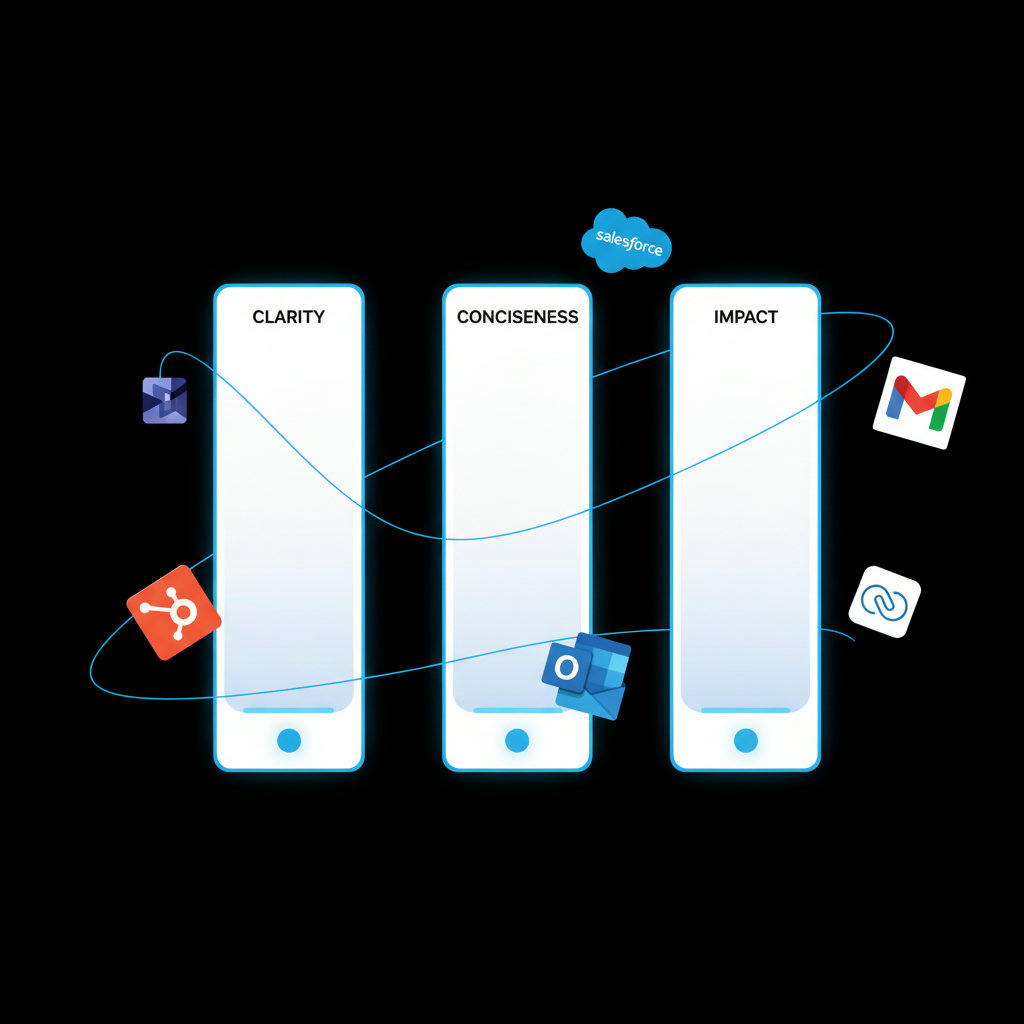
At its heart, strategic minimalism focuses on Clarity, Conciseness, and ultimate Impact. Is your message crystal clear? Does every word serve a purpose? Are you maximizing your message resonance by stripping away the superfluous and highlighting what truly matters? It’s about being precise, purposeful, and potent. Think of it as being a digital Sherlock Holmes – every clue (word, image, video) is carefully chosen to lead to a specific conclusion. This approach breeds efficiency in content creation because you’re no longer churning out content for content’s sake. Instead, you’re crafting pieces designed to hit home, to resonate deeply, and to inspire action. By focusing on quality over quantity, you’re not just saving time; you’re amplifying the effect of every single piece of content you release. It’s about doing more with less, smarter, not harder.
Leveraging Social Media Engagement Tools
So, how do we operationalize this minimalist mindset and boost our reach? This is where powerful social media engagement tools come into play. These aren’t just fancy gadgets; they are game-changers, enabling you to implement strategic minimalism while expanding your digital footprint. Imagine being able to streamline your content distribution, track what truly resonates, and automate the tedious parts of audience interaction. Such tools allow you to reclaim valuable time, transforming you from a content-creation machine into a strategic conductor.
By effectively utilizing social media engagement tools, you can boost your reach and impact exponentially. They provide the infrastructure to ensure your carefully crafted minimalist content finds its ideal audience, cutting through the noise that plagues so many other brands. These platforms help you identify trending topics, schedule posts for optimal engagement times, and analyze performance to continually refine your strategy. Moreover, they transform your digital presence from a chaotic mess into a well-oiled, efficient machine. For marketers and brands, this translates into unprecedented efficiency. Instead of juggling multiple logins and spreadsheets, everything is centralized, allowing you to focus on the truly strategic aspects of engagement – building relationships, not just broadcasting messages. Effective social media engagement tools are the silent partners that ensure your unique essence and voice cut through and connect with over 15,000 users, just like they have for others. For more insights into the broader landscape of digital marketing, you might find this article on the history of marketing fascinating.
Building Meaningful Connections, Not Just Fleeting Interactions
The real magic happens when those initial clicks and likes transform into something deeper. It’s not enough to simply initiate contact; the goal is to foster genuine relationships that stand the test of time. After all that effort researching, crafting, and distributing, what makes someone stick around? It’s not just about the first impression; it’s about sustained, authentic engagement. Social media engagement tools facilitate this by enabling consistent, targeted interaction. They help you listen to your audience, respond thoughtfully, and create conversations that extend far beyond a single post.
Think about it: who doesn’t need coffee breaks or gets tired of sending “Hey, I thought you might be interested in…” messages? We all do. But what if those messages were anticipated, valued, and organically led to deeper discussions? That’s the power of deepening audience relationships through strategic engagement. It’s about moving beyond the initial outreach to nurturing a community. When you consistently deliver value, listen to feedback, and engage authentically, your audience transforms. They become more than just followers; they become advocates. They share your content, defend your brand, and champion your message. This isn’t just a numbers game; it’s about cultivating a loyal tribe, turning prospects into brand champions who actively promote your unique essence and voice. This kind of organic, word-of-mouth marketing is priceless, and it stems directly from meaningful connections forged through consistent, thoughtful engagement. Understanding your audience’s behavior can be significantly enhanced by studying resources like the Pew Research Center’s Internet & Technology findings.
Skail: Your Partner in Simplified Engagement
So, how do you achieve this state of grace, this time-millionaire status where engagement is both impactful and efficient? The answer lies in smart solutions. Skail understands the core challenges of the digital landscape and offers powerful social media engagement tools to help you navigate it with ease. They empower you to boost your content, streamline your efforts, and truly connect with your audience.
One of Skail’s key offerings revolves around AI employee advocacy – a brilliant way to supercharge your reach. Imagine a system where your own team becomes your most credible and far-reaching marketing force, effortlessly sharing your message and amplifying your brand’s unique essence and voice. This isn’t just about sharing; it’s about authentic endorsement from people your audience already trusts. Skail provides centralized content distribution, making it incredibly simple to push out your minimalist, high-impact content across all relevant platforms without the usual hassle. This means more time for you to focus on strategy and less time on manual posting and tracking. With over 15,000 users already benefiting, Skail clearly delivers on its promise to simplify and strengthen your engagement strategy. They help you build your brand, not just manage your social media. It’s about giving you the tools to amplify your unique essence and voice across the digital sphere, transforming passive broadcasting into active, meaningful connections.
FAQ Section
What are social media engagement tools?
Social media engagement tools are software solutions designed to help individuals, marketers, and businesses manage, analyze, and optimize their interactions on various social media platforms. They often include features for scheduling posts, tracking analytics, monitoring mentions, facilitating team collaboration, and streamlining communication to foster deeper connections with an audience.

How can strategic minimalism improve social media engagement?
Strategic minimalism improves social media engagement by focusing on clarity, conciseness, and impact in content creation. Instead of overwhelming audiences with constant noise, it advocates for fewer, higher-quality posts that are intentional, well-crafted, and deeply relevant. This approach helps cut through information overload, making your content more noticeable and memorable, and compelling audiences to engage more meaningfully.
What are the core benefits of using social media engagement tools for brands?
For brands, social media engagement tools offer numerous benefits, including increased efficiency in content management, a significant boost in reach and impact, and the ability to transform their digital presence. They centralize efforts, provide valuable insights into audience behavior, and enable consistent, authentic interaction, ultimately leading to stronger brand loyalty and turning prospects into advocates.

Can social media engagement tools help reclaim valuable time?
Absolutely! One of the primary benefits of social media engagement tools is their ability to automate and streamline many time-consuming tasks associated with social media management. This includes scheduling posts, gathering analytics, and managing communications across multiple platforms. By freeing up time from these operational duties, users can focus on strategic planning, content creation, and genuine audience interaction.
How does employee advocacy integrate with social media engagement tools?
Employee advocacy integrates seamlessly with advanced social media engagement tools by empowering a company’s own employees to share and promote official content. These platforms often provide employees with curated, on-brand content that they can easily share across their personal social networks. This amplifies the brand’s message through trusted voices, significantly extending reach and boosting engagement and credibility more effectively than traditional corporate posts.