
The Art of Strategic Minimalism: Content That Resonates
Defining Minimalist Content Strategy
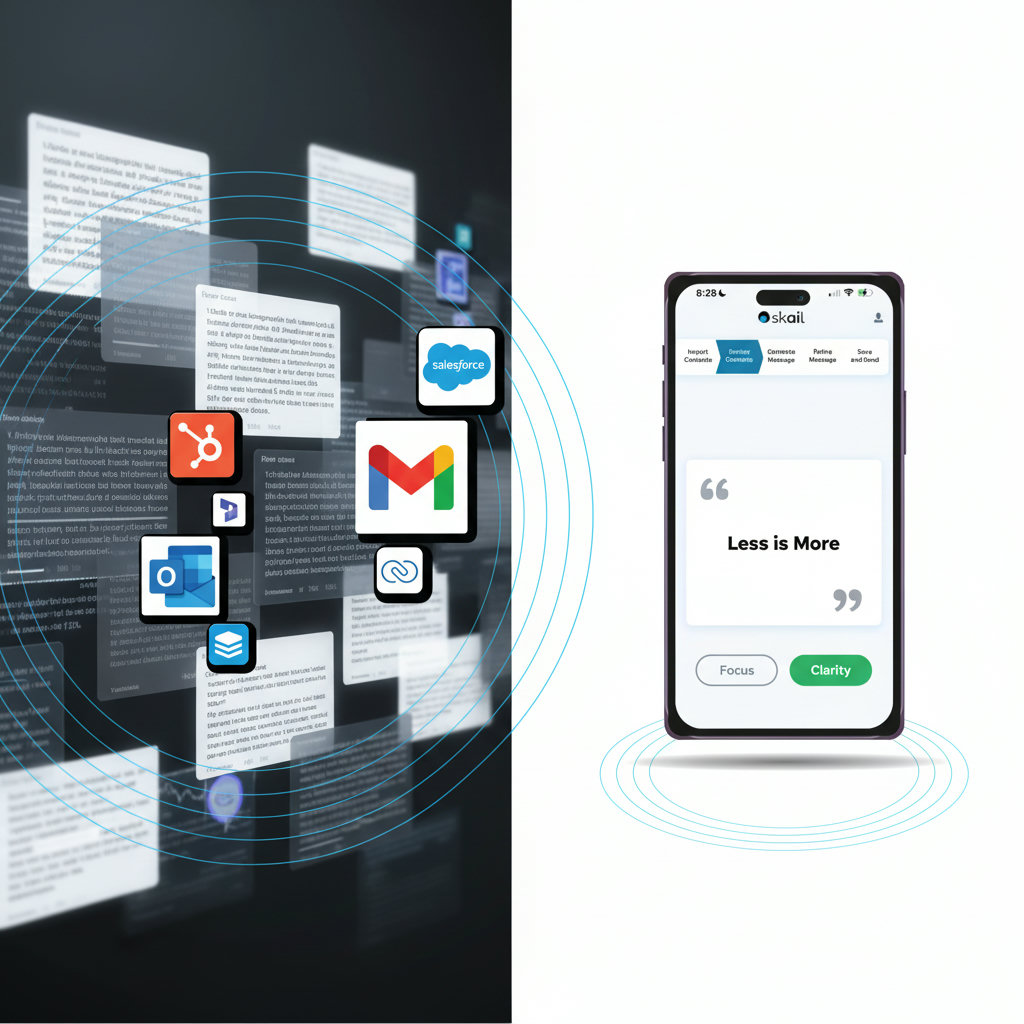
Ah, the digital age – a glorious, yet often overwhelming, landscape! Our inboxes groan under the weight of unread newsletters, social feeds scroll endlessly into oblivion, and every brand under the sun is vying for just a sliver of our attention. In this cacophony, how does a small business market effectively, cut through the noise, and truly connect with its audience? The answer, surprisingly, often lies in doing less. Welcome to the world of minimalist content strategy, a powerful approach amplified by modern tools like small business marketing AI.
Core Principles
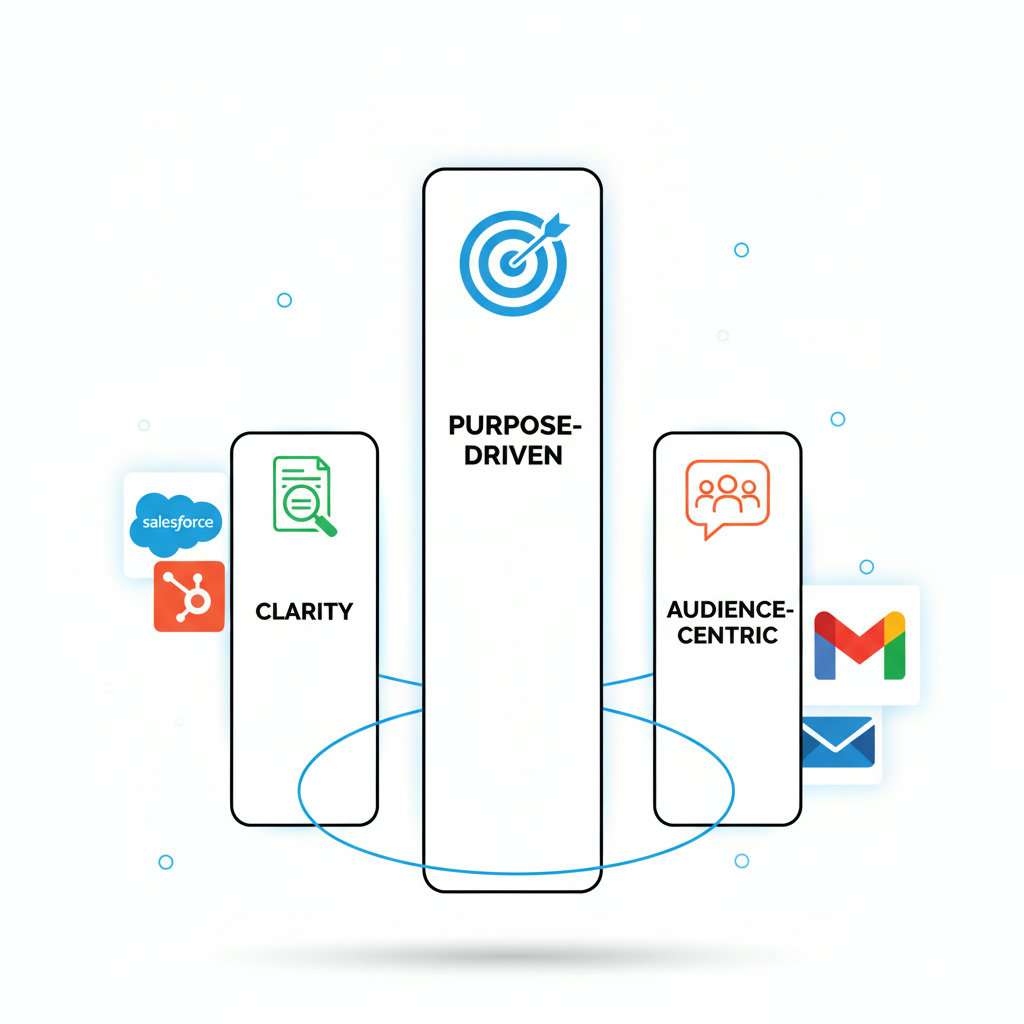
At its heart, minimalist content isn’t about absence; it’s about essence. It’s stripping away the superfluous to reveal the vital. This strategy is built on three unwavering principles:
- Clarity: Is your message crystal clear, leaving no room for ambiguity?
- Purpose-driven: Does every piece of content serve a specific, identifiable goal?
- Audience-centric: Is everything you create meticulously tailored to your reader’s needs and desires?
These aren’t just buzzwords; they’re the bedrock upon which truly impactful content is built, especially when you’re leveraging small business marketing AI to streamline your efforts.
Why Less is More
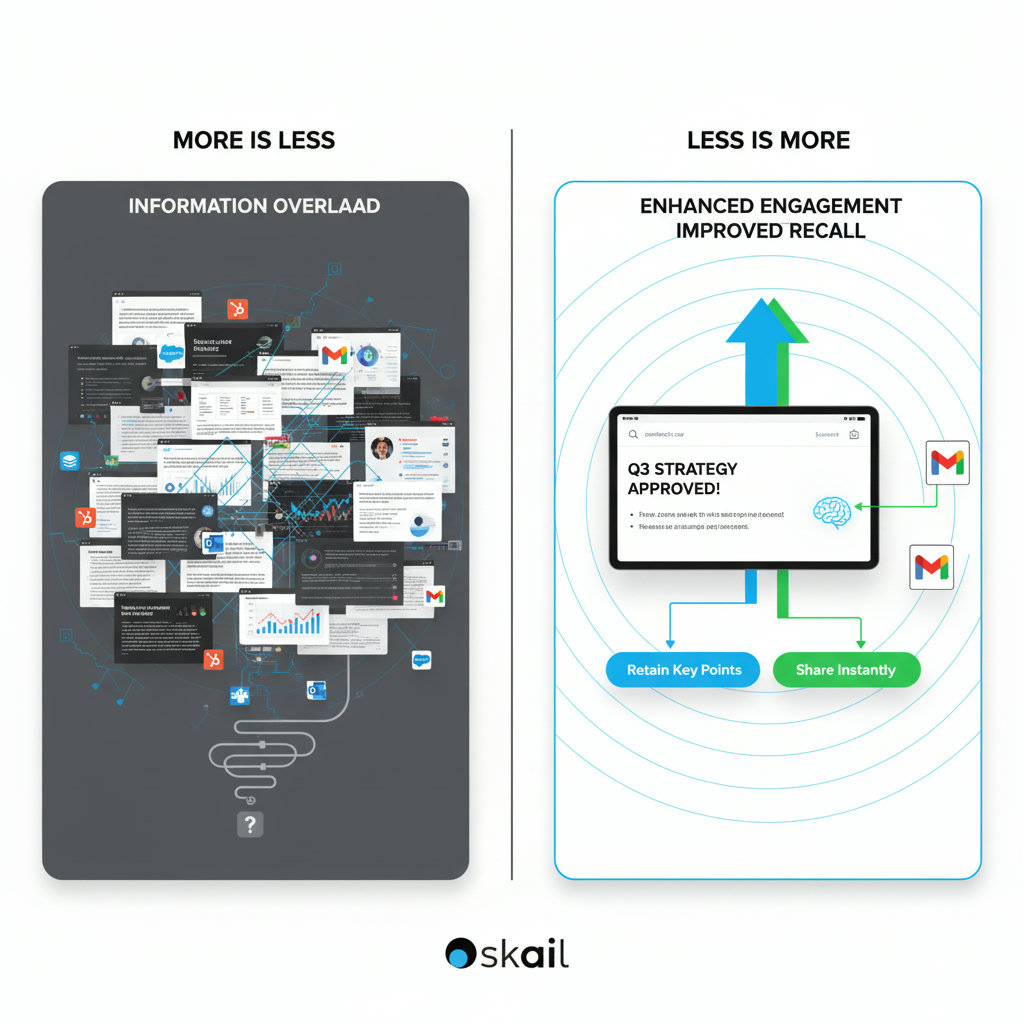
Simple, right? Not quite. In an era plagued by information overload, people aren’t just scanning; they’re sprinting through content, desperately seeking nuggets of value.
- Information overload: We’re all drowning in data. Minimalist content offers a refreshing, digestible antidote.
- Enhanced engagement: When you respect your audience’s time, they reciprocate with deeper attention.
- Improved recall: Stripped-down, purposeful messages are simply easier to remember. Think about iconic brand slogans – they’re rarely paragraphs long.
By focusing on quality over quantity, you create a more memorable and effective experience.
Identifying Your “Why”
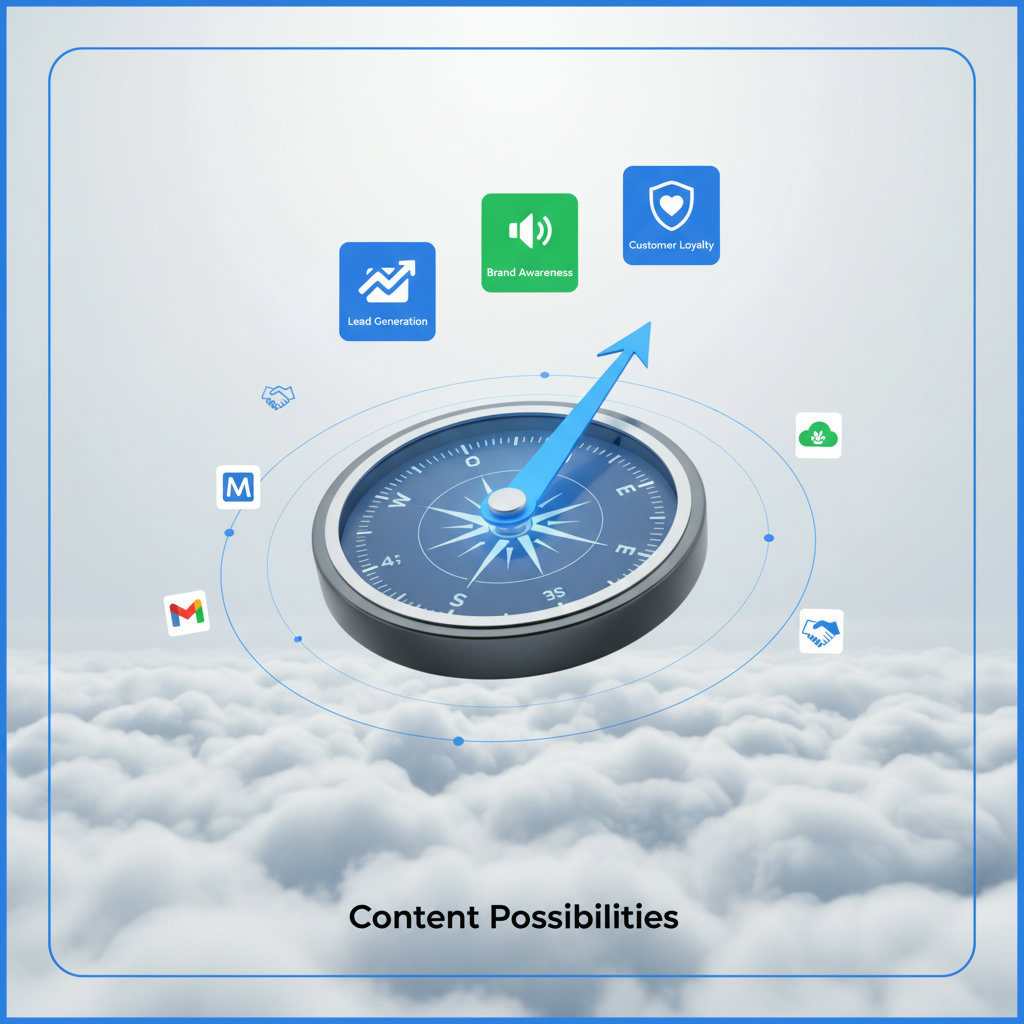
Before you even think about what to write (or how small business marketing AI can help write it), you must understand why you’re writing. This “why” is your compass in the vast ocean of content possibilities.
- Brand objectives: What are your overarching business goals? Is it lead generation, brand awareness, customer loyalty, thought leadership?
- Audience needs: What problems are your customers facing that you can solve? What questions do they have?
- Key takeaways: What’s the single most important thing you want your audience to remember or do after consuming your content?
Your “why” ensures every piece of content, however brief, delivers maximum punch.
Audience-Centricity: Understanding Your Reader
You can have the most concise, beautifully designed content in the world, but if it doesn’t speak directly to your audience, it’s just digital noise. This is where truly understanding your reader becomes paramount, and where tools that analyze audience behavior (often powered by small business marketing AI) can be invaluable.
Deep Dive into Personas
Forget generic marketing. We’re talking Sherlock Holmes levels of investigation into who your ideal customer really is. This isn’t just about demographics; it’s about getting into their head.
- Demographics: Basic factual information like age, location, income, job title.
- Psychographics: Their values, attitudes, interests, and lifestyle. What are their aspirations? Their fears?
- Pain points: What keeps them up at night? What challenges do they face that your product or service can alleviate?
The more intimately you know your audience, the more resonant your minimalist content will be. It’s like writing a love letter – you wouldn’t write a generic one, would you?
Information Hierarchy
Minimalism demands ruthless prioritization. You can’t just throw information at your audience and hope something sticks.
- “Need to know” vs. “nice to know”: Distinguish between essential information required for decision-making and supplementary details. Lead with the “need to know.”
- Prioritization: What’s the single most important piece of information? Place it prominently. Everything else supports it.
- Scanning patterns: People read in F-patterns or Z-patterns online. Design your content to deliver key information in these prime viewing areas. Headings, bullet points, and bolded text become your best friends.
This mindful structuring ensures your core message is always captured, even by the busiest of eyes. For further insights into effective communication strategies in business, consider resources like Wikipedia’s article on Business Communication.
Anticipating Questions
The best minimalist content isn’t just a statement; it’s a conversation starter that preempts your audience’s thoughts.
- User intent: What is the user trying to achieve or learn when they encounter your content?
- Problem-solution framing: Clearly articulate the problem, then present your solution succinctly.
- Clarification points: Address potential objections or areas of confusion upfront, but do so briefly and directly.
By anticipating their needs, you build trust and establish credibility without needing a mountain of text.
Crafting Concise & Impactful Messages
This is where the rubber meets the road – transforming your minimalist philosophy into actual content that sings. And yes, small business marketing AI tools are increasingly sophisticated at helping refine language for brevity and impact.
The Power of Brevity
Brevity isn’t about being cryptic; it’s about being precise. Every word must earn its place.
- Word economy: Can you say it in fewer words without losing meaning? Eliminate jargon, redundancies, and unnecessary qualifiers.
- Sentence structure: Favor shorter, active voice sentences. They are easier to process and convey authority.
- Direct language: Get straight to the point. Avoid fluff or overly elaborate introductions.
Think of it as verbal sparring – sharp, quick, and powerful. For instance, in crafting succinct value propositions, the principles of AI employee advocacy can be applied to ensure every message is clear and compelling. An AI employee advocacy platform can help distill key messages that employees can then share effectively.
Visual Communication & Design
Minimalist doesn’t mean boring. In fact, it often demands an even greater mastery of visual elements. Visuals often communicate more effectively and rapidly than text.
- Whitespace utilization: Don’t be afraid of empty space! It guides the eye, improves readability, and makes your content feel less intimidating.
- Imagery & infographics: A compelling image, a well-designed infographic, or a short video can replace paragraphs of text. Choose visuals that are high-quality and directly support your core message.
- Typography choices: Select fonts that are legible, reflect your brand, and use them consistently. Varying font sizes and weights can create a visual hierarchy.
Good design makes minimalist content not just readable, but enjoyable.
Storytelling with Keywords
Even in a minimalist approach, search engine optimization (SEO) is crucial. But it’s about integrating keywords naturally into a compelling narrative, not keyword stuffing. Small business marketing AI can help identify these essential keywords and integrate them seamlessly.
- Essential vocabulary: Identify the core terms your audience uses when searching for your solutions.
- Search intent alignment: Ensure your content directly answers the implicit questions behind those keywords.
- Contextual relevance: Keywords should flow naturally within your concise narrative, enhancing rather than interrupting the message.
This approach ensures your minimalist content is both findable and meaningful.
Distribution & Performance Optimization
Creating fantastic minimalist content is only half the battle. The other half is ensuring it reaches the right eyes and consistently delivers results. This is where strategic distribution and ongoing optimization come into play, often powered by the analytical capabilities of small business marketing AI.
Strategic Channel Selection
Don’t spread yourself thin across every platform imaginable. Be selective, be intentional.
- Audience presence: Where does your target audience spend their time online? Go there.
- Content format fit: Does your minimalist content (e.g., short video, infographic, succinct blog post) naturally fit the platform’s native format?
- Platform strengths: LinkedIn for professional insights, Instagram for visual stories, email for direct engagement – leverage each channel’s unique strengths.
A minimalist distribution strategy means focusing your efforts where they’ll have the greatest impact.
Minimalist Engagement Tactics
Even with less content, engagement remains critical. The goal is to encourage thoughtful interaction, not just fleeting attention.
- Clear calls to action: What do you want your audience to do next? Make it explicit, prominent, and compelling. “Learn More,” “Download the Guide,” “Contact Us” – but always simple and direct.
- Interactive elements (sparingly): A quick poll, a simple quiz, or an embedded calculator can boost engagement without overwhelming the user. Use them judiciously.
- Feedback loops: Encourage comments, questions, and reviews. Simple prompts can go a long way.
The interaction should be as streamlined and purposeful as the content itself.
Measuring Impact Effectively
If you’re investing time and resources, you need to know if it’s working. And in a minimalist approach, you don’t need a sprawling dashboard of metrics. Focus on what truly matters.
- Key performance indicators (KPIs): Identify 2-3 core metrics aligned with your “why” (e.g., conversion rate, engagement rate, time on page for key content, lead quality).
- User behavior analytics: Dive into tools like Google Analytics to understand how users interact with your minimalist content. Where do they click? Where do they drop off?
- Iterative refinement: Minimalist content strategy isn’t a “set it and forget it” game. Continuously analyze performance, gather insights, and refine your approach. What worked? What didn’t? Tweak, test, and repeat.
By focusing on impactful metrics, you ensure your minimalist efforts are always aligned with maximum results. For a deeper understanding of digital marketing metrics, resources like Moz’s guide on Digital Marketing Metrics can provide valuable context.
FAQ
What is the main benefit of a minimalist content strategy for small businesses?
The primary benefit is cutting through the overwhelming digital noise. By focusing on clarity, purpose, and audience-centricity, small businesses can create content that truly resonates, leading to enhanced engagement, better recall, and more cost-effective marketing. It allows you to make a bigger impact with fewer resources.
How can small business marketing AI help with minimalist content?
Small business marketing AI can significantly aid in minimalist content creation by helping with audience research (identifying pain points and psychographics), keyword optimization for brevity, analyzing content for conciseness, suggesting optimal distribution channels, and predicting content performance. It helps refine messages to be more impactful and data-driven.
Is minimalist content only for B2C businesses, or can B2B also benefit?
Minimalist content is highly beneficial for B2B businesses. B2B decision-makers are often even more time-pressed and inundated with information. Concise, problem-solution oriented content, visually uncluttered pages, and direct calls to action can be incredibly effective in conveying value quickly and professionally to a B2B audience.
What’s the difference between minimalist content and short-form content?
While often overlapping, minimalist content emphasizes intentionality, clarity, and purpose above all else, regardless of exact length. Short-form content simply refers to content that is brief (e.g., a tweet, a short video). Minimalist content can be short-form, but it’s the strategic why and concise how that defines it, ensuring every word earns its place for maximum impact, even if it’s a slightly longer, yet still efficient, explanation.
How do I identify my “why” for minimalist content?
To identify your “why,” start by clearly outlining your overarching business objectives (e.g., increase leads by X%, build brand authority in Y niche). Then, deeply research your target audience’s core problems and information gaps. Finally, for each content piece, ask: “What’s the single most important action or understanding I want my audience to gain from this?” Aligning these three elements will reveal your compelling “why.”
What role does visual design play in minimalist content?
Visual design is absolutely crucial for minimalist content. Because there’s less text, visuals carry a heavier load in conveying meaning and guiding the user’s eye. Strategic use of whitespace, high-quality imagery, informative infographics, and clear typography work together to create an inviting, digestible, and impactful experience, making complex information easier to grasp quickly.