Tired of Treading Water? How Small Business Marketing AI Can Revolutionize Your Growth
Ah, time! That elusive, slippery commodity every small business owner craves more of. You’re juggling a million tasks, aren’t you? From perfecting your product to delighting your customers, and somewhere in that whirlwind, you’re supposed to magically craft marketing campaigns that cut through the noise, attract new leads, and convert them into loyal advocates. Simple, right? Not quite. This is where the magic, or rather, the strategic power of AI employee advocacy and small business marketing AI steps in – not as a replacement for your brilliant human brain, but as your super-powered co-pilot, ready to analyze, optimize, and execute while you focus on what truly matters.
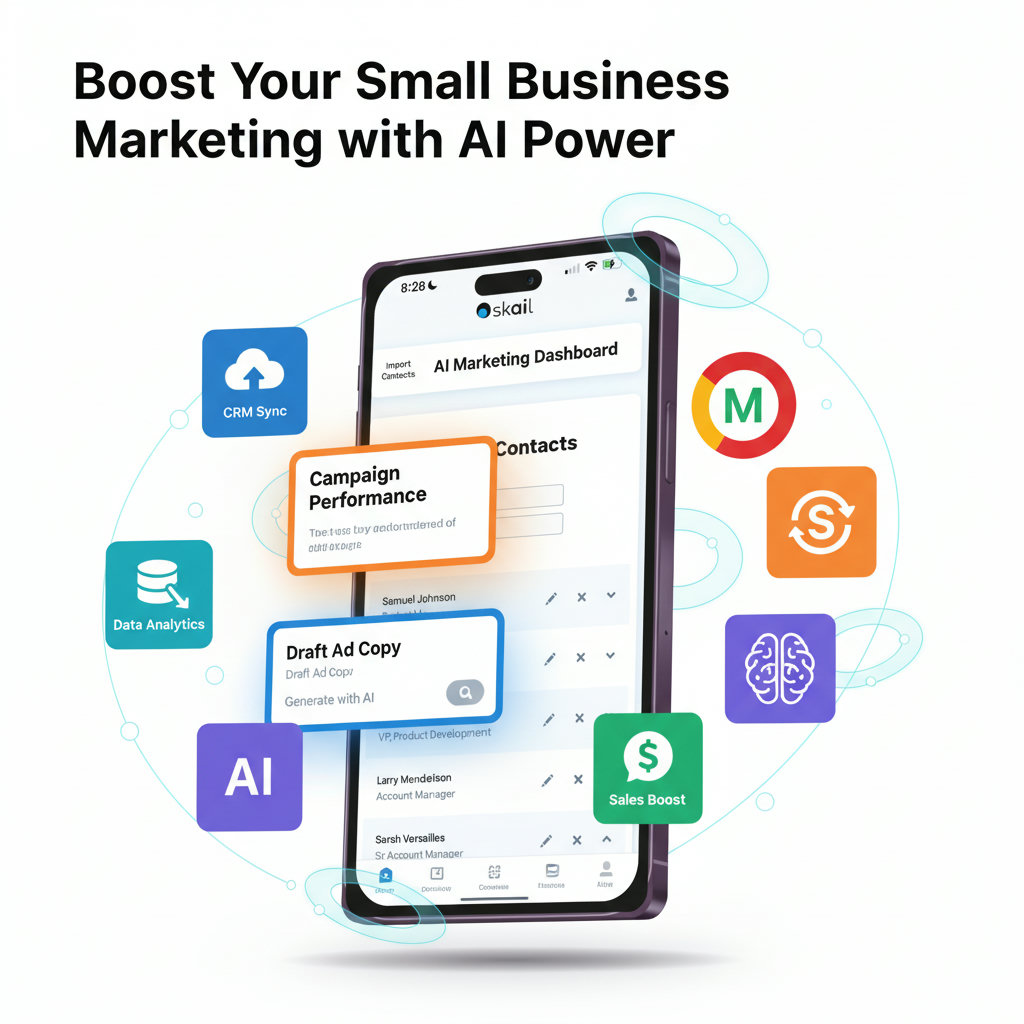
For years, sophisticated marketing has felt like a luxury reserved for multi-million dollar corporations with their armies of analysts and bottomless budgets. But what if I told you that the game has changed? That there’s a powerful ally now accessible to even the smallest solopreneur, ready to level the playing field? We’re talking about small business marketing AI, and it’s not just a buzzword; it’s a game-changer for efficiency, insight, and ultimately, growth. Let’s dive in and see how this incredible technology can transform your marketing efforts from a relentless chore into a streamlined, high-impact machine.
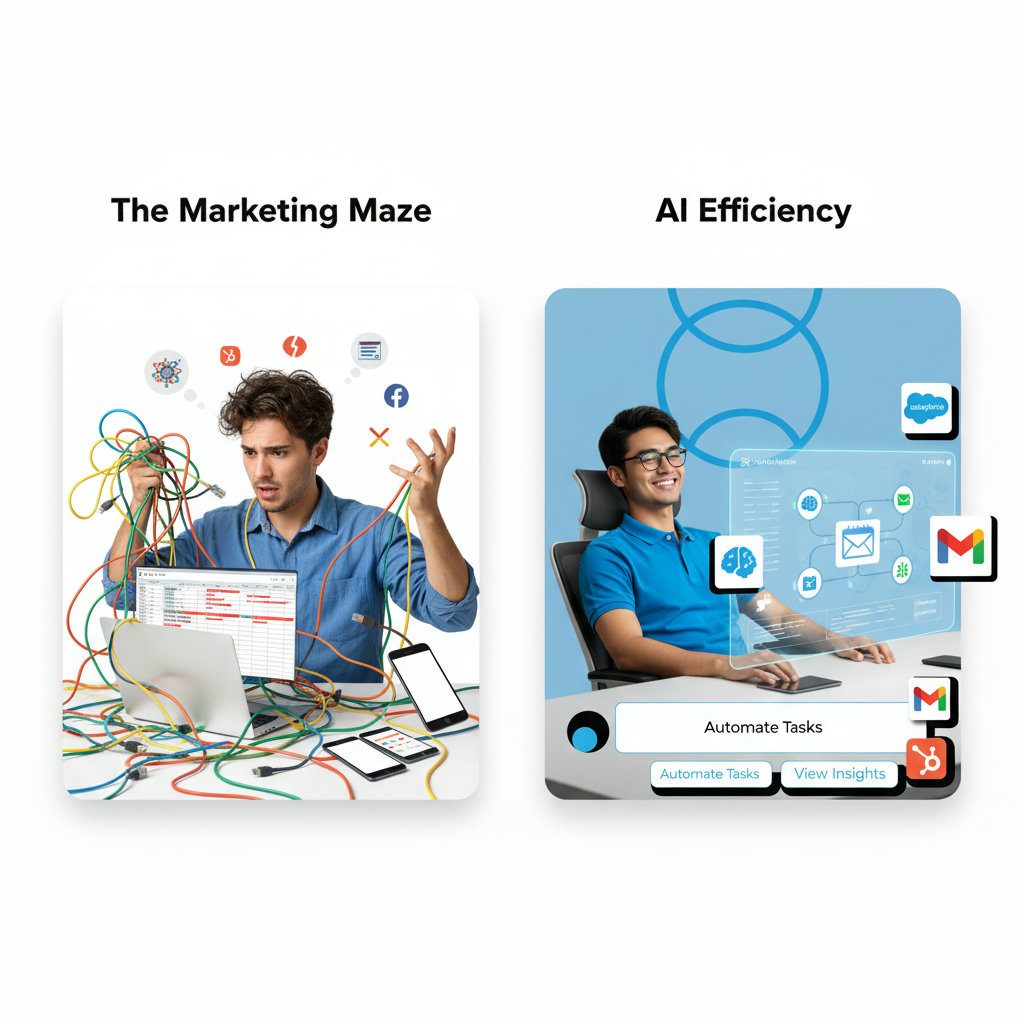
The Marketing Maze: Manual Efforts vs. AI Efficiency
Remember those days (or let’s be honest, those hours you spent last week!) crafting social media posts, analyzing spreadsheet after spreadsheet of customer data, or painstakingly A/B testing email subject lines? Your brain might turn into a tangled knot just thinking about it. Manual marketing, while personal, can be an incredible drain on resources – time, energy, and mental bandwidth. Think about the deep sea of prospect research, the “love letter” you meticulously craft for each potential client, the endless tweaks to ad copy, or the “Hey, just checking in!” messages that haunt your dreams. This constant cycle, while necessary, often pulls you away from the core aspects of running your business and serving your customers.
But what if you had a brilliant assistant who never slept, never needed coffee breaks, and never got tired of sending “Hey, I thought you might be interested in…” messages, all tailored to perfection based on data? That’s the promise of small business marketing AI. It’s about shifting from reactive, time-consuming tasks to proactive, data-driven strategies, freeing you up to be the visionary your business needs.
Unlocking Potential: Where Small Business Marketing AI Shines
So, where exactly does this AI wizardry manifest its benefits for your small business? Picture this: no more guesswork, just data-backed decisions and automated efficiency.
Personalized Customer Journeys at Scale
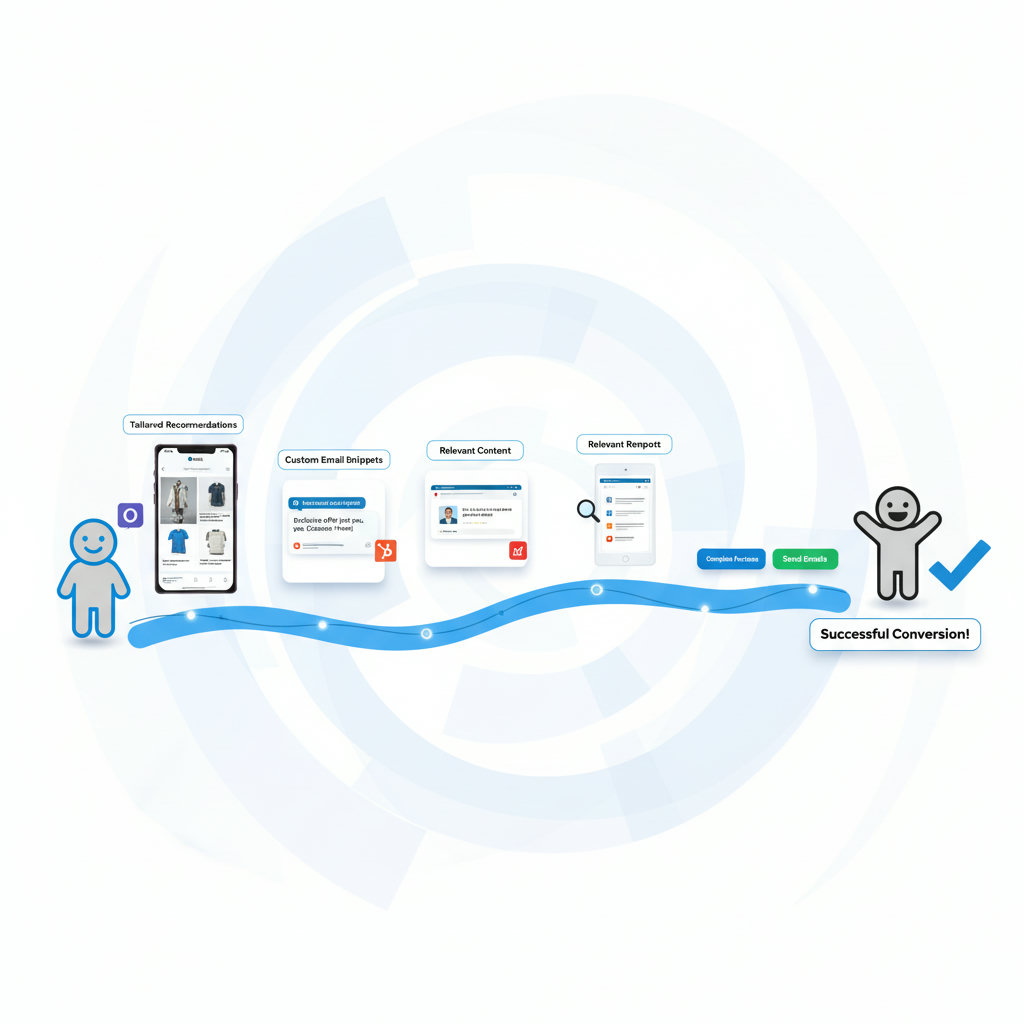
One of the most potent superpowers of small business marketing AI is its ability to personalize. Imagine a customer landing on your website. Instead of a generic experience, AI can instantly analyze their behavior, previous interactions, and even demographics to present them with content, products, or offers specifically tailored to their interests. This hyper-personalization isn’t just a nicety; it’s a conversion booster. Studies have consistently shown that personalized experiences lead to higher engagement and sales. AI can help you craft these bespoke journeys, from product recommendations to email sequences, without you lifting a finger for each individual. Platforms like HubSpot, for example, leverage AI for personalized content and automation to great effect (HubSpot Blog).
Content Creation & Optimization Made Easy
Staring at a blank page, trying to come up with fresh content ideas, can be daunting. Small business marketing AI can be your muse and your editor. AI-powered tools can generate blog post ideas, draft social media captions, write email subject lines, and even create basic ad copy. Beyond creation, AI excels at optimization. It can analyze your existing content, identify what resonates with your audience, and suggest improvements for better engagement and SEO. This means less time brainstorming and more time publishing high-performing content that truly connects. Moreover, AI can help you automatically adapt content for different platforms and audiences, a true time-saver!
Predictive Analytics for Smarter Decisions
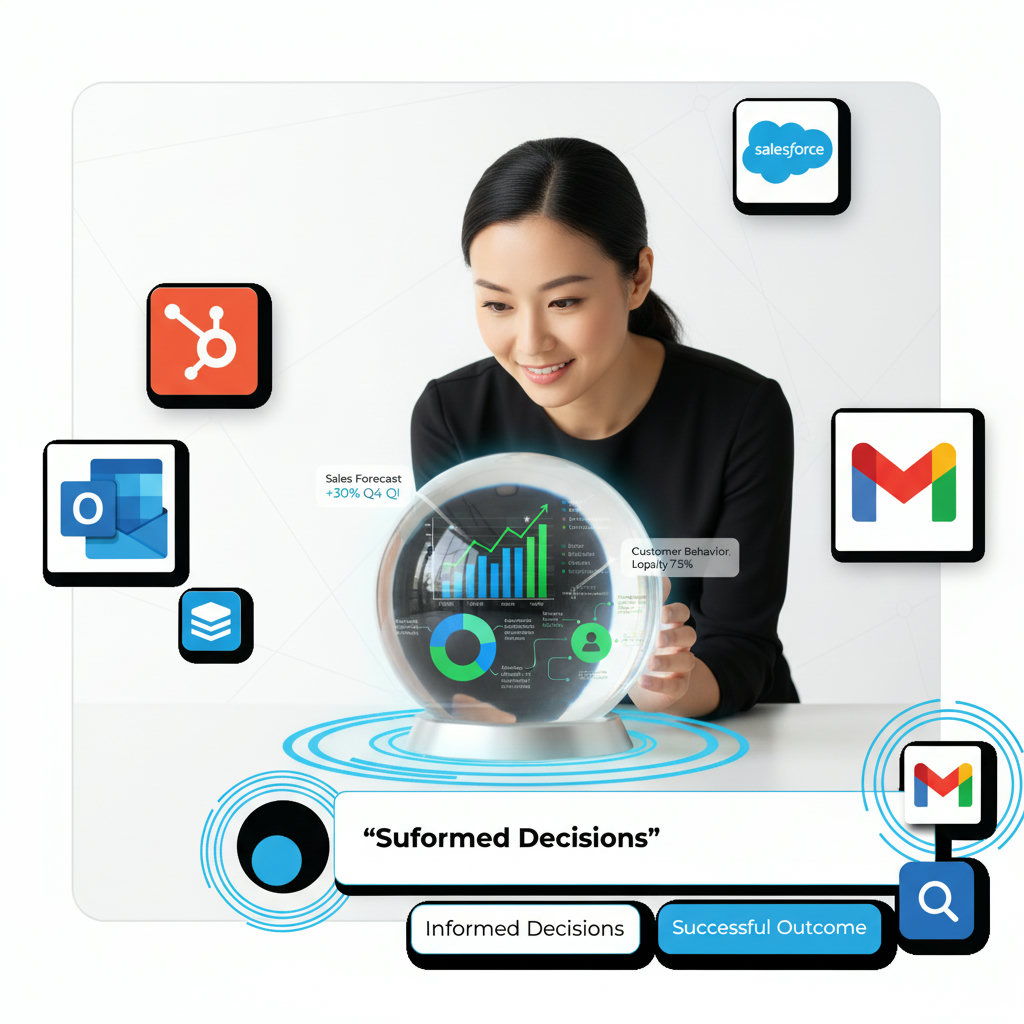
Forget crystal balls; small business marketing AI gives you predictive analytics. By analyzing vast amounts of historical data – customer behavior, sales trends, market fluctuations – AI can forecast future trends. This means you can anticipate customer needs, predict seasonal demand, and even identify potential churn risks before they become problems. Imagine knowing which customers are most likely to buy your new product, or which marketing channels will yield the best ROI before you invest heavily. This foresight allows for more informed budgeting, proactive strategy adjustments, and ultimately, more profitable campaigns. The power to predict is the power to plan effectively.
Implementing Small Business Marketing AI: A Practical Guide
Alright, you’re convinced. But how do you actually do this? Integrating AI doesn’t require you to be a data scientist. It’s about selecting the right tools and understanding how to apply them.
Choosing the Right AI Tools for Your Business
The market is bursting with AI tools designed for various marketing functions. Here’s a quick roadmap:
- Content & Copywriting: Look for AI writers that can generate blog posts, social media updates, and ad copy. Tools like Jasper.ai or Copy.ai are popular choices.
- Social Media Management: AI can help schedule posts for optimal engagement, analyze performance, and even suggest content. Platforms like Sprout Social often integrate AI features.
- Email Marketing: Many email service providers (Mailchimp, ConvertKit, ActiveCampaign) now offer AI features for audience segmentation, personalized subject lines, and send-time optimization.
- Ad Optimization: AI can manage your ad bids, pinpoint the best audiences, and dynamically adjust ad creatives for maximum impact on platforms like Google Ads and Meta Ads.
- Customer Service: AI-powered chatbots can handle routine inquiries, freeing up your human team for more complex issues.
Start small, experiment, and gradually integrate tools that address your most pressing marketing challenges.
Best Practices for Integration and Maximizing ROI
Integrating small business marketing AI isn’t just about plugging in a tool; it’s about strategy.
- Define Your Goals: What do you want AI to help you achieve? More leads? Higher conversion rates? Reduced ad spend? Clear goals will guide your tool selection and implementation.
- Start with Data: AI thrives on data. Ensure your existing customer data is clean and accessible. The better the data, the smarter the AI.
- Human Oversight is Key: AI is an assistant, not a replacement. Always review AI-generated content, test AI-driven campaigns, and use your human intuition and expertise to guide the process.
- Iterate and Learn: AI’s strength is its ability to learn. Monitor its performance, provide feedback, and allow it to continuously improve your marketing efforts.
- Train Your Team: While AI simplifies tasks, your team needs to understand how to use the tools effectively and interpret the insights AI provides. Continuous learning is crucial. Many institutions offer courses on AI in business, like those offered by the Coursera AI courses.
The Future is Now: What’s Next for Small Business Marketing AI?
The evolution of small business marketing AI isn’t slowing down. We’re on the cusp of even more exciting advancements. Expect even deeper levels of personalization, creating truly unique customer experiences that feel almost telepathic. Imagine AI anticipating customer needs before they even articulate them. We’ll also see more sophisticated predictive models, allowing small businesses to respond to market shifts with unprecedented agility.
Furthermore, AI will become even more conversational and intuitive, making it easier for non-technical users to leverage its power. The boundary between AI and human intelligence will continue to blur, fostering an era of synergistic creativity where humans provide the vision, and AI provides the execution power. This isn’t about replacing human marketers; it’s about augmenting them, transforming them into “time millionaires” who can focus on high-level strategy, creative inspiration, and building genuine customer relationships.
Frequently Asked Questions About Small Business Marketing AI
What is small business marketing AI?
Small business marketing AI refers to the use of artificial intelligence technologies and tools specifically designed to automate, optimize, and personalize marketing efforts for small and medium-sized businesses. This can include tasks like content generation, data analysis, customer segmentation, ad optimization, and predictive analytics.
Is small business marketing AI expensive?
While some enterprise-level AI solutions can be costly, many small business marketing AI tools are available on subscription models with varying price tiers, making them accessible even for tight budgets. Many start with free trials, allowing you to test their value before committing. The ROI often significantly outweighs the investment through increased efficiency and better results.
Do I need to be a tech expert to use AI for my small business marketing?
Absolutely not! Most modern small business marketing AI tools are designed with user-friendliness in mind, featuring intuitive interfaces and guided workflows. While a basic understanding of your marketing goals is beneficial, you don’t need coding or advanced technical skills to leverage their power. Many platforms also offer extensive tutorials and support.
How can AI help my small business attract more customers?
AI helps attract more customers by enabling hyper-personalized marketing campaigns, optimizing ad spend for better targeting, creating engaging and relevant content more efficiently, and predicting customer behavior to anticipate needs. This leads to higher conversion rates and a more effective allocation of your marketing budget.
Will AI replace human marketers in small businesses?
No, small business marketing AI is not designed to replace human marketers but rather to augment their capabilities. AI handles repetitive, data-intensive tasks, freeing up human marketers to focus on strategy, creativity, relationship building, and tasks requiring emotional intelligence and nuanced decision-making. It transforms human roles, empowering them to achieve more.
What are the biggest challenges when implementing AI in small business marketing?
Key challenges include ensuring data quality for AI to learn effectively, selecting the right tools that align with business goals, managing the initial learning curve, and integrating new AI tools with existing marketing stacks. Overcoming these involves careful planning, starting with clear objectives, and maintaining human oversight.
Cheers to your success! 🥂