
“`html
Reclaim Your Time: Unlocking Growth with Sales Email Automation
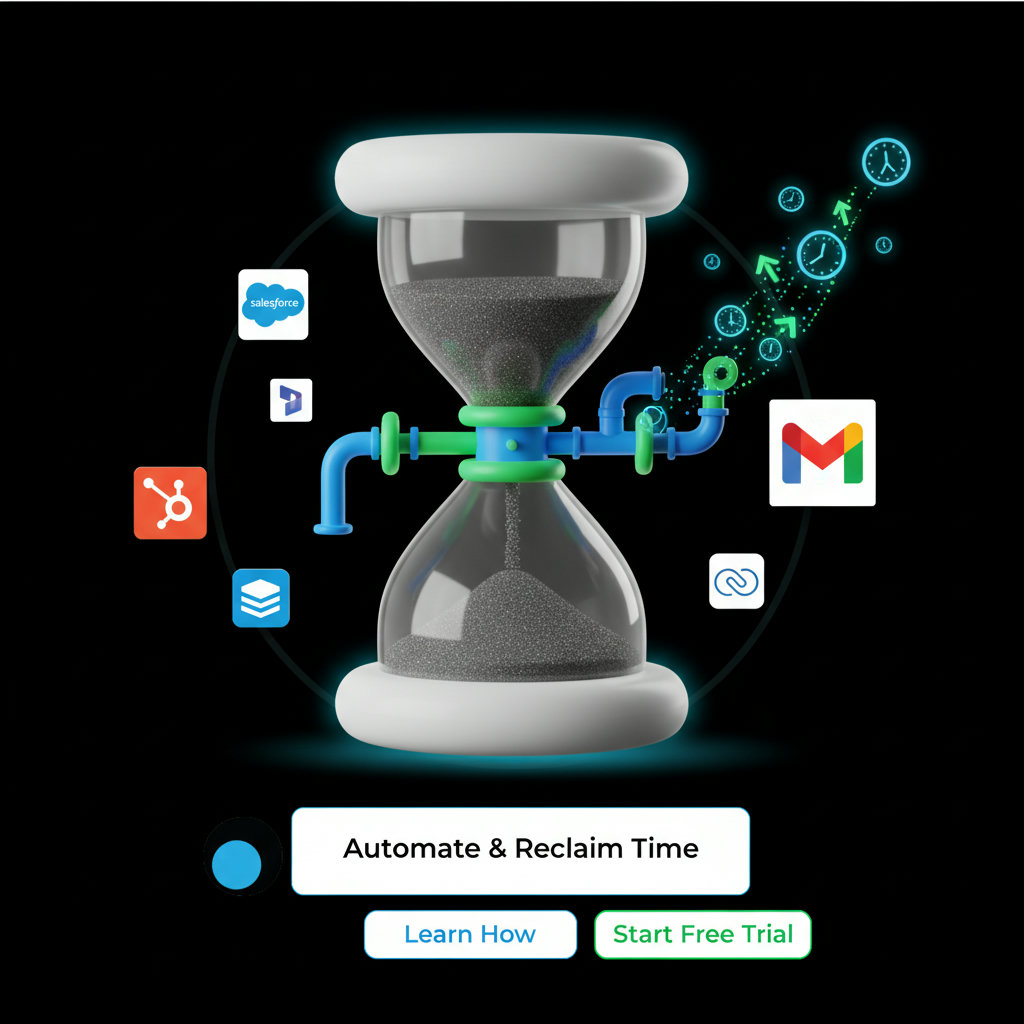
Ah, time! That elusive, slippery commodity that always seems to be in short supply, especially for sales professionals. You’re constantly juggling prospecting, qualifying, demonstrating, negotiating, and, of course, the dreaded follow-ups – the “Hey, just checking in!” messages that haunt your dreams. What if I told you there’s a way to reclaim hours, even days, each week, while simultaneously boosting your sales pipeline and engagement? Enter the magical realm of sales email automation. It’s not just a buzzword; it’s a game-changer.
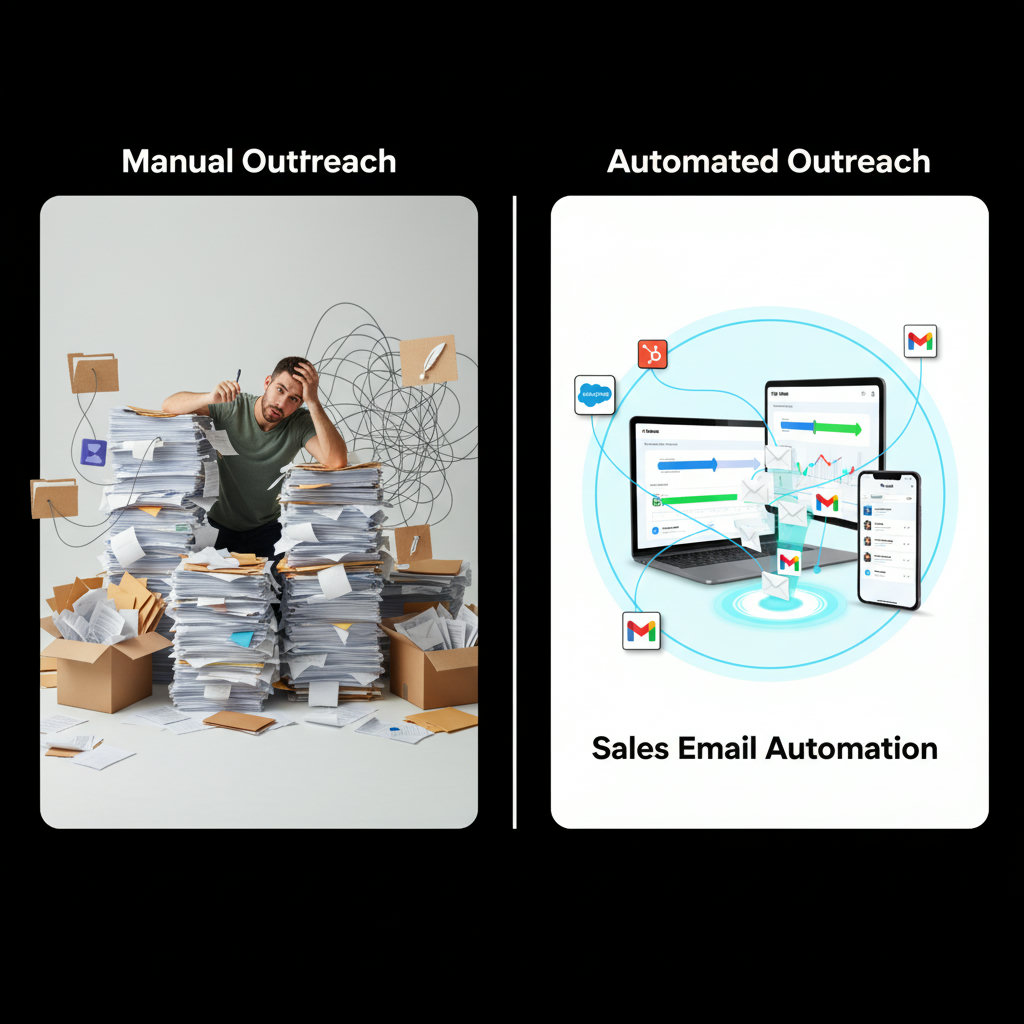
Many sales teams are still stuck in the land of manual outreach, crafting individual emails, copying and pasting, and hoping their efforts land. Simple, right? Not quite. This traditional approach is a time sink, often leading to inconsistent messaging, missed opportunities, and burnout. We’ve all been there: staring at a blank screen, wondering how to personalize yet another email to a cold prospect. But what if we could automate the mundane, so we could focus on the magnificent – connecting with prospects on a deeper level when it truly matters? This article will explore how leveraging sales email automation can transform your sales process, making it more efficient, effective, and, dare I say, enjoyable.
The Hidden Costs of Manual Sales Outreach
Let’s face it, the manual grind of sales outreach is a beast. You spend hours, nay, days, trawling through LinkedIn profiles, company websites, and industry reports, playing detective just to find the right person. Then comes the careful crafting of that initial email – trying to sound personal, professional, and persuasive, all while battling the clock. And who doesn’t need coffee breaks or gets tired of sending “Hey, I thought you might be interested in…” messages?
The reality is that manual outreach is fraught with inefficiencies. It’s inconsistent because you’re human, and your energy ebbs and flows. It’s slow, meaning you miss opportunities while your competitors are already engaging. And it’s often unproductive, as many perfectly good prospects slip through the cracks simply because you didn’t have the bandwidth to follow up effectively. Think about the hundreds of prospects in your CRM right now – how many are getting the consistent, tailored attention they deserve? Probably not as many as you’d like.
What is Sales Email Automation, Anyway?
At its core, sales email automation is the strategic use of software to send personalized, targeted emails to prospects and customers at scale. It’s about leveraging technology to streamline repetitive tasks, ensuring timely communications, and nurturing leads through the sales funnel without constant manual intervention. But beware! This isn’t about spamming; it’s about intelligence and precision.
Imagine setting up a sequence of emails that automatically goes out to a new lead based on their actions – downloading an e-book, visiting a specific product page, or even just opening a previous email. Each email in the sequence is crafted to provide value, address potential pain points, and guide them gently towards a conversation with you. It’s like having a tireless assistant who never forgets a follow-up, always remembers personal details, and constantly keeps your brand top-of-mind. This approach not only frees up your valuable time but also ensures that every lead receives a consistent, high-quality experience.
Crafting Killer Automated Email Sequences
The magic of sales email automation lies in the sequences you create. It’s not just about sending an email; it’s about sending the right email at the right time, with the right message. Think of it as a carefully choreographed dance designed to move prospects gracefully through their buying journey.
Personalization is Paramount (Even at Scale)
Generic, mass emails are dead. Long live personalization! Even with automation, your emails must feel like a direct, personal communication. But how do you achieve this at scale? It starts with data. Use information from your CRM – company size, industry, role, recent activities, challenges they’ve expressed – to dynamically insert personal touches into your templates. A simple first name merge tag is just the beginning. Advanced personalization can reference specific pain points, recent news about their company, or even mutual connections.
Structuring Effective Sequences
A typical automated sales email sequence might look something like this:
Email 1: The Introduction. Light, value-focused, and designed to open a dialogue. Avoid the hard sell.
Email 2: The Value Proposition. Delve a little deeper into how you can solve their specific problem, perhaps with a case study or relevant resource.
Email 3: The Social Proof. Share testimonials, success stories, or industry accolades.
Email 4: The Problem/Solution Deep Dive. Focus on a specific pain point and how your solution is the answer.
Email 5: The Gentle Nudge/Breakup Email. A final attempt to re-engage, offering one last piece of value or suggesting you’ll close their file for now.
The intervals between these emails are crucial – typically 2-5 days, giving prospects enough time to digest your message without feeling overwhelmed. Remember, each email should have a clear call to action, whether it’s “book a demo,” “download this guide,” or “reply to this email.”
A/B Testing Your Way to Perfection
Don’t set it and forget it! A/B testing is your best friend when optimizing automated sequences. Test different subject lines, call-to-actions, body copy variations, and even send times. A small tweak to a subject line could significantly increase your open rates, leading to more engaged prospects and better results from your sales email automation efforts. Continuously analyze your metrics and refine your approach – that’s how you climb the ladder of success.
Integrating Sales Email Automation with Your CRM
For sales email automation to truly shine, it needs to be seamlessly integrated with your CRM (Customer Relationship Management) system. This integration is the heartbeat of efficiency, ensuring that all your prospect data is centralized, up-to-date, and actionable.
When your automation platform talks directly to your CRM, magical things happen. Prospect interactions – email opens, clicks, replies – are instantly logged in their contact record. This gives your sales team a complete historical view of every engagement, empowering them to have more informed and personalized conversations. No more digging through sent folders or asking “Did we send them that whitepaper?” It’s all there, beautifully organized.
Furthermore, CRM integration allows for powerful segmentation. You can automatically add prospects to specific email sequences based on their lead source, industry, last interaction, or qualification stage in the CRM. This means a warm lead who just attended a webinar gets a different, more advanced sequence than a cold lead from a purchased list. This level of precision ensures that every communication is relevant and timely. Many modern CRM platforms also integrate with tools for AI employee advocacy, further boosting reach and engagement by leveraging your team’s collective network.
Beyond Emails: The Broader Automation Landscape
While sales email automation is powerful, it’s often just one piece of a larger automation puzzle. Think about the entire sales journey and where else technology can lend a hand.
Automated Lead Scoring
Imagine a system that automatically scores your leads based on their engagement with your emails, website, and other resources. High-scoring leads get prioritized for a direct call from a sales rep, while lower scores might stay in a longer, nurturing email sequence. This ensures your team spends time on the hottest prospects, optimizing their efforts.
Scheduling Automation
The back-and-forth involved in scheduling a meeting can be a monumental waste of time. Automated scheduling tools allow prospects to see your real-time availability and book a meeting directly, without a single email exchange. It’s convenient for them and incredibly efficient for you.
Task Management & Follow-ups
Automation can also create tasks for your sales reps inside the CRM based on prospect behavior. For instance, if a prospect clicks on your pricing page multiple times, an automated task could be generated for a sales rep to call them within the hour. This proactive approach ensures no hot lead is ever missed. According to a HubSpot report, sales teams that use automation are 3 times more likely to report significant revenue growth. This isn’t just about saving time; it’s about driving tangible business outcomes.
Measuring Success: KPIs for Sales Email Automation
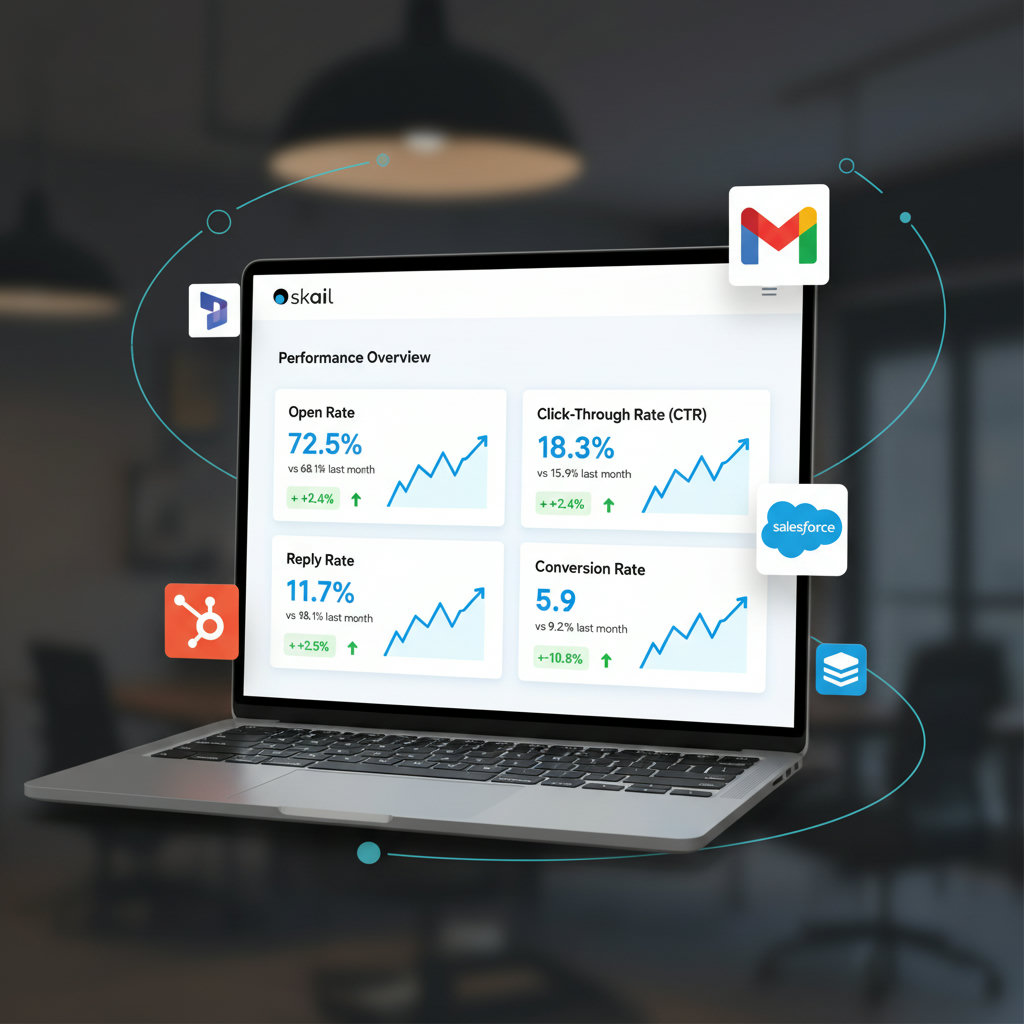
So, you’ve implemented sales email automation – how do you know it’s working? Measurement is key. By tracking the right Key Performance Indicators (KPIs), you can evaluate the effectiveness of your campaigns and continuously optimize for better results.
Engagement Metrics:
Open Rate: The percentage of recipients who open your email. A low open rate might indicate issues with your subject line or sender reputation.
Click-Through Rate (CTR): The percentage of recipients who click on a link within your email. This tells you how engaging your content and calls-to-action are.
Reply Rate: A critical metric for sales emails! It shows how many prospects are actively engaging and interested in continuing the conversation.
Unsubscribe Rate: Keep an eye on this. A high unsubscribe rate could signal that your content isn’t relevant, or you’re emailing too frequently.
Conversion Metrics:
Meeting Booked Rate: How many prospects from your automated sequences end up booking a discovery call or demo? This is a direct measure of your sequence’s effectiveness in moving prospects down the funnel.
Opportunity Creation Rate: How many of those meetings turn into qualified sales opportunities?
Revenue Generated: Ultimately, the most important metric. What is the ROI of your automated efforts?
By regularly reviewing these KPIs and making data-driven adjustments, you can ensure your sales email automation is a well-oiled machine, continually driving growth and efficiency for your sales team. Forbes Advisor has a great breakdown of the benefits of various sales automation tools.
Embracing the Future: Becoming a Time Millionaire
Sales email automation isn’t about replacing human connection; it’s about amplifying it. It frees your sales team from the repetitive, time-consuming tasks that bog them down, allowing them to focus on what they do best: building authentic relationships, understanding complex needs, and closing deals.
Imagine a world where your sales reps spend less time drafting emails and more time having meaningful conversations. A world where no lead falls through the cracks and every prospect receives timely, relevant communication. This isn’t a pipe dream; it’s the reality that sales email automation offers. By strategically implementing and optimizing these powerful tools, you’re not just improving your sales process; you’re transforming your business, empowering your team, and positioning yourself for unprecedented growth. So, go forth and become a time millionaire, one automated email at a time!
FAQ About Sales Email Automation
What is the primary benefit of sales email automation?
The primary benefit is increased efficiency and productivity for sales teams. By automating repetitive email tasks, sales professionals can reclaim significant time, allowing them to focus on higher-value activities like personalized outreach, building relationships, and closing deals. It also ensures consistent follow-up and messaging.
Is sales email automation the same as email marketing?
No, while both involve sending emails, they serve different purposes. Email marketing typically involves broader campaigns aimed at a large audience for brand awareness or lead nurturing. Sales email automation, on the other hand, is generally more targeted and personalized, designed to engage individual prospects or small segments to move them through the sales pipeline towards a specific sales action, like booking a demo or making a purchase.
How can I ensure my automated sales emails don’t end up in spam?
To avoid the spam folder, focus on personalization, provide genuine value in each email, avoid salesy language in subject lines, maintain a clean email list, authenticate your sending domain (SPF, DKIM, DMARC records), and monitor your sender reputation. A/B testing can also help identify content that resonates and avoids spam triggers.
What kind of personalization is possible with sales email automation?
Beyond basic name merges, modern sales email automation allows for deep personalization based on a prospect’s demographics (e.g., company, industry, job title), psychographics (e.g., pain points, goals), and behavioral data (e.g., website visits, content downloads, previous email interactions). This enables you to dynamically insert relevant case studies, product features, or solutions that directly address their specific needs.
How often should I send automated emails in a sequence?
The ideal frequency varies depending on your industry, audience, and the purpose of the sequence. Generally, intervals of 2-5 days between emails are common. It’s crucial to give prospects enough time to process each message without feeling overwhelmed. A/B testing different send frequencies can help you find the sweet spot for your specific audience.
What metrics should I track to measure the success of my sales email automation?
Key metrics include open rate, click-through rate (CTR), reply rate, unsubscribe rate, meeting booked rate, opportunity creation rate, and ultimately, the revenue generated from your automated sequences. Tracking these KPIs will help you understand what’s working and where to make improvements.
“`