
Beyond the Auto-Reply: Mastering Personalized AI Communication for Unprecedented Engagement
Ah, time! That elusive, slippery commodity we all chase, especially when it comes to connecting with our audience. You know the drill, don’t you? Crafting message after message, segmenting lists, trying to hit just the right note with every single email, social post, or even a simple follow-up. It’s a Herculean task, often feeling like you’re shouting into the void, hoping someone – anyone – truly hears you. This is where the magic of personalized AI communication steps in, promising not just efficiency, but a genuine connection at scale.
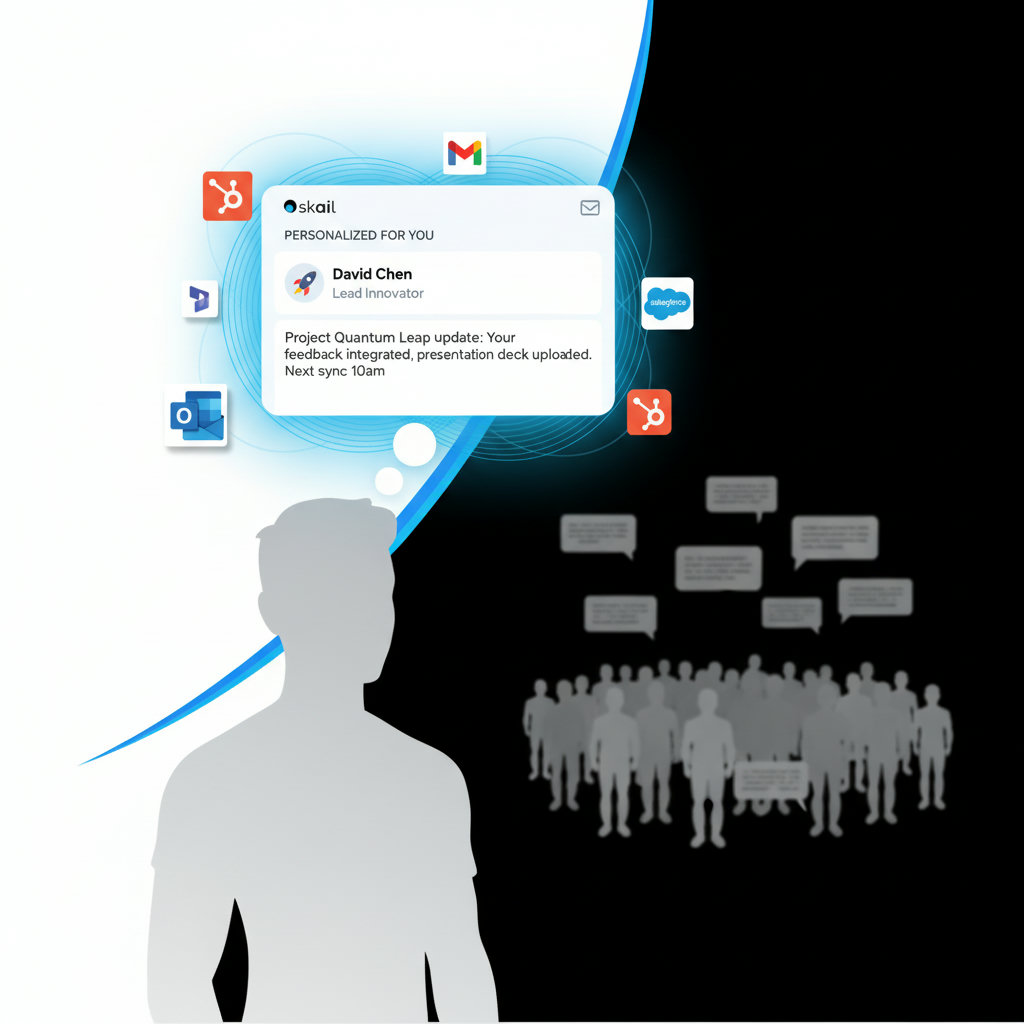
For too long, “personalization” in the digital realm has meant little more than inserting a first name into an email template. Simple, right? Not quite. True personalization, the kind that resonates and builds loyalty, goes far deeper. It’s about understanding individual needs, preferences, and behaviors, then tailoring your message precisely. This isn’t just a nicety; it’s the new frontier of effective engagement. Imagine sending a message that feels like a love letter, handcrafted just for them, but multiplied by thousands – that’s the power we’re talking about. And with the rise of AI, this once-impossible dream is now a tangible reality, reshaping how businesses interact and thrive.
The Personalization Predicament: Why “One-to-Many” Falls Short
We’ve all been there: the generic email blast that clearly wasn’t meant for us, the social media ad that completely misses the mark, or the chatbot interaction that feels utterly robotic. These “one-to-many” approaches, while efficient in raw distribution, often lead to a profound lack of engagement. Why? Because people crave relevance. They want to feel seen, understood, and valued. When content isn’t tailored, it becomes noise, easily ignored in our increasingly saturated digital world. This isn’t just about a missed click; it’s about a missed opportunity to build rapport, trust, and ultimately, a lasting relationship. The old ways are fading, and the future demands a more intelligent, nuanced approach.
One of the biggest challenges businesses face is scaling genuine interaction. How do you maintain an authentic, personalized voice when your customer base grows from hundreds to thousands, or even millions? The human bandwidth simply isn’t there. You could hire an army of content creators and communication specialists, but that’s not only expensive but also prone to inconsistencies. And let’s not forget the ever-present fatigue. Who doesn’t need coffee breaks or gets tired of sending “Hey, I thought you might be interested in…” messages when you barely believe it yourself? It’s a monumental hurdle, one that personalized AI communication is uniquely positioned to overcome.
Unlocking Potential: How Personalized AI Communication Works Its Magic
So, how exactly does this technological marvel achieve such a profound level of individual connection? It all boils down to data and algorithms. Think of AI as your super-powered detective, a Sherlock Holmes of customer insights.
Data, Data Everywhere: The AI’s Fuel
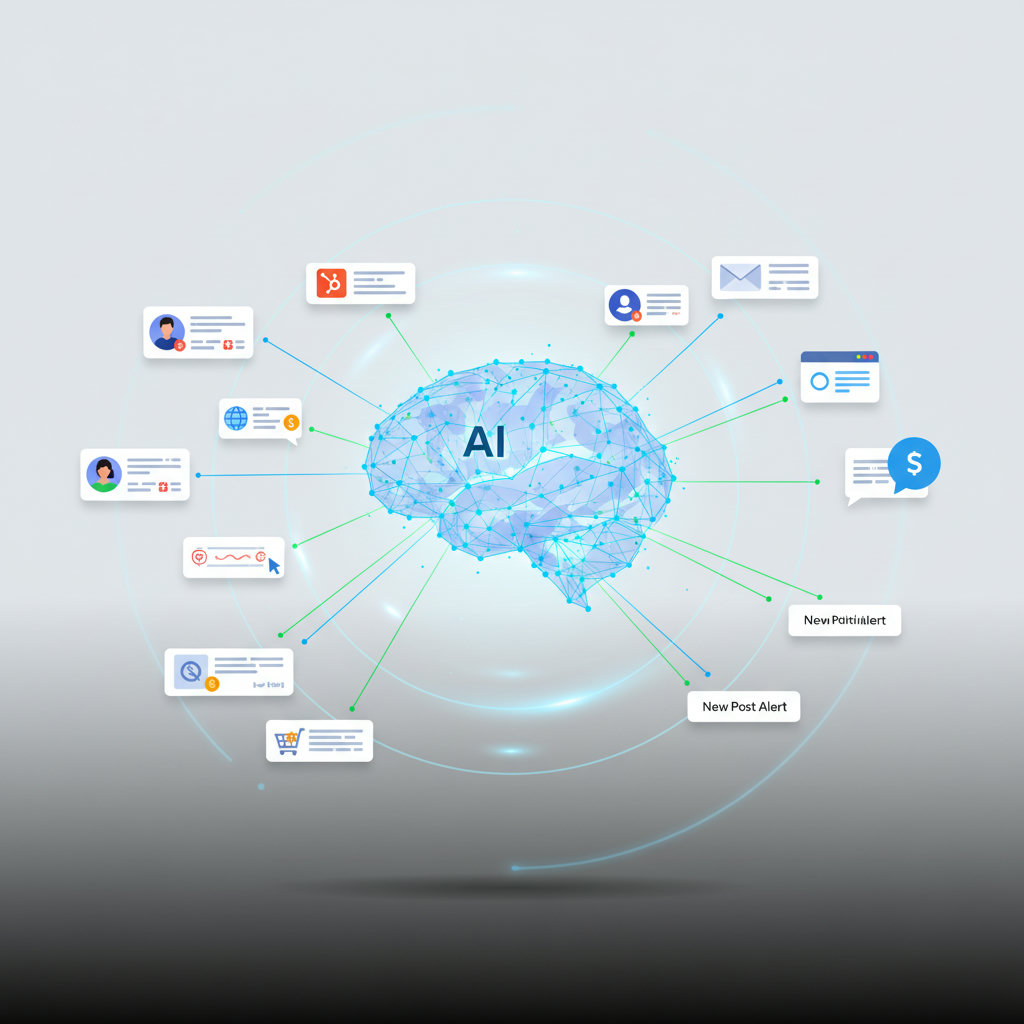
At its core, personalized AI communication feeds on data. This isn’t just demographic information; it’s behavioral data, purchase history, website interactions, preferences stated in surveys, even emotional sentiment from past conversations. The more rich and varied the data, the more nuanced and effective the AI’s understanding of each individual. It meticulously crunches this information, identifying patterns and predicting needs with astonishing accuracy.
Algorithms: The Brains Behind the Brilliance
Once the data is ingested, sophisticated algorithms get to work. These aren’t simple “if-then” statements; they’re complex machine learning models capable of continuous learning and adaptation. They can:
- Segment dynamically: Go beyond static lists to create fluid, real-time segments based on current behavior.
- Predict intent: Understand what a customer might be looking for next, even before they express it.
- Craft tailored messages: Generate content that speaks directly to an individual’s specific needs, style, and stage in their customer journey.
- Optimize delivery: Determine the best channel, time, and frequency for reaching each person.
Real-World Examples: Seeing is Believing
Consider a personalized product recommendation: instead of “Customers who bought this also bought…”, AI analyzes your specific browsing history, past purchases, and even how long you hovered over certain items to suggest something you truly might want. Or think about email marketing: instead of weekly newsletters, AI can trigger an email with a precisely relevant offer the moment a customer shows interest in a particular category, using language and visuals tailored to their known preferences. This isn’t just smart; it’s intuitive. For further reading on the broader impact of AI in business, you might check out resources like Wikipedia’s entry on Artificial Intelligence.
Beyond Marketing: Broader Applications of Personalized AI
While marketing often springs to mind first, the utility of personalized AI communication stretches far beyond promotional emails and ads. Its transformative power is being harnessed across numerous business functions, proving that genuine connection is universally valuable.
Customer Support Reimagined
Imagine a customer service chatbot that doesn’t just answer FAQs, but understands the emotional context of a query, pulls up the customer’s entire history, and offers empathetic, personalized solutions. This isn’t just a fantasy. AI-powered chatbots and virtual assistants are now capable of handling complex issues, escalating to human agents only when truly necessary, and offering a significantly improved, more human-like experience. They learn from every interaction, becoming smarter and more effective over time.
Sales Enablement and Prospecting
For sales teams, identifying and nurturing leads can be a time-consuming process. Personalized AI can revolutionize this by:
- Scoring leads more accurately: Prioritizing prospects most likely to convert based on hundreds of data points.
- Crafting bespoke outreach: Generating personalized cold emails or LinkedIn messages that resonate, increasing response rates.
- Identifying cross-sell/up-sell opportunities: Pinpointing the perfect moment and product to offer an existing customer.
This frees up sales representatives to focus on high-value conversations, rather than generic outreach.
Employee Engagement and Internal Communications
Don’t underestimate the power of personalization within your own organization. AI can help tailor internal communications, ensuring employees receive relevant updates, training materials, and recognition based on their roles, departments, and individual performance. This fosters a more engaged, informed, and productive workforce. This is a particularly strong use case for solutions that leverage AI employee advocacy to empower and inform staff. When employees feel understood and valued, they become powerful advocates for your brand.
The Future is Now: Implementing Personalized AI Communication
Embracing personalized AI might seem daunting, but the path to implementation is becoming increasingly accessible. It’s not about replacing humans, but empowering them with intelligent tools.
Strategizing Your AI Journey
Start small. Identify a specific pain point or an area where personalization is currently lacking. What kind of data do you have access to? What are your immediate goals? Perhaps it’s improving email open rates, reducing customer service response times, or boosting lead conversion. A clear objective will guide your tool selection and implementation.
Choosing the Right Tools and Platforms
The market for AI-powered communication tools is exploding. Look for platforms that integrate seamlessly with your existing CRM, marketing automation platforms, and communication channels. Consider features like natural language generation, sentiment analysis, predictive analytics, and dynamic content adaptation. Don’t be afraid to test different solutions to find the best fit for your specific needs and budget.
Best Practices for Ethical and Effective AI
As with any powerful technology, responsible use is paramount.
- Transparency: Be open with your audience about how their data is used to personalize their experience.
- Privacy: Adhere strictly to data privacy regulations (e.g., GDPR, CCPA).
- Human Oversight: AI should augment, not replace, human judgment. Maintain a human-in-the-loop approach, especially for sensitive interactions.
- Continuous Learning: AI models need to be monitored and refined. Provide feedback to improve their performance and adapt to evolving customer expectations.
The goal is to enhance connection, not to create a creepy, overly intrusive experience. For more insights on ethical AI, consider resources from reputable organizations like the IEEE.
Conclusion: The Dawn of a New Era in Engagement
The days of generic, mass communication are quickly drawing to a close. In a world saturated with information, the ability to deliver truly personalized, relevant messages is no longer a luxury – it’s a necessity for survival and growth. Personalized AI communication isn’t just a trend; it’s a fundamental shift in how we understand, engage with, and build lasting relationships with our customers, employees, and prospects. It’s about moving from broadcasting to truly connecting, at scale.
Embrace this technology, and you’re not just optimizing your workflows; you’re building a foundation for deeper trust, stronger loyalty, and unprecedented levels of engagement. The future of communication is personal, intelligent, and incredibly exciting. Cheers to smarter connections! 🥂
FAQs on Personalized AI Communication
What exactly is personalized AI communication?
Personalized AI communication refers to the use of artificial intelligence and machine learning technologies to tailor messages, content, and interactions to individual users based on their unique data, preferences, behaviors, and context. It goes beyond simple name insertion to deliver highly relevant and engaging experiences at scale.
How does AI achieve such a high level of personalization?
AI achieves this by ingesting and analyzing vast amounts of data – including demographics, purchase history, browsing behavior, stated preferences, and even sentiment analysis. Sophisticated algorithms then use this data to predict user needs, segment audiences dynamically, generate bespoke content, and optimize the timing and channel of delivery for each individual.
What are the main benefits of using personalized AI communication?
The main benefits include significantly increased engagement rates (higher open rates, click-through rates, conversion rates), improved customer satisfaction and loyalty, greater operational efficiency, better lead quality for sales, and enhanced employee engagement. It allows businesses to scale genuine, one-on-one interactions that were previously impossible.
Is personalized AI communication only for marketing?
Not at all! While highly effective in marketing, personalized AI communication is being applied across various business functions. This includes customer support (AI-powered chatbots), sales enablement (lead scoring, personalized outreach), internal communications (tailored employee updates), and even product development (gathering personalized feedback).
What are some ethical considerations when implementing personalized AI communication?
Key ethical considerations include data privacy and security (adhering to regulations like GDPR and CCPA), transparency with users about how their data is used, avoiding bias in AI algorithms, and maintaining human oversight. The goal is to enhance the user experience without being intrusive or compromising trust.
What kind of data is typically used by personalized AI communication systems?
Personalized AI systems utilize a wide range of data, including explicit data (information users provide, like name, email, preferences), implicit data (browsing history, clicks, time spent on pages, purchase history), demographic data (age, location, occupation), and even real-time behavioral data (current website actions, recent interactions).