Understanding the Non-Profit Marketing Landscape
Ah, the digital frontier! It’s a vast, bustling place, isn’t it? For non-profits, navigating this space with effective non-profit marketing tools isn’t just a suggestion; it’s a necessity. It’s about ensuring your vital message cuts through the noise, reaches the right hearts, and inspires action. But before we dive into crafting compelling stories and dazzling visuals, we need to understand the terrain. Think of yourself as a master cartographer, meticulously mapping out the world your content will inhabit. This isn’t just about throwing ideas at a wall; it’s about strategic insights.
Unique Challenges for Non-Profits
Let’s be honest, non-profits face a battlefield of their own. You’re constantly striving to do more with less – tighter budgets, fewer staff, and an ever-present need to demonstrate impact. Unlike for-profit businesses, your “product” is often intangible, a cause, a change, a glimmer of hope. Measuring ROI isn’t always about direct sales; it’s about donor engagement, volunteer hours, and lives touched. This means your marketing efforts must be incredibly efficient, incredibly persuasive, and deeply authentic. You can’t just sell; you must inspire.
Importance of Strategic Marketing
So, why bother with strategy when your heart is already in the right place? Because good intentions alone don’t fill donation jars or recruit volunteers. Strategic marketing transforms your passion into a plan. It’s the difference between shouting into the void and delivering a targeted, heartfelt message to someone ready to listen. It helps you identify who you’re talking to, what they care about, and how best to reach them, ensuring every precious resource – be it time or money – is spent wisely. It’s about building relationships, not just broadcasting messages.
Leveraging Digital Channels
In today’s connected world, digital channels are your megaphone, your town hall, and your storytelling stage all rolled into one. From social media to email campaigns, online platforms offer unparalleled reach and the ability to engage directly with your audience. The beauty? Many digital non-profit marketing tools are either free or significantly discounted for charitable organizations, making them incredibly powerful assets in your limited-resource arsenal. It’s about meeting your audience where they are – which, increasingly, is online.
Key Categories of Non-Profit Marketing Tools
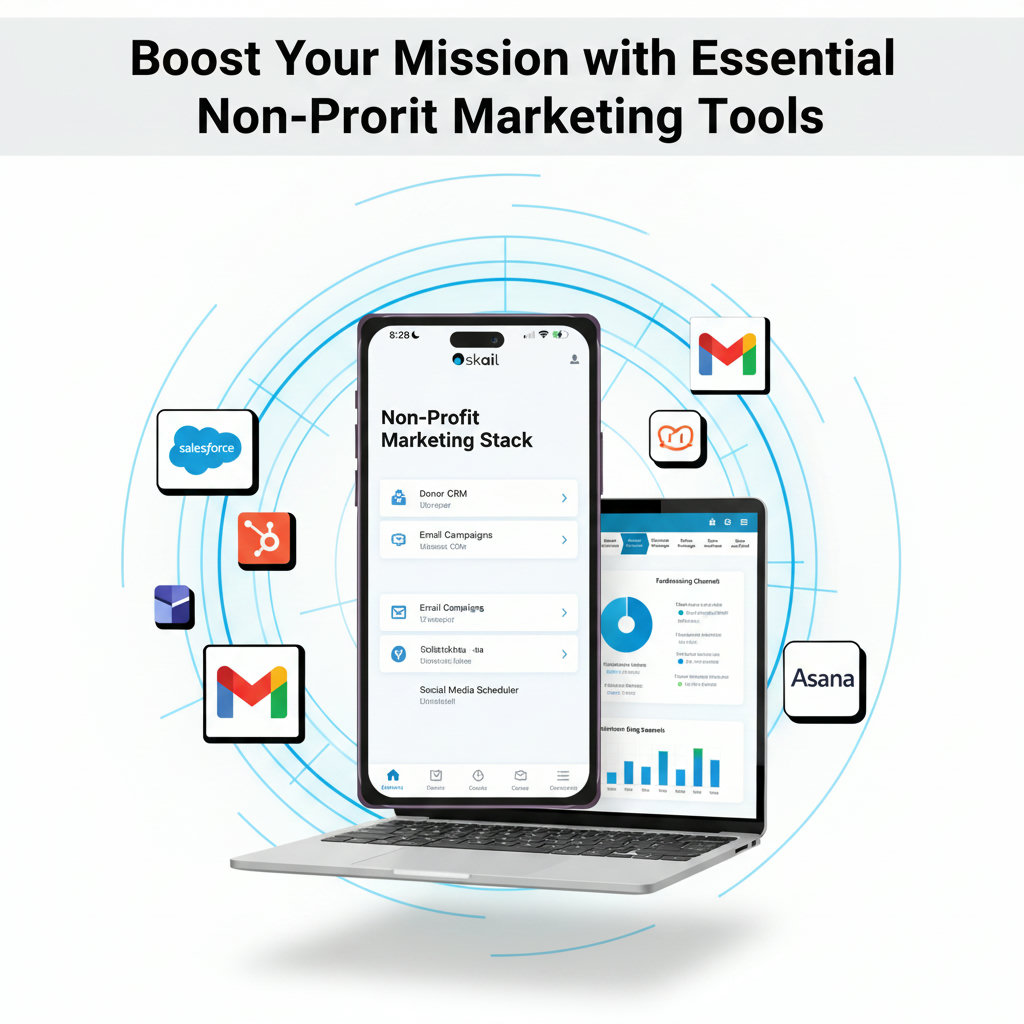
Navigating the myriad of marketing solutions can feel like diving into the deep sea of prospect research – overwhelming, murky, and full of shiny distractions. But fear not! We can simplify it by breaking down the essential non-profit marketing tools into a few key categories. Each serves a distinct, yet interconnected, purpose in amplifying your mission.
Email Marketing Solutions
Ah, email. Often underestimated, but consistently one of the most effective ways to communicate with your supporters. Email marketing tools allow you to build lists, segment audiences, craft personalized messages, and track engagement. They’re the digital equivalent of a heartfelt letter, delivered directly to someone’s inbox. From newsletters detailing your latest achievements to urgent appeals for support, a robust email platform is non-negotiable for building and nurturing donor relationships. Many popular platforms offer specialized non-profit pricing or free tiers, making them accessible.
Social Media Management
In a world glued to screens, social media is where conversations happen, stories spread, and communities form. But managing multiple platforms – Facebook, Instagram, X (formerly Twitter), LinkedIn – can quickly become a full-time job. Social media management tools are your strategic command center, allowing you to schedule posts, monitor mentions, analyze performance, and engage with your audience from a single dashboard. They ensure your voice is consistent, your content is timely, and your impact is measured. It’s about being present and proactive where your audience spends their time.
Advocacy & Engagement Platforms
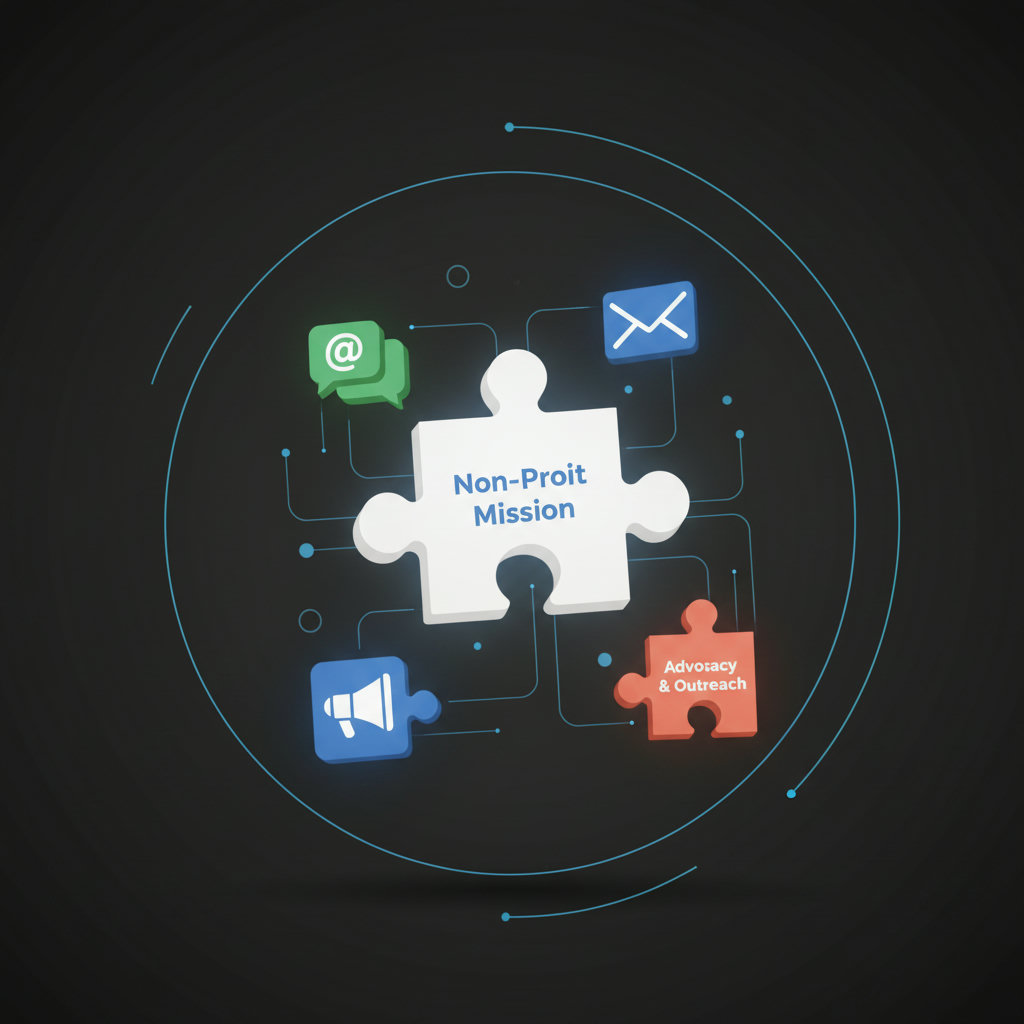
Beyond simply informing, non-profits thrive on advocacy and direct action. This is where specialized engagement platforms shine. These tools facilitate everything from petition signing and letter-writing campaigns to volunteer recruitment and peer-to-peer fundraising. They empower your supporters to become active participants in your mission, transforming passive awareness into tangible impact. They streamline the process of collective action, making it easy for individuals to lend their voice and effort to your cause. Think of them as the orchestrators of your collective impact.
Optimizing Email Marketing for Impact
Email marketing isn’t just about sending out bulk messages; it’s an art form, a delicate dance of communication designed to inspire, inform, and cultivate lasting relationships. When leveraged correctly, it transforms into one of the most potent non-profit marketing tools in your arsenal.
Building Donor Relationships
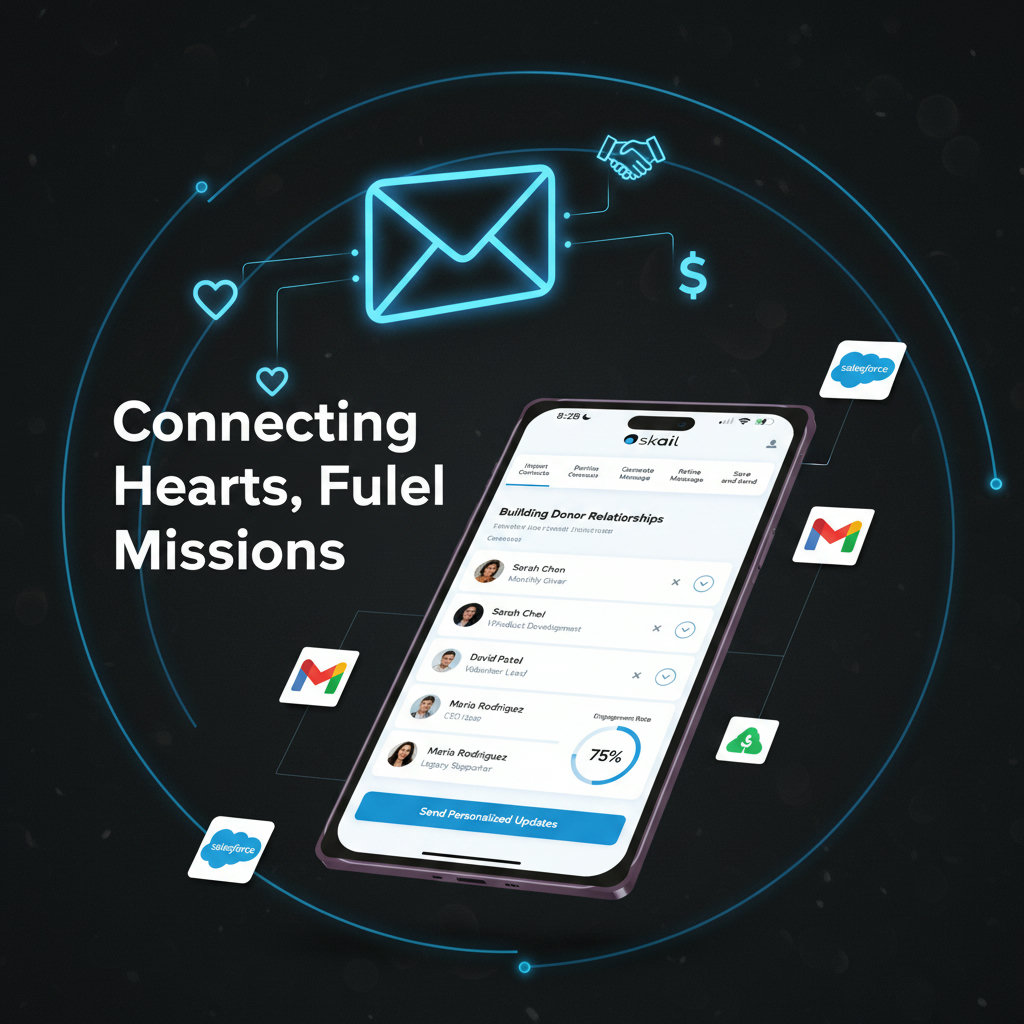
Your email list isn’t just a collection of addresses; it’s a community of potential and current supporters. Each email is an opportunity to deepen your relationship, sharing stories of impact, expressing gratitude, and transparently communicating your needs. Think of your emails as regular check-ins, little love letters to your community, showing them the tangible difference their support makes. Consistent, valuable communication builds trust and loyalty, fostering a sense of shared mission.
Segmenting Your Audience
One size rarely fits all, especially in non-profit communications. A one-time volunteer might need a different message than a major donor, or someone interested in environmental protection might respond differently than someone passionate about child welfare. This is where audience segmentation comes in. By categorizing your subscribers based on their interests, past donations, engagement levels, or location, you can send highly personalized and relevant emails. This dramatically increases open rates, click-throughs, and, most importantly, impact. It’s about sending the right message to the right person at the right time.
Measuring Campaign Success
What gets measured, gets managed, and what gets managed, gets improved. Email marketing tools provide invaluable analytics: open rates, click-through rates, conversion rates (donations, sign-ups), and even bounce rates. By regularly reviewing these metrics, you can understand what resonates with your audience and what doesn’t. This data-driven approach allows you to continually refine your subject lines, content, calls to action, and sending times, ensuring your email campaigns are always working smarter, not just harder.
Harnessing Advocacy with Skail.ai
Advocacy is the lifeblood of many non-profits, translating passion into policy, awareness into action. And in this realm, modern platforms offer unprecedented capabilities. To truly maximize your reach and impact, considering innovative approaches to advocacy is key, and this is where an advanced platform can revolutionize your approach.
Defining Content Purpose for Advocacy
Every piece of content you create for advocacy needs a clear purpose. Is it to raise awareness, educate, inspire a signature, or mobilize a community for an event? As outlined by Skail.ai, defining your non-profit’s content purpose is critical to ensuring your message not only reaches but moves your audience. It’s not just about churning out posts; it’s about thoughtful creation, deliberate distribution, and continuous refinement that aligns directly with your advocacy goals. Without a clear purpose, even the most compelling content can fall flat.
Mobilizing Supporters and Volunteers
Advocacy isn’t a solo act; it’s a symphony of collective voices. Effective non-profit marketing tools for advocacy empower you to mobilize your existing supporters and volunteers into a powerful force for change. This means making it incredibly easy for them to share your message, contact policymakers, attend events, or recruit others. When your community feels empowered to act, their reach extends far beyond your direct efforts, creating a ripple effect of engagement and impact. It’s about turning passive followers into active champions.
Amplify Impact with an Advocacy Platform
Imagine a tool that empowers your supporters to become your most passionate advocates, sharing your message far and wide. This is the power of a dedicated advocacy platform. By providing structured ways for employees, volunteers, and even beneficiaries to share pre-approved content, success stories, and calls to action across their networks, you can dramatically expand your reach and credibility. This kind of AI employee advocacy isn’t just about sharing; it’s about authentic amplification through trusted voices, turning every supporter into a potential influencer. It ensures your message not only reaches but moves your audience to action.
Selecting the Right Tools for Your Mission
With a seemingly endless parade of non-profit marketing tools available, how do you choose the ones that will truly serve your unique mission? It’s less about finding the “best” tool universally, and more about finding the “best fit” for your organization. This requires a thoughtful assessment of your specific needs, resources, and long-term vision.
Assessing Budget and Resources
This is often the first, and most significant, hurdle for non-profits. The good news is that many top-tier marketing platforms offer generous discounts or even free plans for charitable organizations. When evaluating tools, look beyond the sticker price. Consider the total cost of ownership, which includes training, ongoing support, and potential integration fees. Also, honestly assess your team’s capacity. Do you have dedicated staff to manage complex software, or do you need something intuitive and relatively hands-off? Choose tools that stretch your budget and your human resources, not strain them. For example, some platforms like Canva offer free premium features for non-profits, which can be invaluable for creating visually appealing content. Learn more about non-profit programs on Wikipedia.
Scalability and Integration
Your non-profit will (hopefully!) grow, and your marketing tools should grow with you. Opt for solutions that can scale up as your audience expands or your campaign needs become more sophisticated. Equally important is how well a new tool plays with your existing ecosystem. Does it integrate seamlessly with your CRM (Constituent Relationship Management) system, your donation platform, or your website? A disjointed tech stack can lead to inefficiencies, duplicate efforts, and frustration. Look for tools that offer APIs or direct integrations to create a cohesive and powerful marketing machine.
User-Friendliness and Support
Even the most feature-rich software is useless if no one on your team can figure out how to use it. Prioritize tools with intuitive interfaces and clear, comprehensive documentation. Furthermore, consider the level of customer support offered. Will you have access to live chat, phone support, or a robust knowledge base when you inevitably run into a question? Excellent support can be the difference between a minor hiccup and a major roadblock, ensuring your team can leverage the tools effectively to focus on your mission. TechSoup is an excellent resource for non-profits looking for discounted or donated software and hardware, including many marketing tools, often with support resources.
Future-Proofing Your Non-Profit Marketing
The digital landscape is a dynamic, ever-evolving beast. What’s cutting-edge today might be obsolete tomorrow. For non-profits, this means your approach to non-profit marketing tools and strategies can’t be static; it must be resilient, adaptable, and forward-looking.
Staying Ahead of Trends
It’s tempting to stick with what’s comfortable, but resisting new trends can leave your organization in the dust. This doesn’t mean jumping on every fleeting social media craze, but rather, keeping an ear to the ground for significant shifts in audience behavior, platform capabilities, and technological advancements. Are video shorts dominating engagement? Is AI changing content creation? Understanding these trends allows you to strategically adapt your approach, ensuring your message remains relevant and impactful. It’s about proactive evolution, not reactive catch-up.
Continuous Learning and Adaptation
Your marketing team – whether it’s one person or many – should embrace a culture of continuous learning. Webinars, industry blogs, online courses, and peer networks are invaluable resources for staying sharp. As you learn, be willing to experiment, test new strategies, and adapt based on your findings. Not every new initiative will be a home run, and that’s okay! The key is to learn from what doesn’t work as much as from what does, constantly iterating and refining your marketing efforts.
Building a Sustainable Strategy
Ultimately, future-proofing your marketing means building a strategy that is not only effective but also sustainable. This involves investing in the right mix of human talent and technological tools, ensuring your team has the skills and resources to succeed. It means diversifying your marketing channels so you’re not overly reliant on any single platform. And it means fostering a deep understanding of your audience, so your message always resonates, regardless of how the digital world shifts. It’s about creating a robust, enduring framework that allows your non-profit to thrive and fulfill its mission for years to come.
FAQ: Non-Profit Marketing Tools
What are the most essential non-profit marketing tools for beginners?
For non-profits just starting out or with limited resources, the most essential tools typically include an email marketing platform (many offer free tiers or non-profit discounts, like Mailchimp or Constant Contact), social media scheduling tools (such as Buffer or Hootsuite for basic scheduling), and a simple website builder (like WordPress or Squarespace). These foundational tools allow you to build an online presence, communicate with your audience, and share your mission effectively without significant upfront investment.

How can non-profits get marketing tools for free or at a discount?
Many technology companies offer substantial discounts or even free versions of their products specifically for registered non-profit organizations. Websites like TechSoup are excellent starting points, acting as a bridge between non-profits and tech companies offering donated or deeply discounted software. Additionally, always check the pricing pages of individual marketing software providers, as many have dedicated non-profit programs. Don’t be afraid to reach out directly and ask!
What’s the difference between a CRM and an email marketing tool for non-profits?
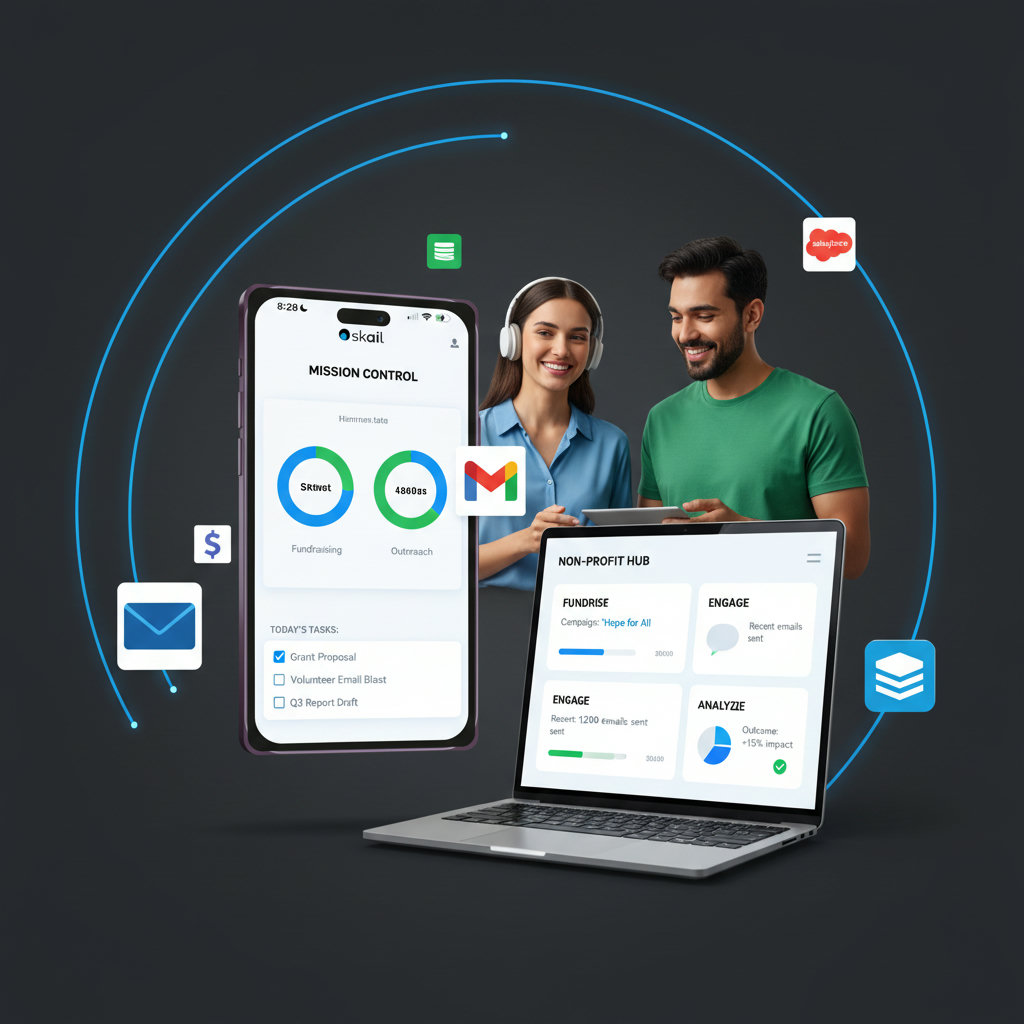
While they often integrate, a CRM (Constituent Relationship Management) system is broader, designed to manage all interactions and data related to your supporters – donors, volunteers, beneficiaries. It tracks donation history, contact information, communication preferences, and more. An email marketing tool, on the other hand, specifically focuses on creating, sending, and tracking email campaigns. A CRM provides the ‘who’ and ‘what’ of your audience, while an email marketing tool handles the ‘how’ of communicating with them via email.
How can a small non-profit with limited staff effectively use social media marketing tools?
Small non-profits can effectively use social media by focusing on consistency and quality over quantity. Choose 1-2 platforms where your target audience is most active. Utilize social media scheduling tools to plan and schedule content in advance, saving time. Repurpose content across platforms where appropriate, and focus on engaging storytelling rather than just broadcasting. Encourage board members and volunteers to share your content, acting as organic advocates. Remember, authentic engagement is more valuable than constant posting.
Why is audience segmentation important for non-profit marketing tools?
Audience segmentation is crucial because it allows non-profits to send highly relevant and personalized messages to different groups within their supporter base. Sending a generic email to everyone might lead to low engagement. By segmenting (e.g., by donor level, interest, past engagement), you can tailor your message to resonate specifically with that group, increasing open rates, click-through rates, and ultimately, conversions like donations or volunteer sign-ups. It’s about making each supporter feel seen and valued.
What are the benefits of using an advocacy platform for non-profits?
Advocacy platforms empower non-profits to transform passive supporters into active champions for their cause. They streamline collective action, making it easy for individuals to contact policymakers, sign petitions, or share pre-approved messages across their networks. This amplification through trusted voices significantly expands a non-profit’s reach and credibility, mobilizing a wider community to influence change and deepen engagement with the mission.
🥂