Non-profits strive to amplify their missions, but finding the right non-profit marketing tools can be tough. This guide explores strategies and solutions to boost your outreach and impact.
The Unique Challenges of Non-Profit Marketing
Ah, time! That elusive, slippery commodity that seems to vanish faster than a free cookie at an office party. For non-profit organizations, managing time effectively is not just about productivity; it’s about impact. Every minute saved on administrative tasks or inefficient outreach can translate directly into more support for your cause, more lives touched, and more meaningful change. But let’s be real, the struggle is fierce.
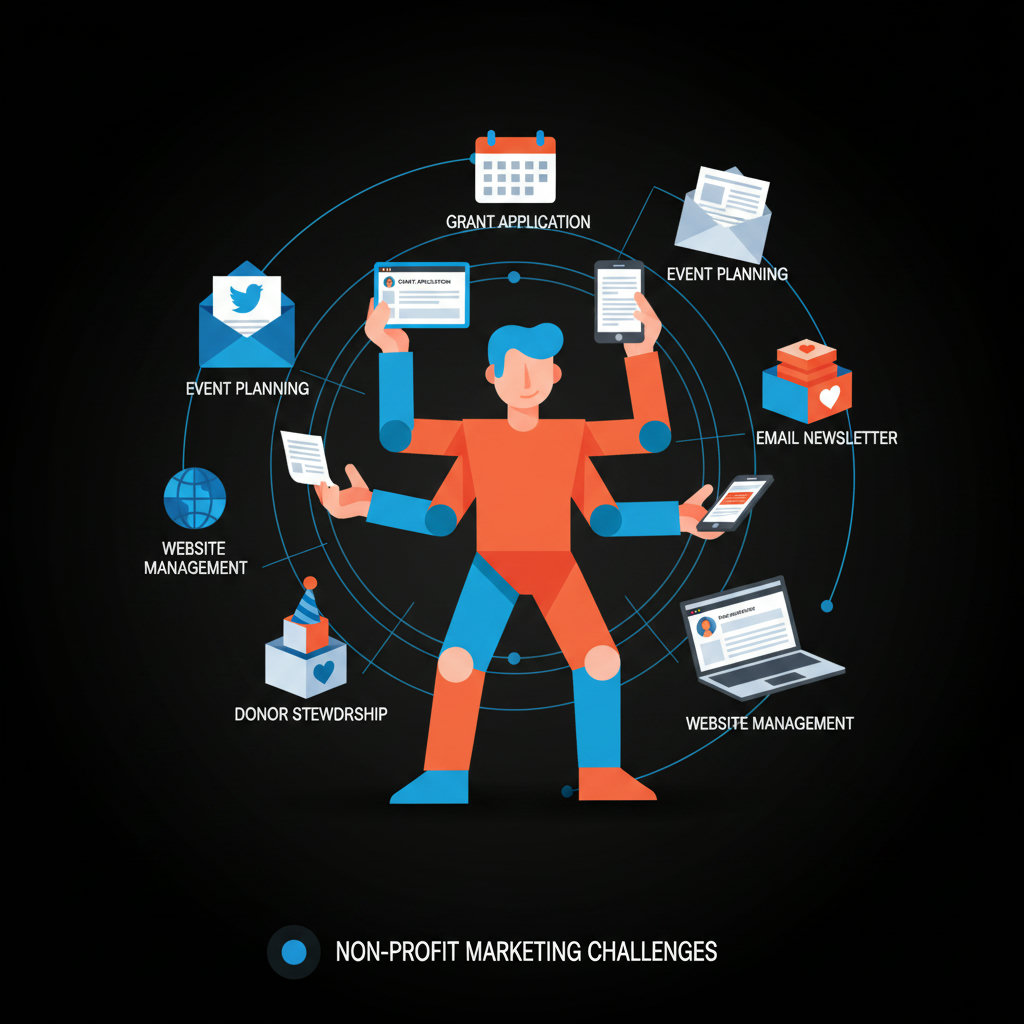
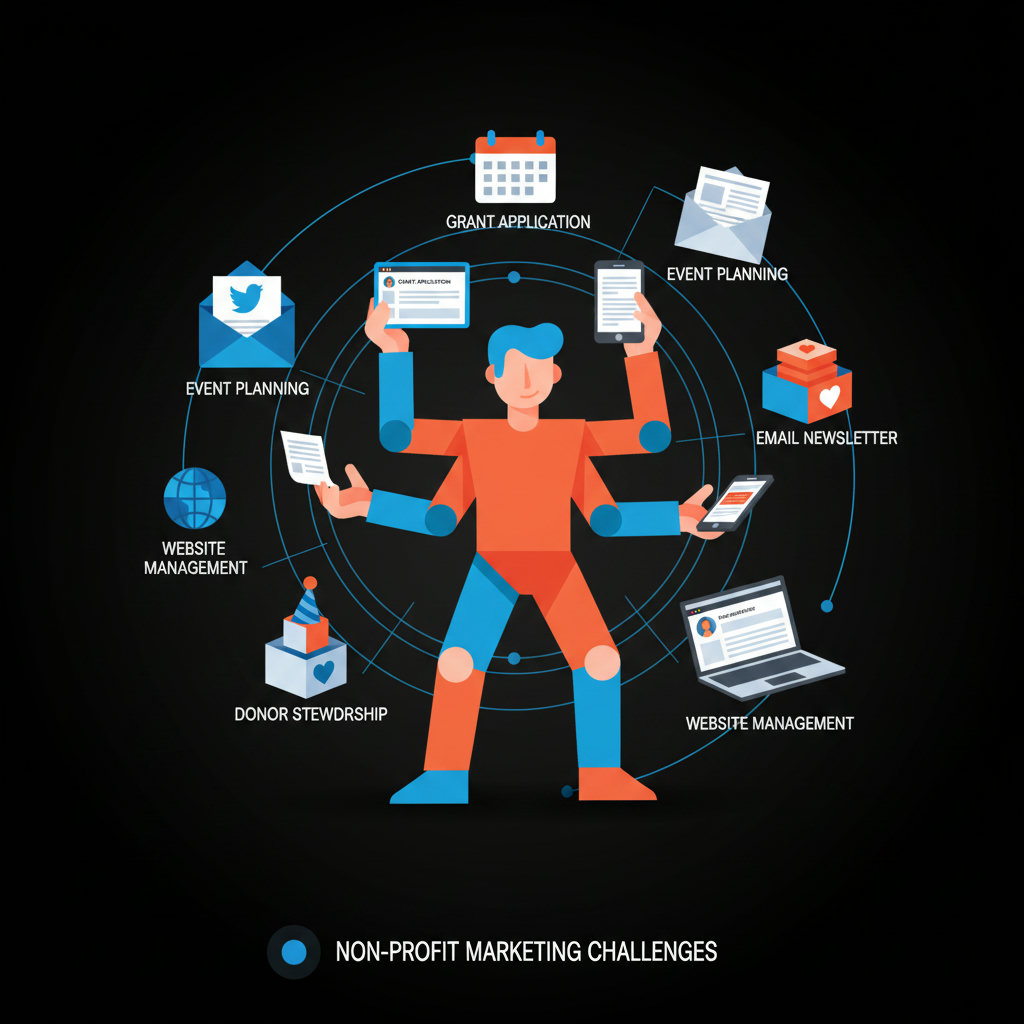
You’re juggling grant applications, donor stewardship, event planning, and then there’s the behemoth of marketing. Who has time to craft compelling campaigns, analyze engagement, and personalize every single interaction? It often feels like you need a time turner, a team of clones, or perhaps, some truly magical non-profit marketing tools. The sheer volume of responsibilities means that essential marketing efforts often get pushed to the back burner, despite their critical role in achieving your mission. From social media updates to email newsletters, from website management to fundraising appeals, each task demands precious resources that are almost always in short supply.
And let’s not forget the constant need to tell your story in a way that resonates, inspires action, and cuts through the digital noise. Crafting such compelling campaigns requires not just creativity, but also strategic thinking, something that’s hard to achieve when you’re constantly putting out fires. The pressure to do more with less is a persistent challenge, making the search for efficient and effective solutions more urgent than ever.
Understanding Your Digital Landscape
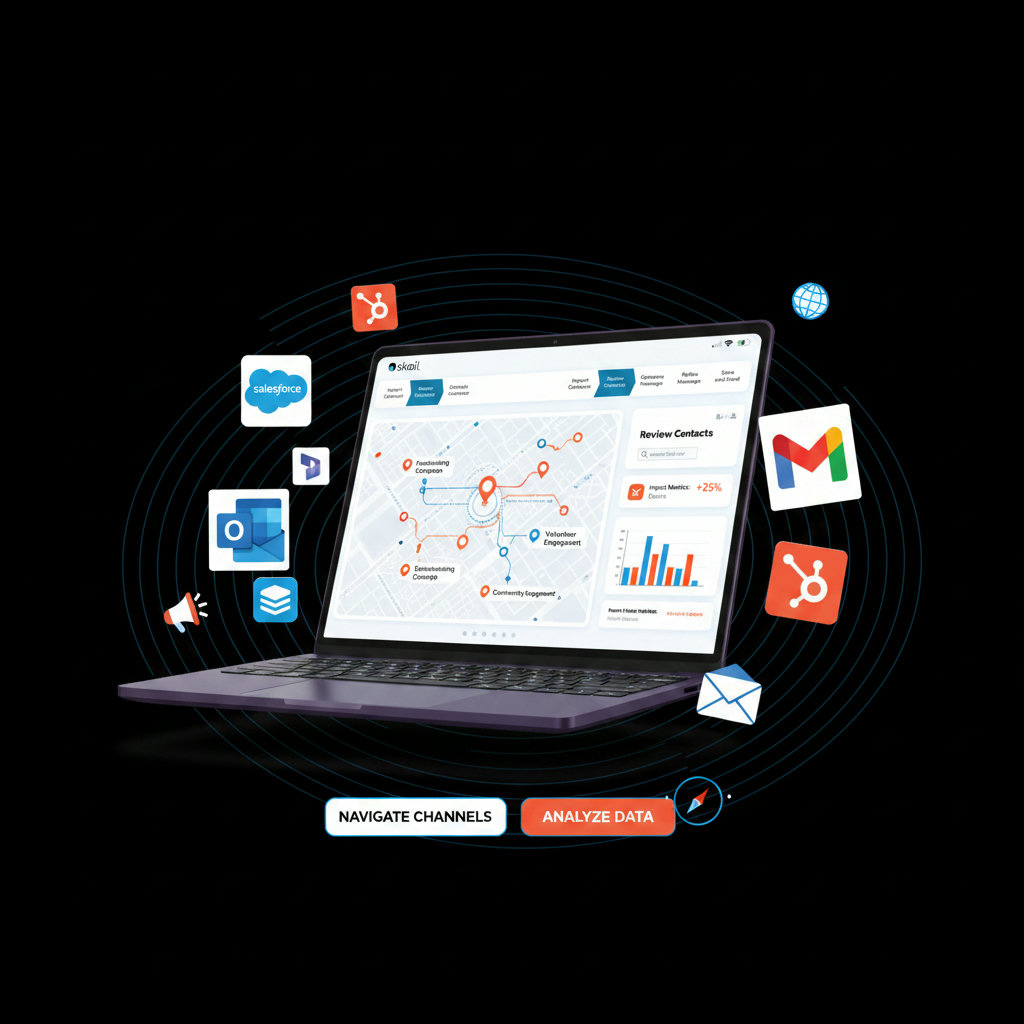
Ah, the digital frontier! It’s a vast, bustling place, isn’t it? For non-profits, navigating this space with effective non-profit marketing tools isn’t just a suggestion; it’s a necessity. But before we dive into crafting compelling stories and dazzling visuals, we need to understand the terrain. Think of yourself as a master cartographer, meticulously mapping out the world your content will inhabit. This isn’t just about throwing ideas at a wall; it’s about strategic insights.
Audience Deep Dive
Who are you actually talking to? Sounds simple, right? Not quite. A true audience deep dive goes far beyond basic demographics. Sure, age and location matter, but what truly motivates them? What are their pain points, their aspirations, their values? What platforms do they frequent? What kind of content do they consume? Understanding your audience on this deeper level allows you to tailor your message so it feels less like an advertisement and more like a conversation with a trusted friend. This isn’t just about knowing who they are, but why they care – or could care – about your cause. Tools that help you gather and analyze this data are invaluable asset for any non-profit.
Strategic Insights
Once you’ve deep-dived into your audience, you need to translate those insights into actionable strategies. This means identifying the key touchpoints where your message will have the most impact. Is your audience on Instagram, or are they more engaged with long-form email content? Do they prefer video stories or compelling infographics? Strategic insights involve understanding the broader trends in digital philanthropy and communications. It’s about knowing when to pivot, when to double down, and when to try something completely new. This requires a keen eye for data, but also a willingness to experiment and learn from what works (and what doesn’t!). For further reading on digital strategy, a comprehensive guide can be found on business strategy from Harvard Business Review.
Mapping Content Terrain
With your audience understood and your strategy ironed out, it’s time to map out your content terrain. This involves planning not just what you’ll say, but how and where you’ll say it. A content calendar isn’t just a schedule; it’s a strategic document that ensures consistency, relevance, and alignment with your mission. It helps you visualize your campaigns, identify gaps, and ensure that every piece of content serves a specific purpose. This holistic view of your content landscape ensures that your efforts are cohesive and impactful, rather than fragmented and accidental. It’s about creating a clear path for your message to reach your audience effectively.
Leveraging Effective Non-Profit Marketing Tools
Let’s face it, your mission is too important to be bogged down by inefficient processes. The right non-profit marketing tools aren’t just about saving time; they’re about maximizing your impact, allowing your team to focus on what truly matters. We’re talking about tools that transform tedious tasks into streamlined operations.
Streamlining Administrative Tasks
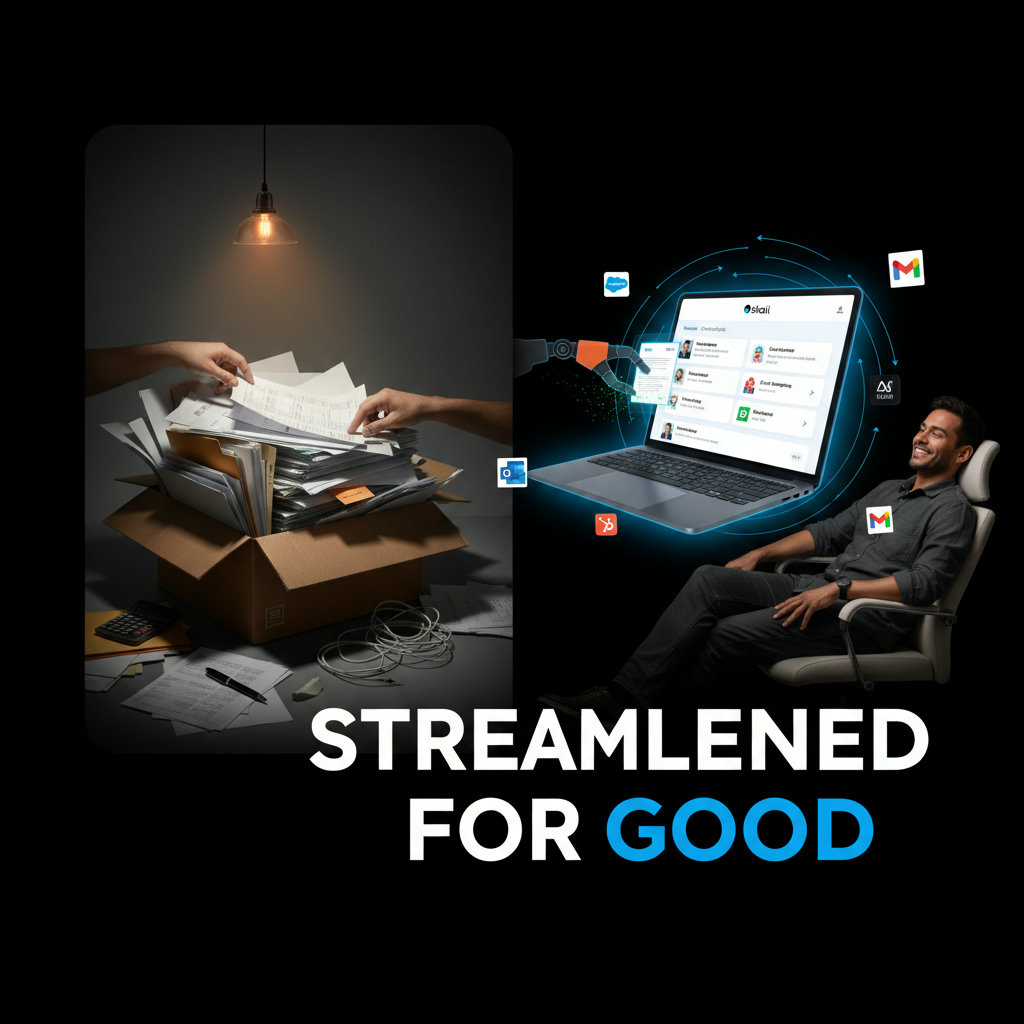
Think about all the administrative hurdles you jump over daily. Scheduling social media posts, sending out donor thank-you notes, updating your website with the latest news – these are all vital, but they can eat up valuable hours. Effective non-profit marketing tools automate these repetitive tasks, freeing up your team to engage more meaningfully with supporters and strategize bigger initiatives. Imagine a world where your social media calendar practically manages itself, or where donor communications are personalized and sent out with minimal effort. This isn’t science fiction; it’s the power of smart automation. AI employee advocacy platforms, for example, can significantly reduce the burden of content distribution by empowering your team to share your message organically, turning every employee into a potential advocate. This kind of automation isn’t just about efficiency; it’s about giving you back the most precious commodity you have: time.
Efficient Outreach Solutions
Reaching the right people with the right message at the right time is the holy grail of non-profit marketing. Efficient outreach solutions go beyond mass emails; they enable segmentation, personalization, and multi-channel delivery. Whether it’s targeted email campaigns for specific donor segments, personalized outreach on social media, or even advanced chatbot interactions on your website, these tools ensure your message lands where it’s most impactful. They help you build stronger relationships, increase engagement, and ultimately, drive more support for your cause. It’s about making every interaction count, turning passive recipients into active participants in your mission.
Driving Meaningful Change
Ultimately, all these efforts – the strategic planning, the audience insights, the streamlined operations – funnels into one goal: driving meaningful change. The right non-profit marketing tools don’t just help you manage tasks; they help you tell your story more powerfully, connect with more people, and inspire greater action. They empower you to showcase your impact, demonstrate your trustworthiness, and rally a community around your vision. When your marketing is efficient, targeted, and compelling, it magnifies your voice and extends your reach, directly contributing to the positive change you strive to create in the world.
Crafting Compelling Narratives and Visuals
In a world saturated with information, your non-profit’s story needs to shine. It needs to be a beacon of hope, inspiration, and urgency. This isn’t just about putting words on a page or images on a screen; it’s about crafting a narrative that moves hearts and minds, compelling people to action. It’s about transforming your mission into a vibrant, engaging experience.
Translating Impact into Stories
People don’t just donate to causes; they invest in stories. They want to know the tangible difference their support makes. Therefore, translating your impact into compelling narratives is paramount. Instead of dry statistics, tell the story of a life changed, a community uplifted, a challenge overcome. Use testimonials, case studies, and personal anecdotes that illustrate the real-world consequences of your work. These stories, whether in written form, video, or audio, create an emotional connection that resonates far deeper than any financial appeal alone. Think of it as painting a picture of hope with every word and frame.
Engaging Content Creation
Once you have your powerful stories, the next step is designing them into engaging content. This means diversifying your content formats to cater to different preferences and platforms. From captivating short-form videos for social media to in-depth blog posts that explore critical issues, from eye-catching infographics that simplify complex data to interactive quizzes that educate and entertain, the possibilities are vast. The key is to be creative and consistent. High-quality visuals, clear messaging, and a consistent brand voice are crucial to capturing and maintaining attention. For insight into how data can enhance storytelling, explore resources from the Pew Research Center, which frequently uses data visualization to tell complex stories.
Personalizing Interactions
Today’s digital landscape allows for unprecedented levels of personalization. Moving beyond generic communications, personalizing interactions means tailoring your message to individual donors, volunteers, and supporters. This could involve segmenting your email lists based on their past engagement, addressing them by name, referencing their previous contributions, or even suggesting specific programs they might be interested in based on their demonstrated interests. This level of personalized communication makes supporters feel seen, valued, and understood, fostering deeper loyalty and a stronger sense of shared purpose. It transforms a broadcast into a one-on-one conversation, building community one interaction at a time.
Measuring Success and Optimizing Campaigns
So, you’ve put in the hard work – crafted compelling stories, leveraged powerful non-profit marketing tools, and launched your campaigns. But the journey doesn’t end there! How do you know if your efforts are paying off? Measuring success isn’t just about looking at the bottom line; it’s about understanding what resonates, what inspires, and what truly drives your mission forward. This requires a dedicated approach to analytics and continuous optimization.
Analyzing Engagement Metrics
Engagement metrics are your window into how your audience is reacting to your content. Beyond just likes and shares, delve into comments, click-through rates, time spent on your website, and email open rates. These metrics provide invaluable insights into the effectiveness of your messaging and the platforms you’re using. Are people sharing your stories because they’re genuinely moved, or are they scrolling past? Are your calls to action compelling enough to elicit a click? Analyzing these nuances helps you understand the qualitative impact of your campaigns, not just the quantitative reach.
Tracking Campaign Performance
Every marketing campaign, whether for fundraising, awareness, or volunteer recruitment, should have clear, measurable goals. Tracking campaign performance involves setting key performance indicators (KPIs) and regularly monitoring your progress against them. This could include fundraising totals, website traffic increases, new donor acquisition rates, or event registrations. By consistently tracking these metrics, you can quickly identify what’s working well and what needs adjustment. Are certain messages outperforming others? Is one social media channel delivering better results than another? This data-driven approach allows you to make informed decisions and allocate your precious resources more effectively.
Continuous Improvement Strategies
The digital landscape is constantly evolving, and so too should your marketing strategies. Continuous improvement isn’t a one-time project; it’s an ongoing philosophy. Based on your engagement metrics and campaign performance, you should always be looking for opportunities to refine and optimize. This might mean A/B testing different headlines or visuals, experimenting with new content formats, adjusting your posting schedule, or even revamping your entire messaging strategy. The goal is to learn from every campaign, iterate, and continuously enhance your non-profit marketing tools for maximum impact. Think of it as a cycle of learning, adapting, and growing – always striving to connect more deeply and drive greater change. The more you refine, the more powerful your impact becomes. Cheers to that! 🥂
FAQ
What are the most essential non-profit marketing tools for small organizations?
For small non-profits, essential tools include email marketing platforms (like Mailchimp or Constant Contact), social media management tools (like Buffer or Hootsuite), a robust CRM for donor management, and a user-friendly website builder (like WordPress or Squarespace). Utilizing free or low-cost versions of these platforms can significantly boost your outreach without breaking the bank.
How can non-profits effectively tell their impact stories?
Non-profits can effectively tell impact stories by focusing on personal narratives, using strong visuals (photos and videos), incorporating testimonials from beneficiaries, and highlighting specific outcomes rather than just activities. Showing the “before and after” of your involvement creates a powerful and memorable narrative that resonates with audiences.
What is the role of social media in non-profit marketing?
Social media plays a crucial role by enabling non-profits to raise awareness, engage with their community, solicit donations, recruit volunteers, and share their impact stories widely. It provides a direct channel for communication and can quickly amplify your message through shares and interactions, making it one of the most vital non-profit marketing tools.
How can non-profits measure the ROI of their marketing efforts?
Measuring ROI for non-profits involves tracking key metrics such as donor acquisition cost, average donation size, retention rates, website traffic, conversion rates (e.g., sign-ups, donations), and audience engagement. While monetary return is important, also consider the “return on mission” – that is, how marketing efforts contribute to your organization’s core goals and impact.
Why is audience understanding so critical for non-profit marketing?
Understanding your audience is critical because it allows you to tailor your message, select the most effective communication channels, and create content that truly resonates. When you know your audience’s motivations, demographics, and preferred ways of engaging, you can craft more impactful campaigns that lead to increased support and stronger connections.