Understanding the Modern Non-Profit Landscape
Ah, the digital frontier! It’s a vast, bustling, and often bewildering place, isn’t it? For non-profits, navigating this ever-evolving space isn’t just about having a presence; it’s about making a profound impact. You see, with countless causes vying for attention, the challenge isn’t just to be seen, but to be heard, understood, and ultimately, supported. This is where the power of effective non-profit marketing tools truly shines. It’s not merely a suggestion; it’s an absolute necessity.
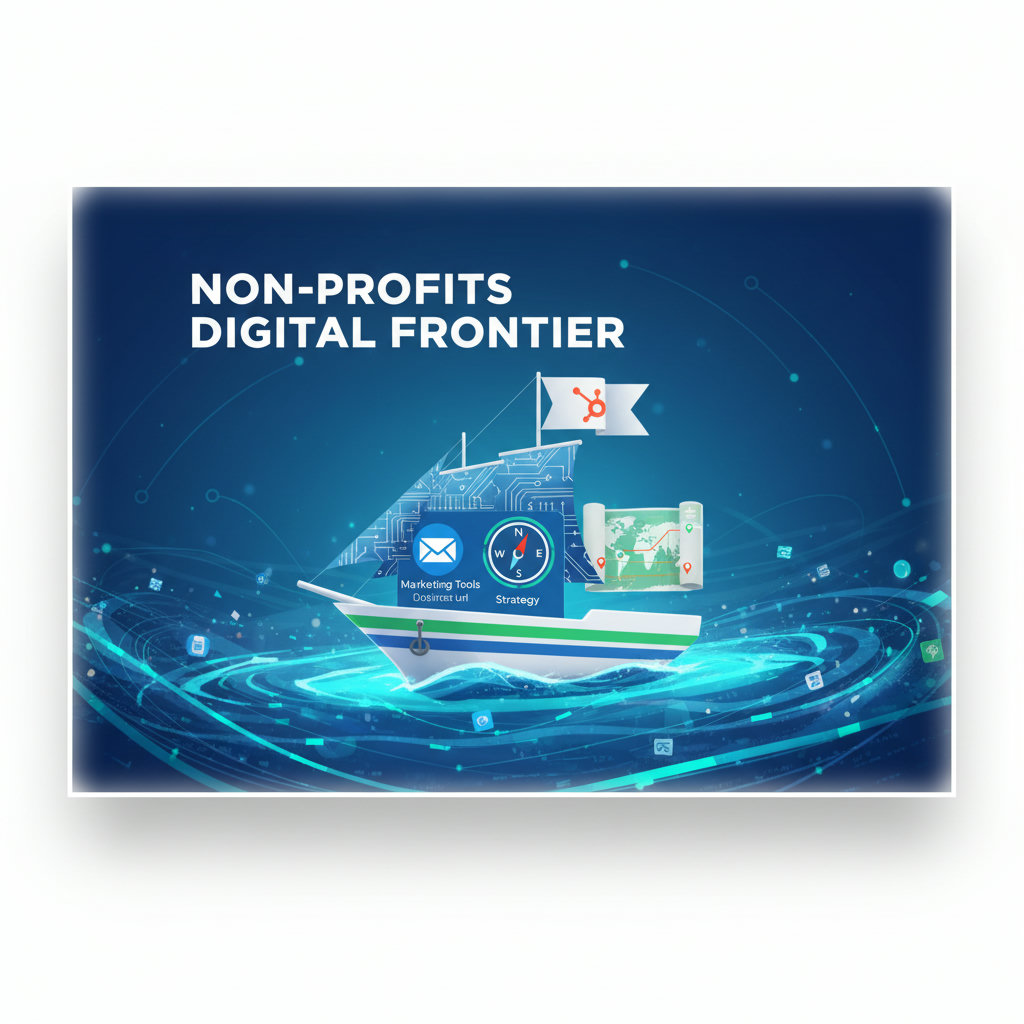
Imagine trying to steer a ship through a storm without a compass or a map. That’s what it feels like for many non-profits without the right digital strategy and the essential tools to execute it. Your vital message – the very heart of your mission – needs to cut through the relentless noise of the internet, reach the right hearts, and inspire action. But before we dive headfirst into crafting compelling stories and dazzling visuals, we need to understand the terrain. Think of yourself as a master cartographer, meticulously mapping out the world your content will inhabit. This isn’t just about throwing ideas at a wall and hoping something sticks; it’s about strategic insights, informed decisions, and leveraging every available resource to amplify your unique essence and voice.
Crafting Your Compelling Narrative
Who are you actually talking to? Sounds simple, right? Not quite. A true audience deep dive goes far beyond basic demographics. Sure, age and location matter, but what about their hopes, their fears, their passions? What moves them to care, to give, to act? You’re not just broadcasting; you’re building relationships. To do this, you need to tailor your messages with the precision of a master storyteller.
Every non-profit has a story – a powerful, human narrative that explains why you do what you do. It’s not just about statistics or grand goals; it’s about the lives you touch, the communities you uplift, and the change you ignite. Think of your communications not as solicitations, but as compelling invitations to join a movement. Your content should act like a carefully crafted love letter to your supporters, making them feel seen, valued, and essential to your mission. This isn’t just about asking for donations; it’s about forging a deep, emotional connection that transforms passive interest into passionate advocacy. By understanding your audience’s deepest motivations, you can craft narratives that resonate, engage, and inspire true commitment.
Leveraging Essential Marketing Tools
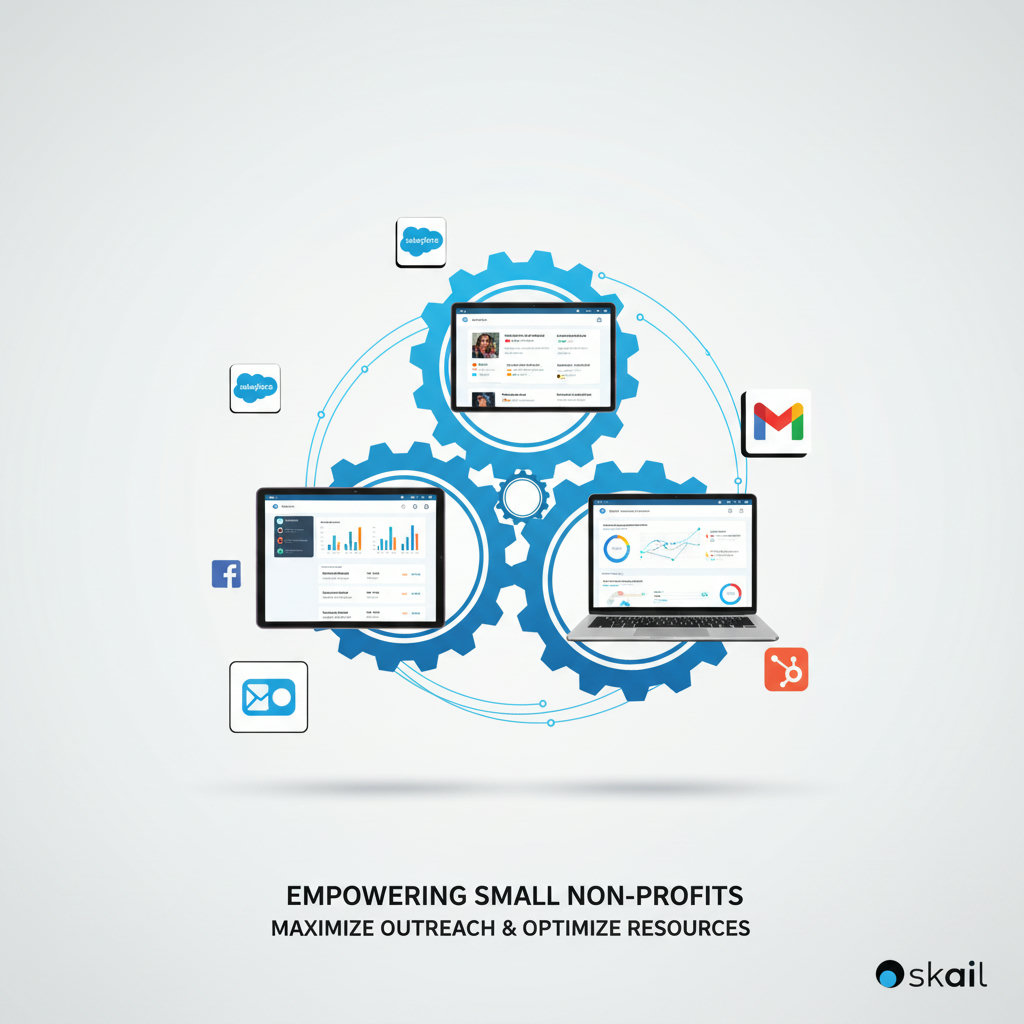
Let’s be honest, non-profits operate on passion, dedication, and often, extremely tight budgets. Every penny counts, and every hour of staff time is precious. That’s why leveraging the right non-profit marketing tools isn’t a luxury; it’s a strategic imperative for efficiency and resource optimization. These aren’t just gadgets; they’re force multipliers, enabling small teams to achieve monumental outreach.
From robust CRM systems that keep your donor data organized and accessible, to social media management platforms that streamline your online presence, and analytics dashboards that tell you what’s working (and what’s not), these tools form the backbone of a successful digital strategy. They free up your valuable human capital from repetitive tasks, allowing your team to focus on what truly matters: building relationships, crafting impactful campaigns, and ultimately, advancing your mission. The goal isn’t just to spend less, but to achieve more with what you have, maximizing your outreach and making every limited resource go further. It’s about working smarter, not just harder, to create a sustainable impact.
Mastering Email Marketing for Impact
When we talk about effective non-profit marketing tools, email marketing consistently rises to the top as an unsung hero. Why? Because it’s incredibly cost-effective, remarkably scalable, and profoundly personal. In a world saturated with fleeting social media posts, a well-crafted email lands directly in your supporter’s inbox, a more intimate and dedicated space.
Think of email as your direct line to your community. It’s where you can share in-depth stories, provide critical updates, announce successes, and, yes, make those crucial asks. The key lies in choosing the right email marketing platform – one that understands the unique needs of non-profits, offering features like segmentation, automation, and robust analytics without breaking the bank. With the right tool, you can send targeted messages to different donor segments, welcome new subscribers with automated sequences, and even recover lapsed donors, all while tracking open rates, click-throughs, and conversions. Done right, email isn’t just a communication channel; it’s a powerful engine for driving engagement, cultivating relationships, and inspiring consistent donations, helping your mission thrive.
Building Community and Advocacy
Your mission isn’t just about the work you do; it’s about the movement you create. And in today’s interconnected world, building community and fostering advocacy happens across a myriad of digital channels. This is where your non-profit marketing tools move beyond mere broadcasting to become platforms for engagement and collective action.
Think of social media, online forums, and even your website’s comment sections as digital town squares where supporters can connect with each other and with your cause. It’s about inspiring action, whether that’s signing a petition, sharing a post, volunteering for an event, or becoming a monthly donor. Tools that facilitate online discussions, manage volunteer sign-ups, and track advocacy campaigns are invaluable. But it’s not just about the tools; it’s about the strategy behind them. Encouraging your staff, board members, and most passionate supporters to become advocates – sharing your stories and calls to action within their own networks – can exponentially amplify your mission’s voice. This is where AI employee advocacy becomes a game-changer, transforming your internal team into a powerful external force, spreading your message authentically and widely. When your community feels truly invested, they become your most powerful marketers.
Measuring Success and Adapting
In the world of non-profit marketing, guesswork is a luxury you simply can’t afford. How do you know if your beautifully crafted email campaign resonated? Did that social media push actually lead to donations or volunteer sign-ups? This is where measuring success and adapting your strategies becomes absolutely critical. It’s about moving beyond intuition and embracing data-driven decision-making.
Effective non-profit marketing tools are equipped with analytics dashboards and reporting features that allow you to track key performance indicators (KPIs). These aren’t just vanity metrics; they are vital insights into what’s working and what isn’t. You should be looking at website traffic, conversion rates for donations, email open and click-through rates, social media engagement, and donor retention. By analyzing campaign effectiveness, you gain invaluable knowledge. Was the call to action clear? Did the imagery connect? Was the timing right? Armed with this data, you can engage in iterative improvement – refining your messages, tweaking your targeting, and optimizing your channels. This continuous cycle of planning, executing, measuring, and adapting ensures that your marketing efforts are always evolving, always improving, and always driving greater impact for your mission. It’s how you stay agile, responsive, and maximally effective in an ever-changing digital landscape. For a deeper understanding of digital campaign analytics, consider exploring resources like Wikipedia’s article on web analytics, which provides foundational knowledge for tracking online performance. Another excellent resource for understanding marketing strategies and measuring impact is the American Marketing Association (AMA).
FAQs: Essential Non-Profit Marketing Tools
What are the most crucial non-profit marketing tools for small organizations?
For small non-profits, the most crucial tools often include an affordable email marketing platform (many offer free tiers for non-profits), a social media scheduling tool, a basic CRM or donor management system, and Google Analytics for website insights. These provide foundational capabilities for outreach, engagement, and data tracking without requiring a large budget.
How can non-profits choose the right marketing tools with limited resources?
When resources are limited, focus on tools that offer robust features for non-profits, often including discounted or free plans. Prioritize tools that align directly with your core marketing goals (e.g., if donor communication is key, invest in email marketing). Look for platforms with good integration capabilities to avoid data silos and ensure ease of use for your team.
What role does social media play in non-profit marketing, and what tools help manage it?
Social media is vital for building community, raising awareness, and driving engagement. It allows non-profits to share stories, recruit volunteers, and promote campaigns. Tools like Hootsuite, Buffer, or even native scheduling features on platforms like Facebook and Instagram can help manage posting, engage with followers, and analyze performance efficiently.

How do non-profit marketing tools help with fundraising efforts?
Non-profit marketing tools are instrumental in fundraising by enabling targeted communication (email segmentation), expanding reach (social media campaigns), simplifying donation processes (integrated donation forms), and nurturing donor relationships (CRM systems). They help automate tasks, track donor journeys, and measure campaign effectiveness, leading to more successful fundraising.
What are the benefits of using an email marketing tool specifically designed for non-profits?
Email marketing tools designed for non-profits often come with specialized features like donor segmentation, fundraising templates, integration with CRM or donation platforms, and discounted pricing. They help non-profits craft compelling campaigns, automate communications, track engagement, and build stronger relationships with supporters, all while being budget-friendly.
Is it possible to track the effectiveness of non-profit marketing tools?
Absolutely! Most reputable non-profit marketing tools come with built-in analytics and reporting features. You can track metrics like email open rates, website traffic, conversion rates (e.g., donations, sign-ups), social media engagement, and donor retention. Regularly reviewing these metrics is crucial for understanding what works and optimizing future campaigns for maximum impact.