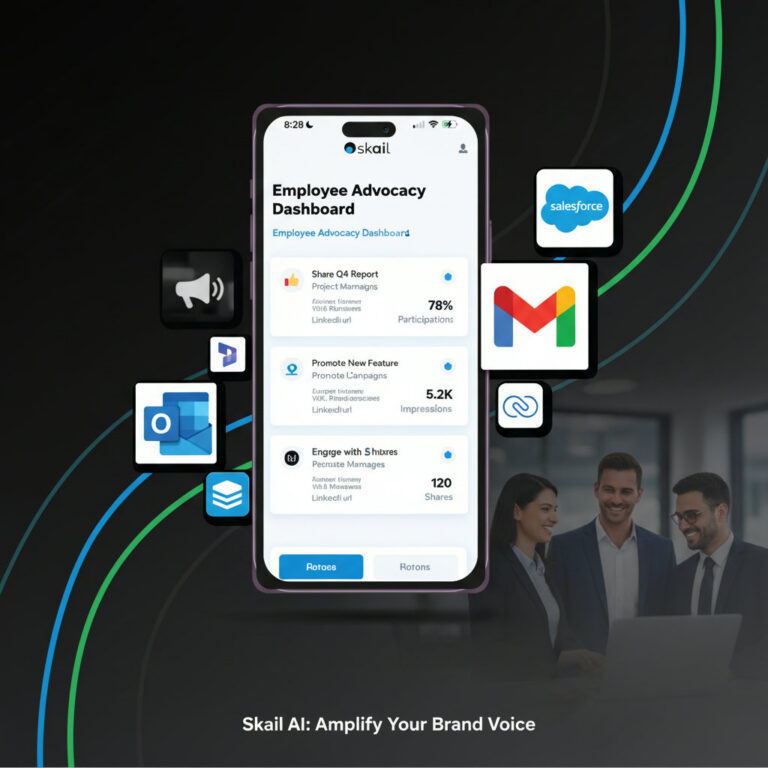
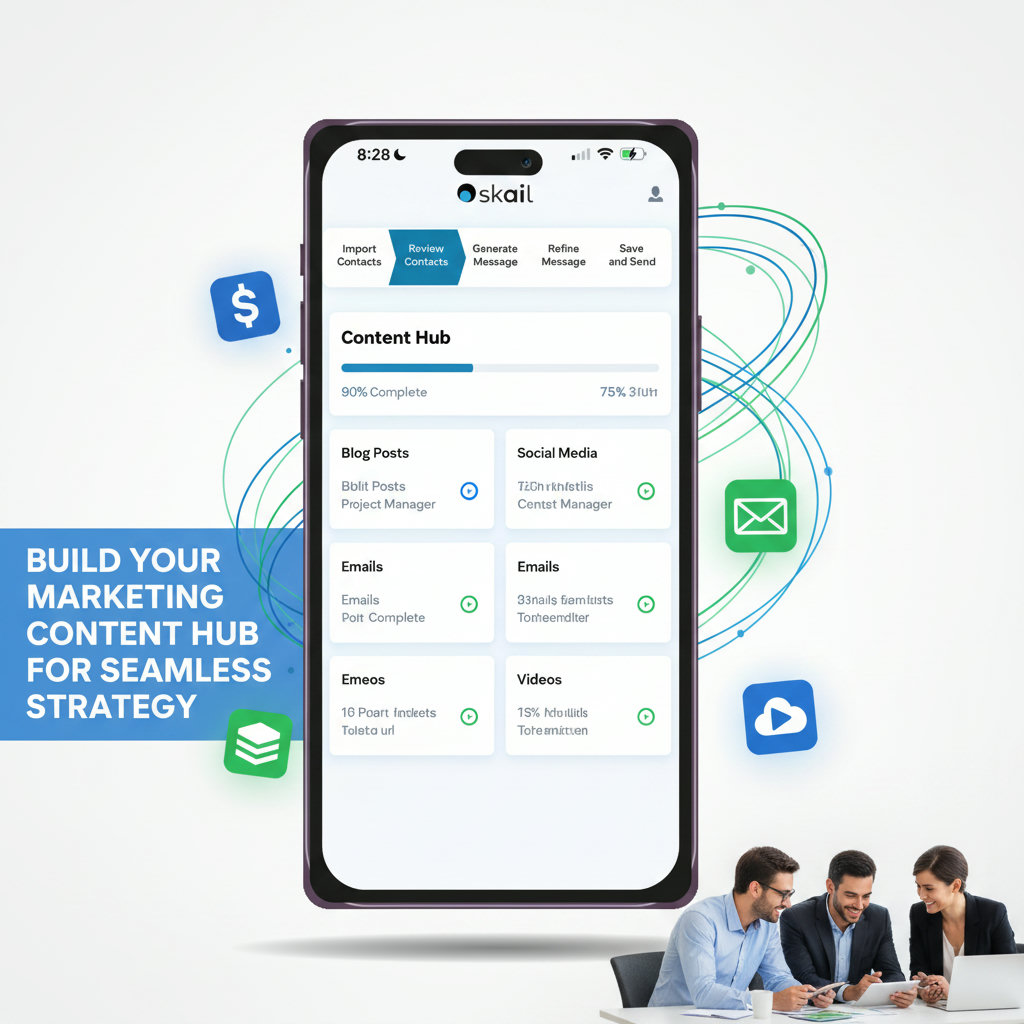
Ah, content – the very lifeblood of modern marketing! From blog posts that sparkle with insight to captivating videos and social snippets designed to go viral, we’re all swimming in a sea of creation. It’s an exciting, dynamic world, isn’t it? But let’s be honest, sometimes that sea feels less like a refreshing dip and more like a chaotic maelstrom. The sheer volume of assets, the constant demand for fresh ideas, the multi-platform distribution – it’s a lot to juggle. Every day presents new opportunities, but also new challenges in keeping everything aligned and effective.
The Modern Content Conundrum
You know the drill. You’ve got drafts scattered across shared drives, final versions buried in cloud storage, and images living on a designer’s hard drive. Your social media team is frantically searching for that one perfect infographic, while the sales team is struggling to find the latest case study to share with a hot lead. Sound familiar? This isn’t just disorganization; it’s a silent killer of productivity and a voracious eater of marketing budgets. Each minute spent hunting for an asset is a minute not spent engaging with your audience, refining a message, or nurturing a lead.

This “content chaos” isn’t merely an inconvenience; it actively erodes your marketing effectiveness. Think about it: outdated information inadvertently shared, inconsistent brand messaging across channels, brilliant content never seeing the light of day because it can’t be found. The opportunities lost are staggering – from missed sales conversions to a diluted brand voice. In a world where attention is the ultimate currency, friction in your content workflow means you’re losing out on both engagement and, ultimately, your return on investment.
What is a Content Hub?
So, what’s the antidote to this digital disarray? Enter the marketing content hub. But let’s be clear: this isn’t just another glorified file-sharing service. Oh no, it’s far more strategic, more encompassing, and frankly, more revolutionary. A content hub is a centralized, intelligent platform designed to manage the entire lifecycle of your content – from creation and storage to distribution, tracking, and analysis. It’s the nerve center for all your valuable digital assets, ensuring they are not just stored, but are actively working for you.
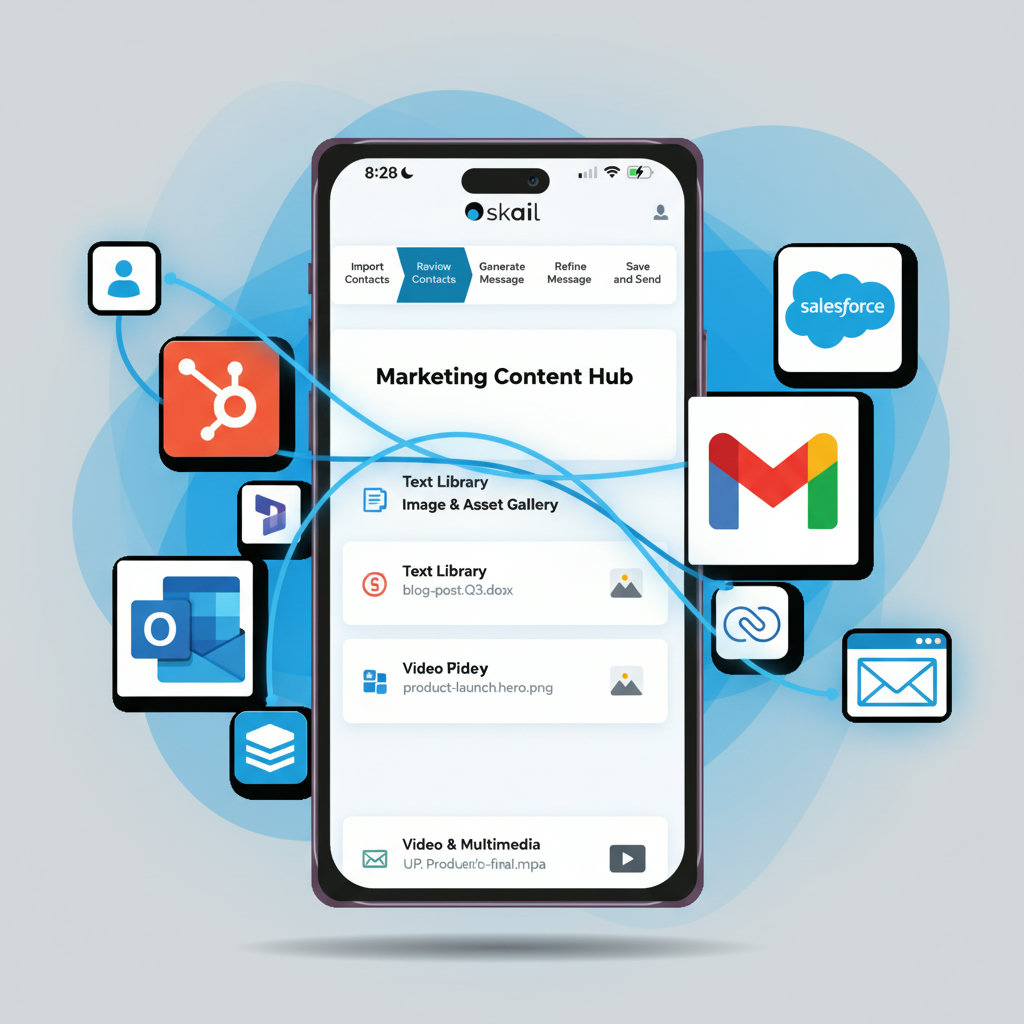
Forget the days of disparate systems and endless searches. A true content hub goes beyond basic storage by integrating various aspects of content operations. It’s a single source of truth for your brand’s stories, images, videos, and documents, meticulously organized and easily searchable. Its core purpose? To transform your content from a scattered collection of files into a powerful, accessible, and measurable asset.
Key functionalities elevate a content hub far above simple storage. We’re talking about features like robust version control, allowing you to track changes and revert as needed; powerful search capabilities that let you find exactly what you need in seconds; customizable workflows to streamline approval processes; and perhaps most crucially, seamless distribution across all your channels. Imagine updating a brand guideline in one place and knowing it’s instantly reflected everywhere. That’s the power of a well-implemented marketing content hub.
Why Your Business Needs a Content Hub
Still on the fence? Let’s talk about the tangible benefits – because in marketing, everything eventually comes back to impact and results. First and foremost, a dedicated marketing content hub dramatically enhances your content ROI. When assets are easily discoverable and deployable, your teams spend less time searching and more time utilizing them effectively. This means existing content gets reused and repurposed more often, extending its shelf life and maximizing the value of your initial investment. No more reinventing the wheel!
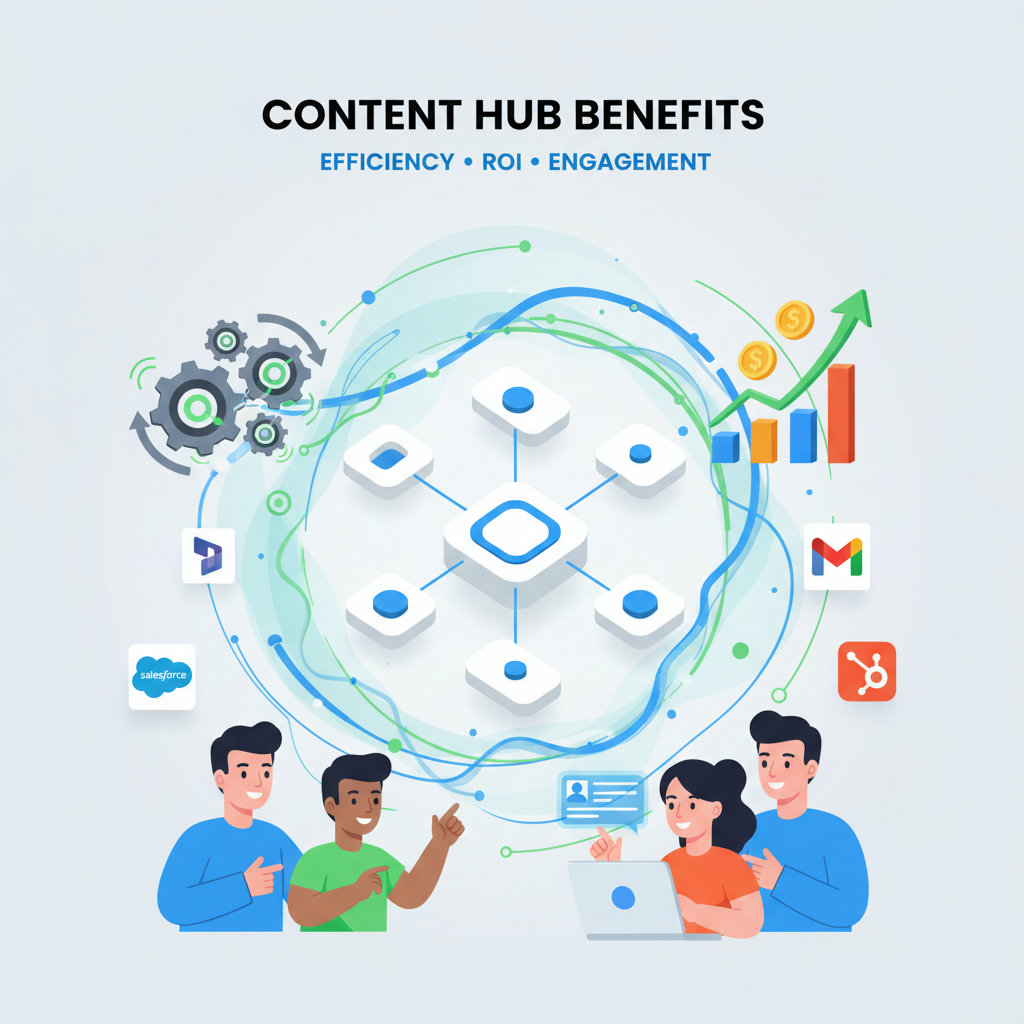
Beyond efficiency, a content hub is a turbo-charger for engagement and reach. By making it simple to distribute content consistently across multiple platforms – your website, social media, email campaigns, sales enablement tools – you ensure your message reaches your audience wherever they are. This consistent presence strengthens your brand voice, reinforces your authority, and builds deeper connections. Imagine the ease with which your sales team can share relevant content, or how quickly your social media manager can push out timely updates. This agility translates directly into higher engagement metrics.
And then there’s the operational streamlining – a marketer’s dream! A content hub centralizes workflows, automates distribution tasks, and provides a clear overview of all content activities. This reduces redundancies, minimizes errors, and ensures everyone is working from the same playbook. It frees up your valuable human resources from administrative tasks, allowing them to focus on creativity, strategy, and innovation. This efficiency isn’t just about saving time; it’s about optimizing every single facet of your content operation, making it lean, agile, and incredibly effective.
Key Features of Effective Content Hub Software
So, what should you look for in this magical organizational tool? Not all content hubs are created equal, and understanding the vital features can make all the difference. At its core, an effective system must offer centralized asset management. This means intuitive organization, comprehensive tagging, and powerful search functionalities. You should be able to store all types of media – documents, images, videos, audio – and categorize them with precision, making them easily retrievable for any team member, at any time. Think of it as a meticulously curated digital library, but one where every book is instantly at your fingertips.
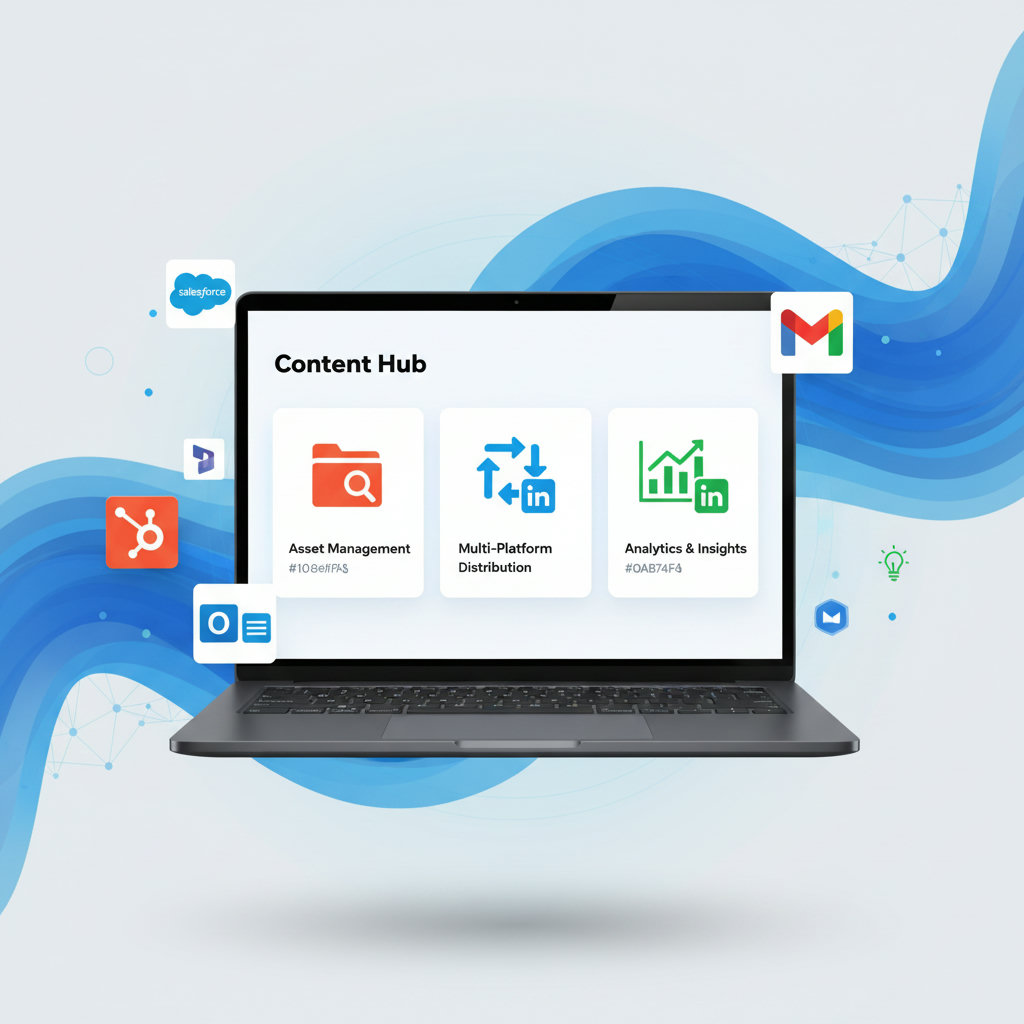
Next, consider multi-platform distribution and tracking. It’s not enough to just store content; you need to push it out into the world and see what happens. The best content hubs integrate seamlessly with your marketing channels, allowing for one-click publishing to social media, websites, email platforms, and more. Crucially, they also track how that content performs once it’s out there. This leads us to the third essential feature: analytics and performance insights. A truly valuable content hub doesn’t just store and send; it measures. It tells you which content resonates, which channels are most effective, and what adjustments need to be made to optimize your strategy. Data-driven decisions become effortless when your hub provides clear, actionable insights.
Beyond these core elements, look for features like collaborative tools, robust security, and scalability. Your marketing content hub should grow with you, protecting your valuable assets while fostering teamwork. For more insights on digital asset management, Wikipedia offers a great overview of how these systems function in the broader digital landscape.
Choosing the Right Content Hub Software
The market is awash with options, and navigating it can feel like another form of chaos. The key to choosing the right content hub software for your business lies in a thoughtful, strategic approach. Start by assessing your current challenges. What are your biggest pain points right now? Is it content discoverability, version control nightmares, slow approval processes, or an inability to measure ROI? Be brutally honest about where your current system (or lack thereof) is failing you.
Once you’ve identified your pain points, articulate your critical needs and desired outcomes. Do you need a system primarily for internal knowledge sharing, or is external distribution and performance tracking your top priority? How many users will need access? What are your budget constraints? Knowing what you want to achieve will help you filter through the noise.
Finally, consider the selection criteria. Look for a solution that offers the key features we discussed, but also prioritize ease of use, integration capabilities with your existing tech stack (CRM, marketing automation, etc.), and excellent customer support. Don’t forget to ask about scalability and security. And remember, the right choice isn’t necessarily the most expensive or feature-rich; it’s the one that best solves your specific problems and aligns with your team’s workflow. For more advice on content strategy, Forbes Advisor provides excellent resources on effective content marketing approaches.
Unlock Your Content’s Full Potential with Skail
Ready to transform your content from a chaotic collection into a powerful, revenue-generating engine? Skail offers a unique approach to conquering content chaos and driving exceptional results. Our platform is designed as a comprehensive marketing content hub, specifically engineered to streamline your operations, amplify your message, and supercharge your ROI. We understand that your unique essence and voice are paramount, and our hub is built to ensure that voice is heard loud and clear, consistently, across all channels.
With Skail, you’re not just organizing content; you’re orchestrating success. Our intuitive features simplify asset management, enable seamless multi-platform distribution, and provide deep analytics to prove your content’s impact. Imagine a world where your sales team effortlessly finds the perfect pitch deck, your social media team curates engaging posts in minutes, and you always know which content is driving the most leads. That’s the Skail difference.
We’re trusted by over 15,000 users who have experienced the profound benefits of a truly integrated content strategy. Our mission is to help you achieve measurable ROI and unparalleled engagement, making your content work harder and smarter for you. Curious to see how Skail can revolutionize your content strategy and even boost your AI employee advocacy efforts? You don’t have to just imagine it. Why not experience the transformation firsthand? Try Skail for free and discover how effortless and impactful your content operations can be. It’s time to move beyond chaos and embrace clarity, control, and conversion.
FAQ Section
What is the primary benefit of using a marketing content hub?
The primary benefit is centralizing and streamlining all aspects of your content operations. This leads to enhanced efficiency, improved content discoverability, consistent brand messaging, and ultimately, a higher return on your content investment (ROI) and better audience engagement.
How does a content hub differ from cloud storage solutions like Google Drive or Dropbox?
While cloud storage offers file storage, a content hub provides advanced functionalities specifically for content marketing. It includes features like detailed metadata tagging, version control, workflow automation, direct multi-platform distribution, and integrated analytics, which go far beyond simple file saving and sharing.
Can a content hub integrate with my existing marketing tools?
Yes, effective content hub software is designed to integrate seamlessly with various marketing tools such as CRM systems (e.g., Salesforce), marketing automation platforms (e.g., HubSpot), social media schedulers, and content management systems (CMS). This ensures a connected and efficient workflow across your entire tech stack.
What types of content can be managed within a marketing content hub?
A comprehensive content hub can manage virtually all types of digital content, including text-based articles (blog posts, whitepapers, e-books), images (infographics, photos), videos, audio files (podcasts), presentations, brand guidelines, sales enablement materials, and social media assets.
Is a content hub suitable for small businesses or primarily for large enterprises?
A content hub is beneficial for businesses of all sizes. While large enterprises certainly benefit from managing vast amounts of content, small to medium-sized businesses can also gain significant advantages in terms of efficiency, organization, and maximizing their limited resources. Scalable solutions are available to fit different business needs and budgets.
How does a content hub help improve content performance and ROI?
By providing centralized analytics, a content hub allows you to track which content performs best, on which channels, and with which audiences. This data empowers you to make informed decisions, optimize your content strategy, repurpose high-performing assets, and ultimately allocate resources more effectively, leading to a higher ROI on your content efforts.