
Understanding the Evolving Landscape
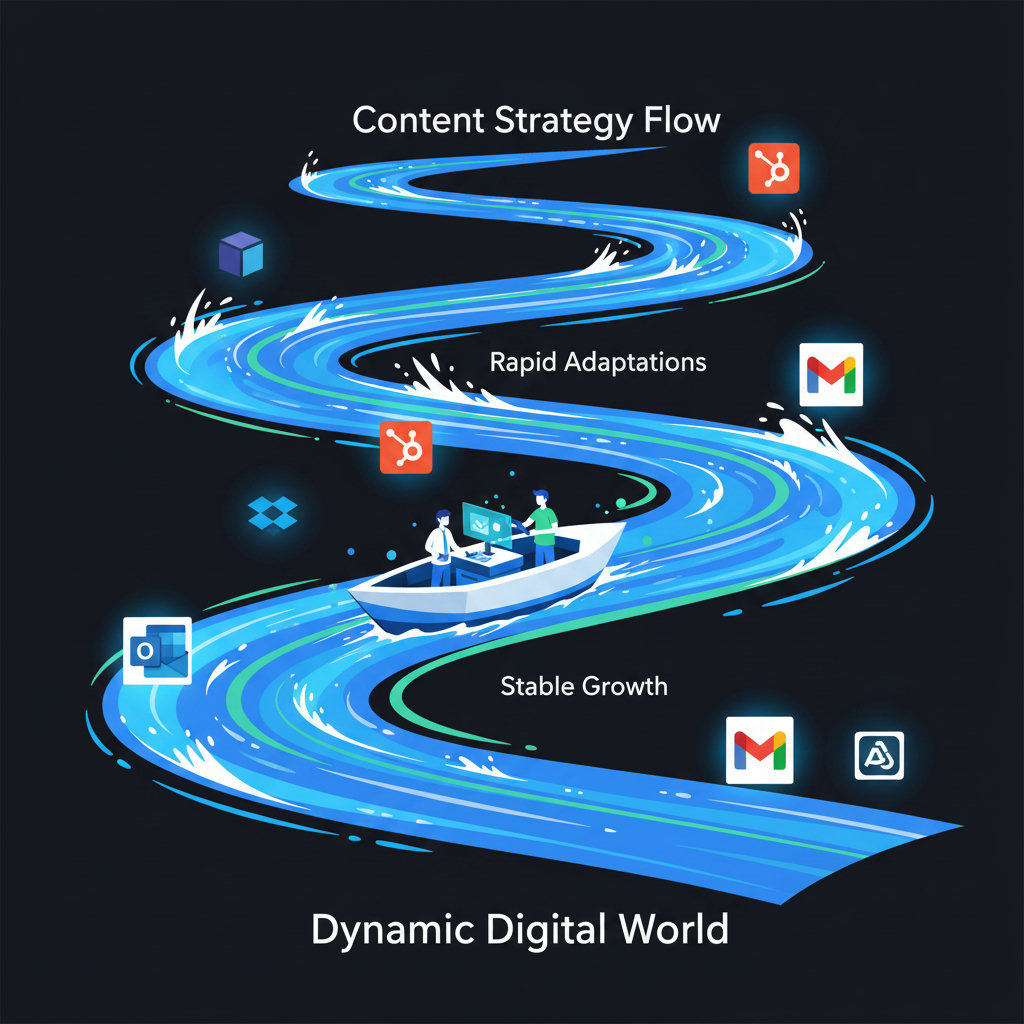
Ah, the digital world! It’s less like a placid lake and more like a raging river, isn’t it? One minute you’re gracefully navigating, the next you’re dodging rapids and trying to stay afloat. For businesses, this translates directly to their content strategy. What worked yesterday might be old news tomorrow, and staying ahead of the curve is crucial to truly enhance brand credibility. But how do we do it? How do we build a content strategy that doesn’t just survive, but thrives amidst constant change? Let’s dive in.
A. Market Dynamics
The first step, really, is to acknowledge the sheer dynamism of the market. It’s a living, breathing entity that constantly shifts.
-
Audience shifts: Our audiences aren’t static. Their preferences change, their attention spans vary, and their preferred platforms evolve. The younger generations might gravitate towards short-form video, while seasoned professionals might prefer in-depth articles or podcasts. Understanding these nuances isn’t a one-time task; it’s an ongoing journey.
-
Technological advancements: From AI-powered content creation tools to new social media features, technology is a relentless driver of change. Remember when everyone was scrambling to figure out Snapchat stories? Or now, how AI is impacting everything from SEO to content personalization? Embracing these changes, rather than resisting them, is key to staying relevant.

B. Competitive Intelligence
In this ever-shifting landscape, you’re not alone. Your competitors are right there with you, trying to paddle just as fast, if not faster.
-
Competitor content analysis: What are your rivals doing well? Where are their gaps? Analyzing their most successful content, their distribution channels, and their audience engagement can offer invaluable insights. It’s not about copying; it’s about learning and then innovating.
-
Emerging trends: Beyond direct competitors, what broader content trends are emerging in your industry or even in adjacent ones? Is interactive content gaining traction? Are long-form opinion pieces making a comeback? Keeping an eye on these trends helps you anticipate, rather than just react.
C. Internal Capabilities
Before you can conquer the content world, you need to look inward. What resources do you have at your disposal?
-
Resource assessment: Do you have the budget for video production, or are you better off focusing on high-quality written content? Do you have a team of in-house writers, or do you rely on freelancers? A clear-eyed view of your resources – human, financial, and technological – is fundamental.
-
Skill gaps: Perhaps you want to venture into podcasting, but no one on your team has audio editing skills. Or maybe you’re realizing the power of AI employee advocacy but lack the expertise to implement it effectively. Identifying these skill gaps allows you to plan for training, hiring, or outsourcing, ensuring your strategy isn’t limited by internal constraints.
Defining Core Objectives & Audience
Without a clear destination, any road will do, right? Not in content strategy! To truly enhance brand credibility, your efforts need to be laser-focused.
A. Strategic Goals
Every piece of content, every campaign, should tie back to something bigger.
-
Business alignment: Is your content driving actual business results? Are you trying to boost sales, increase brand awareness, generate leads, or improve customer loyalty? Your content strategy must directly support these overarching business objectives.
-
Key performance indicators (KPIs): How will you measure success? It’s not enough to say “more engagement.” You need concrete KPIs, whether it’s website traffic, conversion rates, social shares, or time spent on page. These metrics provide the roadmap for what to optimize.
B. Audience Segmentation
You can’t speak to everyone effectively, and trying to often means speaking to no one profoundly.
-
Persona development: Who exactly are you trying to reach? Creating detailed buyer personas – complete with demographics, psychographics, motivations, and pain points – is critical. This isn’t just a marketing exercise; it’s the foundation for crafting content that truly resonates.
-
Pain points & desires: What problems are your audience trying to solve? What aspirations do they have? Your content should position your brand as the solution to their struggles and the enabler of their dreams. This deep understanding builds trust and relevance.
C. Value Proposition
What makes you, YOU? And why should anyone care?
-
Unique selling points (USPs): What sets your brand apart from the competition? Is it your innovative product, your exceptional customer service, or your unique company culture? Your content should consistently highlight these USPs.

-
Brand messaging: Beyond “what” you offer, it’s also about “how” you communicate it. Is your brand voice authoritative, playful, empathetic, or disruptive? Consistent brand messaging across all content channels reinforces your identity and helps to enhance brand credibility.
Content Pillars & Formats
Now that we know why we’re creating content and for whom, let’s talk about what we’re actually going to produce.
A. Thematic Categories
Think of these as the foundational principles of your content universe.
-
Core topics: What are the non-negotiable subjects that define your brand’s expertise? These are the areas where you aim to be a thought leader. Identify 3-5 core topics that directly relate to your business and audience’s needs.
-
Evergreen content: This is the content that stands the test of time. Tutorials, how-to guides, definitions, and foundational concepts that remain relevant for months or even years. Investing in evergreen content yields long-term SEO benefits and continues to draw in organic traffic, helping to consistently enhance brand credibility. For more on the importance of evergreen content, you can refer to resources like Wikipedia’s page on Content Marketing.
B. Content Types
Variety is the spice of life, and content! Different messages resonate best through different mediums.
-
Blog posts, video, podcasts: Don’t limit yourself. While blog posts are foundational, consider visual storytelling through video, or audio engagement through podcasts, especially if your audience is on the go.
-
Interactive experiences: Quizzes, polls, calculators, and interactive infographics can significantly boost engagement and provide valuable data on user preferences. These types of content are highly shareable and can be a fantastic way to enhance brand credibility by offering tangible value.
C. Distribution Channels
Creating great content is only half the battle; getting it seen is the other!
-
Organic search: This is the bedrock for many. Optimizing for SEO – keywords, meta descriptions, site structure – ensures your content is discoverable when people are actively searching for solutions. Keeping up with search engine algorithm changes is a continuous endeavor. A good starting point for understanding SEO best practices can be found on resources like Google Search Central’s SEO Starter Guide.
-
Social, email, paid: Leverage your existing audience through social media and email newsletters. Supplement organic efforts with targeted paid advertising to reach new segments and amplify your message.
Production & Optimization Workflow
Great content strategies don’t happen by accident; they’re the result of meticulous planning and execution.
A. Content Planning
Chaos is the enemy of consistency. A solid plan brings order.
-
Editorial calendar: This is your content roadmap. It outlines topics, formats, responsible parties, deadlines, and distribution channels. A well-maintained editorial calendar ensures flow and prevents last-minute scrambles.
-
Workflow management: From brainstorming to publication, define a clear process. Who approves what? When do edits happen? Streamlining this workflow saves time and ensures quality. Collaboration tools can be incredibly effective here.
B. Creation & Curation
This is where the magic happens – bringing your ideas to life.
-
Internal vs. external: Decide what content can be produced in-house and what requires external expertise (freelancers, agencies, subject matter experts). This depends heavily on your budget and internal skill sets.
-
Quality control: Every piece of content should reflect your brand’s commitment to excellence. Implement rigorous editing, fact-checking, and brand guideline reviews to maintain a high standard. This directly impacts your ability to enhance brand credibility.
C. Performance Measurement
Once your content is out there, the work isn’t done. Now, you observe and learn.
-
Analytics tracking: Utilize tools like Google Analytics, social media insights, and email marketing dashboards to track your KPIs. Which content performs best? What drives conversions? What falls flat?
-
A/B testing: Don’t just guess. Test different headlines, calls to action, visual elements, or even content formats to see what resonates most with your audience. Data-driven decisions are always more effective than assumptions.
Agile Adaptation & Iteration
The “future-proof” part isn’t about building something once and letting it run. It’s about building in the capacity to constantly evolve.
A. Feedback Loops
Your audience is your most valuable consultant – listen to them!
-
Audience engagement: Monitor comments, direct messages, social shares, and survey responses. What questions are people asking? What topics are they most passionate about? This direct feedback is gold for future content creation and helps you enhance brand credibility by being responsive.
-
Stakeholder input: Don’t forget your internal teams – sales, customer service, product development. They have direct insights into customer pain points and market needs that can inform your content strategy.
B. Trend Monitoring
Keep your finger on the pulse of the digital world.
-
Industry news: Subscribe to industry publications, follow thought leaders, and attend virtual conferences. Staying informed about broader industry shifts allows you to adapt your content proactively.
-
Algorithm changes: Search engines and social media platforms frequently update their algorithms, which can dramatically impact content visibility. Being aware of these changes allows you to adjust your strategy to maintain reach and relevance.
C. Strategic Adjustments
Based on all this data and feedback, be ready to pivot.
-
Content refresh: Don’t let evergreen content go stale! Regularly update older posts with new information, statistics, or examples to keep them relevant and performing well in search results. This signals to both search engines and your audience that your content is current and valuable.
-
New initiatives: Sometimes, the market shifts so fundamentally that a completely new approach is needed. Be prepared to launch new content formats, explore new platforms, or even redefine your core messaging if that’s what the data dictates. This agility is what truly allows you to enhance brand credibility in an ever-changing world.
FAQ Section
What is a future-proof content strategy?
A future-proof content strategy is an adaptable and iterative plan designed to remain effective despite constant changes in market dynamics, audience preferences, and technological advancements. It focuses on long-term relevance by integrating continuous feedback, trend monitoring, and strategic adjustments.
Why is it important to enhance brand credibility through content?
Enhancing brand credibility through content builds trust and authority with your audience. When your brand is seen as a reliable source of valuable, accurate, and relevant information, it strengthens customer loyalty, attracts new clients, and positions you as a leader in your industry. This trust is crucial for sustainable business growth.
How often should I review and update my content strategy?
While there’s no fixed rule, it’s advisable to conduct a comprehensive review of your content strategy at least quarterly or bi-annually. However, you should continuously monitor performance analytics, audience feedback, and industry trends on a weekly or monthly basis to make smaller, more agile adjustments as needed. Algorithm changes or significant market shifts might warrant more immediate revisions.
What are some key metrics to track for content strategy success?
Key metrics include website traffic (page views, unique visitors, bounce rate), engagement (time on page, social shares, comments, clicks), conversion rates (lead generation, sales, sign-ups), and SEO performance (keyword rankings, organic search visibility). The specific KPIs will depend on your strategic goals, but a combination of these provides a holistic view of your content’s effectiveness.
How can a business with limited resources create a future-proof content strategy?
Businesses with limited resources should prioritize strategic planning and focus on quality over quantity. Concentrate on developing strong evergreen content around core topics, repurpose existing content into different formats, and heavily rely on organic distribution channels (SEO, social media) that require less financial investment. Leveraging free analytics tools and community engagement can also be highly effective. Simplicity and consistency are key.