Ever wondered how some brands just radiate trustworthiness? How they seem to effortlessly attract talent, delight customers, and become the talk of the town? It’s not magic, dear reader, though sometimes it feels pretty close! It’s often fueled by an incredible, yet frequently undervalued, force: their own employees. In today’s hyper-connected world, where trust is an elusive, slippery commodity, leveraging your workforce to enhance brand credibility isn’t just smart – it’s essential for sustained success. This isn’t just about getting likes; it’s about building a genuine, human connection that resonates deeply. Let’s dive into the fascinating world where your team becomes your most powerful marketing asset.
The Untapped Potential: Why Employee Social Sharing Matters
Ah, time! That elusive, slippery commodity we all chase. And in the world of marketing and brand building, it feels like we never have enough, especially when it comes to getting our message out there. We pour countless hours into crafting the perfect campaign, designing stunning visuals, and writing compelling copy. But what if the most impactful messengers were already on your payroll? Employee social sharing is about activating this latent power, turning every team member into a potential beacon for your brand.
Credibility in a Skeptical World
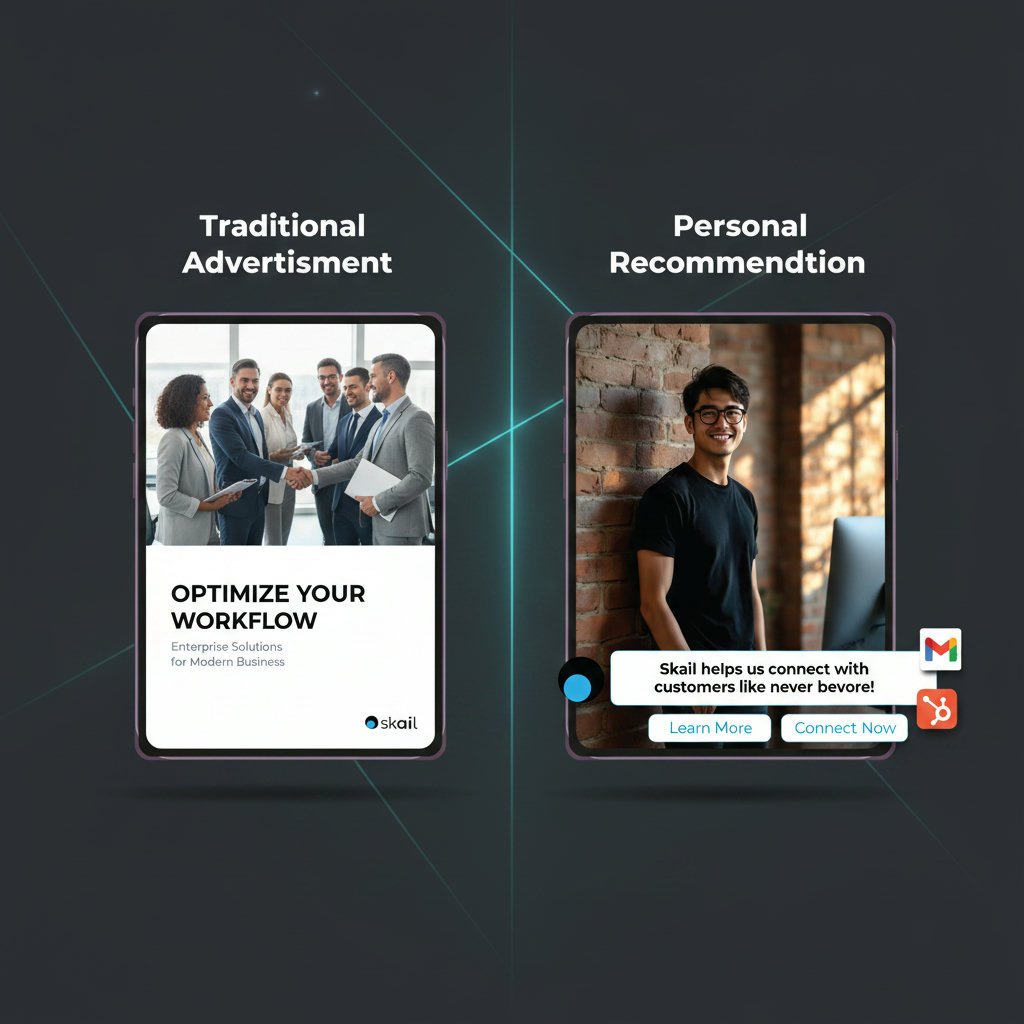
In an age where consumers are increasingly wary of traditional advertising, authenticity reigns supreme. Who do you trust more: a glossy, highly produced ad or a genuine recommendation from someone you know or respect? Precisely! Your employees are those trusted voices. When they share insights, achievements, or company culture tidbits, it lands differently. It’s authentic, it’s personal, and it builds trust far more effectively than any corporate messaging ever could. This human element is paramount to truly enhance brand credibility in the long run.
Amplifying Brand Reach Organically
Think about it: your company’s official social media channels, while vital, have a finite audience. But your employees? Each one brings their own unique network – friends, family, former colleagues, industry peers. When they share, your message transcends the corporate echo chamber, reaching new, diverse audiences organically. This isn’t just about numbers; it’s about reaching people through familiar, trusted conduits, multiplying your brand’s presence without spending an extra dime on ads. It’s like having hundreds, even thousands, of micro-influencers working for you, simply by sharing what they genuinely believe in.
Attracting Talent and Customers
Beyond the immediate reach, employee social sharing offers a window into your organization’s soul. Potential hires don’t just want a job; they want to join a thriving culture, a place where people are engaged and proud. When employees share positive experiences, company milestones, or behind-the-scenes glimpses, they effectively showcase your company culture, making it an attractive destination for top talent. Similarly, customers get to see the human faces behind the brand, fostering a deeper connection and humanizing the entire brand experience. It’s an undeniable way to enhance brand credibility and appeal to both prospective employees and clients.
Common Roadblocks to Employee Social Sharing
Simple, right? Just ask your team to share! Not quite. If it were that easy, every brand would have an army of social media champions. The reality is, while the potential is massive, there are often subtle, yet significant, hurdles that prevent employees from becoming your most vocal advocates. Let’s peel back the layers and understand why your team might not be sharing (yet!).
Engagement Paradox: Why Employees Don’t Share
You’ve sent the emails, pinged the Slack channels, perhaps even offered an incentive or two. Yet, the shares are… sparse. The reach is… limited. Why? Often, it boils down to two key factors: a lack of clear guidance and the ever-present time crunch. Employees might want to support the company, but if they’re unsure what to say, how to say it, or where to find relevant content, they won’t. And let’s be honest, who doesn’t need coffee breaks or gets tired of sending “Hey, I thought you might be interested in…” messages? For many, the effort simply outweighs the perceived reward.

Content Creation Challenges
Imagine your employees staring at a blank social media post, wondering: “What do I even share today?” The struggle is real! They might not be social media strategists or copywriters. They might struggle to find relevant, approved content that aligns with their personal brand while also reflecting the company’s message. Even if they find something, adapting it to their voice or understanding what makes for an engaging post can feel like a daunting task. This content void is a major barrier, preventing even the most well-meaning employees from contributing to your brand’s narrative.
Measuring Impact and Incentivizing
And then there’s the question of “what’s in it for me?” If employees dedicate time and effort to sharing, but there’s no clear way to track the impact of their efforts, or worse, no recognition for their contributions, motivation wanes. A lack of transparent tracking tools means you can’t show them the impressive reach they’ve generated, the leads they’ve influenced, or how their individual efforts enhance brand credibility. Without recognition, whether through leaderboards, shout-outs, or even small incentives, the initiative often fizzles out, leaving a trail of missed opportunities.
Crafting a Winning Employee Advocacy Strategy
So, we understand the “why” and the “why not.” Now, for the exciting part: the “how.” Building a successful employee advocacy program isn’t about forcing shares; it’s about empowering your team, making it effortless, and celebrating their impact. It’s about turning passive observers into passionate advocates who genuinely want to enhance brand credibility.
Empowering Your Team with Content
The first step is to arm your team with the right ammunition. Provide a curated, ready-to-share content library. Think of it as a treasure trove of engaging material: articles, insightful blog posts, captivating videos, company news, industry reports, and even personal success stories. Crucially, this content should be diverse, regularly updated, and easily accessible. No more hunting for links or drafting messages from scratch – just click and share! When the content is compelling and accessible, the sharing becomes organic.
Streamlining the Sharing Process
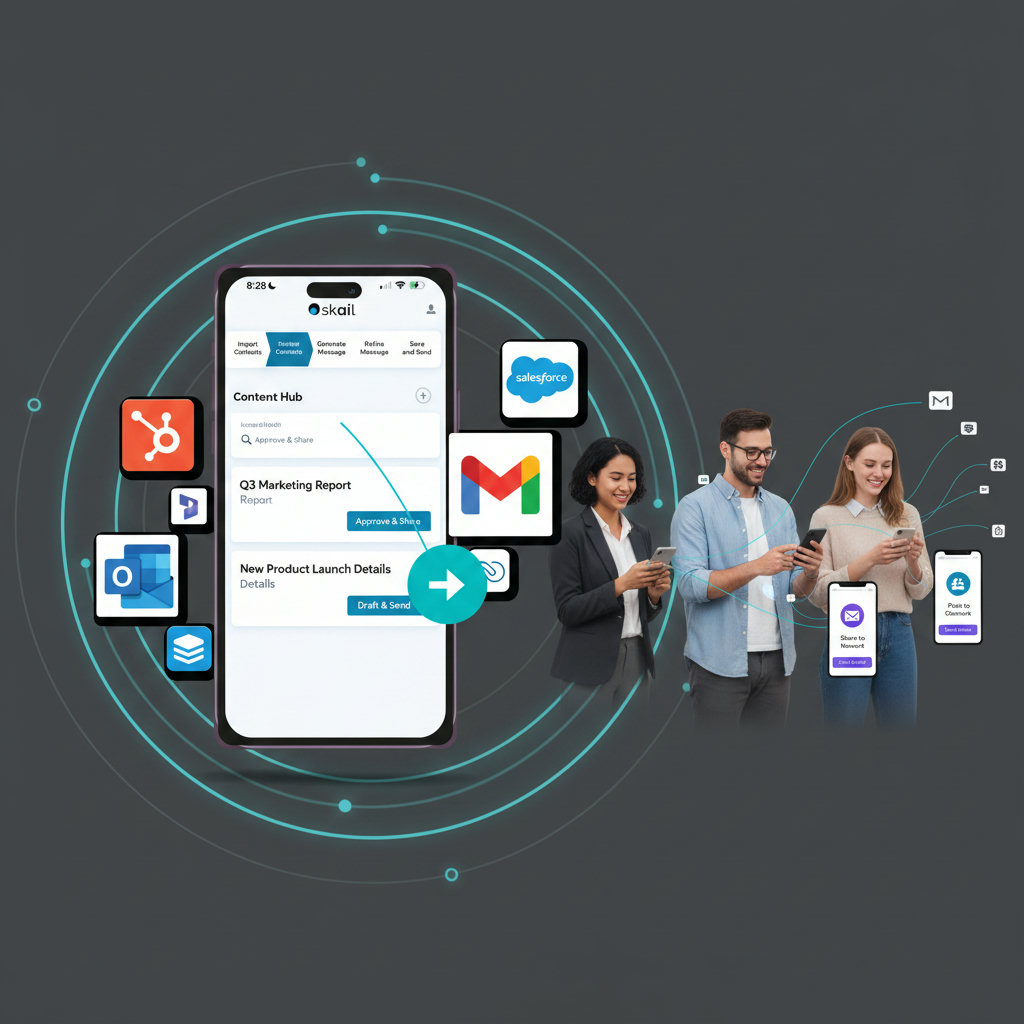
Remember those time constraints? The solution is simplicity. The easier you make it, the more likely employees are to participate. Implement tools that allow for one-click sharing across multiple social media platforms. A user-friendly interface that lets them choose their preferred network, pre-fills a message (which they can then personalize), and posts in seconds is key. The less friction, the higher the adoption. It should feel like a reward, not a chore.
Training and Guidelines for Success
Empowerment also means education. Provide clear, concise training on social media best practices. What makes a post engaging? How can they personalize corporate messages without straying off-brand? Offer guidelines on brand voice and messaging consistency, ensuring that while individual voices shine through, the core brand message remains intact. This isn’t about strict rules but about providing guardrails that help everyone feel confident and professional in their sharing, ultimately helping to enhance brand credibility in a unified way.
The Skail Advantage: Automating Authentic Social Sharing
This all sounds great, right? But the logistics of managing content, streamlining sharing, and tracking impact can quickly become overwhelming for even the most dedicated marketing team. This is where innovation steps in. Imagine a world where your team’s social sharing is not only effortless but also intelligent and measurable. This is the promise of AI employee advocacy.
At Skail, we understand the nuances of activating your workforce to become authentic brand ambassadors. With over 15,000 users benefiting from its approach, Skail offers a platform designed to unlock your unique essence and voice, transforming your employees into powerful advocates.
Simplifying Content Distribution
Say goodbye to manual emails and Slack pings! Skail automates content delivery directly to your employees. Imagine a personalized feed of relevant, ready-to-share content waiting for them, tailored to their interests and roles. This isn’t just about pushing content; it’s about providing personalized content suggestions that resonate with each individual, making sharing feel natural and less like a corporate mandate. This automated, intelligent distribution ensures that your brand’s most compelling stories are always at your team’s fingertips, ready to help enhance brand credibility.
Tracking Performance and Impact
The beauty of an intelligent platform is its ability to measure what matters. Skail provides comprehensive analytics for employee engagement, showing you who’s sharing what, where, and with what success. Beyond basic shares, you can measure actual brand reach, audience growth, and even track conversions. This data is invaluable, not just for demonstrating ROI, but for providing tangible feedback to your employees, showing them the real-world impact of their efforts. For a deeper dive into the importance of metrics, consider exploring resources like Harvard Business Review’s insights on employee advocacy.
Fostering a Culture of Advocacy
Beyond the tech, Skail helps cultivate a vibrant culture of advocacy. Gamification features, like leaderboards and points systems, add a fun, competitive element, encouraging friendly competition among team members. Recognizing top ambassadors through spotlights, internal shout-outs, or even small rewards, reinforces positive behavior and motivates others to join in. It transforms sharing from a task into a celebrated contribution, making employees feel valued and their role in helping to enhance brand credibility truly seen.
Measuring Success: KPIs for Employee Social Sharing
If you can’t measure it, you can’t improve it. And when it comes to employee social sharing, measuring success isn’t just about vanity metrics; it’s about understanding real impact. How do you know your efforts are truly helping to enhance brand credibility and drive business results? Let’s look at the key performance indicators that will tell the story.

Engagement Metrics
These are your foundational numbers. Look at share rates: what percentage of available content is being shared by your employees? Track click-through rates (CTR) on shared content – are people not just seeing, but actively engaging with your links? And crucially, monitor employee participation levels. Are more employees joining the program over time? Are active sharers maintaining their momentum? These metrics give you an immediate pulse check on your program’s health.
Brand Reach and Awareness
This is where your brand’s sphere of influence truly expands. Track the increase in impressions your content receives, both directly and indirectly, through employee shares. Monitor audience growth on your company’s social channels and note any spikes that correlate with significant employee sharing campaigns. Don’t forget mentions and sentiment analysis – are people talking more about your brand? Is the tone positive? Employee advocacy significantly contributes to increasing your brand awareness organically.
Business Impact and ROI
Ultimately, employee advocacy needs to tie back to business objectives. Track website traffic driven directly from employee shares. Look at lead generation – are employee-shared posts contributing to your sales pipeline? Consider recruitment: are you seeing an increase in qualified applicants who mention seeing content shared by your employees? Even subtle shifts in sales figures or customer acquisition costs can often be traced back to a robust employee advocacy program, proving its tangible value in helping to enhance brand credibility and bottom-line growth.
Getting Started: Transform Your Team into Brand Ambassadors
Ready to unlock this incredible potential and truly enhance brand credibility? The journey to transforming your team into powerful brand ambassadors begins with thoughtful planning and consistent execution. It’s not a one-time project, but an ongoing strategic initiative that yields immense rewards.
Defining Your Program Goals
Before you even think about platforms or content, get crystal clear on your objectives. What do you want to achieve? Is it to increase brand awareness? Drive more leads? Attract top talent? Improve employee engagement? Align these goals with broader marketing and HR objectives. Setting realistic expectations from the outset ensures that your program has a clear purpose and measurable outcomes. A well-defined goal provides the compass for your entire advocacy journey.
Onboarding Your Employees Effectively
This is crucial! Don’t just launch a program and expect everyone to jump on board. Communicate the “why” – explain the benefits to both the company and, importantly, to them personally. How will it help them grow their professional network? Position them as thought leaders? Make joining the platform and accessing content incredibly easy. Provide clear, simple instructions and ongoing support. The easier and more beneficial it feels, the higher your adoption and sustained engagement will be.
Continuous Optimization and Support
An employee advocacy program is a living thing. It requires nurturing. Ensure there’s a steady stream of fresh, engaging content. Regularly review your analytics to see what’s working and what’s not. Gather feedback from your employees – what content do they want to share? What features would make their experience better? Be prepared to adjust your strategy, content, and even your approach to recognition based on these insights. This continuous optimization ensures your program remains vibrant, relevant, and consistently helps to enhance brand credibility for the long haul.
There you have it. The power to transform your brand’s reputation and reach lies within your organization. By empowering your employees, streamlining their sharing, and celebrating their contributions, you’re not just executing a marketing tactic; you’re building a movement. A movement of authentic voices, truly passionate about what you do, all working together to naturally enhance brand credibility in a way no traditional ad ever could. Now, go forth and empower your team! 🥂
FAQ: Employee Advocacy for Brand Credibility
Q: What is employee advocacy?
A: Employee advocacy is the promotion of an organization by its employees. This typically involves employees sharing company news, content, and positive experiences on their personal social media channels, essentially becoming authentic brand ambassadors. It’s a powerful way to leverage trusted voices to expand brand reach and enhance credibility.
Q: Why is employee advocacy so effective in enhancing brand credibility?
A: In today’s skeptical market, consumers trust recommendations from real people more than traditional advertisements. When employees share content, it comes across as more authentic and credible because it’s shared by someone with an insider’s perspective, fostering a deeper sense of trust and human connection with the brand.
Q: What are the main challenges in implementing an employee advocacy program?
A: Common challenges include employees lacking clear guidance on what to share, struggling to find relevant content, concerns about time commitment, and a lack of tools to measure impact or incentivize participation. Overcoming these requires a strategic approach to content, technology, and recognition.
Q: How can technology like Skail help with employee social sharing?
A: Platforms like Skail simplify and automate the entire employee advocacy process. They provide curated, ready-to-share content libraries, enable one-click sharing across platforms, offer personalized content suggestions, track performance analytics, and often include gamification features to foster a culture of advocacy, all designed to make it effortless for employees to help enhance brand credibility.
Q: What kind of content should employees be encouraged to share?
A: Employees should be encouraged to share a diverse range of content, including company news, blog posts, industry insights, product updates, behind-the-scenes glimpses of company culture, and personal success stories. The key is to provide content that is engaging, relevant to their networks, and easy for them to personalize.
Q: What are key metrics to track for employee advocacy success?
A: Important KPIs include share rates, click-through rates, employee participation levels, brand reach and impressions, website traffic driven from shares, lead generation, and even recruitment metrics. Tracking these helps demonstrate the program’s value in enhancing brand credibility and achieving business objectives.