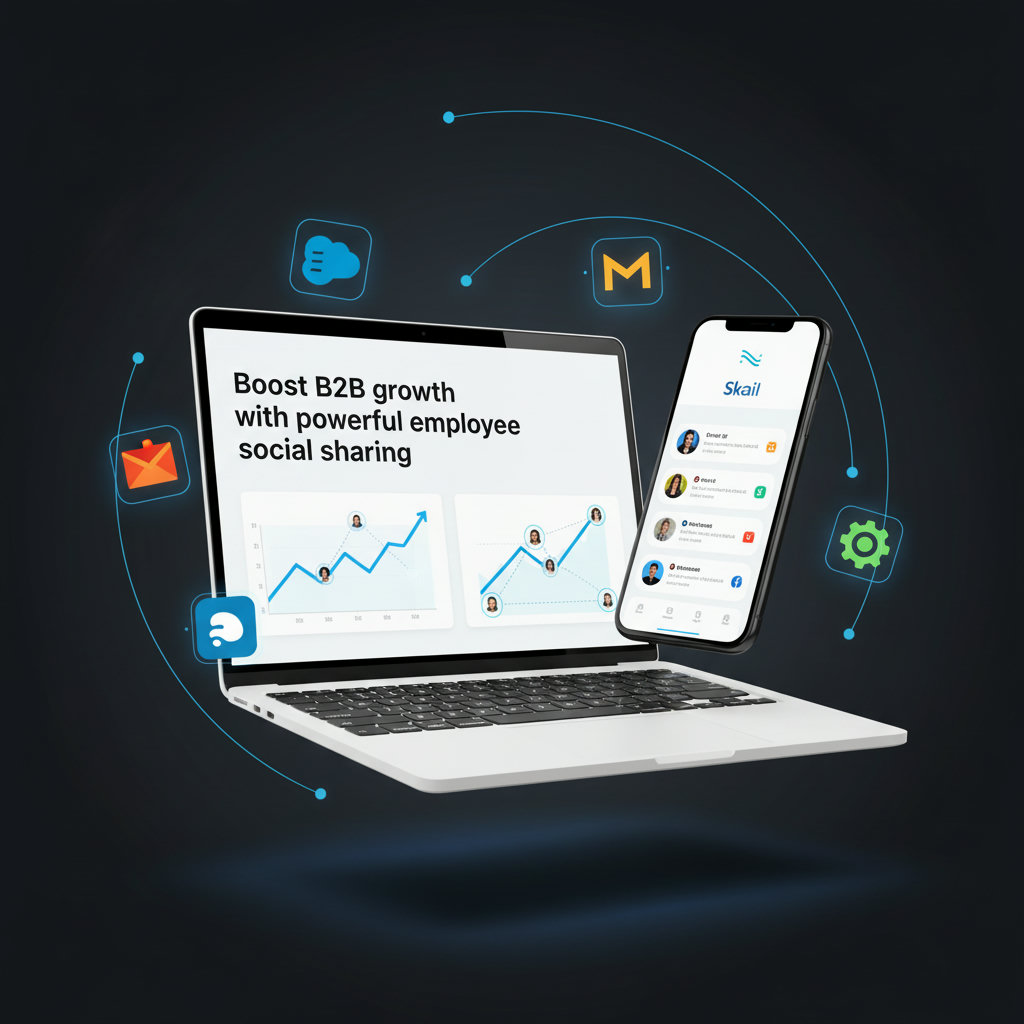
Ah, time! That elusive, slippery commodity we’re all chasing, especially in the fast-paced world of B2B. You’ve got products to sell, services to market, and an ever-growing list of prospects to engage. But here’s the kicker: your team, your most valuable asset, is probably sitting on a goldmine of untapped potential – their social networks. We’re talking about powerful employee social sharing, a game-changer that transforms your workforce into an authentic marketing engine. Imagine boosting your brand’s reach and credibility simply by empowering your employees. This guide will help you craft simple, effective strategies for real B2B growth and master employee social sharing.
The Hidden Power of Your Team’s Network
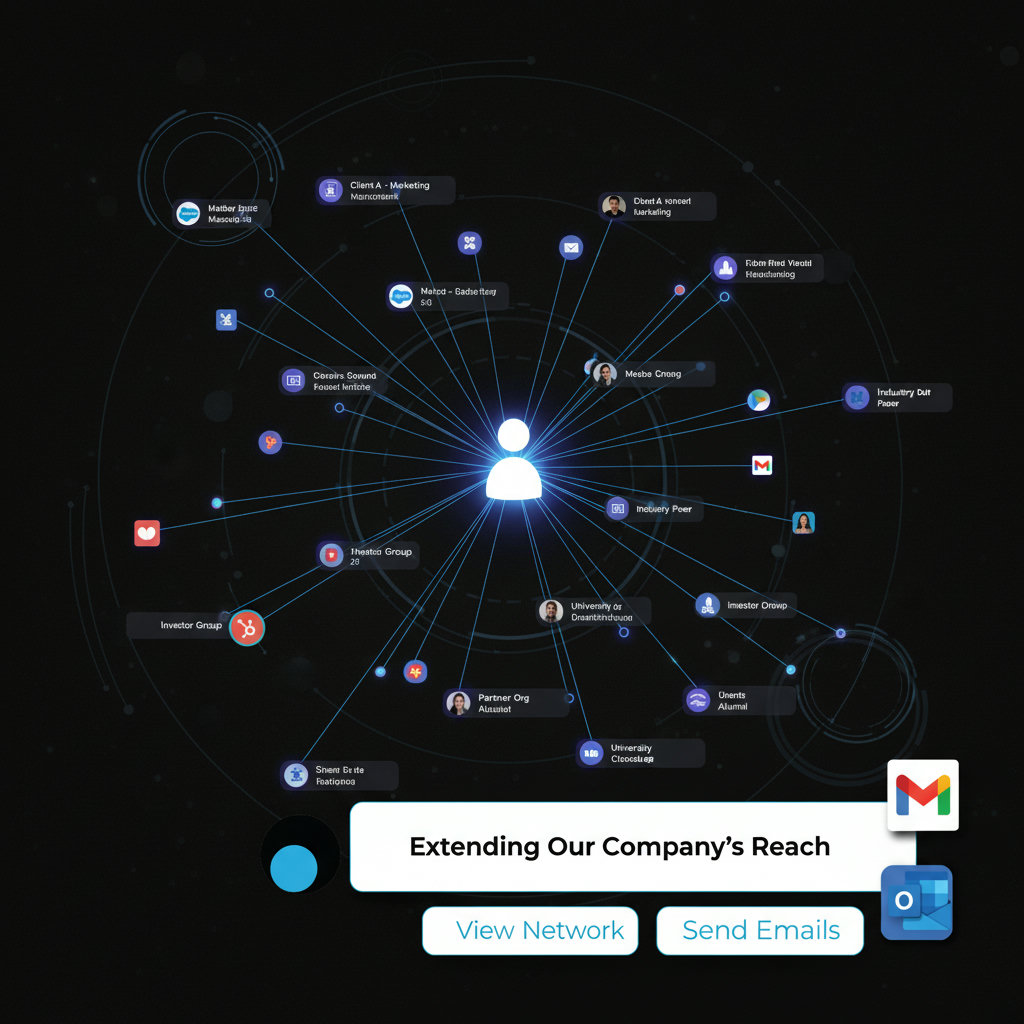
In the vast, ever-expanding universe of digital marketing, we often invest heavily in campaigns, ads, and elaborate content strategies. Yet, we sometimes overlook the most organic, trustworthy form of promotion available: the voice of our employees. Beyond traditional marketing outreach, your team’s personal networks represent a massive, credible extension of your brand’s reach.
Think about it. A polished corporate ad might catch an eye, but a recommendation from a real person – a peer, a former colleague, an expert in their field – carries far more weight. This is the essence of authenticity and trust in B2B. People buy from people they trust, and who better to vouch for your company than the very individuals who dedicate their working lives to it? Their posts aren’t just ads; they’re endorsements, insights, and genuine interactions that resonate deeply within their industry circles.
However, many companies face what we call the “Engagement Paradox.” You’ve sent the emails, pinged the Slack channels, perhaps even offered an incentive or two. Yet, the shares are… sparse. The reach is… limited. It’s like having a choir of incredible voices but only a few hums. This paradox isn’t due to a lack of willingness from your employees, but often a lack of streamlined support and clear strategy. Unlocking the true potential of employee social sharing requires understanding this paradox and proactively dismantling the barriers.
Why Employees Don’t Share (and How to Fix It)
So, you know the power of employee social sharing, you understand its potential for B2B growth, but your team simply isn’t engaging as much as you’d hoped. Why? Let’s put ourselves in their shoes for a moment. They’re busy with their core responsibilities, often juggling multiple projects and deadlines. Adding “share company content on LinkedIn” to their টু-do list can feel like just another chore.
Time Constraints and Lack of Clear Guidance
The number one culprit? Time constraints. Employees aren’t marketing professionals; they’re engineers, sales reps, customer success managers, and project leaders. They might genuinely want to support the company, but finding the right content, crafting a personalized message, and remembering to post it often falls to the bottom of their priority list. Then there’s the uncertainty: “What should I say? Is this the right link? How often should I post?” Without clear, concise guidance and easy access to approved content, the friction quickly outweighs the motivation.
Lack of Compelling, Ready-to-Share Content
Another major hurdle is the content itself. Is it genuinely interesting? Is it relevant to their network? Does it provide value, or does it just feel like a sales pitch? If your marketing team isn’t creating content that employees are proud to share – content that sparks conversation, educates, or offers unique insights – then even the most enthusiastic employee will struggle. Furthermore, content needs to be readily accessible and shareable. Who wants to download a PDF, extract a link, and then paste it into a social scheduler? Make it simple, make it snackable.
Absence of Recognition or Incentive
Finally, human nature plays a role. While many employees are intrinsically motivated, a little recognition goes a long way. If employees are taking the extra step to amplify your brand, are they being acknowledged? Without any form of recognition, whether it’s a shout-out on Slack, a mention in an internal newsletter, or even a friendly competition, the initiative can gradually wane. Incentives don’t always have to be monetary; the drive to be a top contributor, to be seen as an internal influencer, or simply to contribute meaningfully to the company’s success can be incredibly powerful.
Building a Seamless Employee Advocacy Program
Overcoming these hurdles isn’t rocket science, but it does require a thoughtful, strategic approach. The goal is to make employee social sharing so simple, intuitive, and rewarding that it becomes a natural extension of your team’s daily activities. This is where a robust employee advocacy program, often powered by smart technology, truly shines.
Providing Curated, Relevant Content
The first step is to solve the content dilemma. Your marketing team can do the heavy lifting by providing a steady stream of curated, relevant content. This isn’t just company news; it could be industry insights, thought leadership articles from third-party sources, blog posts, event announcements, or even personal stories from within the organization. The key is variety and value. The content should be pre-approved, with suggested captions that employees can either use directly or easily adapt to their own voice. This eliminates guesswork and ensures brand consistency while allowing for personal touches. Tools that centralize this content make it incredibly easy for employees to browse and select what resonates with them.
Simplifying the Sharing Process
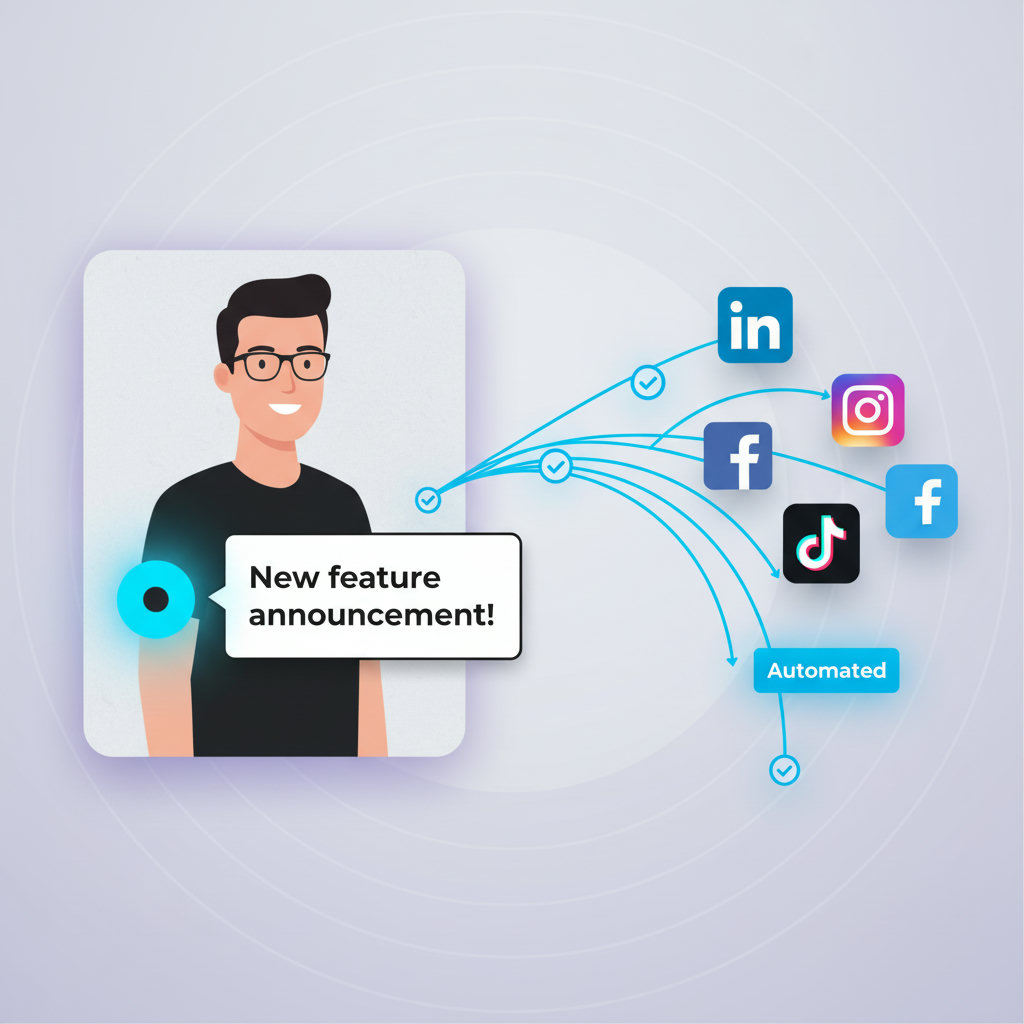
The friction points in sharing must be eliminated. Modern AI employee advocacy platforms are designed precisely for this. Imagine a dashboard where employees can see all available content, click a button, and it’s instantly shared to their chosen social networks (LinkedIn, Twitter, Facebook, etc.) with pre-filled captions. No more copying links, no more wondering which image to use. This simplification is paramount. It should take seconds, not minutes, for an employee to share a piece of content.
Beyond content, these platforms often integrate features that help employees craft their unique messages, offering AI-powered suggestions or templates. This reduces the mental load and encourages more frequent participation. The easier it is, the more likely your employees are to become consistent brand ambassadors.
Integrating with Existing Workflows
To truly embed employee social sharing into your company culture, it needs to integrate seamlessly with existing workflows. Most businesses today rely on communication tools like Slack or Microsoft Teams. Imagine getting a direct notification in Slack with a link to a new piece of content, already formatted for sharing, and all you have to do is click “Share to LinkedIn” within the app. This removes the need to switch between multiple platforms, saving precious time and making the process feel less like an extra task and more like a natural part of work.
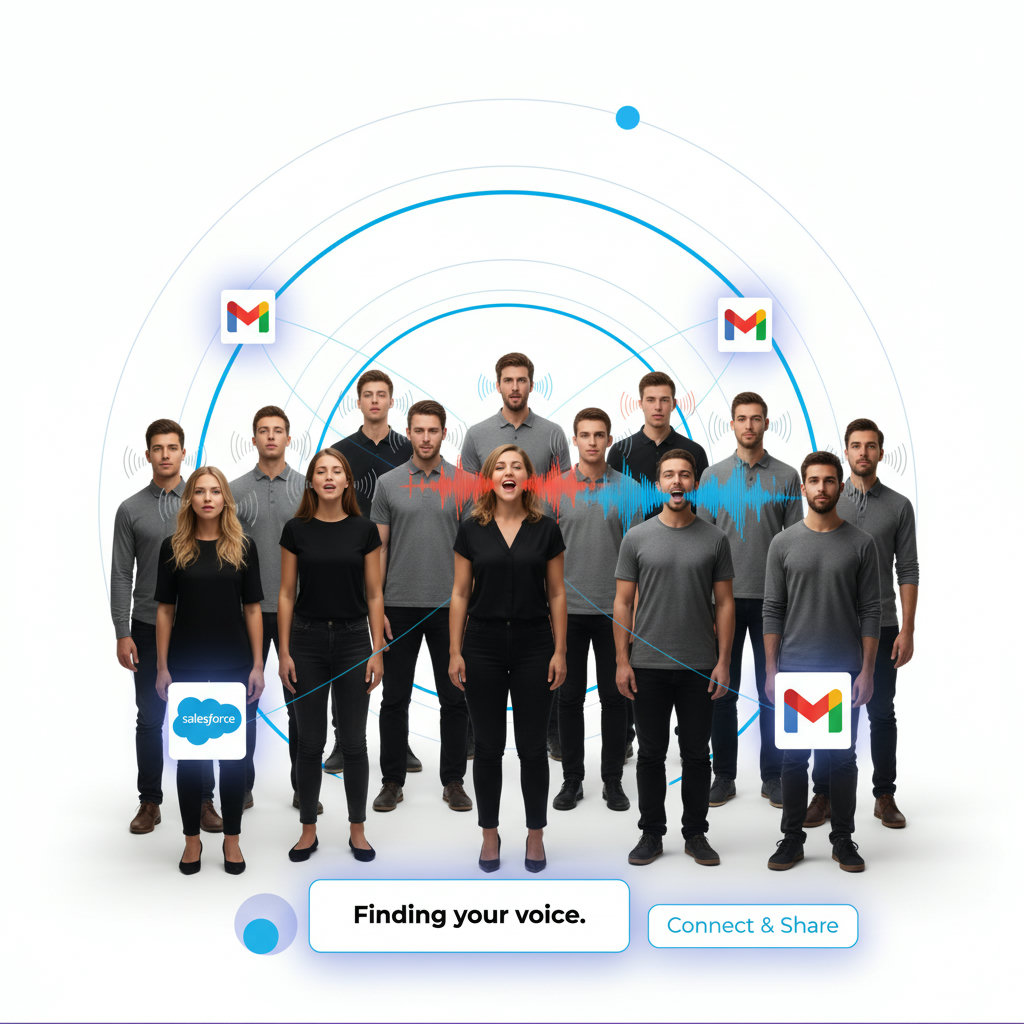
Such integrations ensure that the opportunity to share is always top-of-mind and effortlessly accessible. When the process is embedded into the tools your team already uses daily, participation naturally increases, transforming sporadic shares into a consistent stream of authentic brand amplification. For more insights on integrating digital tools effectively, you might find this resource on digital strategy helpful.
Measuring Success and Optimizing Your Strategy
So, you’ve launched your employee advocacy program, and your team is actively engaged in employee social sharing. Fantastic! But how do you know if it’s actually working? And more importantly, how do you ensure it continues to drive value for your B2B brand? The answer lies in robust measurement and continuous optimization.
Tracking Key Metrics (Reach, Engagement)
The beauty of a well-implemented employee advocacy platform is its ability to provide clear, actionable analytics. You should be tracking key metrics to understand the program’s impact. Beyond the obvious “number of shares,” look at:
- Overall Reach: How many unique individuals are seeing your content due to employee shares? This metric goes far beyond your company’s official social media following.
- Engagement: Track likes, comments, and shares on employee posts. High engagement indicates that the content is resonating with their networks. Relevant engagement can also lead to more opportunities, as discussed in this article on the value of social media.
- Website Traffic: Is content shared by employees driving traffic back to your website, blog, or specific landing pages? This is a crucial indicator of business impact.
- Lead Generation/Conversions: If possible, track whether employee shares are directly contributing to lead generation or even conversions. While harder to attribute perfectly, sophisticated platforms offer some insights.
- Employee Participation Rate: How many employees are actively sharing, and how frequently?
These metrics provide a quantitative understanding of your program’s health and effectiveness, helping you justify the investment and showcase the ROI.
Identifying Top-Performing Content and Sharers
Once you have data streaming in, it’s time to act like a detective. Analyze which types of content perform best. Are your B2B buyers more engaged with industry news, product announcements, or personal anecdotes? Use these insights to inform your content creation strategy, ensuring you’re constantly providing employees with material that will genuinely resonate with their networks. Simultaneously, identify your top sharers – the employees who consistently participate and drive the most engagement. These individuals are your internal champions; recognize their efforts and even ask for their insights on what works well for them. They can become powerful advocates both externally and internally, inspiring others to join in.
Iterative Improvement for Sustained Growth
An employee advocacy program isn’t a “set it and forget it” initiative. It requires continuous attention and iterative improvement. Regularly review your analytics, gather feedback from employees, and be willing to experiment. Perhaps a change in content mix, an adjustment to your recognition program, or even a slight tweak to the sharing process can yield significant improvements. This commitment to ongoing optimization ensures that your employee social sharing efforts remain dynamic, relevant, and continually contribute to your brand’s growth and success. By staying agile and responsive, you can transform your workforce into a perpetual marketing engine, boosting reach and credibility organically.
FAQ
What is employee social sharing in a B2B context?
Employee social sharing in a B2B context refers to the practice of encouraging and enabling your employees to share company-related content, news, and insights on their personal social media networks. This leverages their authentic voices and existing professional connections to amplify brand messages, build credibility, and generate leads within specific industry circles.
Why is employee social sharing more effective than traditional marketing for B2B?
Employee social sharing is often more effective because it leverages the power of personal connections and trust. People are more likely to engage with and trust content shared by a known individual (an employee) than a branded corporate page. This authenticity leads to higher engagement rates, increased reach within niche professional networks, and stronger credibility, which are crucial for B2B decision-making processes.
What kind of content should employees share?
Employees should share a diverse range of content that adds value to their network. This includes industry news and trends, thought leadership articles, company blog posts, event announcements, product updates, and even behind-the-scenes glimpses of company culture. The content should be relevant, informative, and engaging, moving beyond purely promotional material.
How can I make it easier for my employees to share content?
To make employee social sharing easier, provide a curated library of pre-approved content with suggested captions. Utilize an employee advocacy platform that streamlines the sharing process (e.g., one-click sharing to multiple social networks) and integrate it with existing communication tools like Slack or Microsoft Teams so employees can share directly from their daily workflows.
How do I measure the success of my employee social sharing program?
Measure success by tracking key metrics such as overall reach, engagement (likes, comments, reshares), website traffic generated from employee shares, and, if possible, lead generation or conversions attributed to the program. Also, monitor employee participation rates and identify top-performing content and sharers to optimize your strategy continuously.
Are there any risks associated with employee social sharing?
While generally beneficial, potential risks include employees sharing inaccurate information, off-brand messaging, or confidential details. These risks can be mitigated by providing clear social media guidelines, offering pre-approved content, and educating employees on best practices for representing the company online. A robust employee advocacy platform can also help by centralizing approved content and messaging.