
The Employee Engagement Paradox: Why Your Team Isn’t Sharing (Yet!)
Ah, time! That elusive, slippery commodity we all chase. And in the world of marketing and brand building, it feels like we never have enough, especially when it comes to getting our message out there. You know the drill: countless hours crafting the perfect campaign, designing stunning visuals, and writing compelling copy. But then comes the moment of truth – getting your most valuable asset, your employees, to actually share it on their social channels. Simple, right? Not quite.
You’ve sent the emails, pinged the Slack channels, perhaps even offered an incentive or two. Yet, the shares are… sparse. The reach is… limited. Why? Because asking your employees to become brand ambassadors isn’t always as straightforward as it seems. They’re busy people, just like you. They have their own networks, their own concerns, and frankly, a whole lot of content already vying for their attention. The barrier to employee social sharing often boils down to a few key culprits: complexity, time, and relevance.

Imagine your employees as your stealth marketing squad, ready to hit “share” and amplify your message across their networks. They want to help, but sometimes they’re overwhelmed. They don’t know what to share, how to share it, or if it even fits their personal brand. This isn’t about lack of willingness; it’s often a lack of streamlined, irresistible content designed for easy, impactful employee social sharing.
Untangling the Web: Why Employee Sharing Gets Complicated
Let’s be honest, we’ve all been there. You get an email from HR or Marketing with 10 links, a dozen bullet points, and a plea to “please share this exciting news!” You look at it, you sigh, and you promise yourself you’ll get to it… eventually. That’s the first hurdle: complexity. If the content is too long, too confusing, or requires too much cognitive effort to decipher and then re-craft for a social post, it simply won’t get shared. Your employees are not copywriters after all, nor are they social media managers who get paid to spend hours online.

Then there’s the time factor. Who has an extra 15 minutes in their already packed day to read a detailed blog post, pick out the key points, find a relevant image, write a catchy caption, and then post it across LinkedIn, X, and maybe even Facebook? Not many, especially without a dedicated system or clear guidance. This is where the magic of “easy button” content comes in!
Finally, relevance. Does every piece of company news resonate with every single employee? Probably not. A sales achievement might thrill the sales team, but a software update might only excite the engineers. Providing a one-size-fits-all content dump leads to disinterest and inaction. The content needs to feel personal, valuable, and authentic to the individual sharing it. It needs to align with their professional identity and their network’s interests, making the Employee Advocacy Program a natural extension of who they are.
A. The Content Overwhelm: Too Much Jargon, Too Little Clarity
Consider the typical internal communication. Often formal, sometimes corporate-speak heavy, and rarely optimized for the bite-sized consumption patterns of social media. Your employees aren’t just sharing company news; they’re sharing a reflection of themselves. If the content feels stilted, overly promotional, or requires a master’s degree in corporate-speak to understand, they’ll hesitate. They need clear, concise, and compelling narratives that are easy to digest and even easier to re-share.
B. Time Poverty: The Unspoken Barrier to Sharing
Every minute counts. Asking employees to dig through a newsletter for shareable snippets, then craft several unique posts for different platforms, is a huge ask. They have their own work to do, their own deadlines to meet. The less friction involved in the sharing process, the more likely they are to engage. This means pre-written posts, suggested hashtags, and eye-catching visuals should be ready at their fingertips, making employee social sharing a breeze.
C. Lack of Personal Connection: Why Generic Doesn’t Fly
Your employees are individuals, not robots. They want to share content that makes them look good, adds value to their network, and aligns with their professional interests. Generic company announcements, while important internally, often fall flat on social media. The content needs to be crafted with their potential audience in mind, offering insights, solutions, or interesting perspectives that spark conversation, rather than just broadcasting information.
Fueling the Fire: The Art of Irresistible Employee Social Sharing Content
So, how do we turn this around? How do we transform a hesitant employee into an eager, empowered brand advocate? The secret lies in making employee social sharing not just easy, but genuinely appealing. It’s about providing content that’s so good, so easy to share, and so beneficial to them, that they can’t help but click that share button.
A. Crafting “Snackable” Content: Less is More!
Think short, sharp, and shiny. Content that can be understood in a glance, shared in a click, and leaves an impression. This often means:
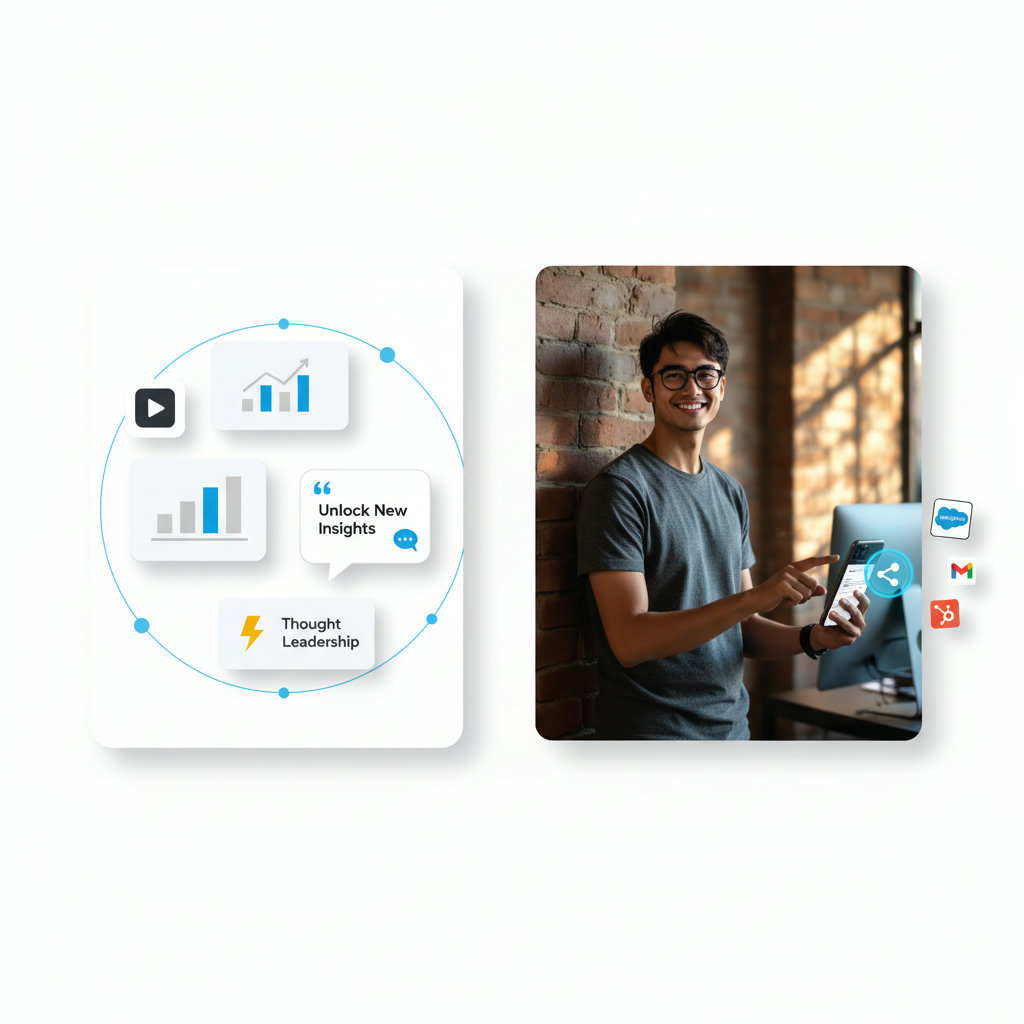
- Micro-videos: Engaging, short-form videos (under 60 seconds) that deliver a key message or showcase a product/service in action.
- Infographics & Visual Stats: Data presented beautifully. Easy to consume, highly shareable, and instantly credible.
- Quote Cards: Impactful statements from leadership or an industry report, overlaid on a striking visual.
- Thought Leadership Snippets: A provocative question, a surprising statistic, or a concise insight from a longer piece of content, designed to spark discussion.
The goal is to provide ready-to-post assets that require minimal effort from the employee but deliver maximum impact on their network. This makes employee social sharing almost effortless.
B. The “Pre-Baked” Post: Making it Instant
Imagine your marketing team operating like a gourmet meal delivery service for your employees. Everything is pre-prepped, perfectly seasoned, and ready to heat and eat. This means:
- Pre-written captions: Provide 2-3 options per social media platform, varying in tone and length. Make it easy to copy-paste, or even slightly customize if they wish.
- Relevant hashtags: A curated list of industry-specific, trending, and branded hashtags.
- High-quality visuals: A selection of images, GIFs, or short videos that are eye-catching and align with the message.
- Direct links: Shortened, trackable links to the original content, ready to go.
By removing all the friction points, you drastically increase the likelihood of employee social sharing. This isn’t about spoon-feeding; it’s about empowering. It’s about building an AI employee advocacy program that supports and accelerates your team.
C. Personalization & Choice: Empowering the Individual
Not everyone wants to share the same thing. Offer choice! Provide a library of diverse content:
- Different types of content (blog posts, news, thought leadership, culture spotlights).
- Content tailored to different departments or roles (e.g., product updates for engineers, customer success stories for sales).
- Variety in tone (professional, casual, humorous).
When employees feel they have agency over what they share, and that the content genuinely represents them and their professional interests, they become enthusiastic advocates. It transforms employee social sharing from a chore into an opportunity to build their own personal brand alongside yours.
Beyond the Click: Measuring Impact and Fostering a Culture of Sharing
Getting your team to click “share” is just the beginning. The real magic happens when you track the impact, celebrate successes, and continuously optimize your strategy. Employee social sharing isn’t a one-and-done campaign; it’s an ongoing cultural shift.

A. Tracking Success & Celebrating Wins
What gets measured, gets managed – and celebrated! Implement tools that allow you to track:
- Reach & Impressions: How many eyeballs saw the content?
- Engagement: Likes, comments, and shares on employee posts.
- Website Traffic: How much traffic was driven by employee shared links?
- Lead Generation: Did any shares directly contribute to a lead or conversion?
Share these wins back with your team! Highlight top sharers, showcase successful posts, and demonstrate the tangible impact of their efforts. This positive reinforcement fuels further employee social sharing and keeps the momentum going.
B. Making it a Habit: Integrating Sharing into the Flow
The goal is to make employee social sharing a natural, effortless part of the workday, not an extra task. This involves:
- Regular, easy-access content: A dedicated platform or channel where employees can always find fresh, shareable content.
- Leadership buy-in: When leaders actively participate and share, it sets a powerful example.
- Training & Tips: Offer quick workshops or tip sheets on best practices for social media sharing, personal branding, and maximizing impact.
By embedding sharing into the company culture, you create a ripple effect. Each share expands your brand’s reach exponentially, builds trust, and positions your employees as valuable thought leaders in their respective fields.
C. The Future is Automated (and Easy!)
Imagine a world where employees receive personalized, ready-to-share content directly to their preferred platform, tailored to their network, and scheduled at optimal times – all with minimal effort on their part. This isn’t science fiction; it’s the power of modern employee advocacy platforms. These tools automate the distribution of content, simplify the sharing process, and provide analytics that empower both employees and marketing teams. The future of effective employee social sharing is smart, streamlined, and brilliantly simple.
FAQ: Mastering Employee Social Sharing
What is employee social sharing and why is it important?
Employee social sharing refers to employees sharing company-related content, news, and achievements on their personal social media networks. It’s crucial because it significantly expands brand reach, builds trust through authentic voices, improves candidate attraction, and positions employees as industry thought leaders, all with a higher engagement rate than traditional corporate posts.
What are the biggest challenges companies face in getting employees to share on social media?
Common challenges include content overwhelm (too much information, lack of clarity), time constraints (employees are busy and don’t want to craft posts), lack of relevance (content doesn’t resonate with their personal brand or network), and perceived effort (it feels like a chore rather than a benefit).
How can we make content more “shareable” for employees?
To boost employee social sharing, focus on creating “snackable” content like micro-videos, infographics, quote cards, and thought leadership snippets. Provide “pre-baked” posts with ready-to-use captions, relevant hashtags, high-quality visuals, and direct links. Offer choice in content types to allow personalization and align with individual employee interests.
Should employees be required to share company content?
Generally, mandatory sharing is discouraged as it can lead to inauthentic posts and resentment. The goal is to inspire and empower employees to share voluntarily by providing valuable, easy-to-share content that benefits both them and the company. A culture of voluntary sharing is far more impactful and sustainable.
What tools can help streamline employee social sharing efforts?
Employee advocacy platforms are designed to streamline this process. They centralize shareable content, provide pre-approved captions, offer scheduling options, and track performance. These tools turn employees into powerful brand advocates by simplifying content distribution and enabling seamless sharing across various social networks.
How do we measure the success of an employee social sharing program?
Key metrics include reach and impressions of employee shared posts, engagement rates (likes, comments, shares), website traffic driven by employee links, and, where possible, lead generation attributable to employee advocacy. Collecting and celebrating these wins helps motivate continued participation.
So, ready to transform your employees into your most powerful marketing asset? Simplify, personalize, and empower. The results will speak for themselves. Cheers to effortless employee social sharing! 🥂