Ah, time! That elusive, slippery commodity that seems to vanish faster than a free cookie at an office party. For anyone in sales, marketing, or business development, the struggle is real. You’re trying to build relationships, nurture leads, and close deals, but you’re constantly bogged down by repetitive tasks. Think about it: the endless email sequences, the “just checking in” follow-ups, the hours spent digging through LinkedIn profiles… it’s enough to make anyone dream of an extra day in the week!
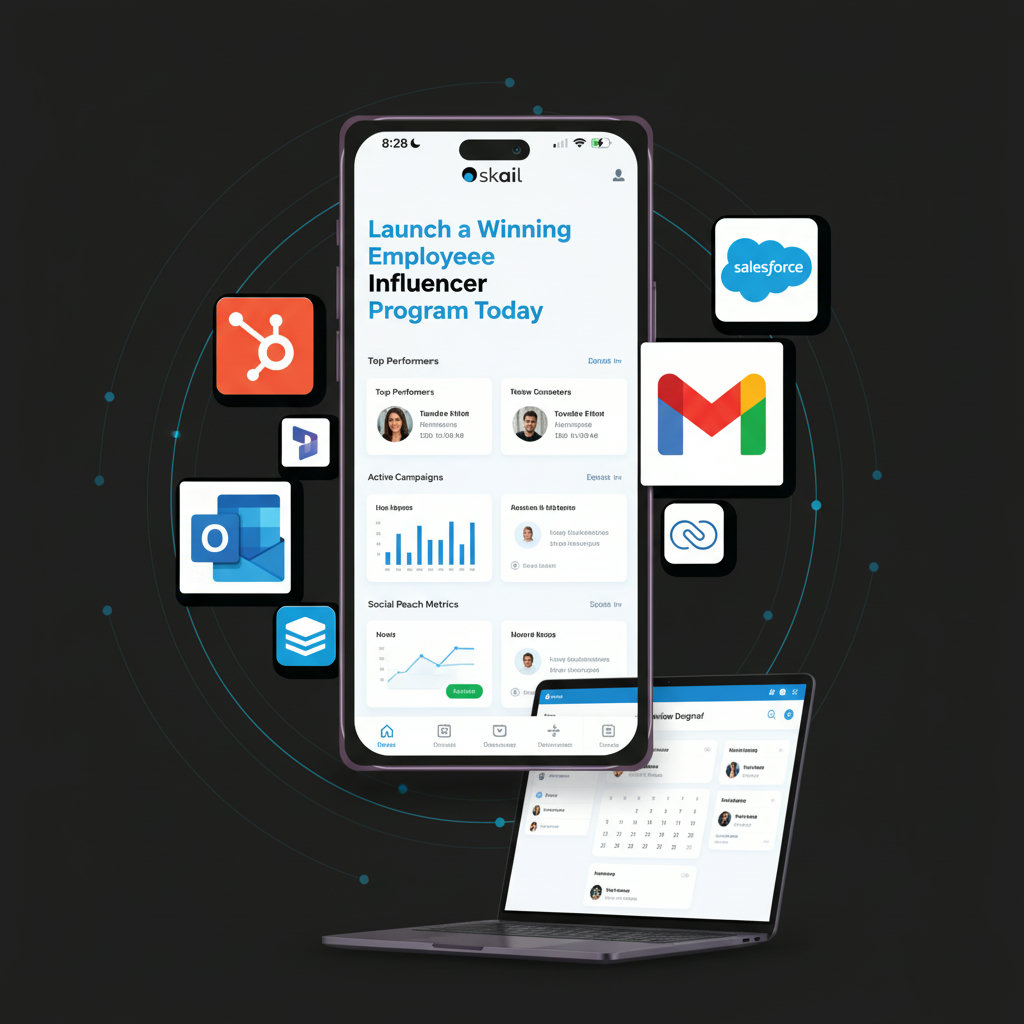
But what if there was another way? What if you could amplify your reach, enhance your credibility, and free up significant chunks of your precious time? Enter the employee influencer program. This isn’t just another buzzword; it’s a strategic powerhouse waiting to be unleashed. Imagine your entire team, from the C-suite to the newest intern, becoming authentic brand advocates. When executed correctly, an employee influencer program transforms your workforce into a dynamic network of trusted voices, significantly boosting your brand’s presence and impact.
This article isn’t just about understanding the concept; it’s about unlocking its full potential. We’ll dive deep into why an employee influencer program is essential for today’s hyper-connected, trust-driven market, explore the incredible benefits it offers, and walk you through the practical steps to build and sustain one. So, buckle up – it’s time to turn your greatest asset (your people!) into your most powerful marketing channel.
Unlocking the Power: What Exactly is an Employee Influencer Program?
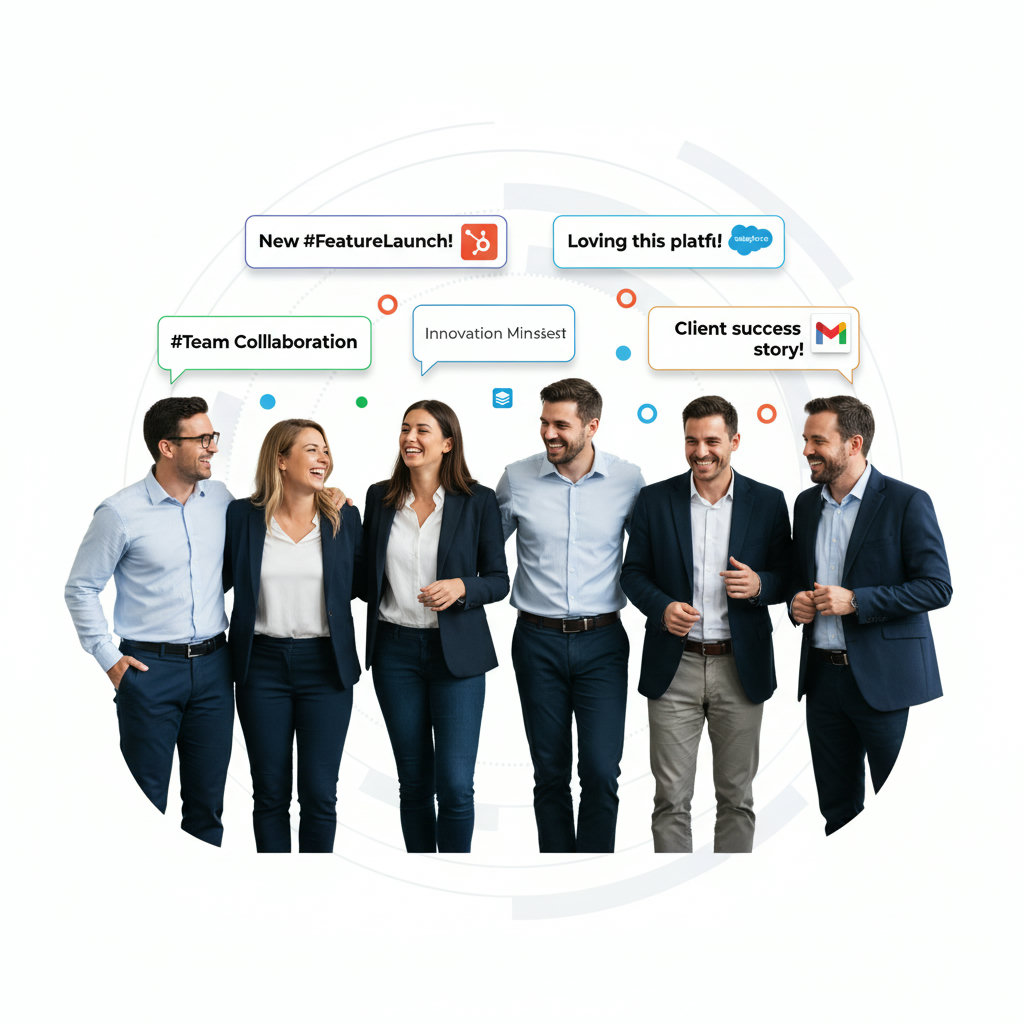
Let’s cut to the chase: an employee influencer program is a structured initiative that empowers and encourages your employees to strategically share insights, content, and stories related to your brand, industry, or expertise on their personal social media channels and professional networks. Simple, right? Not quite. It’s more than just asking everyone to retweet your latest blog post.
Think of it as transforming your team into a collective of mini-brand ambassadors, each with their own unique voice and network. These aren’t paid actors or traditional influencers; they are authentic, trusted individuals who genuinely believe in what your company does. They are your subject matter experts, your culture carriers, and your most credible storytellers.
The beauty of such a program lies in its authenticity. Consumers are increasingly skeptical of traditional advertising. They crave genuine recommendations and insights from real people. And who better to provide that than the people living and breathing your brand every single day? It’s about leveraging the trust and reach of individual employees to organically amplify your message, extend your brand’s footprint, and foster deeper connections with your audience.
Why Your Business NEEDS an Employee Influencer Program Now
In today’s crowded digital landscape, standing out is harder than ever. Brands are constantly vying for attention, and consumers are savvier than ever before. This is where an employee influencer program isn’t just a nice-to-have; it’s a strategic imperative. Let’s break down the compelling reasons why it should be at the top of your priority list.
Amplify Your Reach (Beyond Your Wildest Dreams)
Your company’s official social media accounts are important, but they often preach to the choir. Your employees, however, have diverse networks, often reaching audiences you wouldn’t otherwise touch. When they share your content, it’s exposed to a whole new set of eyes – potential customers, partners, and future talent. It’s like having thousands of micro-campaigns running simultaneously, each powered by a trusted voice. The aggregated reach of your employees can far surpass that of your brand’s official channels, often by a factor of 10x or more. Forbes highlights how employee advocacy programs can dramatically increase content reach and engagement, demonstrating its tangible impact.
Boost Brand Credibility & Trust (The Ultimate Currency)
We inherently trust people more than logos. A recommendation from an employee, someone perceived as an expert or an insider, carries far more weight than a corporate advertisement. It’s perceived as authentic, unbiased, and genuine. This heightened credibility translates directly into increased trust in your brand, your products, and your services. Think of it: would you rather hear about a new product from a generic ad, or from a colleague who uses it every day? The answer is clear.
Attract Top Talent (Recruitment Gold)
The war for talent is fierce. Top candidates aren’t just looking for a job; they’re looking for a culture, a mission, and a place where they can thrive. When your employees passionately share about their experiences, projects, and the company culture, it paints a vivid, attractive picture for potential hires. This organic employer branding is far more powerful than any career page. It showcases your company as a desirable place to work, directly from the mouths of the people who know it best. In fact, companies with strong employee advocacy programs frequently report higher candidate engagement and retention rates.
Increase Sales & Lead Generation (The Bottom Line)
Ultimately, all these benefits tie back to your bottom line. Increased reach and credibility lead to more eyes on your offerings, more discussions around your solutions, and ultimately, more qualified leads. When prospects see your employees as knowledgeable and passionate, they are more likely to engage and convert. It shortens sales cycles and builds a pipeline of warm leads who already have a baseline of trust in your brand.
Save Time & Resources (Become a Time Millionaire)
This is where the magic really happens for those of us constantly battling the clock. Imagine freeing up countless hours currently spent on lead generation, prospect research, and repetitive outreach. By empowering your employees to share relevant content, they proactively engage with their networks, often answering questions and sparking conversations that would otherwise require direct and time-consuming efforts from your sales or marketing teams. This shift allows your team to focus on high-value activities, rather than the exhaustive grind of constant new lead acquisition. For those striving for greater efficiency and smart growth, AI employee advocacy tools can further streamline this process, making it incredibly effective and virtually effortless.
Building Your Employee Influencer Program: A Step-by-Step Guide
Ready to unlock this potential? Great! Building a successful employee influencer program isn’t about snapping your fingers; it requires a thoughtful, strategic approach. Here’s how to do it right:
1. Define Your Goals & Strategy: What Do You Want to Achieve?
Before you even think about social media, think about your objectives. Do you want to increase brand awareness? Generate leads? Boost recruitment efforts? Improve customer service? Clearly defined goals will dictate your strategy, the type of content you encourage, and how you measure success. For instance, if lead generation is your goal, you’ll want to equip employees with content that drives conversions, perhaps case studies or product demos, and track engagement through specific links.
2. Identify Your Champions: Who Are Your Natural Storytellers?
Start with enthusiasm. Who in your company is already active on social media? Who genuinely loves what they do and is excited to share it? These “natural influencers” will be your early adopters and biggest advocates. They’ll also be invaluable in demonstrating success and encouraging others. Don’t force it; authenticity is key. Look for those who embody your brand values and have a knack for communication. You might be surprised at the hidden gems within your team.
3. Provide Training & Resources: Equip Them for Success
Don’t just throw content at them and hope for the best. Provide comprehensive training. This includes social media best practices, brand guidelines (what to share, what not to share), content creation tips, and how to engage ethically and effectively. Offer a ready-made content library with approved assets, suggested captions, and relevant hashtags. The easier you make it for them, the more likely they are to participate consistently. Think short, digestible modules, perhaps even a fun workshop.
4. Curate Engaging Content: Give Them Something Worth Sharing
This is crucial. No one wants to share dull, corporate speak. Provide a mix of valuable, diverse content: blog posts, thought leadership articles, industry insights, company news, personal success stories, behind-the-scenes glimpses, and engaging visuals. Content should be informative, inspiring, and shareable. And remember, it’s not just about sharing your content. Encourage them to share relevant industry news, expert opinions, and their own insights. This positions them as thought leaders, not just mouthpieces.
5. Establish Clear Guidelines & Policies: Playing by the Rules
While authenticity is important, control is also necessary. Establish clear, unambiguous social media guidelines. What’s appropriate to share? How should they respond to negative comments? What are the boundaries? Ensure these guidelines are easy to understand and readily accessible. This protects both your employees and your brand. Transparency and clear communication here are paramount.
6. Recognize & Reward: Show Your Appreciation
Don’t underestimate the power of recognition. This doesn’t necessarily mean monetary rewards (though incentives can help). Highlight top performers, feature their shared content, offer shout-outs in company meetings, or provide opportunities for professional development. A little appreciation goes a long way in fostering continued engagement and enthusiasm. Make it fun, maybe even a friendly competition!
7. Measure & Optimize: Learn and Evolve
Like any strategic initiative, you need to track its performance. Monitor key metrics such as reach, engagement rates, website traffic generated, lead conversions, and brand sentiment. Use this data to refine your strategy, adapt your content, and improve your training. Regular feedback loops with your employee influencers are also crucial – what’s working for them? What challenges are they facing? Continuous learning and adaptation are the hallmarks of a successful program. Tools are available that can track metrics, making evaluation straightforward. A quick look at a Hootsuite guide on employee advocacy emphasizes the importance of measurement and optimization in building sustainable programs.
Common Pitfalls to Avoid
While an employee influencer program offers incredible benefits, there are a few potholes to dodge:
- Forcing Participation: This kills authenticity faster than anything. Encourage, don’t mandate.
- Lack of Content Variety: Sharing the same corporate press release repeatedly is boring and ineffective. Mix it up!
- Ignoring Training: Assuming employees know social media etiquette or brand guidelines is a recipe for disaster.
- No Recognition: People need to feel valued for their efforts.
- Over-Policing: While guidelines are essential, don’t stifle creativity or individuality. Trust your employees.
The Future is Influenced by Your Employees
The landscape of marketing and sales is constantly evolving. In a world where trust is paramount and authenticity reigns supreme, an employee influencer program isn’t just a trend; it’s a fundamental shift in how businesses connect with their audiences. It’s about empowering your greatest asset – your people – to become your most compelling storytellers.
By investing in your employees, providing them with the right tools, and recognizing their contributions, you’re not just amplifying your brand; you’re building a stronger, more connected, and more credible organization. So, stop wishing for more hours in the day and start leveraging the collective power of your team. The returns, in terms of reach, trust, talent, and ultimately, revenue, will speak for themselves. Cheers to turning your team into an unstoppable force! 🥂
Frequently Asked Questions About Employee Influencer Programs
What is an employee influencer program?
An employee influencer program is a structured initiative that empowers employees to share company-related content, insights, and stories on their personal social media channels and professional networks. It aims to amplify brand reach, boost credibility, and attract talent by leveraging the authentic voices of your workforce.
Why are employee influencer programs important for businesses?
They are crucial because they significantly increase brand reach and visibility through trusted sources, enhance brand credibility and trust far beyond traditional advertising, act as a powerful tool for attracting top talent, and can directly contribute to lead generation and sales, while also freeing up valuable time for sales and marketing teams. The authenticity of employee voices resonates more with modern consumers.
What kind of content should employees share in an influencer program?
Employees should be encouraged to share a diverse mix of valuable content, including company blog posts, industry news, thought leadership articles, personal success stories, behind-the-scenes glimpses of company culture, product updates, and engaging visuals. The key is to provide content that is informative, inspiring, and shareable, positioning them as thought leaders.
How do you measure the success of an employee influencer program?
Success can be measured through various key performance indicators (KPIs) such as increased social media reach and impressions, higher engagement rates on shared content, website traffic driven by employee shares, lead generation and conversion rates attributed to the program, and improvements in employer brand perception and recruitment metrics. Regular surveys and feedback from participants can also provide valuable qualitative insights.
What are the common challenges in implementing an employee influencer program?
Common challenges include gaining buy-in from all employees, ensuring consistent participation, providing a steady stream of engaging content, establishing clear and effective social media guidelines without stifling individuality, and accurately tracking ROI. Overcoming these requires clear communication, comprehensive training, ongoing support, and consistent recognition.
How do you get employees to participate in an employee influencer program?
Participation is best achieved through encouragement, not mandate. Start by identifying enthusiastic “champions” who are already active on social media. Provide thorough training, a robust content library, clear guidelines, and consistent recognition for their efforts. Emphasize the personal and professional benefits, such as building their personal brand and professional network. Make it easy, fun, and rewarding for them to contribute.