The AI Revolution in Marketing Workflows
Ah, time! The elusive, slippery commodity that always seems to be in short supply, especially for us marketers. We’re constantly juggling campaigns, crafting compelling messages, analyzing data, and, of course, chasing down leads. And then there are the follow-ups – the “Hey, just checking in!” messages that haunt your dreams. You know the drill: spending precious hours manually transferring data, trying to figure which lead is in what stage of the funnel, or worse, sending a perfectly tailored email to someone who just converted yesterday. Sound familiar? We’ve all been there, adrift in a sea of disconnected systems, wishing for a magic wand to weave everything together. This is precisely where the power of CRM integrations for marketing steps in, ushering in an AI revolution that’s reshaping how we work.
AI’s Transformative Impact
The AI revolution isn’t just a buzzword; it’s a fundamental shift in how businesses operate, innovate, and connect with their audience. Think about it. We’ve seen AI move from esoteric research labs to everyday tools that help us navigate our commutes, curate our playlists, and even suggest our next binge-worthy show. In the business world, its impact is even more profound. From automating mundane tasks to providing deep, actionable insights, AI is transforming every facet of an organization. For marketers, this means moving beyond repetitive data entry and into a magical realm of strategic thinking, creativity, and unprecedented personalization. How? By ensuring our systems talk to each other, creating a seamless flow of information that AI can then intelligently leverage.
Redefining Human-AI Collaboration
Gone are the days of fearing robots taking over every job. Instead, we’re witnessing a beautiful symphony of human ingenuity and AI efficiency. AI isn’t here to replace us; it’s here to empower us, to be our tireless assistant, our data analyst extraordinaire, and our strategic foresight machine. This redefining of human-AI collaboration is particularly potent in marketing. Imagine an AI that automatically updates your CRM with engagement data from your marketing automation platform, then segments users based on their real-time behavior, and even drafts personalized email sequences. Your role shifts from the manual grunt work to overseeing strategy, refining messages, and fostering genuine human connections – truly elevating your unique essence and voice.
Future of Work & Marketing
The future of work! It’s a phrase that conjures images of sleek robots, hyper-efficient systems, and perhaps, a touch of existential dread. But let’s be honest, we’re already living in that future, aren’t we? Especially when it comes to leveraging powerful tools like CRM integrations for marketing – an area where AI is rapidly becoming a silent, yet mighty, partner. The reality is far less doomsday sci-fi and much more about exciting new possibilities. For marketers, this future means less administrative burden and more time for what truly matters: understanding your audience, crafting compelling narratives, and building lasting relationships. It’s about being a “time millionaire,” freed from the shackles of manual processes, thanks to intelligent integrations.
Essential CRM Integrations for Marketing Magic
So, we know AI is the future, and we know we need more time. But how do we get there? The answer lies in robust CRM integrations for marketing. This isn’t just about syncing two apps; it’s about creating a unified ecosystem where every piece of customer data contributes to a clearer, more actionable picture.
Streamlining Campaign Management
Let’s face it: managing marketing campaigns can feel like herding cats. You’ve got your email platform, social media scheduler, ad manager, analytics tools – the list goes on. Each platform holds a piece of the puzzle, but getting them to work together seamlessly is often a monumental task. CRM integrations for marketing streamline this entire process. Imagine your CRM automatically pushing new leads to your email marketing software for a welcome series, or updating lead scores based on website activity tracked by your analytics tool. This means less manual data transfer, fewer errors, and more time for actual campaign optimization. Simple, right? Not quite. It requires smart implementation, but the benefits are undeniable.
Data Unification & Insights
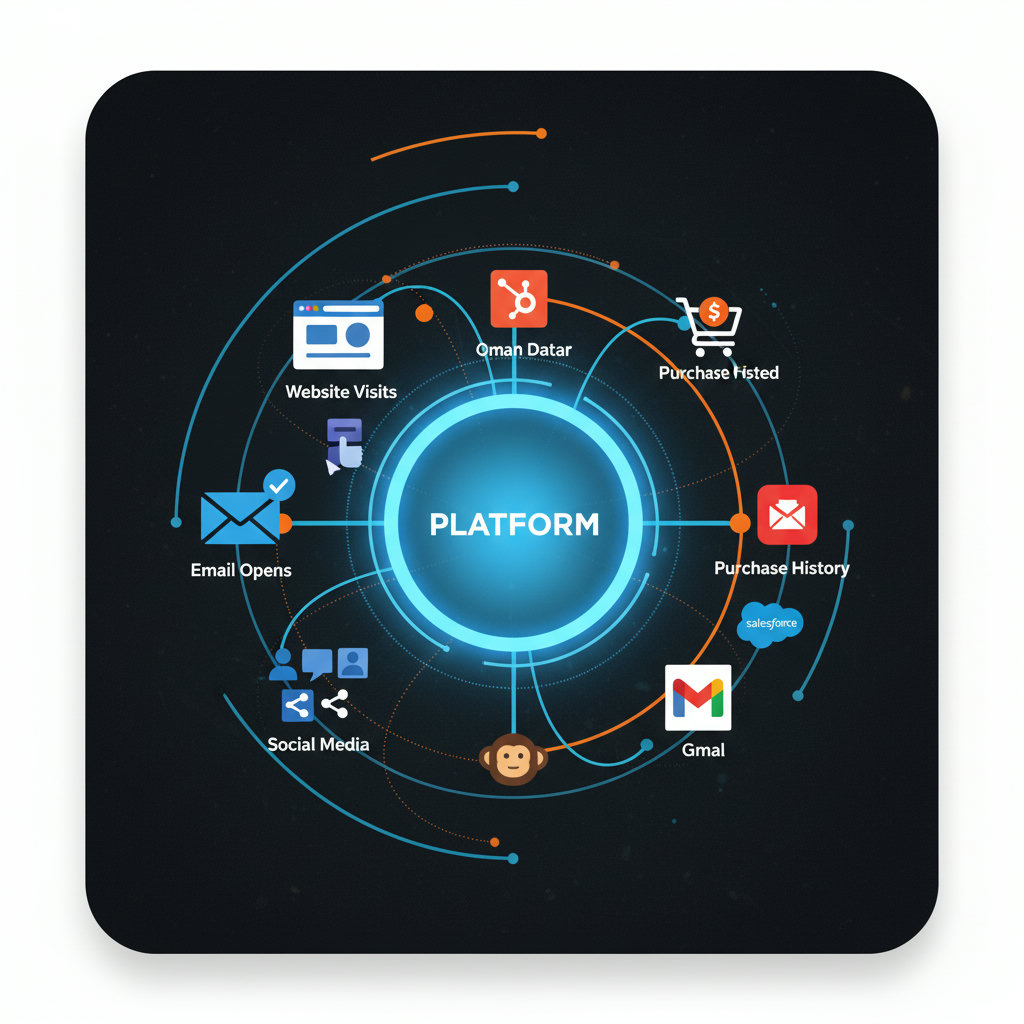
Data, data everywhere, but not a drop to drink! You spend hours, nay, days, trawling through LinkedIn profiles, company websites, and industry reports, piecing together information about your prospects. This deep dive into the ocean of prospect research is vital, but without unification, it’s just scattered pearls. CRM integrations bring all your disparate data sources – website visits, email opens, social media interactions, purchase history, customer service tickets – into one centralized location. This unified view means richer customer profiles, deeper insights, and the ability to detect patterns and predict behavior with startling accuracy. It’s like being a detective with all the clues laid out perfectly, allowing you to solve the mystery of what your customers truly want. For more insights into how data unification fuels business intelligence, consider exploring resources from major analytics firms such as Gartner.
Personalized Customer Journeys
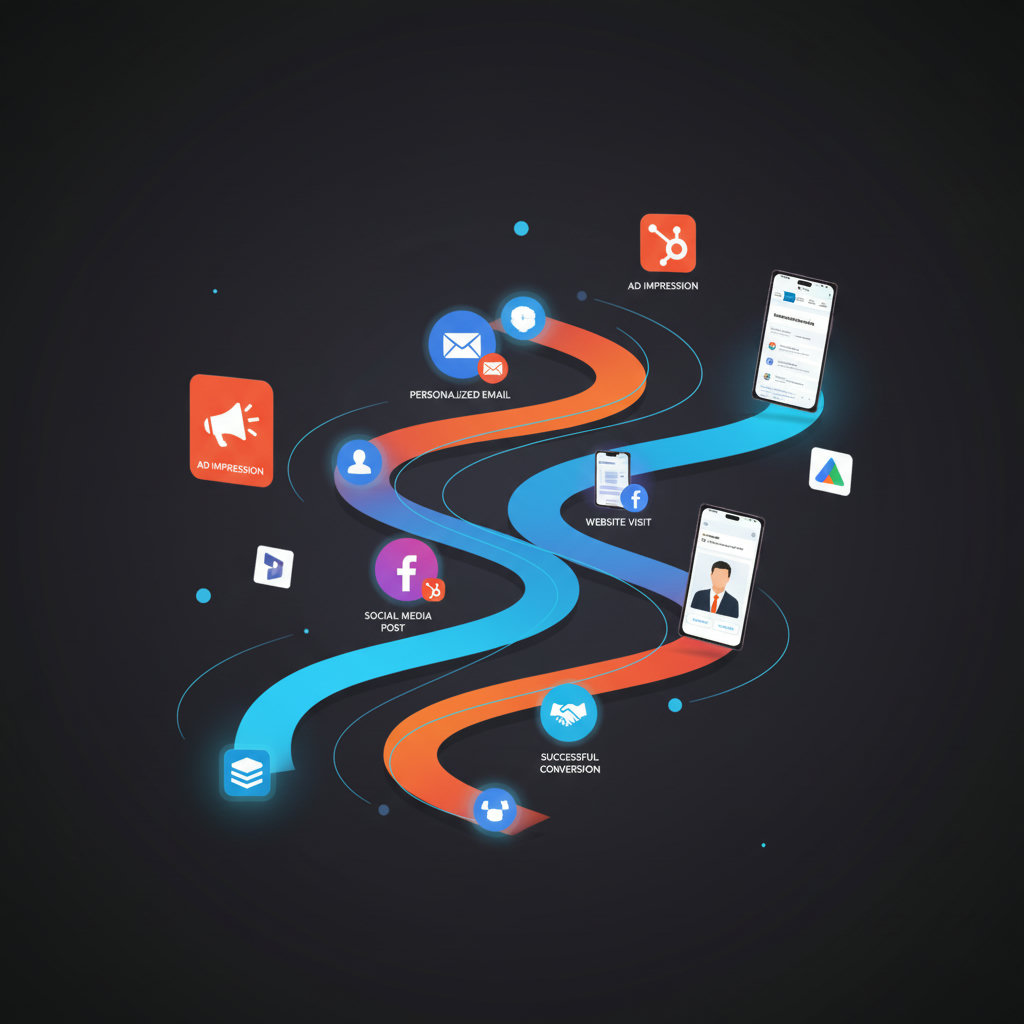
In today’s crowded marketplace, generic messages just don’t cut it. Customers expect personalization – a “love letter” tailored just for them. But how do you write thousands of love letters? CRM integrations make hyper-personalization scalable. By integrating your CRM with marketing automation platforms, you can dynamically segment your audience based on their unique attributes and behaviors captured in the CRM. This allows for personalized content, offers, and communication across every touchpoint, from the first ad they see to the post-purchase follow-up. The result? Higher engagement, stronger loyalty, and a customer journey that feels less like a sales funnel and more like a guided, valuable experience.
Skail’s Approach to Integrated Marketing
This is where Skail steps in, redefining what’s possible with CRM integrations for marketing and unlocking genuine growth. With over 15,000 users already leveraging our platform, we understand the power of an integrated approach.
Leveraging Skail for Growth
Skail is designed to amplify your marketing efforts by seamlessly integrating with your existing CRM infrastructure. We believe in empowering your team with the tools to harness the full potential of your data. By connecting the dots between your CRM and various marketing channels, Skail helps you transform raw information into strategic insights and automated actions. It’s about more than just data synchronization; it’s about intelligent orchestration that drives meaningful growth for your organization. Our platform recognizes and champions your unique essence and voice, making sure your brand stands out.
Enhanced Advocacy & Outreach
One of Skail’s core strengths lies in enhancing your employee advocacy and outreach programs. In an age where trust is paramount, employees are often your most credible and authentic voice. Through seamless CRM integrations, Skail enables you to identify and mobilize your internal advocates, turning them into powerful brand ambassadors. Imagine easily sharing curated content directly from your CRM data insights to your employee network, who then share it across their professional circles. This organic reach and credible advocacy create a ripple effect, exponentially expanding your marketing footprint. It’s a game-changer for building brand awareness and trust, and it’s why powerful AI employee advocacy tools are indispensable.
Efficiency through AI Partnership
At Skail, we champion efficiency through intelligent AI partnership. Our platform leverages AI to analyze your integrated CRM data, identify key trends, and suggest optimal strategies for engagement. This means less guesswork and more data-driven decisions. From automating personalized content delivery based on CRM insights to streamlining campaign workflows, Skail acts as your co-pilot, augmenting your team’s capabilities and freeing up valuable time. We’ve built a system where AI handles the heavy lifting, allowing your marketers to focus on creativity, strategy, and deepening customer relationships.
Strategic Advantages of CRM & AI Synergy
When CRM integrations for marketing meet the prowess of AI, the synergies are transformative, providing strategic advantages that can redefine your position in the market.
Optimized Lead Nurturing
The average lead nurturing process can be a long and winding road. Without proper integration, qualified leads can slip through the cracks, or receive irrelevant messages. With robust CRM integrations powering AI, lead nurturing becomes incredibly precise and effective. AI analyzes CRM data to understand lead behavior, predict their needs, and even suggest the next best action or content piece. This ensures your leads receive the right message at the right time, guiding them smoothly through the sales funnel with personalized, relevant communication. The result is a dramatically optimized conversion rate and a more efficient sales cycle.
Improved ROI & Analytics
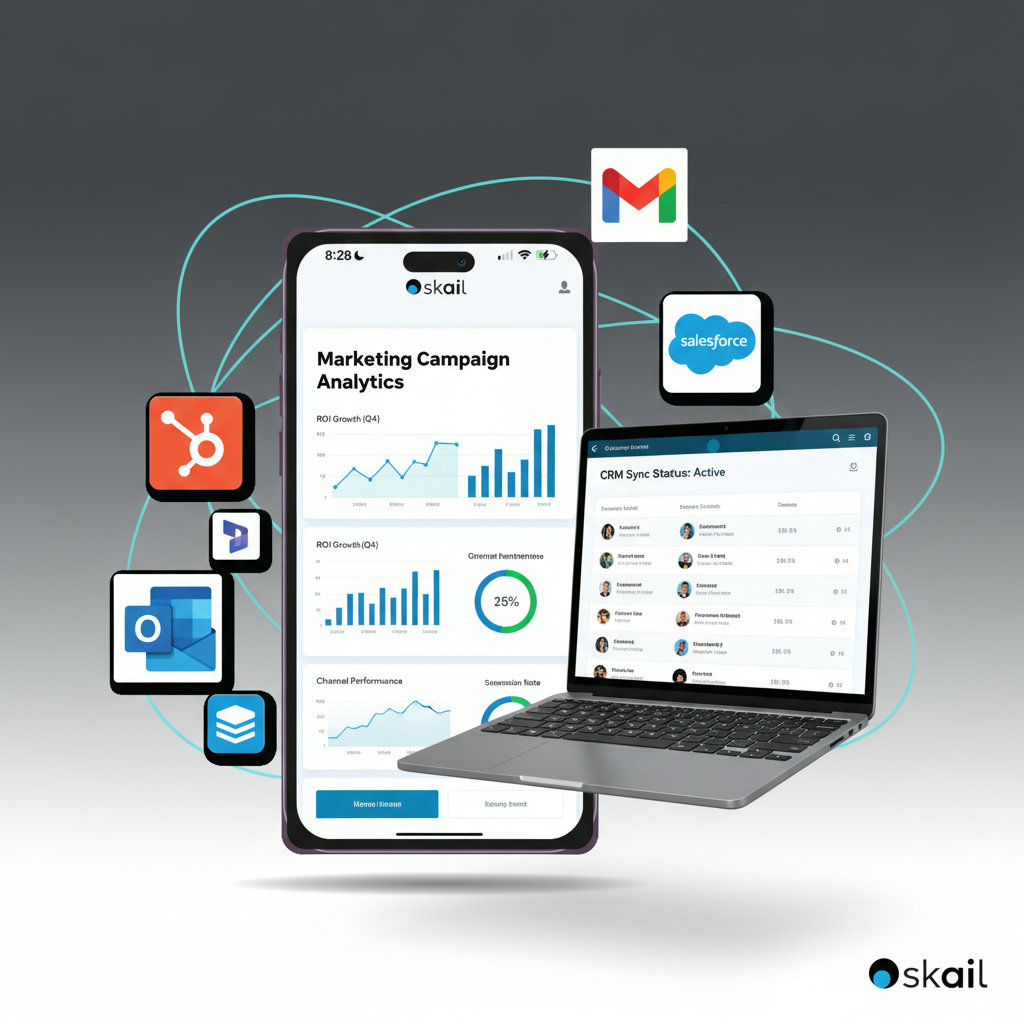
Are your marketing efforts truly paying off? Without cohesive data, measuring ROI can feel like an exercise in approximation. CRM integrations for marketing provide a unified view of your customer journey, from initial touchpoint to conversion and beyond. When AI applies its analytical power to this comprehensive dataset, you gain unprecedented insights into campaign performance, customer lifetime value, and the true impact of your marketing spend. This allows for data-backed optimization, ensuring every dollar spent contributes effectively to your bottom line and provides a clear picture of your marketing ROI.
Competitive Edge in Marketing
In today’s hyper-competitive landscape, merely keeping up isn’t enough; you need a decisive edge. The strategic synergy of CRM integrations and AI provides just that. By enabling hyper-personalization, intelligent automation, and deep analytical insights, you can react faster, understand your customers better, and deliver superior experiences compared to competitors still wrestling with fragmented data and manual processes. This isn’t just about saving time; it’s about building a smarter, more agile marketing operation that consistently outpaces the competition.
Implementing Powerful CRM Integrations
Feeling inspired? Great! But how do you actually go about implementing these powerful CRM integrations for marketing without descending into an integration nightmare? Let’s break it down.
Choosing the Right Tools
The first step is crucial: don’t just integrate for integration’s sake. Assess your current technology stack and identify the gaps. What are your primary marketing goals? Which platforms are critical to achieving them? Look for CRM solutions that offer robust API capabilities and a proven track record of successful integrations with your essential marketing tools (e.g., email marketing platforms, social media management, analytics dashboards). Compatibility and scalability are key here. Don’t be afraid to do your research, read reviews, and even test out trial versions.
Seamless Data Flow Setup
Once you’ve chosen your tools, the next challenge is ensuring a seamless data flow. This involves defining what data needs to be shared, in what direction, and how frequently. Will it be a one-way sync or bidirectional? How will data conflicts be resolved? Consider using integration platforms (iPaaS) or working with specialized partners who can help you map out data fields and automate the syncing process. The goal is to create a “single source of truth” for customer data, accessible by both your sales and marketing teams, ensuring consistency and accuracy across the board.
Measuring Integration Success
Finally, how do you know your CRM integrations for marketing are actually working? Measurement, of course! Establish clear KPIs before you even begin the integration process. Are you looking to reduce manual data entry time? Improve lead conversion rates? Increase customer retention? Track these metrics rigorously. Conduct A/B tests on personalized campaigns driven by integrated data. Solicit feedback from your sales and marketing teams on their newfound efficiency. Continuous monitoring and optimization are vital to realizing the full potential of your integrated ecosystem.
FAQ Section
What are CRM integrations for marketing?
CRM integrations for marketing involve connecting your customer relationship management (CRM) system with various marketing tools and platforms. This creates a unified data environment where customer information, marketing campaign data, and lead interactions flow seamlessly between systems, enabling more personalized and efficient marketing efforts.

How do CRM integrations enhance marketing personalization?
By unifying data from your CRM with marketing automation tools, integrations allow for a richer, 360-degree view of each customer. This enables marketers to segment audiences more precisely based on demographics, purchase history, behavior, and preferences. AI can then leverage this data to deliver highly personalized content, offers, and communication at every stage of the customer journey, making interactions more relevant and effective.
Can CRM integrations improve marketing ROI?
Absolutely! By providing a consolidated view of the customer journey and enabling more accurate tracking of interactions and conversions, CRM integrations allow for better attribution modeling. When combined with AI, marketers can gain deeper insights into which campaigns and channels are most effective, allowing for optimized budget allocation and ultimately, a higher return on investment.
What role does AI play in CRM integrations for marketing?
AI acts as an intelligent layer within integrated CRM and marketing systems. It automates data analysis, identifies trends, predicts customer behavior, personalizes content delivery, and streamlines workflows. AI enhances everything from lead scoring and segmentation to content recommendation and campaign optimization, freeing up marketers for more strategic and creative tasks.
How can Skail help with CRM integrations for marketing?
Skail leverages powerful AI capabilities to integrate with your existing CRM, enhancing your marketing campaigns and employee advocacy efforts. Our platform helps unify your customer data, automate outreach, and provide actionable insights, allowing you to maximize growth, personalize customer journeys, and transform your employees into powerful brand advocates.
What are the first steps to implementing CRM integrations?
Begin by identifying your key marketing goals and assessing your current technology stack. Choose CRM tools that offer robust integration capabilities and align with your needs. Then, meticulously plan out your data flow, defining what data will be shared and how. Finally, establish clear KPIs to measure the success of your integrations and ensure continuous monitoring and optimization.
🥂