

The Content Chaos Conundrum
Ah, content – the lifeblood of modern marketing! From blog posts that sparkle with insight to videos that captivate and social snippets that go viral, we’re all swimming in a sea of creation. It’s an exciting, dynamic world, isn’t it? But let’s be honest, sometimes that sea feels less like a refreshing dip and more like a chaotic maelstrom. You know the drill. You’ve got drafts scattered across shared drives, final versions lurking in email attachments, and approved images hidden deep within cloud storage. The sheer volume of assets, the constant demand for fresh ideas, the multi-platform distribution – it’s a lot to juggle. Every day presents new opportunities, but also new challenges in keeping everything aligned and effective.
Modern Marketing Challenge: Volume & Demand
In today’s hyper-connected world, the expectation for fresh, relevant content is insatiable. Audiences crave it, search engines demand it, and your competitors are churning it out at a relentless pace. This creates an immense pressure on marketing teams to produce more, faster, and across an ever-expanding array of channels. We’re talking blogs, social media posts, videos, whitepapers, case studies, emails – the list goes on. Managing this constant flow, ensuring quality, and hitting deadlines can feel like an impossible task. It’s a battle against the clock, fueled by caffeine and the ever-present question: “Where is that file again?”
Scattered Assets & Lost Opportunities
Imagine spending precious hours hunting down an approved logo, only to discover an outdated version was used. Or worse, a fantastic piece of evergreen content gets buried because no one remembers where it lives, leading to missed opportunities for engagement and conversion. This “scattered assets” problem isn’t just about disorganization; it directly impacts your bottom line. It leads to wasted time, duplicated efforts, inconsistent branding, and ultimately, lost opportunities to connect with your audience. The consequence? Your valuable content, the product of countless hours of effort, isn’t performing to its full potential.
The Need for Centralized Control
It’s clear, isn’t it? What modern marketers desperately need is a single source of truth for all their content. A command center where every asset, from conception to distribution, is meticulously organized, easily accessible, and fully trackable. This isn’t just about neatness; it’s about regaining control. It’s about ensuring brand consistency, empowering teams to work more efficiently, and unlocking the true potential of every piece of content you create. The solution? Enter the transformative power of content hub software.
What is Content Hub Software?
So, what exactly is this magical realm we’re talking about? Simply put, content hub software is your strategic advantage for conquering content chaos. It’s a specialized platform designed to centralize, manage, distribute, and analyze all your marketing content from a single, unified dashboard. Think of it as the ultimate brain for your content operations, ensuring every piece of information, every asset, and every campaign works in perfect harmony. It’s not just a storage locker; it’s a dynamic ecosystem built for content success.
Definition: Centralized Content Management
At its core, content hub software provides a central repository where all your digital assets – images, videos, documents, articles, social media snippets, and more – reside. This isn’t just a fancy Dropbox; it’s an intelligent system designed specifically for content. It allows for advanced categorization, metadata tagging, version control, and permission management, ensuring that the right people have access to the right content at the right time. No more “which version is final?” debates or endless email chains searching for a specific graphic. Everything is organized, accessible, and ready to deploy.
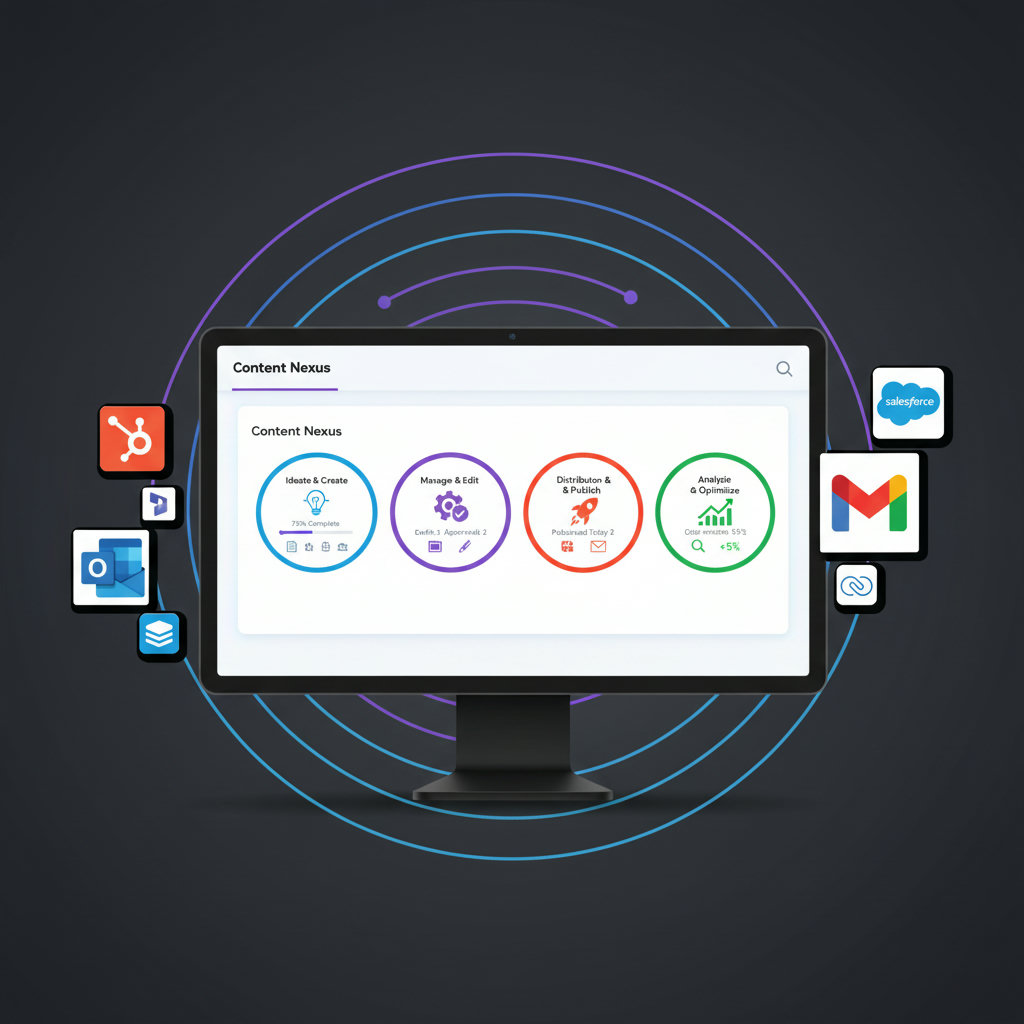
Key Functions: Create, Manage, Distribute, Track
A robust content hub isn’t just about storage; it empowers the entire content lifecycle.
Create: While not a creation tool itself, it integrates with your favorite authoring tools and provides a structured environment for content planning and development.
Manage: This is where the magic happens – organizing, categorizing, approving, and maintaining version control for all your assets.
Distribute: A true content hub simplifies pushing content out to all your channels, from your website and blog to social media platforms and email campaigns. It acts as the pipeline, ensuring your content reaches its audience efficiently.
Track: And finally, the crucial step. It provides the analytics and insights you need to understand how your content is performing, allowing you to refine your strategy and prove ROI.
Transforming Content Operations
By consolidating these disparate functions into one powerful platform, content hub software fundamentally transforms how your organization approaches content. It breaks down silos between teams, standardizes workflows, and automates many of the tedious manual tasks that bog down marketing professionals. The result? A more agile, efficient, and data-driven content strategy that truly supports your business goals. It’s not just a tool; it’s an operational shift towards smarter, more impactful content marketing.
Why Your Business Needs a Content Hub
Alright, you’re nodding along, picturing a world without content chaos. But let’s get down to brass tacks: why is this not just a nice-to-have, but a must-have for your business? Because in the race for customer attention, efficiency and impact are your greatest weapons. A content hub isn’t just about tidiness; it’s about competitive advantage. It’s about turning your content efforts into a powerful revenue-generating machine.
Enhanced ROI & Engagement
This is the holy grail, isn’t it? Every marketing dollar spent, every hour invested, needs to generate a return. With content hub software, you’re not just creating content; you’re optimizing its performance. By centralizing assets, you ensure your best content is easily found and reused, extending its lifespan and maximizing its value. Robust analytics reveal what resonates with your audience, allowing you to double down on winning strategies and discard what isn’t working. This data-driven approach means every new piece of content is more targeted, more effective, and ultimately, drives higher engagement and a better return on investment. Imagine reducing content waste and multiplying impact – that’s the promise of a content hub.
Streamlined Workflows & Efficiency
Ah, time! The elusive, slippery commodity that always seems to run out. How many hours does your team collectively spend each week searching for files, getting approvals, or manually uploading content to different platforms? A content hub slashes these inefficiencies. It automates distribution, simplifies approval processes, and provides a clear workflow for content creation from start to finish. Teams can collaborate seamlessly, reducing bottlenecks and accelerating time-to-market for campaigns. This newfound efficiency means your team can focus on what they do best: creating brilliant, strategic content, rather than getting bogged down in administrative tasks. This freedom empowers them to dedicate more energy to strategic thinking and less to repetitive busywork, ultimately boosting productivity and morale.
Consistent Brand Voice & Messaging
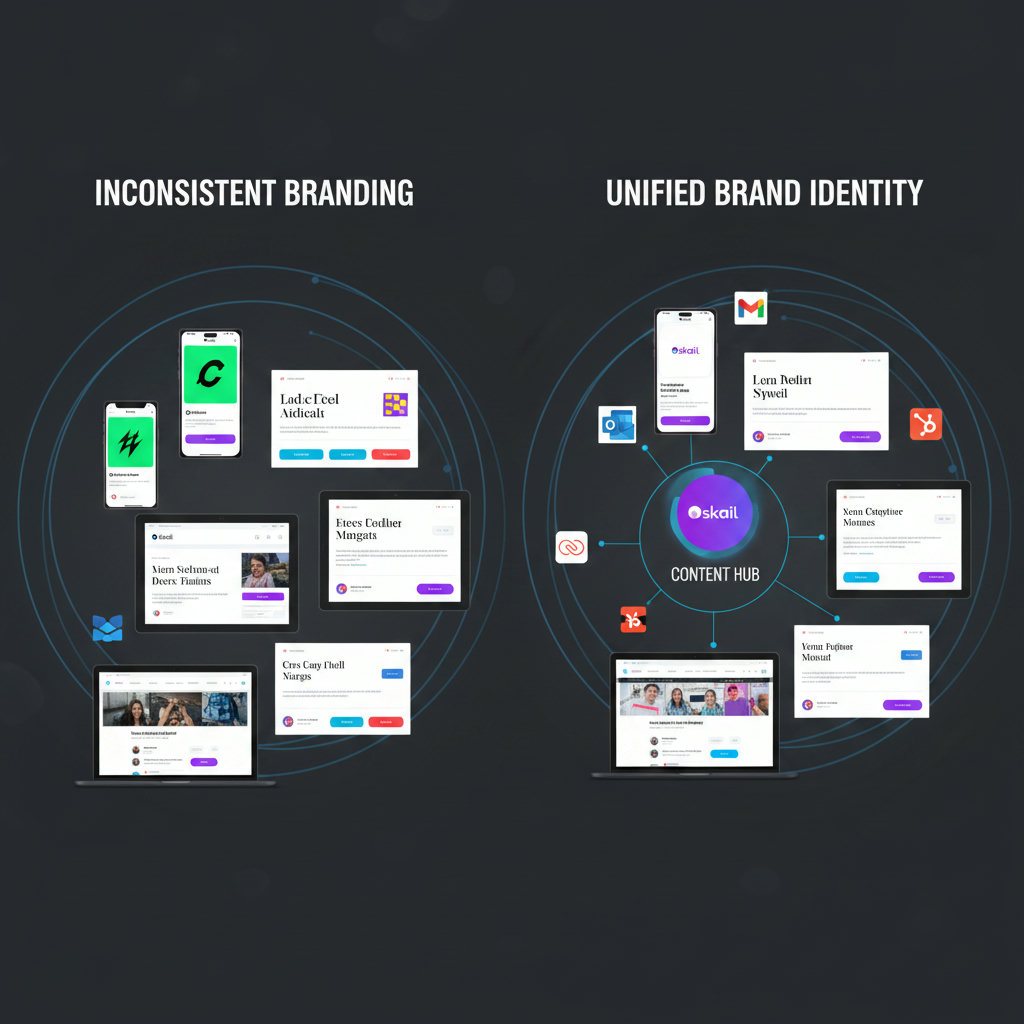
In a world saturated with information, consistency is key to building trust and recognition. Every piece of content your brand produces, regardless of channel or creator, needs to sing from the same hymn sheet. Without centralized control, maintaining a consistent brand voice, tone, and visual identity across all your marketing efforts is a nightmare. A content hub acts as your brand guardian. It ensures that only approved assets and up-to-date brand guidelines are accessible. It provides templates and standardized processes that enforce consistency, making sure your message is always clear, cohesive, and unmistakably yours. This unified approach strengthens your brand identity and prevents those cringe-worthy moments of off-brand messaging.
Core Features of an Effective Content Hub
Alright, so you’re convinced. A content hub sounds like the superhero your marketing team needs. But what exactly should this superhero be capable of? Not all content hub software is created equal, and understanding the core features will help you discern the truly transformative solutions from the merely functional ones.
Centralized Asset Repository
This is the foundational element. We’re talking about more than just cloud storage. An effective content hub offers intelligent asset management, including:
Advanced Search & Filtering: Find content by keyword, tag, author, date, and more in seconds.
Version Control: Track changes, revert to previous versions, and ensure everyone is always using the most current iteration.
Metadata Tagging: Rich metadata allows for powerful organization and discoverability, making your content truly searchable.
Permissions & User Roles: Control who can view, edit, approve, or publish specific content, maintaining security and order.
Digital Asset Management (DAM) Capabilities: Beyond just files, a good content hub often includes robust DAM features for rich media, ensuring optimal organization and usage.
Distribution Across Multiple Channels
Creating great content is only half the battle; getting it to your audience effectively is the other. A top-tier content hub doesn’t just store; it distributes. Look for features that allow you to:
Schedule & Publish: Push content directly to your website, blog, social media platforms (LinkedIn, Facebook, X, Instagram, etc.), email marketing platforms, and more.
Multi-channel Optimization: Tailor content formats and messaging for different platforms from a single source.
Integration with Marketing Stacks: Seamlessly connect with your CRM, email marketing tools, social media management platforms, and other essential marketing technologies. This might even extend to solutions for AI employee advocacy, amplifying your reach through your most valuable asset: your people.
Syndication Capabilities: Easily syndicate your content to partner sites or industry publications to expand your reach.
Performance Tracking & Analytics
You can’t improve what you don’t measure. The best content hub software provides comprehensive analytics that give you actionable insights into your content’s performance. Expect features such as:
Content Performance Metrics: Track views, engagement rates, shares, conversions, and other key KPIs for individual pieces of content and entire campaigns.
Audience Insights: Understand who is consuming your content, where they’re coming from, and how they’re interacting with it.
ROI Measurement: Tie content performance directly back to business objectives and revenue, demonstrating the true value of your content efforts.
A/B Testing Support: Experiment with different headlines, images, or calls to action to continually optimize your content for maximum impact. Insights gained here are invaluable for refining your overall content strategy. For deeper insights into digital marketing trends and analytics, sources like Statista provide a wealth of data.
Choosing the Right Content Hub Solution
So, the quest for the perfect content hub software begins! This isn’t a decision to take lightly; it’s an investment in the future of your content strategy. With so many options out there, how do you navigate the landscape and pick the right one for your unique business needs? It requires a blend of introspection, foresight, and a keen eye for practicalities.
Assessing Business Needs
Before you even start looking at features, look inward. What are your most pressing content challenges?
What kind of content do you produce most? (e.g., text, video, images, interactive media)
How many team members will be using it, and what are their roles?
What are your primary distribution channels?
What are your current pain points with content management? (e.g., slow approvals, difficulty finding assets, inconsistent branding)
What reporting and analytics are crucial for your decision-making?
List these out. This isn’t just a shopping list; it’s your compass for navigating the vast sea of available solutions. Remember, the “best” content hub software isn’t universal; it’s the one that best fits your unique essence and voice.
Scalability & Integration
Your business isn’t static, and neither should your content hub be. Consider:
Scalability: Can the platform grow with you? As your content volume increases, your team expands, or your audience diversifies, will the software handle the load without breaking a sweat? Look for flexible pricing tiers and robust infrastructure.
Integration Ecosystem: How well does it play with others? Your content hub won’t exist in a vacuum. It needs to seamlessly integrate with your existing marketing stack – your CRM, email platform, analytics tools, project management software, and any other critical systems. APIs and pre-built connectors are your friends here. The more smoothly it integrates, the less friction your team will experience, and the more valuable data you’ll glean from across your marketing operations. For a comprehensive understanding of various digital marketing tools and their integrations, a resource like Gartner Marketing can offer valuable insights.
User-Friendliness & Support
The most feature-rich software in the world is useless if no one can figure out how to use it.
User Experience (UX): Is the interface intuitive and easy to navigate? Will your team adopt it willingly, or will it become another dreaded tool? Request demos and free trials, and involve potential end-users in the evaluation process. A clean, logical design will significantly impact adoption rates and overall efficiency.
Customer Support: What kind of support does the vendor offer? Is it responsive? Do they have a comprehensive knowledge base, tutorials, and dedicated account managers? Stellar support can be a lifesaver when you encounter challenges or need to maximize your investment.
* Training & Onboarding: What resources are available to help your team get up to speed quickly? A smooth onboarding process is crucial for realizing the full benefits of your new content hub.
By carefully evaluating these aspects, you’ll be well-equipped to select content hub software that not only solves your current content chaos but also empowers your team for future success. With over 15,000 users benefiting from streamlined content operations, the right choice makes all the difference.
FAQs About Content Hub Software
What’s the difference between a Content Hub and a CMS?
While both manage content, a Content Management System (CMS) primarily focuses on website content and its publication. A content hub, on the other hand, is a broader system designed to manage all types of marketing content (text, video, images, etc.) across ALL channels – website, social media, email, internal communications, etc. It acts as a central repository and distribution engine for your entire content ecosystem, whereas a CMS is often more site-specific.

How does content hub software improve collaboration?
Content hub software improves collaboration by providing a centralized workspace where all team members can access, review, and contribute to content projects. It includes features like version control, shared calendars, commenting tools, and defined approval workflows. This eliminates the need for endless email chains, ensures everyone is working on the most up-to-date files, and streamlines the feedback and approval process, making teamwork significantly more efficient and transparent.
Is content hub software only for large enterprises?
Not at all! While large enterprises certainly benefit from the extensive features and scalability of content hub software, businesses of all sizes can gain significant advantages. Even small to medium-sized businesses (SMBs) struggle with content organization and distribution. Many content hub solutions offer tiered pricing plans, making them accessible and beneficial for growing companies looking to professionalize their content operations and maximize their marketing ROI.

Can content hub software help with SEO?
Absolutely! Content hub software can significantly boost your SEO efforts. By centralizing content, it ensures consistency in messaging and branding. It often includes features for metadata management, content tagging, and keyword optimization, making your content more discoverable by search engines. Furthermore, by tracking content performance, you can identify high-performing topics and formats to refine your SEO strategy and create more search-optimized content in the future.
What should I expect during the implementation process?
The implementation process for content hub software typically involves several steps: initial planning and goal setting, data migration (moving existing content into the new hub), configuring user roles and permissions, integrating with your existing marketing tools (like CRM or email platforms), and comprehensive team training. The timeline can vary depending on the complexity of your content library and the level of customization required, but a good provider will offer robust support and clear guidance throughout.
How does a content hub contribute to consistent branding?
A content hub is a guardian of your brand’s consistency. It stores all approved brand assets (logos, fonts, color palettes, imagery) and brand guidelines in one accessible location. It enforces version control for all content, preventing outdated messaging from being published. By providing templates and standardized workflows, it ensures that every piece of content, regardless of who creates it or which channel it’s distributed on, adheres to your established brand voice, tone, and visual identity, thereby strengthening brand recognition and trust.
Ready to transform your content strategy from chaotic to controlled, and from scattered to stellar? Embracing the right content hub software isn’t just about managing files; it’s about unlocking your team’s potential, maximizing your content’s impact, and driving measurable results. It’s time to stop chasing content and start commanding it. Cheers to smarter content! 🥂