
Tired of endlessly searching for content marketing solutions? What if you could revolutionize how you manage, distribute, and track your valuable content? Welcome to the world of content hub software – the strategic advantage you’ve been missing for streamlined content operations and enhanced engagement. Let’s face it, in today’s fast-paced digital landscape, content is king, queen, and the entire royal court. But creating it is only half the battle. The true challenge lies in making that content work for you, consistently, efficiently, and with maximum impact. Ah, the struggle is real!
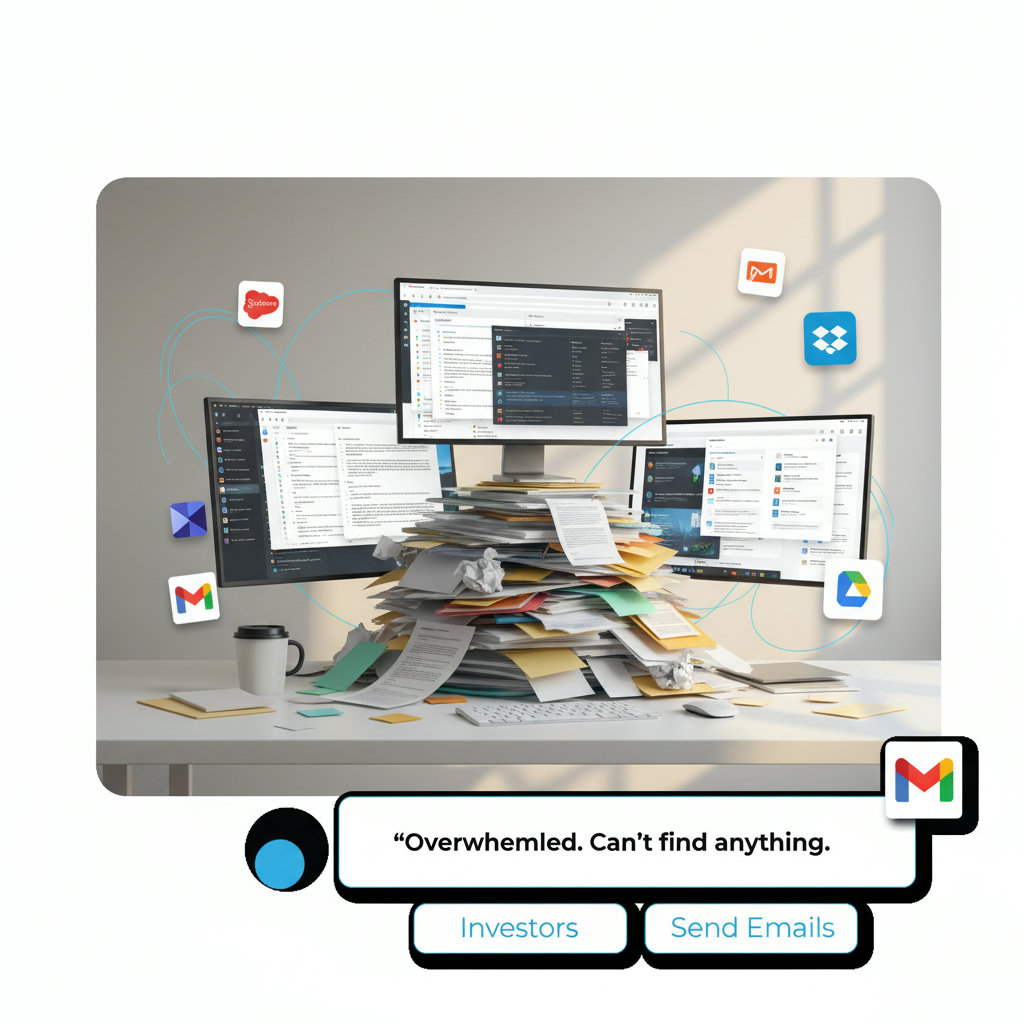
You spend countless hours crafting brilliant blog posts, engaging videos, insightful whitepapers, and captivating social media updates. Then what? They get scattered across various platforms, sometimes lost in the digital ether, and their potential is never fully realized. Tracking performance becomes a Herculean task, collaboration feels like herding cats, and keeping everyone – from sales to marketing to customer success – on the same page? Forget about it!
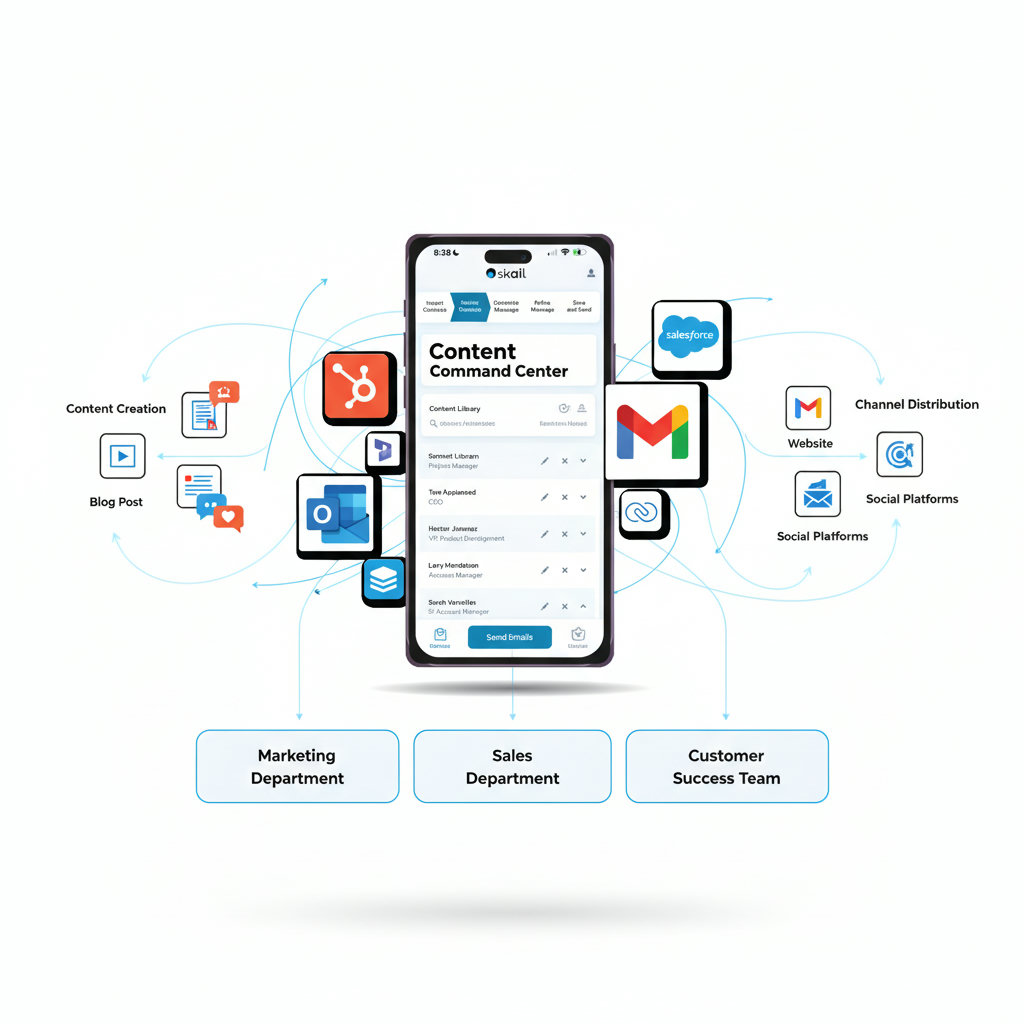
If this sounds like your daily grind, then it’s time to introduce you to your new best friend: content hub software. This isn’t just another tool; it’s a game-changer, a strategic command center for all your content initiatives. It’s about transforming your content chaos into a well-oiled, high-performance machine. Ready to discover how?
Unlock Your Content’s Full Potential with Content Hub Software
Picture this: a single, centralized platform where all your content lives. From initial ideation to final publication and beyond, every piece of content, every asset, every campaign is organized, accessible, and optimized. That, my friends, is the promise of content hub software. It’s designed to be the definitive single source of truth for your brand’s narrative, eliminating silos and fostering seamless collaboration.
The Command Center for All Your Content Assets
No more digging through shared drives, chasing down versions in email threads, or wondering if you’re using the latest logo. A robust content hub software solution consolidates everything. Think of it as a meticulously organized library, but for your digital assets – articles, images, videos, whitepapers, case studies, social media snippets, and even internal guidelines. This centralization isn’t just about tidiness; it’s about efficiency. Marketers spend far too much time searching for content, time that could be better spent strategizing or creating something new.
Streamlined Workflow and Collaboration
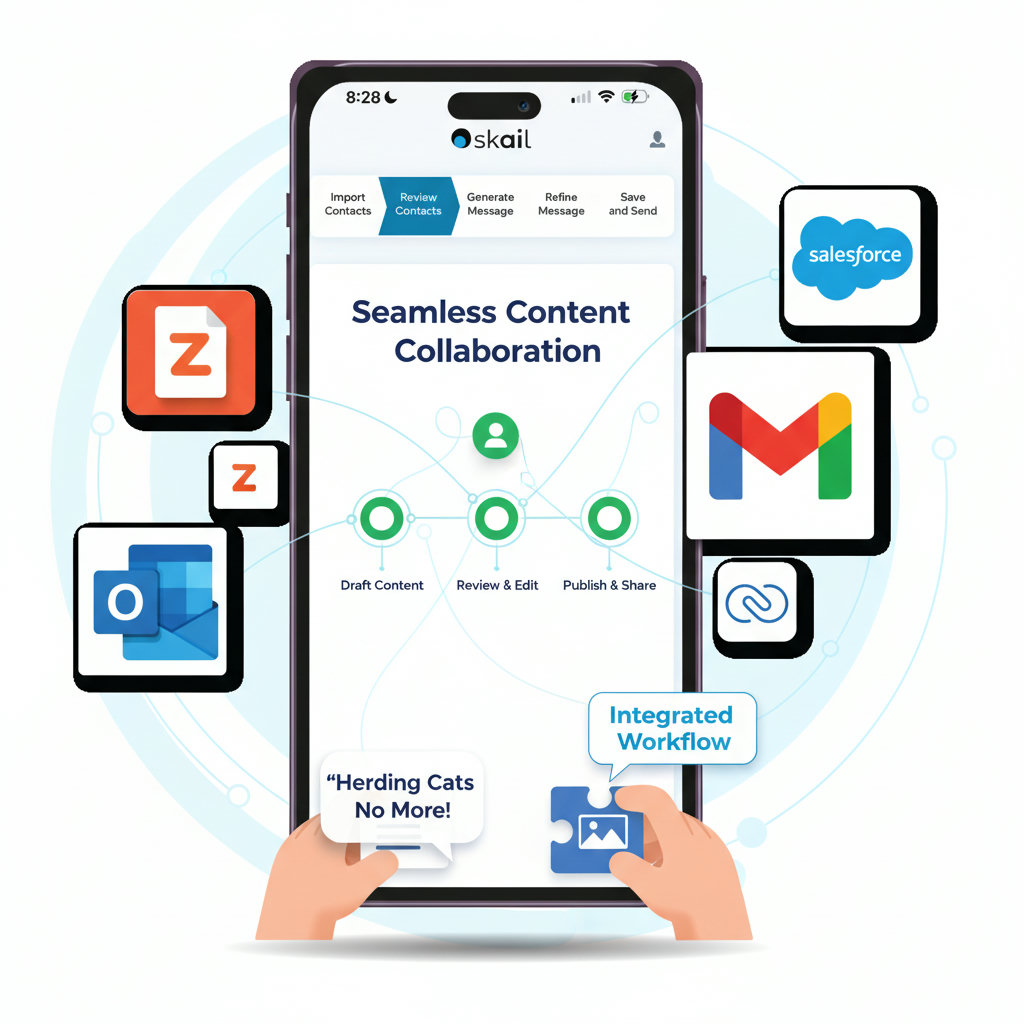
The beauty of dedicated content hub software truly shines in its ability to streamline workflows. Imagine a world where every team member – writers, editors, designers, legal, sales – knows exactly where content is in its lifecycle. Drafts, reviews, approvals, publishing schedules – all managed within one intuitive interface. This means fewer bottlenecks, faster turnaround times, and a significant reduction in those pesky “Hey, where’s that file?” emails. It fosters a truly collaborative environment, reducing friction and boosting productivity exponentially. According to Forbes, effective collaboration is a cornerstone of modern business success.
Enhanced Distribution and Personalization
A content hub isn’t just for storage; it’s for deployment. With integrated distribution capabilities, you can push content out to various channels – your website, social media, email campaigns, sales enablement platforms – directly from the hub. Moreover, many platforms allow for intelligent content tagging and segmentation, enabling you to deliver highly personalized experiences to different audience segments. This level of precision ensures your message resonates with the right people at the right time, drastically improving engagement and conversion rates.
Data-Driven Insights for Continuous Improvement
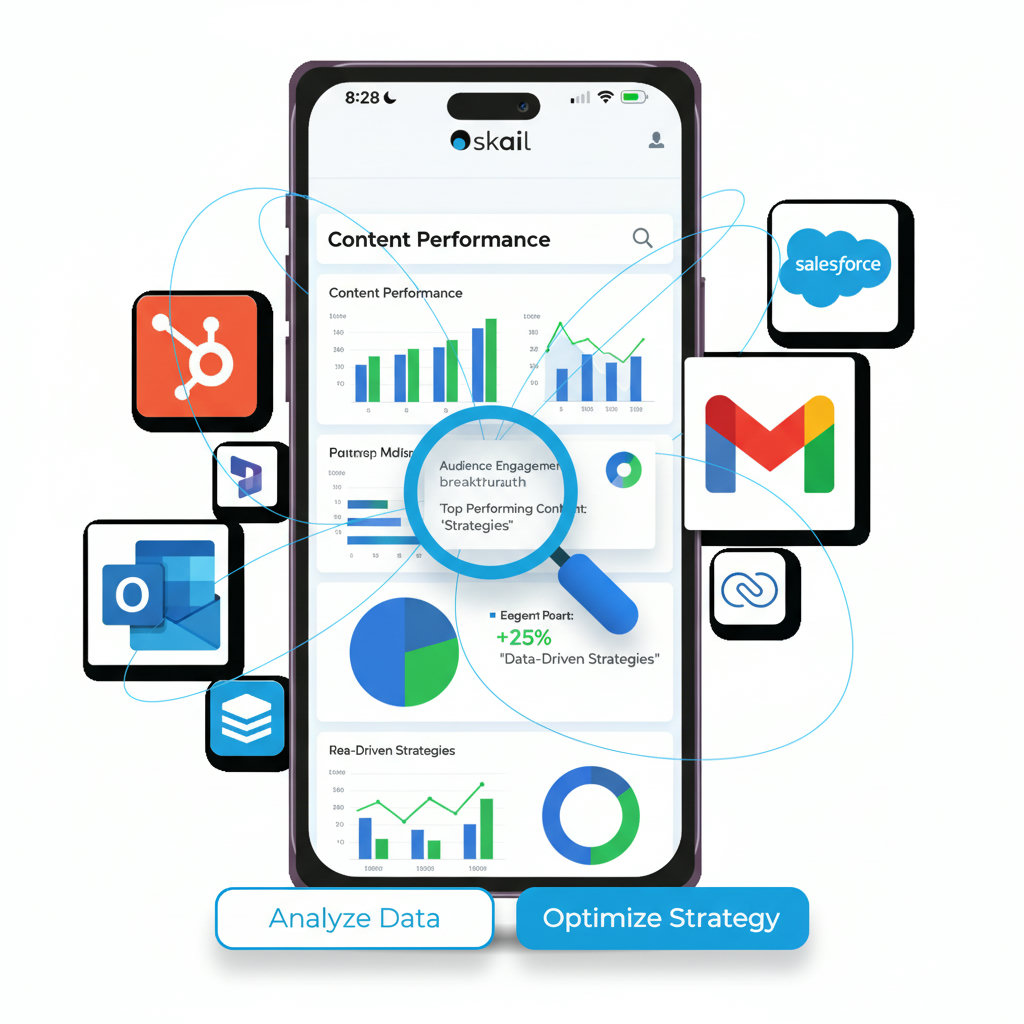
How do you know if your content is actually performing? Content hub software provides invaluable analytics and reporting. You can track everything from views and shares to conversions and ROI. This data is gold! It allows you to understand what resonates with your audience, which formats perform best, and where there are gaps in your content strategy. With these insights, you can continuously refine your approach, making data-backed decisions that drive better results and optimize your content marketing spend.
Beyond Just Management: The Strategic Advantages of Content Hub Software
While the operational efficiencies are compelling, the true power of content hub software lies in its strategic advantages. It elevates content from a mere marketing tactic to a fundamental business asset.
Consistency and Brand Cohesion Across All Touchpoints
Your brand story needs to be consistent, no matter where your audience encounters it. A content hub ensures that everyone – from marketing to sales to customer service – is using approved, on-brand messaging and assets. This eliminates confusion, strengthens your brand identity, and builds trust with your audience. Think of it as having your brand guidelines enforced automatically, subtly guiding every content interaction.
Boosting SEO and Brand Authority
By centralizing content and ensuring proper tagging, linking, and optimization, content hub software inherently supports your SEO efforts. A well-organized content hub can become a powerful resource for search engines, signaling authority and relevance. Furthermore, by making it easier to identify content gaps and opportunities, you can proactively create content that addresses user queries and establishes your brand as a thought leader in your industry.
Empowering Sales and Customer Success Teams
Sales teams often struggle to find the right content to share with prospects at different stages of the buying journey. Customer success teams need up-to-date resources to help customers maximize product value. A content hub solves this by making all relevant sales and support collateral easily discoverable and shareable. Imagine equipping your sales reps with a personalized content library they can access with a click, ensuring they always have the perfect piece of content to move a deal forward. This also plays a huge role in AI employee advocacy, enabling your teams to organically share brand messages.
Future-Proofing Your Content Strategy
The digital landscape is constantly evolving. What works today might be obsolete tomorrow. Content hub software provides the flexibility and adaptability to future-proof your content strategy. With a centralized, tagged, and easily updateable archive, you can quickly repurpose content for new channels, adapt to changing audience preferences, and pivot your strategy with agility. It’s about building a content infrastructure that can withstand the test of time and trends.
Choosing the Right Content Hub Software: What to Look For
With a plethora of options available, selecting the right content hub software can feel overwhelming. Here are some key considerations to guide your decision:
- Integration Capabilities: Does it play nicely with your existing tech stack (CRM, marketing automation, social media management tools)?
- User-Friendliness: Is the interface intuitive and easy for your entire team to adopt?
- Scalability: Can it grow with your content needs as your business expands?
- Analytics & Reporting: Does it offer comprehensive insights into content performance?
- Security: Are your valuable content assets protected with robust security features?
- Support & Training: What kind of customer support and onboarding resources are available?
Investing in content hub software isn’t just about buying a tool; it’s about investing in the future of your content strategy and, by extension, the growth of your business. It transforms content creation, management, and distribution from a chaotic chore into a strategic, data-driven engine. Ready to ditch content chaos and embrace content mastery? Your content and your team will thank you for it. Content management systems are evolving, and a dedicated content hub is the next logical step.
Frequently Asked Questions About Content Hub Software
What exactly is content hub software?
Content hub software is a centralized platform designed to manage the entire lifecycle of a brand’s digital content. This includes planning, creation, organization, publication, distribution, and analysis of various content types such as articles, videos, images, and marketing materials. It acts as a single source of truth for all content assets, facilitating collaboration and ensuring brand consistency.
How does content hub software differ from a Content Management System (CMS)?
While often overlapping, a content hub typically offers more comprehensive features for content strategy, multi-channel distribution, and performance analytics compared to a traditional CMS. A CMS (like WordPress or Drupal) is primarily focused on website content creation and publication. A content hub, on the other hand, is built to serve, organize, and distribute content across all channels and platforms, including but not limited to your website, social media, email, and sales enablement tools, with a strong emphasis on content reuse and strategic planning.
What are the main benefits of implementing content hub software?
The primary benefits include improved content organization and accessibility, streamlined workflows and enhanced team collaboration, increased content distribution efficiency, better brand consistency across all touchpoints, and superior data-driven insights into content performance. It helps reduce content silos, speeds up content production, and ultimately leads to more effective content marketing strategies.
Can content hub software help with SEO?
Absolutely! By centralizing content, ensuring proper metadata tagging, facilitating internal linking, and providing analytics on content performance, content hub software indirectly but significantly aids SEO efforts. It helps make your content more discoverable by search engines and allows you to identify and fill content gaps that could boost your search rankings and visibility.
Is content hub software suitable for small businesses or mostly for large enterprises?
Content hub software can benefit businesses of all sizes. While enterprise-level solutions offer extensive features for large organizations with complex content needs, many scalable content hub platforms are available for small to medium-sized businesses. The key is to choose a solution that matches your current content volume, team size, and growth ambitions, ensuring it provides the necessary features without being overly complex or cost-prohibitive.