“`html
Ever felt like you’re constantly chasing your tail in the vast, ever-shifting landscape of online visibility? Trying to cut through the noise, make a real connection, and convert those fleeting glances into loyal customers? Ah, the digital dilemma! It’s not enough to just be online anymore; you need to thrive, to resonate, to truly make your mark. You need a strategy that doesn’t just put you on the map, but launches you into the stratosphere—a true approach to brand amplified marketing. This isn’t just about showing up; it’s about owning the conversation, building an unshakeable presence, and ultimately, mastering digital marketing for unparalleled online success.
The Evolving Landscape of Digital Marketing
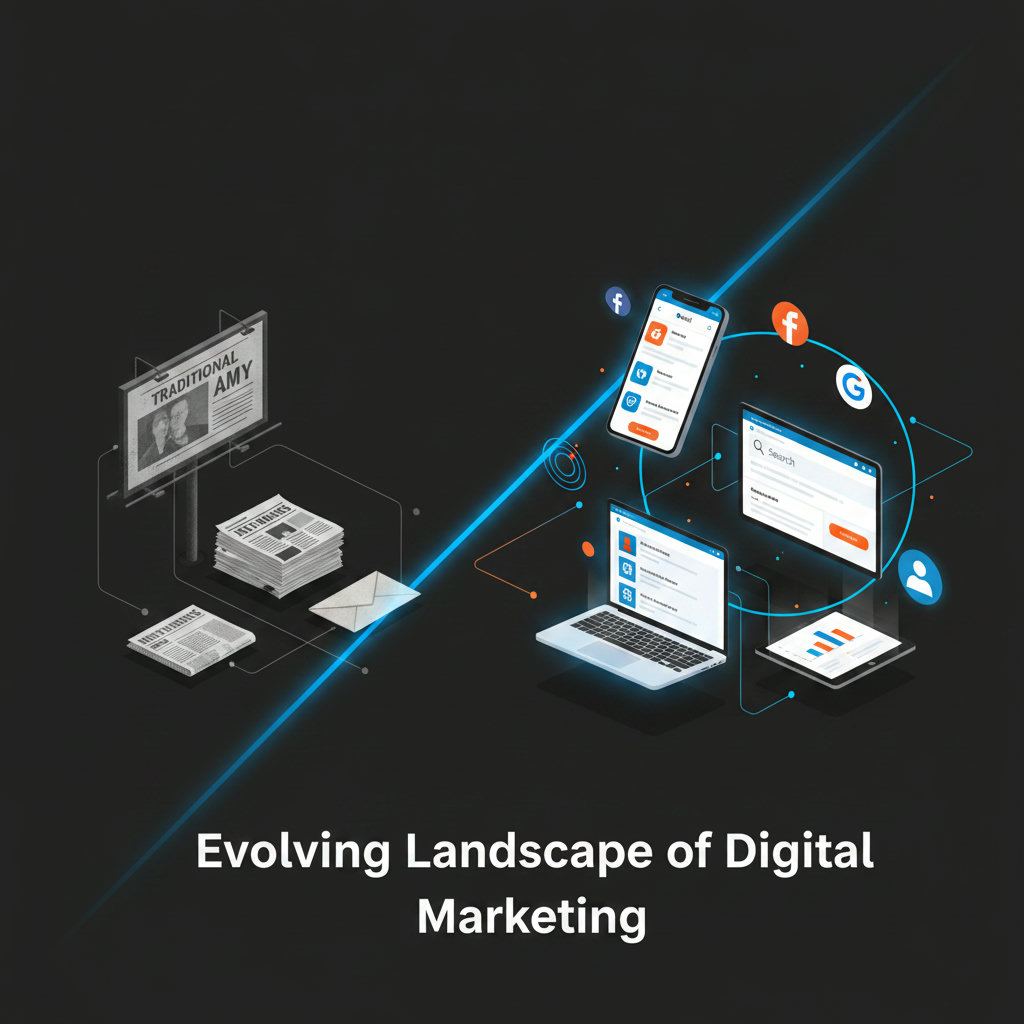
Remember a time when a billboard or a newspaper ad was the pinnacle of marketing reach? Simple, right? Not quite. Today, the world has gone digital, and with it, consumer expectations have skyrocketed. We’re not just browsing; we’re engaging, sharing, reviewing, and demanding authenticity. To ignore this shift is to wave goodbye to relevance, making a cohesive strategy for brand amplified marketing absolutely non-negotiable.
Why Digital Dominates
The contrast between traditional and digital marketing isn’t just about format; it’s about interaction, measurability, and reach. Traditional methods often felt like shouting into the void, hoping someone heard. Digital, however, offers a two-way street, allowing brands to listen, respond, and adapt in real-time. This dynamic shift in consumer behavior, moving from passive reception to active participation, means that brands must meet their audience where they live, work, and play – which is, overwhelmingly, online.
But what does this digital dominance look like in practice? It’s a symphony of interconnected elements, each playing a crucial role in amplifying your message.
Core Digital Marketing Pillars
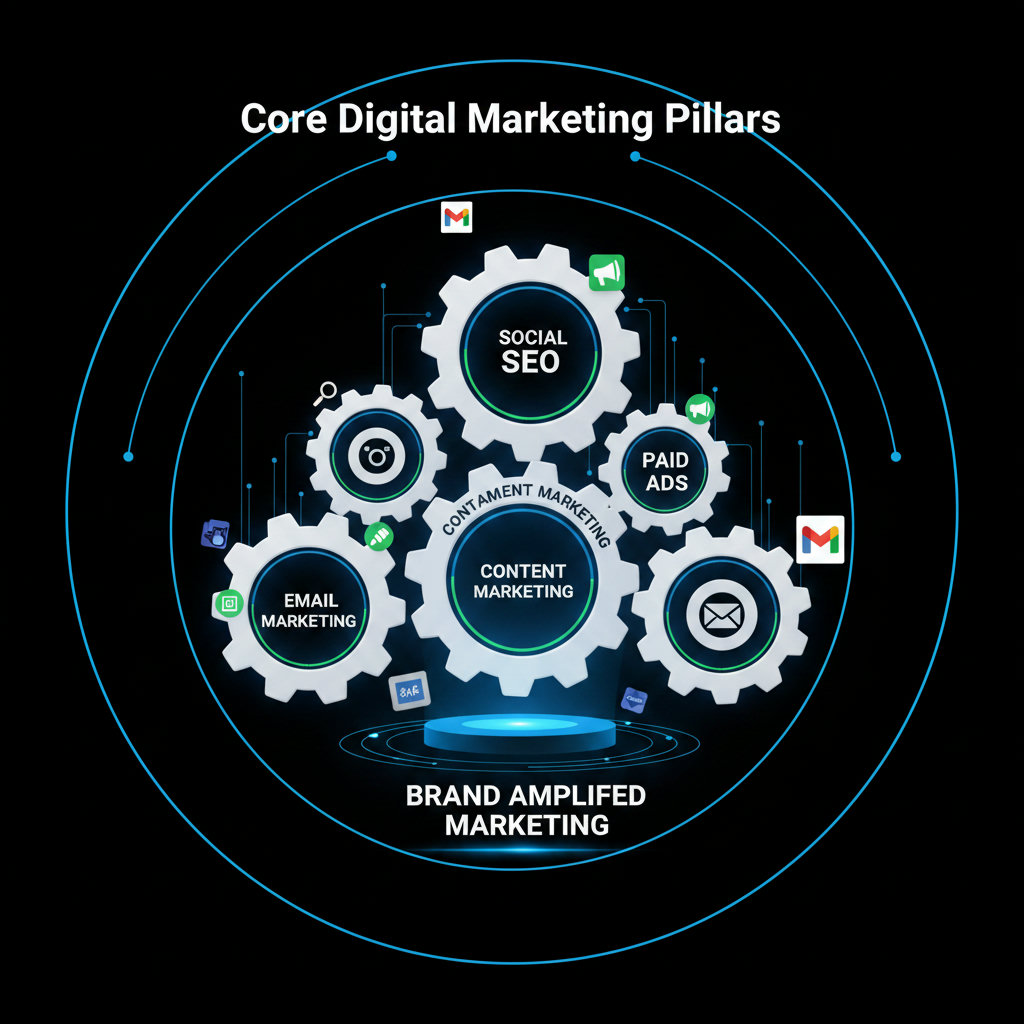
At its heart, digital marketing is built upon several foundational pillars. You’ve got Search Engine Optimization (SEO), ensuring you’re discoverable when people are actively looking for solutions. Then there’s Content Marketing, the art of creating valuable information that attracts and retains an audience. Social Media marketing builds communities and direct engagement. And let’s not forget the strategic power of Paid Ads, the direct route to reaching specific demographics, alongside the nurturing touch of Email Marketing, and the critical eye of Analytics, which tells you what’s working and what’s not. These aren’t isolated tactics; they’re gears in a powerful machine designed for brand amplified marketing.
Crafting a Powerful Online Presence
Your online presence isn’t just a website; it’s your digital storefront, your virtual handshake, your 24/7 brand ambassador. And like any good ambassador, it needs to be polished, inviting, and utterly reliable.
Website Optimization Fundamentals
First impressions matter, especially online. A clunky, slow, or confusing website is the digital equivalent of a broken-down shop window. That’s why User Experience (UX) is paramount. Is it easy to navigate? Does it load quickly? Is the information clear and concise? Beyond that, with more than half of global web traffic coming from mobile devices, a Mobile-first design isn’t just a nice-to-have; it’s an absolute must. Your site needs to look stunning and function flawlessly on every screen size, ensuring every potential customer has a seamless journey.
Search Engine Optimization (SEO) Essentials
Having a beautiful website is wonderful, but if no one can find it, what’s the point? Enter SEO, the art and science of getting your website discovered through organic search. It starts with meticulous Keyword Research, understanding what your audience is actually typing into search engines. Then, it’s about applying both On-page tactics (optimizing your content, headings, and images) and Off-page tactics (like building high-quality backlinks from other reputable sites) to signal to search engines that your site is a valuable resource. Think of it like being a diligent librarian, organizing your books so everyone can find exactly what they’re looking for.
Content That Converts
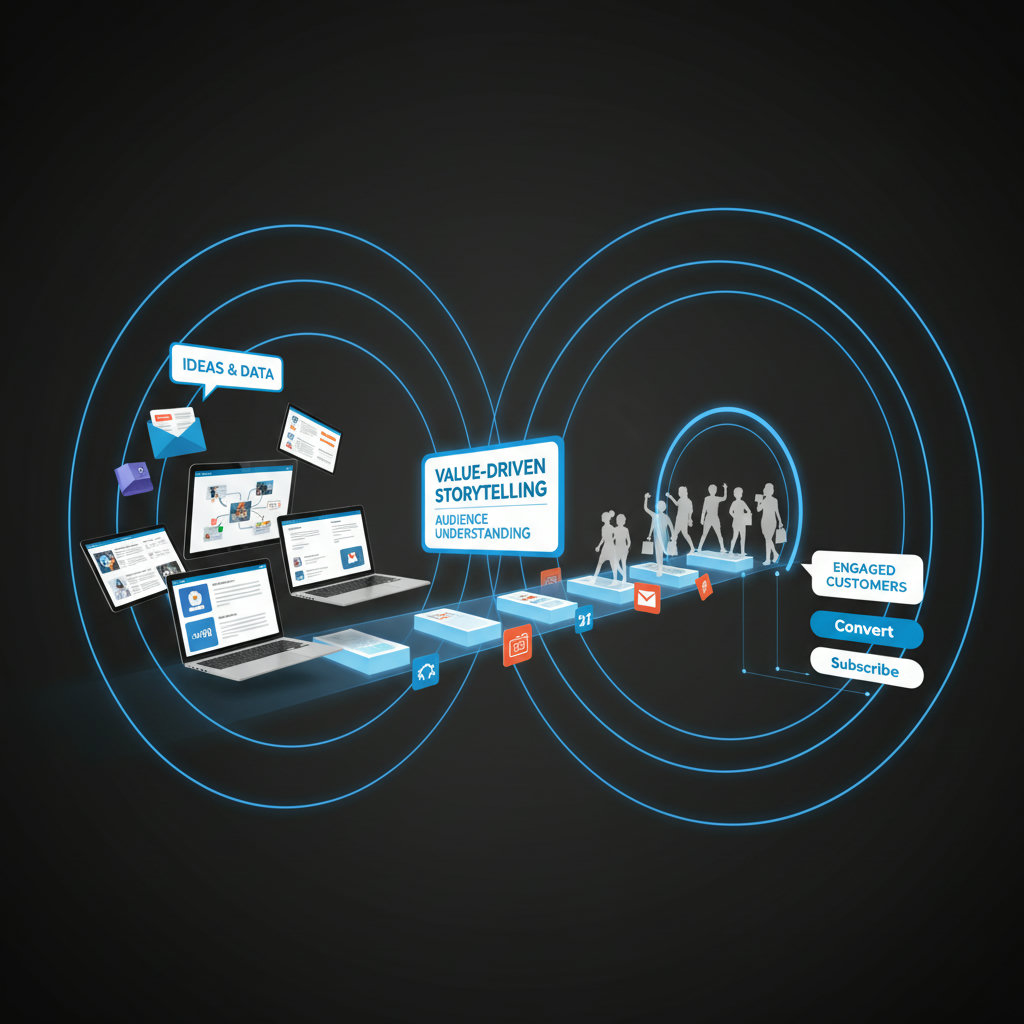
Content is the fuel for your digital marketing engine. But not just any content – we’re talking about content that truly resonates, educates, and inspires. This begins with a deep Audience Understanding. Who are you talking to? What are their pain points, desires, and questions? Once you know your audience, you can craft Value-driven Storytelling. This isn’t just about selling; it’s about providing solutions, offering insights, and building trust. Whether it’s a blog post, a video, an infographic, or a podcast, your content should be so good that people actively seek it out, share it, and see you as an authoritative voice in your industry. This approach is key to achieving truly brand amplified marketing.
Engaging Your Audience Effectively
Once you’ve got your presence established and your content flowing, the next step is to truly engage. This isn’t a monologue; it’s a conversation. And the most vibrant conversations happen on social media and in the trusted space of an inbox.
Social Media Strategy
Social media isn’t just for sharing cat videos (though we love those too!). It’s a powerhouse for connection and brand building. The key is intelligent Platform Selection. Where does your audience hang out? LinkedIn for B2B? Instagram for visual brands? TikTok for reaching younger demographics? Once you’re on the right platforms, focus on Community Building. Respond to comments, run polls, host live sessions, and create shareable content. Remember, it’s about fostering relationships, not just broadcasting messages. An engaged community becomes your biggest advocate, turning passive followers into active proponents of your brand.
Email Marketing Power
In a world of fleeting social trends, email remains a steady, reliable channel for direct communication. It’s like having a VIP pass to your customers’ attention. Start with robust List Growth Strategies, offering valuable incentives for people to subscribe. Then, unleash the power of Segmentation & Automation. Don’t just send generic emails; tailor your messages based on customer behavior, interests, and purchase history. A well-crafted, personalized email can feel like a direct conversation, nurturing leads, announcing new offerings, and keeping your brand top-of-mind. It’s a powerful tool for loyalty and driving repeat business, complementing your brand amplified marketing efforts.
Driving Growth Through Paid Channels
While organic growth is the dream, sometimes you need a strategic push to get your message in front of the right eyes, right now. That’s where paid channels come in, acting as powerful accelerators for your digital efforts.
Understanding Paid Advertising
Paid advertising isn’t about throwing money at the internet; it’s about precision targeting. Search Engine Marketing (SEM), often through Pay-Per-Click (PPC) campaigns on platforms like Google Ads, allows you to appear at the very top of search results for specific keywords. Imagine being precisely where your customer is looking for you! Similarly, Social Media Ads on platforms like Facebook, Instagram, and LinkedIn offer incredibly granular targeting options, allowing you to reach audiences based on demographics, interests, and behaviors. This targeted approach minimizes wasted spend and maximizes impact, ensuring your brand amplified marketing message reaches its intended audience efficiently.
Budgeting and Targeting
Success in paid advertising hinges on smart planning. It’s about more than just setting a daily spend; it’s about optimizing your Ad Campaign Setup for maximum return. What are your objectives? Who are you trying to reach? Critical to this is Audience Segmentation, drilling down to create buyer personas and custom audiences that are most likely to convert. By carefully crafting ad copy, selecting eye-catching visuals, and continually refining your targeting, you can ensure every penny spent works harder for your brand.
Measuring Success and Adapting
The beauty of digital marketing, especially for brand amplified marketing, is its measurability. No more guessing games! You can track virtually everything, allowing you to understand what’s working, what’s not, and how to continuously improve.
Key Performance Indicators (KPIs)
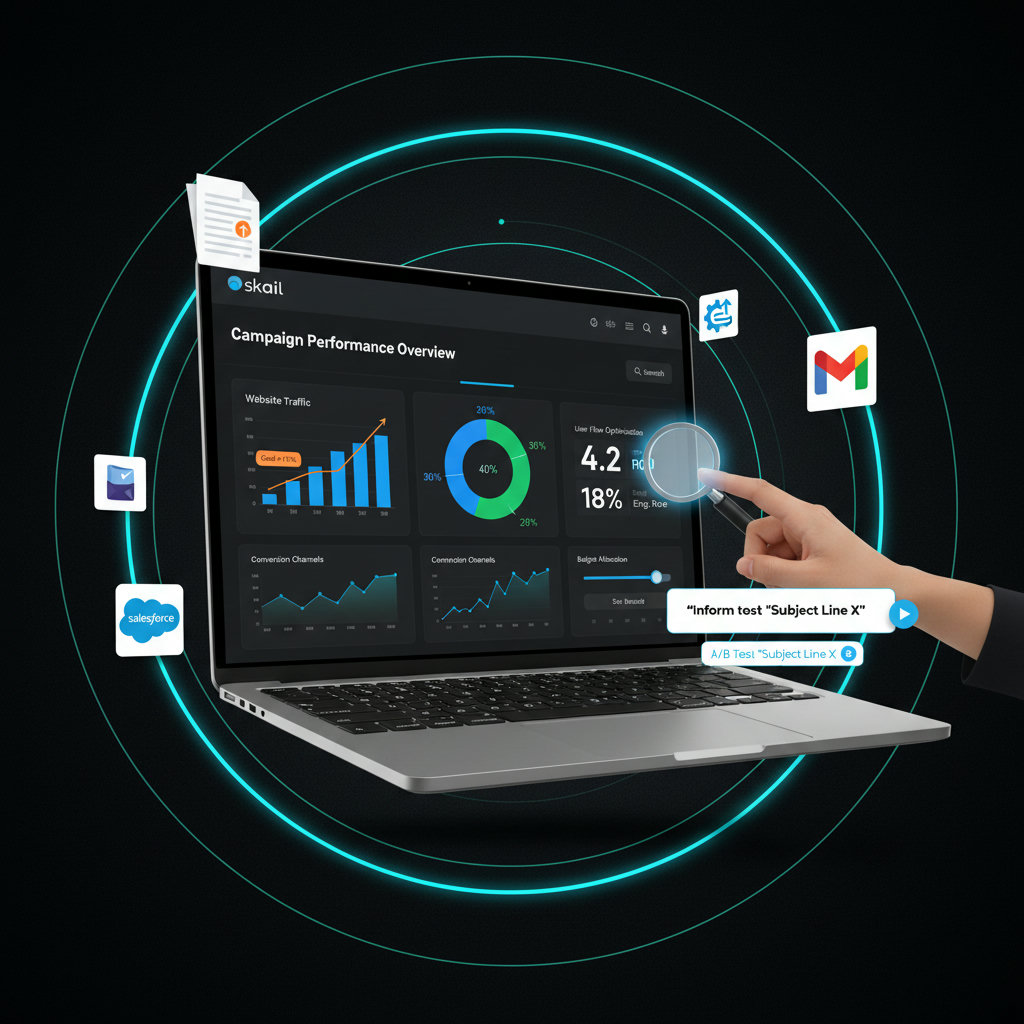
To truly understand your impact, you need to define your Key Performance Indicators (KPIs). These are the metrics that matter most to your business goals. Common KPIs include Website Traffic (how many people are visiting?), Conversion Rates (what percentage of visitors complete a desired action, like making a purchase or filling out a form?), and engagement metrics like bounce rate or time on page. By tracking these consistently, you get a clear picture of your digital health.
Analytics Tools and Insights
The digital world is awash with data, and powerful tools are there to help you make sense of it. Google Analytics is a ubiquitous and indispensable tool, offering deep insights into user behavior on your website. But it’s not just about collecting data; it’s about deriving Data-driven Decisions. Which marketing channels are driving the most traffic? Which content pieces are most popular? Where are users dropping off? These insights are gold, informing your next strategic moves and ensuring your marketing efforts are always improving.
Want to supercharge your brand’s message and tap into the power of your own team? Consider exploring AI employee advocacy platforms that can turn your employees into powerful brand amplifiers, extending your reach and credibility organically.
Continuous Optimization
Digital marketing is rarely a “set it and forget it” endeavor. It’s an ongoing journey of refinement and improvement. A/B Testing, where you compare two versions of a webpage, email, or ad to see which performs better, is a critical practice. This Iterative Improvement approach means you’re constantly learning, adapting, and fine-tuning your strategies based on real-world data. The digital landscape is dynamic, and your marketing strategy should be too, always evolving to stay ahead of the curve and maintain a truly amplified brand presence. The brands that win are the ones that are constantly analyzing, adapting, and optimizing, ensuring every effort contributes to their overarching success.
Frequently Asked Questions About Brand Amplified Marketing
What exactly is brand amplified marketing?
Brand amplified marketing is a comprehensive approach that leverages various digital marketing channels and strategies to significantly increase a brand’s visibility, reach, and impact. It goes beyond basic marketing by actively seeking to magnify a brand’s message, engage a wider audience, and cultivate deeper connections, often utilizing tools like employee advocacy and personalized content to achieve pervasive presence and influence.
Why is a mobile-first website design so crucial today?
A mobile-first website design is crucial because the majority of internet traffic now originates from mobile devices. Search engines prioritize mobile-friendly sites for ranking, and users expect seamless experiences on their smartphones and tablets. A site that performs poorly on mobile will lead to high bounce rates, frustrated users, and ultimately, lost business opportunities.
How can I ensure my content truly resonates with my audience?
To ensure your content resonates, you must first deeply understand your target audience – their demographics, psychographics, pain points, and interests. Create buyer personas to guide your content creation. Focus on providing genuine value, answering their questions, and solving their problems. Use storytelling, varied formats (video, infographics, blogs), and a consistent brand voice to build connection and trust.
What’s the difference between SEO and SEM?
SEO (Search Engine Optimization) focuses on improving your website’s visibility and ranking in search engine results through organic, unpaid methods, such as optimizing content, keywords, and building backlinks. SEM (Search Engine Marketing) is a broader term that encompasses SEO but also includes paid strategies like PPC (Pay-Per-Click) advertising, where you bid on keywords to show ads at the top of search results pages. So, SEM includes SEO, but also uses paid ads for immediate visibility.
How do I measure the success of my digital marketing efforts?
Measuring success involves defining Key Performance Indicators (KPIs) relevant to your goals, such as website traffic, conversion rates, lead generation, customer acquisition cost, and return on ad spend (ROAS). Utilize analytics tools like Google Analytics to track these metrics. Regularly review data to understand what’s working, identify areas for improvement, and make data-driven decisions for continuous optimization.
Can small businesses effectively implement brand amplified marketing?
Absolutely! While resources might be tighter, the principles of brand amplified marketing are scalable. Small businesses can focus on niche audiences, leverage organic social media, create high-quality, targeted content, and utilize cost-effective email marketing. Tools like Google My Business and local SEO are also incredibly powerful for small businesses, allowing them to compete effectively in their specific markets. The key is strategic focus and consistent effort.
“`