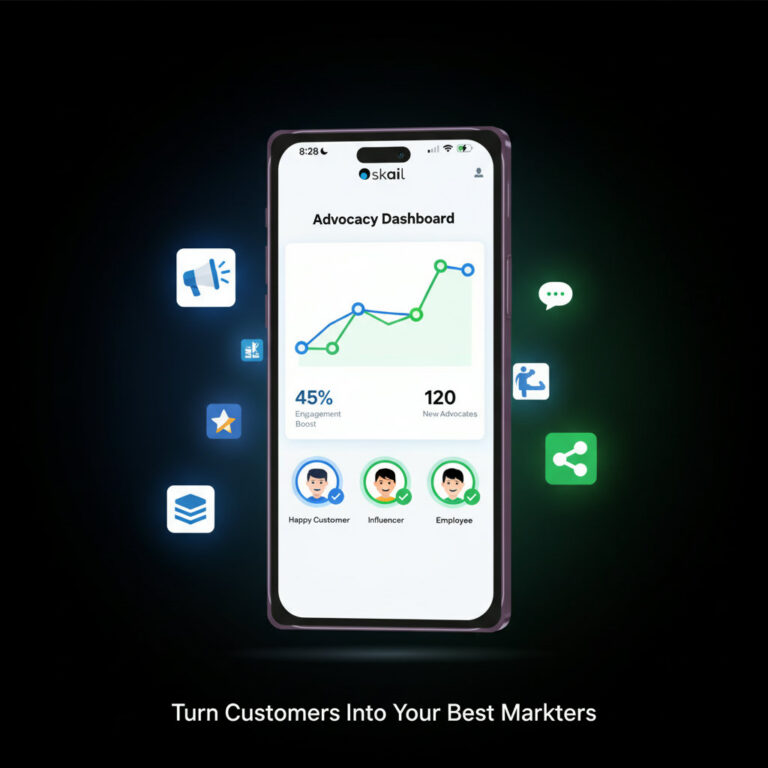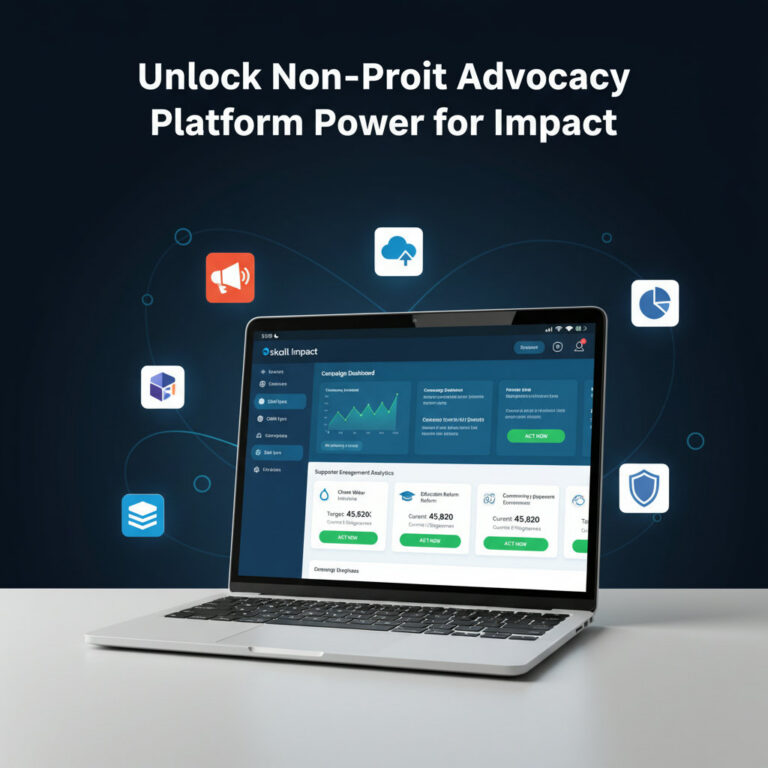

Ah, time! That elusive, slippery commodity we all chase, especially in the fast-paced world of business. You, the small business owner, the marketing wizard, the sales guru – you know the feeling. The endless to-do lists, the constant juggle, the feeling that there just aren’t enough hours in the day to truly connect with your audience. You’re building something incredible, a brand with heart and soul, but how do you get that message out there without sacrificing your precious time or, let’s be honest, your sanity?
Every small business owner dreams of turning their customers and employees into passionate advocates. Imagine a world where your biggest fans spontaneously share your story, where your team is so enthusiastic they can’t help but spread the word, and where your marketing practically runs itself. That’s the magic of brand advocacy for small business, and it’s not just a pipe dream. It’s a powerful, cost-effective strategy that can supercharge your growth and reputation.
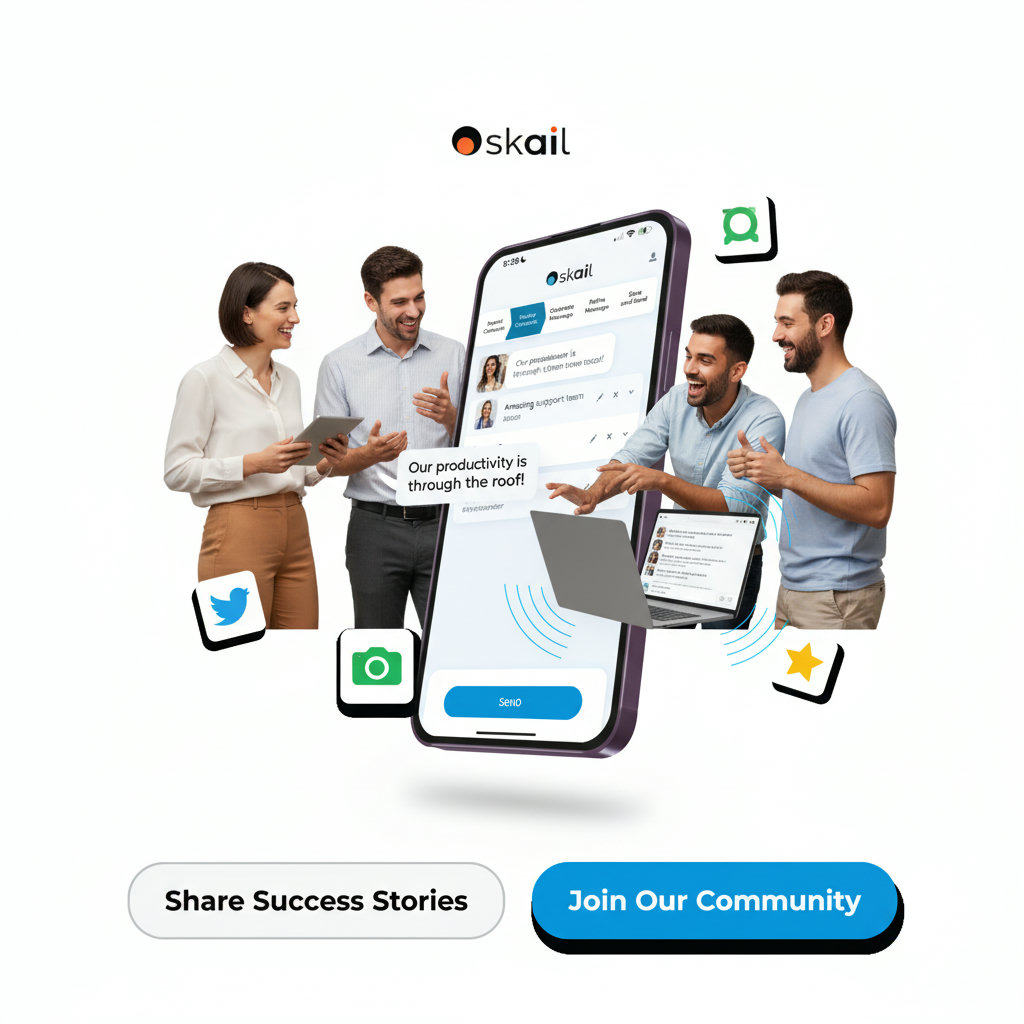
But how do you cultivate an army of advocates without another gigantic marketing budget or countless hours of outreach? We’ve all been there, right? You’ve got a fantastic product or service, customers who genuinely love what you do, and a team that’s passionate about your mission. The challenge isn’t the ‘what’ – it’s the ‘how.’ How do you orchestrate that organic enthusiasm into a consistent, impactful force that truly drives your business forward? This article will dive deep into making brand advocacy for small business not just possible, but incredibly potent.
Understanding the Power of Your People
Let’s face it: people trust people, not just polished ads. When a friend raves about a new coffee shop, aren’t you more likely to check it out than if you just saw a billboard? Exactly! This is the fundamental principle behind brand advocacy. It’s about leveraging the genuine enthusiasm of your existing network – your employees, your customers, even your partners – to amplify your message.
Defining Advocacy Beyond Marketing
Advocacy for a small business isn’t just about getting a five-star review (though those are great!). It’s about genuine storytelling, authentic recommendations, and sharing experiences that resonate. It’s your employee proudly posting about a company win on LinkedIn, or a customer spontaneously tweeting about how your product changed their day. These aren’t paid endorsements; they’re heartfelt expressions of satisfaction and loyalty. They are the social proof that builds trust far more effectively than any advertising campaign. In the realm of brand advocacy for small business, these organic shares are priceless.
Why Employee Advocacy is a Game-Changer
Your employees are your most underutilized marketing asset. They are the face of your company, the experts in your offerings, and they have networks far beyond what your brand accounts can reach. Think about it: an employee’s post typically gets significantly more engagement than a company post. Why? Because it’s personal, it’s relatable, and it feels more authentic. Empowering your team to share content, celebrate achievements, and talk about their work transforms them into powerful brand ambassadors. This not only boosts your visibility but also fosters a stronger sense of community and pride within your organization. Empowering your team in this way is a cornerstone of effective brand advocacy for small business.
Overcoming the Hurdles: Time, Effort, and Consistency
So, you’re sold on the idea. But here’s where the typical small business owner throws their hands up: “Who has the time to manage all of that?” You’re already juggling sales, operations, customer service, and probably plunging the office toilet on occasion. Asking you to also become a social media czar, constantly curating content for your team to share, feels like another mountain to climb, doesn’t it?
The “Manual Labor” Trap
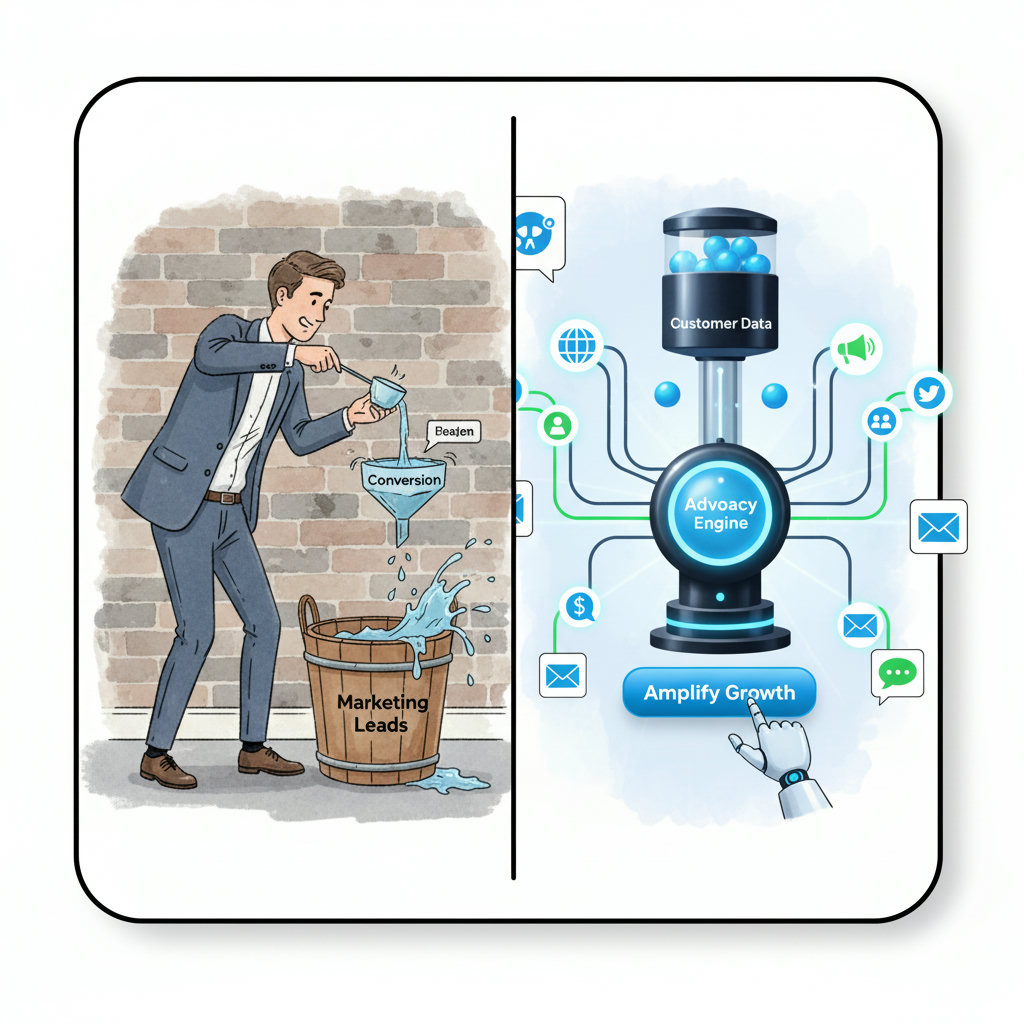
The traditional approach to advocacy often involves a lot of manual effort. Sending out emails with suggested posts, reminding people to share, tracking what went out – it’s a full-time job in itself! And let’s be honest, who doesn’t need coffee breaks or gets tired of sending “Hey, I thought you might be interested in…” messages. This manual effort can lead to inconsistent messaging, low participation rates, and ultimately, burnout for the person trying to manage it all. It’s like trying to bail out a leaky boat with a teacup – you’re working hard, but the problem persists.
The Struggle for Consistent Messaging
Another major hurdle is consistency. How do you ensure everyone is sharing content that aligns with your brand’s voice and values? You don’t want a rogue employee accidentally spreading misinformation or off-brand messaging. Maintaining a cohesive narrative across dozens, or even hundreds, of individual voices is a delicate balance. It requires clear guidelines, easy access to approved content, and a system that makes it simple for everyone to stay on message without feeling stifled. This is particularly crucial for any brand advocacy for small business initiative.
Automating Advocacy: Your Secret Weapon
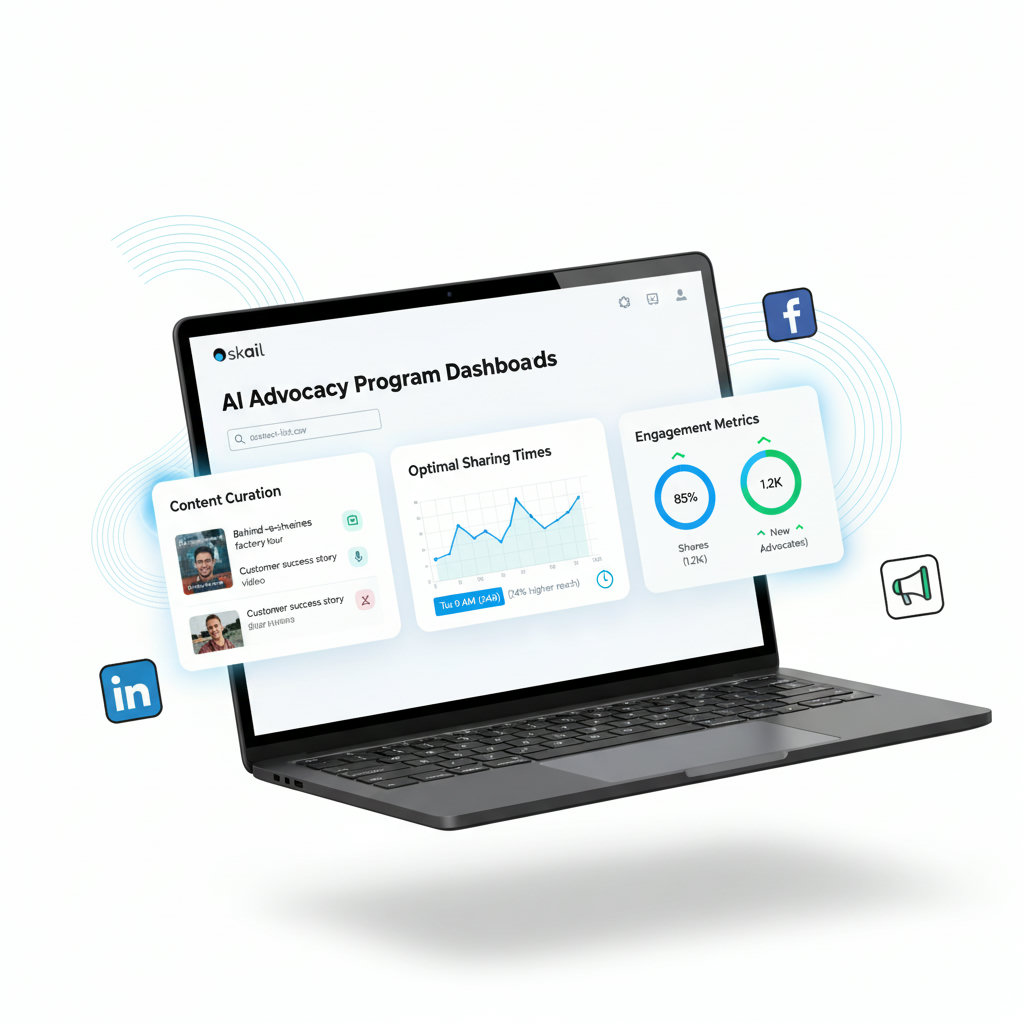
What if you could turn that manual drudgery into an effortless, consistent flow of positive buzz? This is where technology steps in to be your superhero sidekick, especially for AI employee advocacy. Imagine a system that curates relevant content for your team, makes sharing unbelievably simple, and even tracks the impact of their efforts – all on autopilot.
Introducing AI-Powered Content Curation
This isn’t sci-fi; it’s smart business. AI tools can analyze your brand’s messaging, industry trends, and even your employees’ interests to suggest highly relevant content for them to share. No more sifting through articles or crafting posts from scratch. The AI does the heavy lifting, providing a steady stream of engaging content that your employees will genuinely want to share with their networks. It’s like having a dedicated content manager working 24/7, pinpointing exactly what will resonate.
Effortless Sharing & Tracking
The beauty of modern advocacy platforms is their simplicity. With just a few clicks, employees can typically share pre-approved content across their preferred social media channels. The platform handles the scheduling, the formatting, and even tracks engagement metrics – opens, clicks, shares, and potential reach. This means you can see exactly what content is performing best and who your most active advocates are, all without lifting a finger (well, almost!). This data-driven approach allows you to continuously refine your brand advocacy for small business strategy.
For more insights into creating persuasive content, you might find this resource on content marketing strategies helpful, as advocacy often leverages similar principles of valuable information dissemination.
The Undeniable Benefits: Why Now is the Time
Implementing a streamlined advocacy program isn’t just about saving time; it’s about unlocking a cascade of benefits that directly impact your bottom line and long-term success. It’s truly a game-changer for brand advocacy for small business.
Boosted Brand Visibility & Trust
When your employees and customers become advocates, your brand’s reach explodes organically. Each share isn’t just a view; it’s a trusted recommendation from someone within their network. This dramatically increases your visibility and, more importantly, builds genuine trust. People are far more likely to engage with and convert from a brand recommended by someone they know.
Enhanced Employee Engagement & Retention
Empowering your employees to be brand advocates fosters a stronger sense of ownership and pride. When they feel connected to your mission and see the impact of their voice, their engagement soars. This isn’t just good for your brand; it’s fantastic for morale and retention. Happy, engaged employees are less likely to leave and more likely to attract top talent. It creates a virtuous cycle where your internal culture strengthens your external brand perception.
Cost-Effective Marketing & Lead Generation
Traditional advertising can be incredibly expensive for small businesses. Brand advocacy, however, is one of the most cost-effective marketing strategies available. You’re leveraging existing resources – your people – to generate authentic buzz. This leads to higher-quality leads because they’re often pre-qualified by a trusted referral, dramatically improving your conversion rates over time. Learning about lead generation best practices can further enhance your advocacy efforts.
Making it Happen: Your Actionable Steps
Ready to transform your employees and customers into your most powerful marketing channel? Here’s how to get started on your journey to powerful brand advocacy for small business:
Start with a Clear Vision & Values
Before you launch any program, ensure your brand’s core values and mission are crystal clear. What do you want your advocates to communicate? What stories do you want them to tell? This forms the foundation of all your advocacy efforts. A strong, authentic narrative is key.
Empower Your Team with Tools & Training
Invest in an intuitive advocacy platform that makes sharing easy and fun. Provide clear guidelines and a bit of training on what to share and how. Make it a positive, encouraging experience, not another ‘to-do’ item. Celebrate their efforts and show them the impact they’re making.
Foster a Culture of Appreciation
Recognize and reward your top advocates. Celebrate their contributions, highlight their shared posts, and show genuine appreciation for their efforts. Acknowledgment goes a long way in sustaining ongoing enthusiasm and participation. Remember, advocacy is a long-term relationship, not a one-off campaign.
Harnessing the power of brand advocacy for small business isn’t just a nice-to-have; it’s a strategic imperative. By understanding the human element, leveraging technology, and fostering a culture of empowerment, you can transform your greatest assets – your people – into an unstoppable force for growth. It’s time to move beyond traditional marketing and embrace the authentic, powerful voice of your advocates. Cheers to scaling your impact with genuine connections! 🥂
FAQ: Brand Advocacy for Small Business
Why is brand advocacy important for small businesses?
Brand advocacy is crucial for small businesses because it provides highly credible, cost-effective marketing. People trust recommendations from friends, family, and colleagues more than traditional advertising. This organic word-of-mouth marketing boosts brand visibility, builds trust, attracts high-quality leads, and strengthens customer loyalty, all without a massive marketing budget.
What’s the difference between customer advocacy and employee advocacy?
Customer advocacy involves existing customers promoting your brand based on their positive experiences. Employee advocacy, on the other hand, involves your employees actively sharing company news, values, and achievements within their personal networks. Both are vital for effective brand advocacy for small business, but employee advocacy often provides deeper insights and more consistent messaging from an internal perspective.
How can a small business encourage employees to become brand advocates?
To encourage employee advocacy, small businesses should first foster a positive company culture, provide clear brand guidelines, and make it easy for employees to share content. Utilizing advocacy platforms that offer pre-approved content, simple sharing tools, and recognition programs can significantly boost participation and enthusiasm. Training and demonstrating the impact of their efforts also help.
What kind of content should advocates share?
Advocates should share content that aligns with the brand’s values and resonates with their own networks. This can include company news, blog posts, industry insights, customer success stories, product updates, behind-the-scenes glimpses, and personal experiences working for or with the brand. The key is authenticity and value for their audience.
How can technology help with brand advocacy for small businesses?
Technology, particularly AI-powered advocacy platforms, can revolutionize brand advocacy for small business. These tools can automate content curation by suggesting relevant posts, simplify sharing across multiple social media channels with just a few clicks, and track performance metrics. This automation saves time, ensures consistent messaging, and provides valuable data to optimize advocacy efforts, making it manageable even for small teams.