
“`html
Hey there, fellow small business owner! Ever feel like you’re constantly shouting into the void, trying to get your brand noticed amidst the cacophony of big-budget marketing campaigns? It’s tough, right? You’re juggling a million things – product development, customer service, invoices – and often, marketing feels like another plate spinning precariously. But what if I told you that your most potent marketing tool is already within your grasp, often sitting right there in your office (or on their couch, if you’re a remote-first crew)? We’re talking about brand advocacy for small business – turning your employees into passionate champions for your brand. This isn’t just a buzzword; it’s a game-changer for driving authentic growth and reaching new audiences.

Understanding Brand Advocacy for Small Business
Ah, time! That elusive, slippery commodity we all chase, especially in the fast-paced world of business. You, the small business owner, the marketing wizard, the sales guru – you know the feeling. The endless to-do lists, the constant juggle, the feeling that there just aren’t enough hours in the day to truly connect with your audience. You’re building something incredible, a brand with heart and soul, but how do you get that message out there without sacrificing your precious time or, let’s be honest, your sanity?
Defining Brand Advocacy
Enter brand advocacy for small business – a concept so powerful, so transformative, it feels like cheating. At its core, brand advocacy is about empowering individuals, primarily your employees, to naturally and enthusiastically promote your company. It’s not a forced campaign or a scripted endorsement; it’s an organic outpouring of genuine belief in what you do. Think of your employees as micro-influencers, each with their own unique networks and credibility, sharing their positive experiences with your brand.

Why it Matters for Small Businesses
For small businesses, brand advocacy isn’t just a nice-to-have; it’s a strategic imperative. You might not have the massive marketing budgets of larger corporations, but you have something equally, if not more, valuable: authenticity and a close-knit team. When your employees become advocates, they amplify your message with a voice that resonates deeper than any paid advertisement. People trust recommendations from real people, especially those associated with a company, far more than traditional ads. It builds credibility from the inside out, fostering a sense of community around your brand.
Benefits Beyond Traditional Marketing
The advantages of fostering brand advocacy for small business stretch far beyond simply hitting sales targets. Sure, it improves your reach and lead generation, but it also significantly impacts brand perception, employee morale, and even recruitment. Imagine your team members proudly sharing your company’s achievements, new product launches, or positive customer stories on their personal social media accounts. This organic reach penetrates networks you might never tap through traditional marketing, leading to higher engagement rates and, critically, higher trust. It’s a virtuous cycle: happy employees make for excellent advocates, who then attract more happy customers and even more talented employees to your team. Who wouldn’t want that for their small business?
The Untapped Potential of Your Team
We often think of employees as fulfilling roles, completing tasks, and working towards company goals. But what if we shifted that perspective? What if we saw them as incredible assets, not just in terms of their skills, but in their capacity to be your most powerful marketing force?
Employees as Your Greatest Asset
Your employees are on the front lines every day. They embody your company culture, interact with customers, and understand your products or services intimately. They possess a unique essence and voice, and when they speak about your brand, it carries an undeniable weight. They’re not just representatives; they are the living, breathing embodiment of your brand. Leveraging this internal enthusiasm is a smart move for any small business looking to make a big impact.
Consider the sheer reach. Across your team, you likely have thousands of connections – friends, family, former colleagues, and industry peers – across various social media platforms and personal networks. Each of these connections represents a potential customer, partner, or future employee. Activating this network through organized AI employee advocacy can exponentially expand your brand’s footprint without a hefty advertising spend.
Fostering Internal Champions
So, how do you turn employees into these passionate champions? It starts with creating an environment where they want to advocate for you. This means ensuring they feel valued, heard, and that they genuinely believe in your company’s mission and offerings. It’s about building a culture where pride in their work and the brand are inherent. When employees are proud, they become authentic storytellers.
Empowering your team means giving them the tools and confidence to share. This could involve providing them with easy-to-share content, company updates, and even training on how to best represent the brand online. It’s about making it effortless for them to share their enthusiasm.
Impact on Reach and Authenticity
The impact of employee advocacy on reach and authenticity is profound. While traditional advertising can often feel impersonal or salesy, a shared post from an employee feels genuine. It’s a personal endorsement that carries more weight because it’s coming from someone who isn’t a paid spokesperson. This authenticity is gold in today’s crowded digital landscape.
Think about it: a post from your official company page might get a few likes and shares. A post from an employee, sharing the same content but with their personal take and connections, often sees significantly higher engagement. According to a study by Nielsen, 92% of consumers trust earned media, such as recommendations from friends and family, over all other forms of advertising. Your employees are essentially trusted friends and family to their networks. This magnifies your message, allowing you to punch above your weight in the market.
Building a Strong Brand Advocacy Program
Alright, so you’re convinced! Your team is your secret weapon for brand advocacy for small business. But how do you actually build a program that cultivates this power? It’s not just about telling people to share; it’s about strategic enablement.
Cultivating a Positive Culture
The foundation of any successful brand advocacy program is a positive, supportive company culture. Employees who feel valued, respected, and connected to their workplace are far more likely to become enthusiastic advocates. This means fostering open communication, celebrating successes (both big and small), and providing opportunities for growth and development. It’s about creating a place where people genuinely enjoy coming to work. When your workplace culture shines, it radiates outward, making your employees proud ambassadors.

Empowering Employees with Resources
You can’t expect your employees to be brand advocates if you don’t equip them properly. Provide them with easy access to company news, product updates, and shareable content. This could be a dedicated internal platform, a regular newsletter, or even simple, shareable social media templates. Make it effortless for them to share compelling stories and key messages about your brand. Furthermore, offer guidance on social media best practices – not rigid rules, but helpful tips to ensure their advocacy is effective and aligns with your brand’s voice. They should feel confident, not constrained.
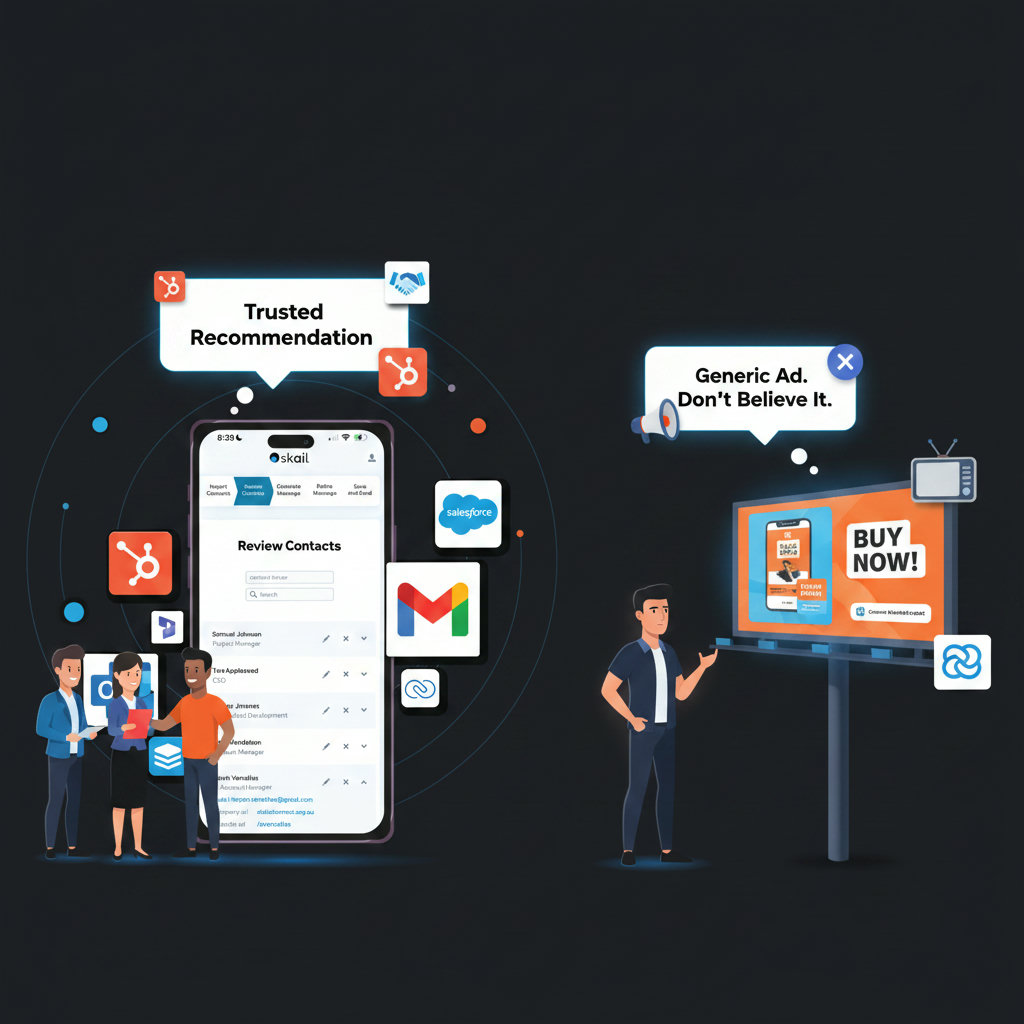
Think about providing them with a content library of approved images, videos, and articles that they can quickly post with their own unique commentary. This takes the guesswork out of what to share and ensures brand consistency, even as individual voices shine through. Over 15,000 users have already discovered the benefit of such structured advocacy platforms.
Recognizing and Rewarding Advocates
People love to be appreciated, and employee advocates are no exception! Recognition is a powerful motivator. This doesn’t necessarily mean monetary rewards (though a bonus never hurts!). It could be public shout-outs in team meetings, features in company newsletters, or even a simple “thank you” from leadership. Create a system where you can track and celebrate their efforts. Perhaps a leaderboard for most shares or highest engagement? Rewarding advocacy reinforces the behavior and encourages others to participate. It transforms advocacy from a task into a celebrated contribution to the company’s success. Showing appreciation for their initiative makes advocating for your brand a rewarding experience.
Measuring Success and Optimizing Efforts
You’ve put in the work, fostered the culture, and equipped your team. Now, how do you know if your brand advocacy for small business efforts are actually paying off? Measuring success is crucial for understanding what works and how to continuously improve.
Key Metrics for Brand Advocacy
When it comes to tracking the effectiveness of your brand advocacy program, focus on metrics that truly demonstrate impact. These could include:
- Reach and Impressions: How many new people are seeing your brand’s message through employee shares?
- Engagement Rate: Are people liking, commenting on, and resharing your employees’ posts? This indicates genuine interest.
- Website Traffic: Is there an increase in traffic to your website that can be attributed to employee-shared links?
- Lead Generation/Conversions: Can you trace new leads or even sales back to employee advocacy efforts?
- Employee Participation Rate: How many of your employees are actively participating in the program? A higher rate suggests a healthier, more engaged internal culture.
- Brand Sentiment: Monitor overall sentiment about your brand online. Positive advocacy should contribute to a more favorable public perception.
Tools and platforms designed for employee advocacy can help you track these metrics efficiently, providing clear data on your program’s performance. For instance, you could track the cumulative reach your employees generate across their social networks, or specific referral links they share that lead to conversions.
Gathering Feedback and Insights
Numbers tell one part of the story, but human insight tells another. Regularly solicit feedback from your employee advocates. What content do they find most engaging to share? Are there any roadblocks or challenges they face? Do they have ideas for new types of content or campaigns? This feedback is invaluable for refining your program and ensuring it remains relevant and easy for employees to use.
Also, pay attention to the comments and reactions your employees’ posts receive. This can provide direct insights into how your brand message is being perceived by the wider audience and highlight areas of interest or questions that frequently arise. This continuous dialogue will help you understand your unique essence and voice better.
Iterative Improvement and Growth
Brand advocacy is not a set-it-and-forget-it strategy. It’s an ongoing process of learning, adapting, and growing. Based on your metrics and feedback, be prepared to iterate. Maybe certain types of content perform better than others. Perhaps specific platforms yield higher engagement. Don’t be afraid to experiment with new approaches, content formats, or incentive structures.
The goal is continuous optimization, always striving to make the program more effective for your business and more rewarding for your employees. This iterative process ensures your brand advocacy for small business remains a dynamic and powerful engine for sustained growth. By consistently refining your approach, you’ll ensure your most valuable asset—your team—continues to be your most effective marketing channel. For further insights on how employee advocacy can transform small business growth, consider exploring comprehensive resources, such as those provided by the U.S. Small Business Administration.
FAQ Section
What is brand advocacy for a small business?
Brand advocacy for a small business is the practice of encouraging and enabling your employees, and sometimes even loyal customers, to publicly promote and champion your brand. This includes sharing positive experiences, company news, and product information on their personal networks, acting as authentic, trusted voices for your business.
Why is brand advocacy particularly important for small businesses?
Small businesses often have limited marketing budgets compared to larger corporations. Brand advocacy provides an authentic, cost-effective way to expand reach, build trust, and enhance credibility. Employees’ personal networks offer a highly engaged audience that traditional advertising often struggles to reach, leveraging the existing trust between individuals.
What are the main benefits of implementing brand advocacy for my small business?
The benefits are numerous! They include increased brand visibility and reach, enhanced brand credibility and trust, improved engagement rates on social media, better lead generation, reduced marketing costs, and a heightened sense of employee morale and loyalty. It turns your team into your most persuasive marketing asset.
How can I encourage my employees to become brand advocates?
Encourage advocacy by fostering a positive company culture where employees feel valued and proud. Equip them with easy-to-share content and clear guidelines, and acknowledge and reward their advocacy efforts. Making it simple and rewarding for them to share their enthusiasm for your brand is key.
What should I measure to track the success of my brand advocacy program?
Key metrics for tracking success include the reach and impressions generated by employee shares, engagement rates on their posts, increased website traffic attributed to advocacy, and the rate of employee participation in the program. You should also monitor overall brand sentiment and, if possible, leads or conversions directly
linked to advocacy efforts.
“`