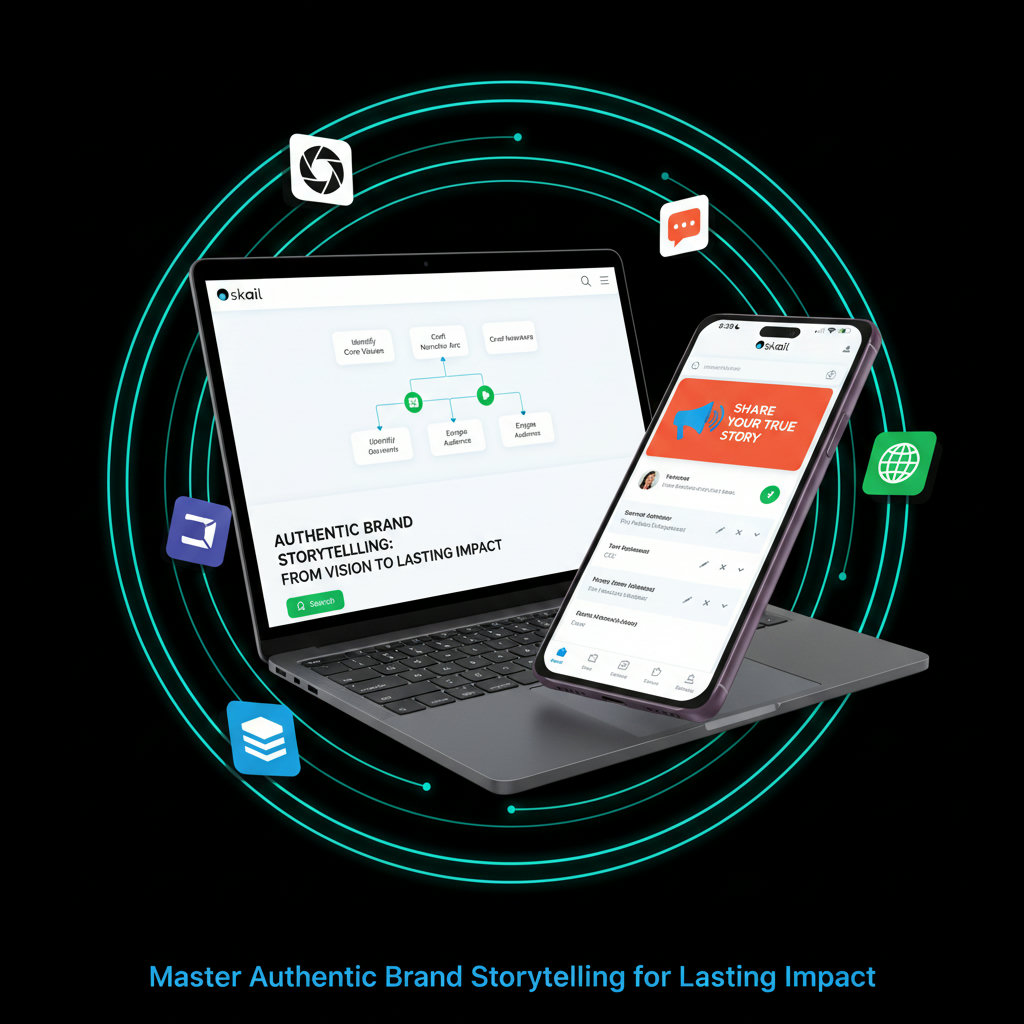
Ah, the digital landscape – a vast, ever-shifting terrain where attention is the most elusive, slippery commodity. In this competitive arena, simply having content isn’t enough. You need to cut through the noise, resonate deeply, and create connections that last. And how do you do that? By mastering the art of authentic brand storytelling. It’s not just about what you say, but how you say it, and more importantly, how it lands with your audience.
You’ve seen it, haven’t you? Brands that feel… flat. Generic. They talk at you, not to you. And in an age where trust and authenticity are gold, that just won’t fly. So, let’s ditch the bland brochures and impersonal posts. We’re here to talk about a strategic blueprint for content that doesn’t just fill a space, but builds a legacy – one rooted in genuine connection and AI employee advocacy.
The Foundation of Impactful Content
Before you even think about a single blog post or social media update, you need a rock-solid foundation. Imagine building a skyscraper without blueprints – chaos, right? Your content strategy is no different. It begins with understanding your ecosystem, defining your purpose, and articulating your unique identity.
Defining Your Content Ecosystem
First things first, where do you live in this digital jungle? Who are you trying to reach, and where are they hanging out? This isn’t just a casual glance; it’s a deep dive. You need precise audience segmentation. Are you speaking to C-suite executives, budding entrepreneurs, or everyday consumers? Each group has its own language, its own concerns, its own preferred watering holes.
Once you know who, you need to know where. This is where platform mapping comes in. Is your audience devouring long-form articles on LinkedIn, scanning vibrant visuals on Instagram, or seeking quick tips on TikTok? Each platform has its own rhythm, its own unspoken rules. A one-size-fits-all approach is a recipe for irrelevance.
Articulating Core Objectives
So, you’re creating content. But for what purpose? “To get more eyeballs” is a starting point, but it’s not a strategy. Your content must align directly with your broader business goals alignment. Are you looking to increase brand awareness, drive lead generation, improve customer retention, or position yourself as an industry thought leader?
Once those goals are crystal clear, you need to define how you’ll measure success. These are your key performance indicators (KPIs). Think beyond vanity metrics. Instead of just counting likes, focus on engagement rates, conversion rates, time on page, or lead-to-customer ratios. What truly moves the needle for your business?
Understanding Your Unique Value Proposition
This is where the magic of authentic brand storytelling truly begins. What makes you different? Why should anyone choose to listen to your story above the cacophony of others? This isn’t just about your product or service; it’s about your essence. It’s about crafting a distinct brand voice identity – one that’s consistent, memorable, and reflective of your values. Are you authoritative and insightful? Playful and innovative? Empathetic and supportive? Your voice is your fingerprint.
And in a crowded marketplace, genuine competitive differentiation is non-negotiable. What unique perspective do you bring? What problem do you solve in a way no one else can? Your content should not just explain what you do, but why you do it, and what makes your approach inherently superior or more compelling. This is your brand’s “why,” beautifully articulated.
Audience-Centric Content Strategy
We’ve laid the groundwork, and now it’s time to put your audience squarely at the center of everything. Because let’s be honest, content that doesn’t resonate is just digital clutter. This means truly understanding their world, their journey, and their preferences.
Deep Dive into Persona Development
Who are these people you’re trying to reach? Beyond basic demographics, you need to paint vivid pictures of your ideal audience members. This means delving into demographics & psychographics. How old are they? Where do they live? What are their interests, values, and beliefs? What drives their decisions? Are they early adopters or cautious consumers?
Crucially, what keeps them up at night? What are their biggest pain points & aspirations? Your content should be the comforting voice that acknowledges their struggles and the inspiring guide that helps them reach their goals. Address their challenges, celebrate their wins, and be the solution they didn’t even know they were looking for.
Mapping the Customer Journey
Your audience doesn’t just wake up and decide to buy from you. It’s a journey, often a meandering one, and your content needs to be there every step of the way, offering value and guidance. At the awareness stage needs, they might be just discovering they have a problem. Your content here should educate, inform, and provide solutions without being overly promotional. Think blog posts, infographics, and short, shareable videos.
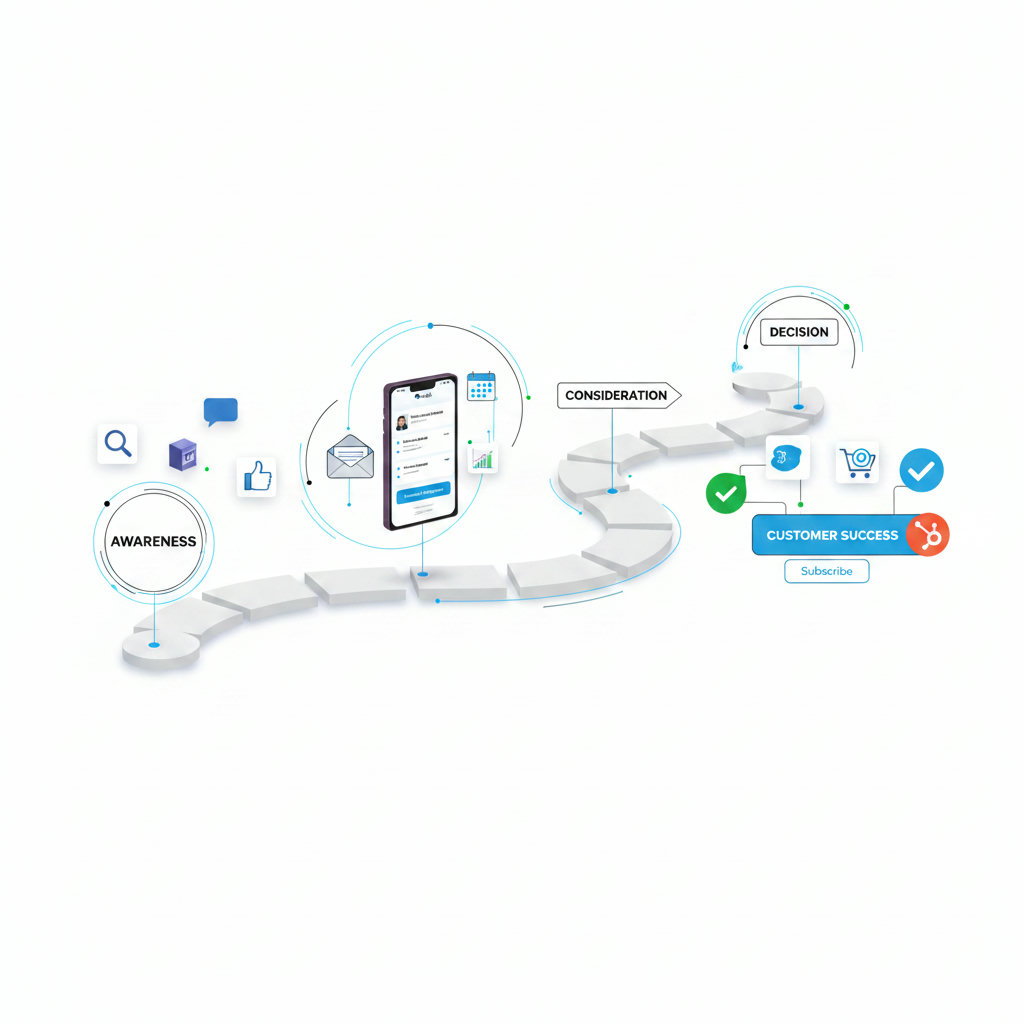
As they move into consideration & decision triggers, their needs shift. They’re comparing options, looking for proof, and weighing their choices. Here, content like case studies, webinars, product comparisons, and testimonials become invaluable. You’re building trust and demonstrating expertise, guiding them gently towards a choice.

Tailoring Content Formats
One size never fits all, especially when it comes to content. Just like different audiences prefer different platforms, they also prefer different ways of consuming information. For those who love to read and delve deep, well-researched blog posts are perfect. Visual learners? Videos and infographics are your best friends. Think about how to convey complex ideas simply and engagingly.
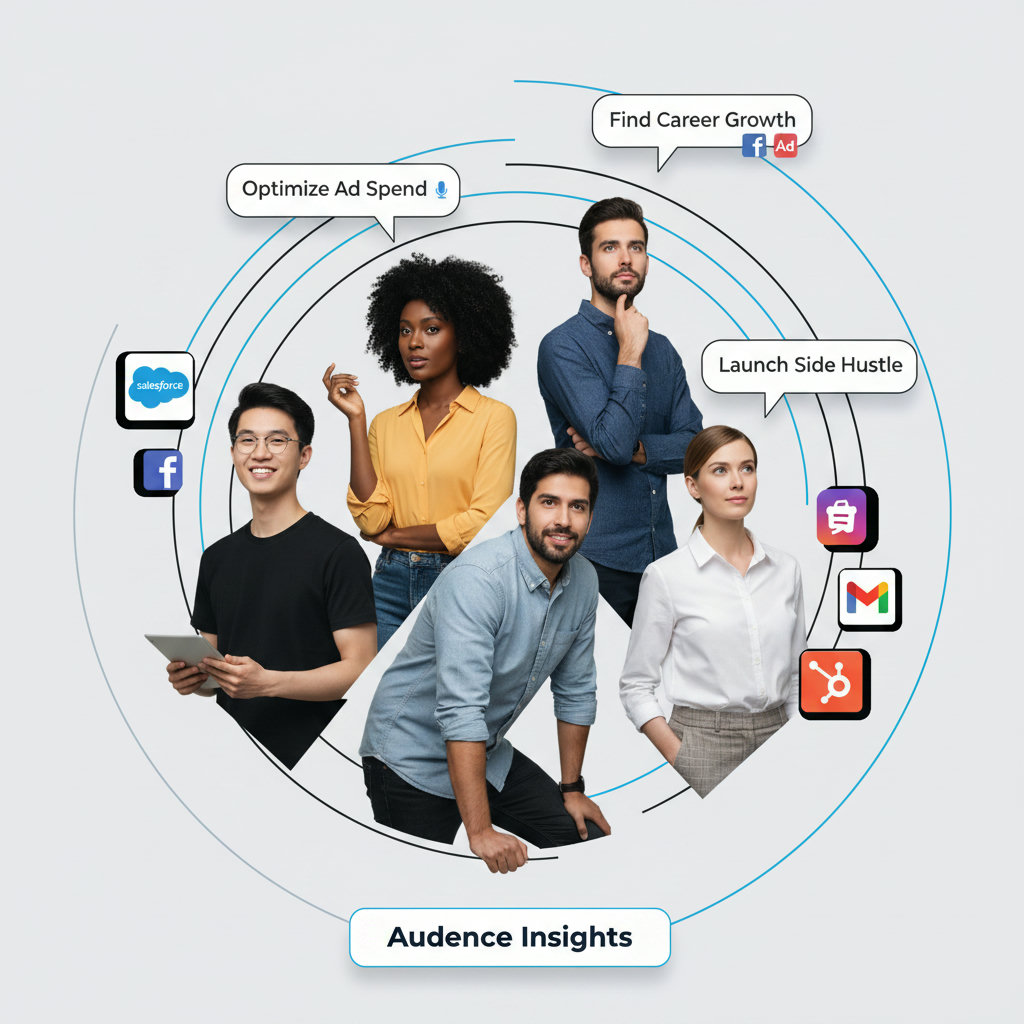
But don’t stop there! Consider interactive tools – quizzes, calculators, configurators – that provide immediate value and engagement. And for those looking for solid proof of your capabilities, case studies are powerful narratives of success. Variety is the spice of content life, keeping your audience engaged and catering to diverse preferences.
Content Creation & Distribution Excellence
With strategy firmly in place, it’s time to move into the dynamic phase of creation and ensuring your masterpieces actually reach their intended audience. Because even the most brilliant content gathering dust in a digital corner helps no one.
Streamlining the Production Process
Creating consistent, high-quality content requires discipline, not just bursts of inspiration. An effective editorial calendar framework is your command center. It helps you plan topics, assign tasks, set deadlines, and ensure a steady stream of content across all your chosen channels. This foresight prevents last-minute scrambles and ensures strategic alignment.
Beyond the calendar, robust workflow management is key. Who drafts the content? Who edits? Who handles design, SEO optimization, and final publishing? Clear roles and responsibilities, perhaps managed through project management tools, keep the content engine running smoothly, minimizing bottlenecks and maximizing output.
Optimizing for Discoverability
Imagine writing a stunning novel and burying it in your backyard. No one would ever read it! The same applies to content. It needs to be found. This is where strategic keyword research integration comes in. What phrases are your target audience typing into search engines when looking for solutions you provide? Incorporating these naturally into your content makes it discoverable.
But it’s more than just keywords. Adhering to SEO best practices means optimizing titles, meta descriptions, image alt text, and ensuring your site is mobile-friendly and fast. Think of it as creating a clear, well-lit path for search engines to find and present your valuable content to the right people. For more insights on search engine optimization, you might find Wikipedia’s article on SEO a helpful resource.
Multi-Channel Distribution Strategy
You’ve created incredible content; now it’s time to shout it from the digital rooftops! Social media amplification isn’t just about posting; it’s about strategically sharing your content where your audience lives. Tailor your messages for each platform, engage with comments, and encourage shares. Consider paid promotion to extend your reach even further.
Email marketing integration remains one of the most powerful distribution channels. Curate newsletters that highlight your latest content, offer exclusive insights, and drive traffic back to your site. Build a loyal subscriber base, and you have a direct line to your most engaged audience members. Remember, different channels serve different purposes, and a unified strategy ensures your message resonates far and wide.
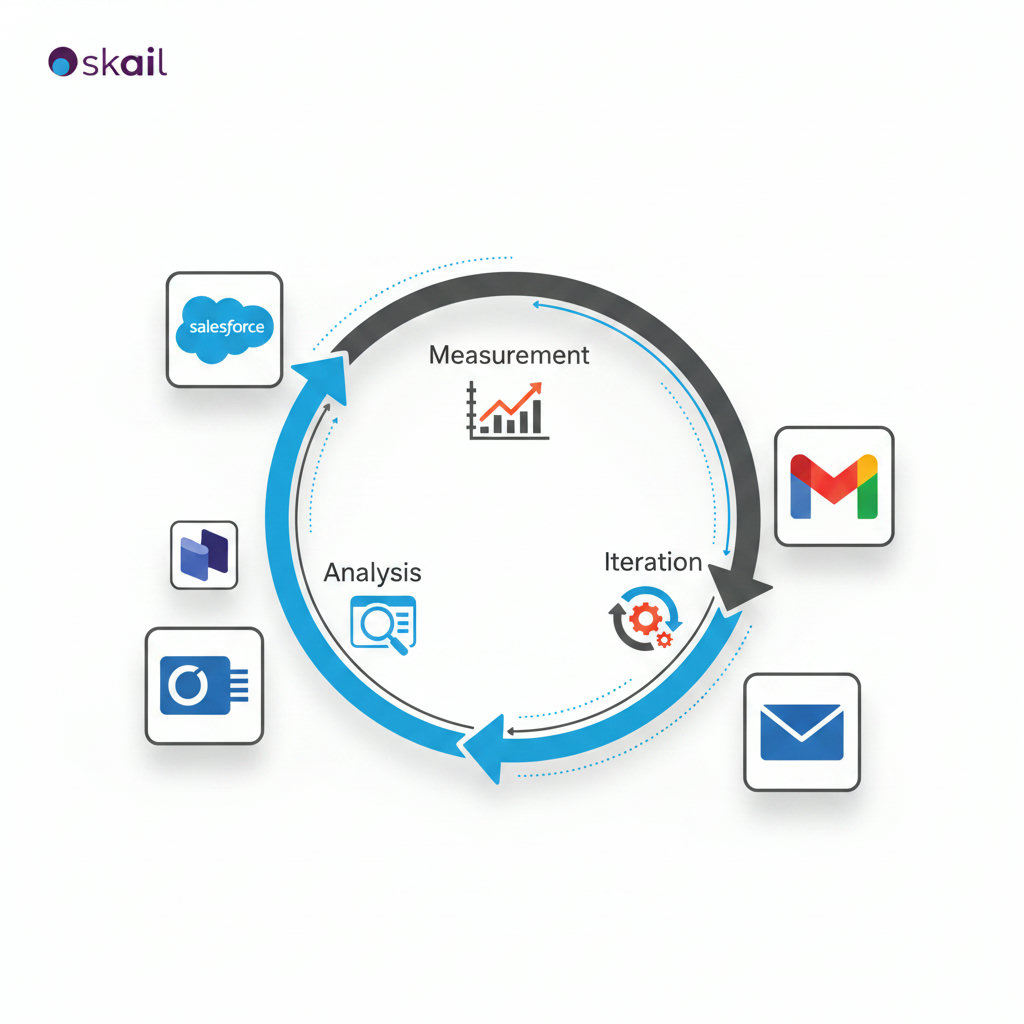
Measurement, Analysis, & Iteration
So, you’ve put in the hard work, published your content, and distributed it across the digital sphere. Now what? You don’t just walk away and hope for the best! This is where the detective work begins – understanding what’s working, what’s not, and how to continuously improve. It’s a cyclical process, a feedback loop designed for ongoing growth.
Tracking Key Performance Indicators
Remember those KPIs we talked about? Now it’s time to look at the numbers. Are your engagement metrics (likes, shares, comments, time on page) telling you that your audience is connecting with your authentic brand storytelling? High engagement often indicates that your content is hitting the mark, sparking conversation, and building community.
Beyond surface-level engagement, are you seeing real business results? Your conversion rates – whether it’s signing up for a newsletter, downloading an ebook, or making a purchase – are the ultimate arbiter of content effectiveness. If people are engaging but not converting, there might be a disconnect between your content and your call to action, or perhaps your content isn’t addressing the right pain points.
Leveraging Analytics for Insights
Numbers alone aren’t enough; you need to understand the story behind them. Dive deep into your analytics to uncover audience behavior patterns. Where are people coming from? What content do they consume most frequently? How long do they stay? Which pages do they abandon? This data is a goldmine for understanding their preferences and optimizing your strategy.
Regular content performance review sessions are crucial. Look at which topics are performing best, which formats resonate most, and which distribution channels yield the highest ROI. This isn’t about judgment; it’s about learning. Treat every piece of content as an experiment from which you can extract valuable lessons.
Adaptive Content Strategy
The digital world never stands still, and neither should your content strategy. An adaptive content strategy means you’re always ready to pivot and refine. Implement A/B testing for headlines, calls to action, or even entire content formats to see what performs best. Small tweaks can often lead to significant improvements in engagement and conversion.
Crucially, establish a strong feedback loop mechanism. This means not just looking at quantitative data, but also listening to qualitative feedback from your audience – through comments, surveys, social listening, and direct interactions. Combine data-driven insights with real-world feedback to continually refine and enhance your authentic brand storytelling efforts.
Building a Sustainable Content Operation
Great content isn’t a one-off project; it’s an ongoing commitment. To truly succeed in the long run, you need to build a content operation that is robust, well-structured, and forward-thinking. This means investing in your team, establishing clear guidelines, and keeping an eye on the horizon.
Team Roles & Responsibilities
No one person can do it all. A high-performing content team typically involves specialized roles. You’ll need talented content creators to craft compelling narratives, meticulous editors to ensure quality and consistency, and strategic strategists to guide the overall vision. For larger operations, you might also have designers, video producers, and SEO specialists.
But it’s not just about individual roles; it’s about synergy. Foster strong cross-functional collaboration between your content team and other departments like sales, marketing, product development, and customer service. Their insights are invaluable for creating content that truly addresses customer needs and supports business objectives.
Content Governance & Guidelines
Consistency is key to building a recognizable and trustworthy brand. A comprehensive style guide enforcement ensures that every piece of content, regardless of who creates it, adheres to your brand’s voice, tone, grammar, and visual standards. This level of governance maintains professionalism and reinforces your brand identity across all touchpoints.
Equally important are robust quality assurance protocols. This might involve multiple rounds of editing, fact-checking, and legal reviews. Preventing errors or miscommunications is far easier (and less damaging) than correcting them after publication. Upholding high standards protects your brand’s reputation and reinforces its authenticity.
Future-Proofing Your Strategy
The digital landscape is a whirlwind of change, so resting on your laurels is not an option. Dedicate resources to emerging trends monitoring. Are new platforms gaining traction? Is there a shift in how audiences consume information? Are competitors doing something innovative? Staying ahead of the curve keeps your content fresh and relevant.
Finally, embrace technology adoption. From AI-powered content creation tools to advanced analytics platforms and innovative distribution methods, technology can significantly enhance your content efforts. Don’t be afraid to experiment with new tools that can streamline your workflow, improve personalization, or offer deeper insights. For more on how technology is changing content, resources like Forbes Business insights often cover these trends.
FAQ Section
What is authentic brand storytelling and why is it important?
Authentic brand storytelling is the art of communicating your brand’s values, mission, and unique identity through compelling narratives that resonate genuinely with your audience. It’s crucial because it builds trust, fosters emotional connection, differentiates your brand from competitors, and ultimately drives loyalty in a crowded marketplace where consumers crave transparency and sincerity.
How often should I publish new content?
The ideal publishing frequency varies significantly based on your industry, audience, and content types. Consistency is more important than quantity. It’s better to publish high-quality, valuable content once a week than low-quality content daily. Your editorial calendar and audience’s consumption habits should guide your frequency, balancing resource availability with audience demand.
What are the key elements of a good content strategy?
A good content strategy includes understanding your audience through persona development, clearly defining your business objectives and KPIs, crafting a unique brand voice, mapping content to the customer journey, selecting appropriate content formats and distribution channels, and establishing a robust system for measurement, analysis, and iteration.
How can I measure the ROI of my content marketing efforts?
Measuring content ROI involves tracking KPIs directly tied to your business goals. This could include conversion rates (e.g., leads generated, sales completed), customer acquisition cost (CAC), customer lifetime value (CLTV), website traffic, organic search rankings, engagement rates, and brand sentiment. By attributing revenue or cost savings to content, you can calculate its financial return.
Should I focus on creating long-form or short-form content?
The best approach is usually a mix of both. Long-form content (e.g., detailed articles, ebooks, whitepapers) is excellent for establishing thought leadership, driving organic search traffic, and educating your audience in depth. Short-form content (e.g., social media posts, quick tips, infographics, short videos) is ideal for capturing attention, increasing engagement, and driving traffic on fast-paced platforms. Your audience’s preferences and the platform’s nature should dictate the balance.
What are common mistakes to avoid in content marketing?
Common mistakes include creating content without a clear strategy or audience in mind, focusing too much on self-promotion rather than providing value, neglecting SEO, failing to distribute content effectively, not analyzing performance data, and letting your brand voice be inconsistent. Avoid these pitfalls by staying audience-centric, data-driven, and consistent in your efforts.🥂