
“`html
Ah, content! It’s everywhere, isn’t it? A never-ending river of articles, videos, podcasts, and social posts. For businesses, the pressure to constantly create more can feel overwhelming. You’re pouring resources into production, pushing out material, and then… crickets? Or worse, a tidal wave of content that drowns out your message. It’s enough to make you wonder if there’s a better way to connect with your audience without sacrificing your team to the content beast. Spoiler alert: there is. It’s time to embrace the elegant power of strategic minimalism.
Are you spending countless hours on content creation only to see diminishing returns? Imagine a world where less truly is more, where every piece of content you produce is impactful, clear, and specifically designed to resonate without unnecessary fluff. This isn’t just about cutting corners; it’s about intelligent, focused content development, including the often-overlooked power of AI employee advocacy. Let’s dive into how a minimalist approach can revolutionize your content strategy.
The Essence of Minimalist Content Strategy
When we talk about “minimalism” in content, don’t picture empty white pages or a complete absence of information. Not quite. Instead, think of it as a finely tuned instrument, playing only the most essential notes to create a powerful melody. It’s about intentionality, precision, and impact.

Defining Minimalism in Content
Minimalist content isn’t about producing less content for the sake of it, but rather about producing content that is maximally effective with minimal unnecessary elements. It’s content that strips away the fluff, the jargon, and the superfluous to deliver core messages with crystal clarity. Every word, every image, every design choice serves a deliberate purpose. It’s about quality over quantity, depth over breadth, and clarity over noise. In essence, it’s about eliminating anything that doesn’t add intrinsic value to your audience or your objective.
Benefits of a Minimalist Approach
The advantages of adopting a minimalist content strategy are far-reaching. Firstly, you create a stronger, more memorable impression. When your message is uncluttered, it’s easier to digest, recall, and act upon. Secondly, it elevates the perceived value of your content; if every element is essential, then every element feels important. From a practical standpoint, it streamlines your creation process, saving valuable time and resources. Imagine less time spent on endless revisions or trying to fill word counts, and more time honing the core message. Moreover, minimalist content often performs better because its clarity improves user experience, which in turn can boost SEO and engagement metrics.
Common Misconceptions
But beware! Minimalism isn’t synonymous with vagueness or a lack of detail. This is a crucial distinction. A common misconception is that minimalist content is superficial or incomplete. On the contrary, truly minimalist content is often more robust because it’s been distilled to its most potent form. It requires a deeper understanding of your subject matter and your audience to know what to keep and what to discard. It’s also not about being boring or sterile; minimalist design can be incredibly elegant and engaging. Think of Apple’s product design – sleek, simple, yet deeply sophisticated and highly functional. That’s the vibe we’re going for.
Foundational Principles for Impact
To truly master minimalist content, you need a strong foundation. These principles act as your guiding stars, ensuring every piece of content you create serves a powerful purpose.
Audience-Centric Clarity
Who are you talking to? What do they truly need to know? Not what you want to tell them, but what they need to hear to solve their problem or understand your value. This is the cornerstone of audience-centric clarity. Before a single word is written or an image selected, deeply understand your audience’s pain points, questions, and desired outcomes. Each piece of content should address these directly and unmistakably. Cut any information that doesn’t directly serve their needs or resonate with their understanding. This laser focus ensures your message hits home every single time.
Purpose-Driven Messaging
Why are you creating this content? What specific action or understanding do you want your audience to take away? Every piece of minimalist content must have a clear, singular purpose. Is it to inform, persuade, entertain, or educate? Once you define that purpose, every element within the content—from headline to call to action—must align with it. If it doesn’t contribute to that specific goal, it’s a distraction and should be removed. This principle keeps your content lean and relentlessly effective.
Value Proposition Distillation
Your value proposition is the heart of what you offer. In a minimalist context, you must distill this into its purest, most compelling form. What unique benefit do you provide that no one else does? How does it solve your audience’s specific problem in a way that truly matters to them? Boil down your messaging until only the most impactful benefits remain. Use clear, concise language that highlights the essential value. Think of it as crafting a “love letter” to your audience, where every sentence expresses genuine understanding and offers undeniable advantage. This distilled value is what truly cuts through the noise.
Crafting Lean Narratives and Formats
Once you understand the principles, it’s time to apply them to the actual craft of content creation. This is where the magic of “less is more” truly comes alive.
Prioritizing Core Information
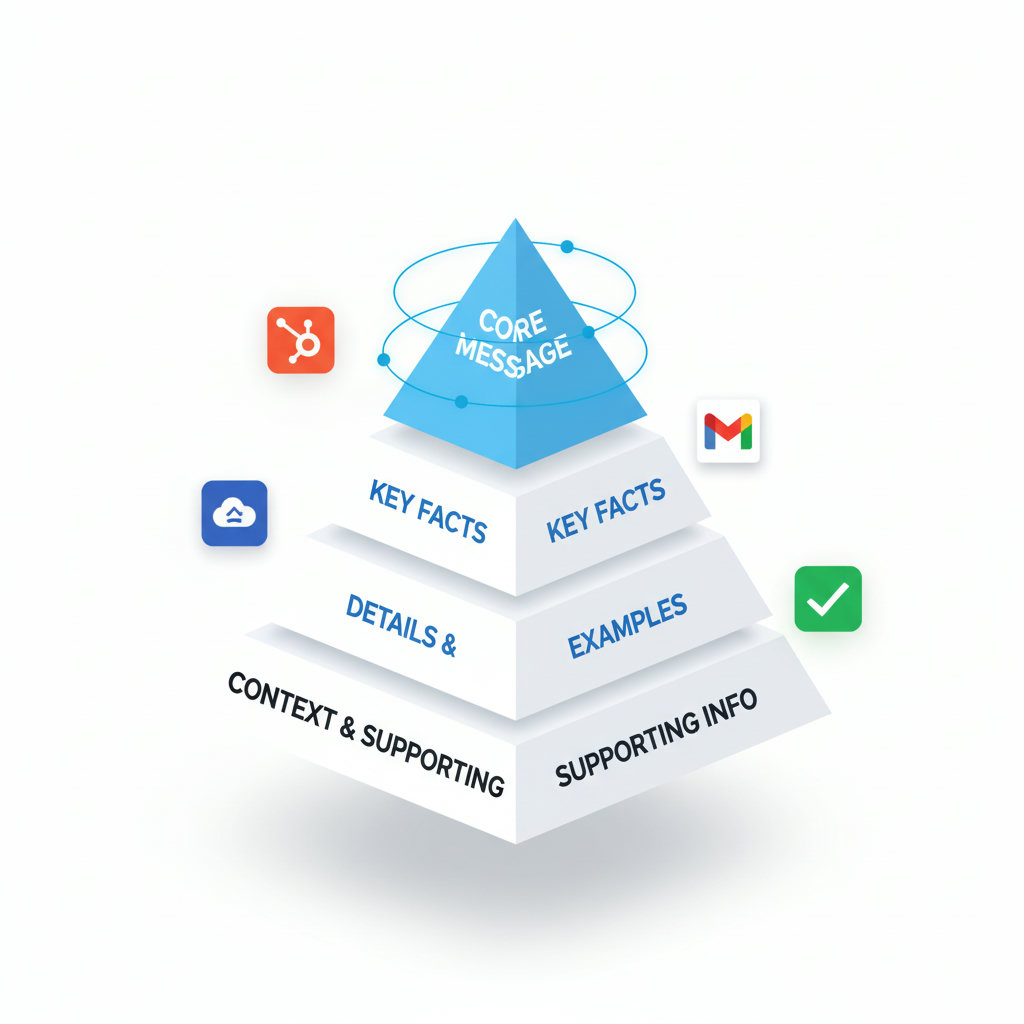
Imagine your content as a pyramid. The most vital information belongs at the very top, immediately accessible. As you descend, you can introduce supporting details, examples, and context. Don’t bury the lead! Prioritize what absolutely needs to be communicated first. This often means embracing short paragraphs, bullet points, and clear headings. Get to the point quickly, provide the essential facts, and then offer further detail for those who wish to delve deeper. This approach respects your audience’s time and attention span.
Effective Use of Negative Space
Just as important as what you include is what you leave out – and how you present it. Negative space (or white space) in content design isn’t empty; it’s a powerful tool that guides the eye, reduces cognitive load, and enhances readability. Generous line spacing, ample margins, and strategic breaks between paragraphs give your content room to breathe. This makes it less intimidating, easier to scan, and ultimately, more enjoyable to consume. It allows your core message to stand out, like a carefully placed artifact in a minimalist art gallery.

Strategic Visual Integration
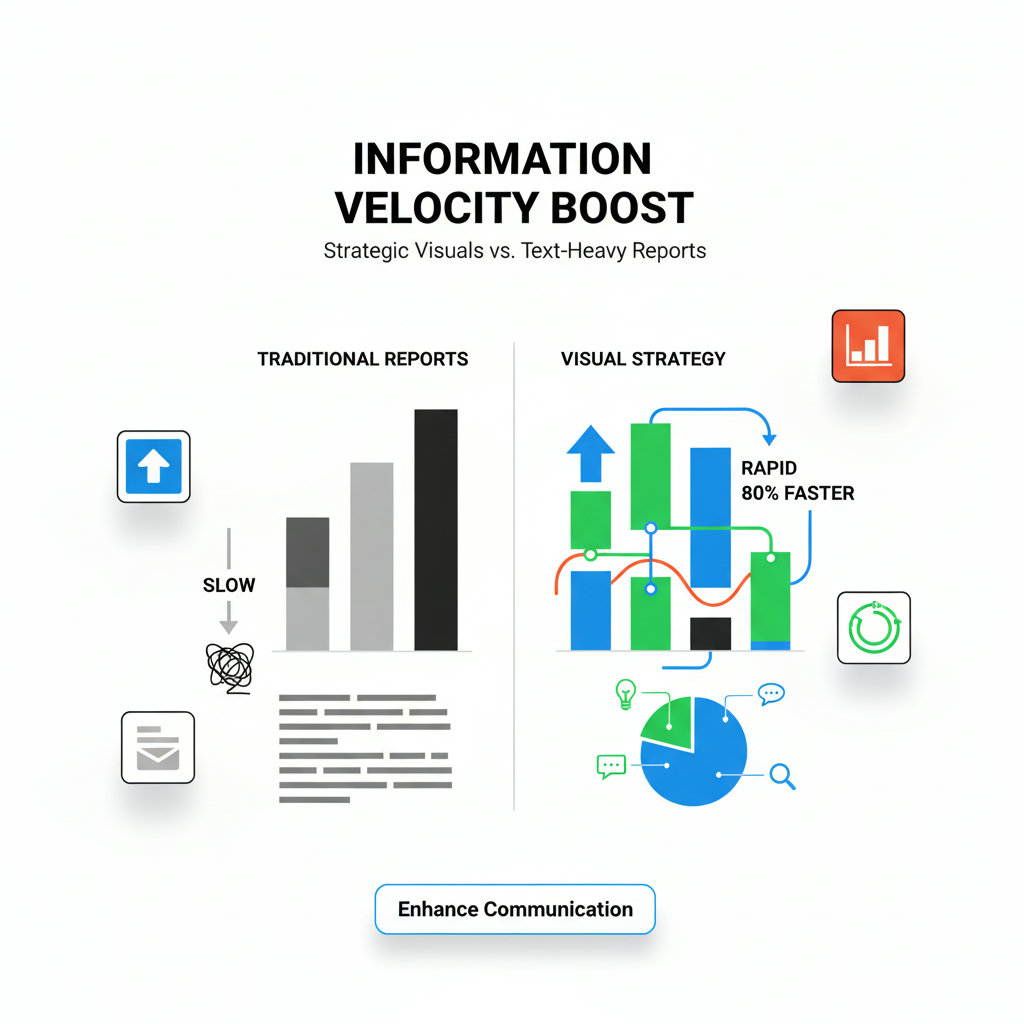
Visuals in minimalist content aren’t just decorative; they are integral to communicating your message. Every image, infographic, or video should serve a purpose: to clarify a concept, illustrate a point, or evoke an emotion. Opt for clean, high-quality visuals that are free from clutter. Don’t use an image if text can convey the message more effectively, and vice versa. Think of visuals as powerful, concise statements that complement and enhance your lean narrative, rather than simply breaking up text. For instance, a single, impactful chart can often replace paragraphs of data explanation. Organizations like Nielsen Norman Group extensively research the impact of minimalist design on user experience, highlighting how strategic visuals can significantly improve comprehension.
Optimization for Maximum Reach with Less
What good is powerful, minimalist content if no one sees it? The principles of minimalism extend to your distribution and optimization efforts, ensuring your carefully crafted message reaches the right eyes.
SEO in a Minimalist Context
SEO (Search Engine Optimization) and minimalism might seem like an odd pair. Traditionally, people associate SEO with lengthy content and keyword stuffing. Not anymore! Modern SEO prioritizes user intent and value. Minimalist content, with its focus on clarity and essential information, inherently aligns with what search engines are looking for: authoritative answers to user queries. Focus on long-tail keywords that capture specific intent, ensure your core message is rich in semantic keywords, and structure your content with clear headings (like these!), making it easy for search engines (and humans!) to understand its purpose. A well-optimized, concise piece of content answering a specific question can outperform long, rambling articles that lack focus.
Distribution Channel Selection
With minimalist content, you’re not just creating less; you’re also being strategic about where you share it. This isn’t about blasting your content everywhere; it’s about identifying the 2-3 most impactful channels where your target audience spends their time and is most receptive to your message. Is it LinkedIn for B2B? Instagram for visual storytelling? A niche industry forum? Focus your efforts on these select channels, tailoring your minimalist message for each platform’s unique nuances. This focused distribution maximizes your impact without spreading your resources too thin. Thinking about utilizing AI employee advocacy can also amplify your reach through trusted voices on relevant platforms.
Performance Metrics for Simplicity
To ensure your minimalist strategy is working, you need to track the right metrics. Forget vanity metrics that don’t tell the real story. Instead, focus on key performance indicators (KPIs) that truly reflect engagement, understanding, and conversion. This might include time on page (indicating deep engagement), conversion rates (reflecting action), or specific lead generation numbers. If your goal is brand awareness, look at unique visitors and social shares. If it’s education, monitor completion rates for your guides or videos. Keep your reporting clean and focused on what truly matters to your business objectives, not just arbitrary numbers.
Implementing a Minimalist Workflow
Embracing content minimalism isn’t just a mindset; it requires a practical shift in how you operate. A streamlined workflow is essential to making this strategy sustainable and effective.
Streamlined Content Creation
The beauty of minimalism is that it forces you to think before you create. This often means more time spent planning and less time patching up a convoluted piece of content. Start with a crystal-clear outline, defining the core message, target audience, and desired outcome. Use templates for common content types to maintain consistency and efficiency. Encourage your team to draft concisely from the outset, focusing on the essential points rather than trying to fill white space. Leveraging tools for initial content generation or ideation can also help streamline the process, ensuring you start with a strong, focused base. This approach inherently reduces the rounds of revision and saves precious time.
Iterative Refinement Process
Minimalist content isn’t born perfect; it’s refined. Think of it as a sculptor chipping away at excess stone to reveal the masterpiece within. Your workflow should include an iterative refinement process where superfluous words, phrases, and even entire sections are ruthlessly excised. After drafting, take a step back and ask: “Is every single element absolutely essential? Does it add unequivocal value? Can I say this more clearly or concisely?” This critical review, perhaps even by an editor or a fresh pair of eyes, is crucial. It’s during this stage that redundancy is identified, jargon is removed, and the core message truly shines through. It’s a continuous process of purification.
Tools and Technologies
Several tools can aid in a minimalist content workflow. Collaboration platforms ensure everyone is on the same page from the planning stage. AI-powered writing assistants can help identify wordiness, suggest clearer phrasing, and even generate concise summaries, allowing your team to focus on strategic insights rather than mere word arrangement. Project management software keeps tasks focused and deadlines clear. Even simple tools like robust style guides can ensure consistency and prevent unnecessary variations. For instance, Google’s Developer Documentation Style Guide offers excellent examples of how clarity and conciseness can be achieved at scale. The right tech can empower your team to focus on the impactful “what” and “why,” while automating some of the “how.”
Adopting a minimalist content strategy isn’t just about doing less; it’s about achieving more with greater purpose and precision. By focusing on audience-centric clarity, purpose-driven messaging, and lean narratives, you can create content that not only stands out but genuinely connects and converts. It’s time to shed the excess and let your powerful message shine. Cheers to more impact, less noise! 🥂
FAQ: What is AI Employee Advocacy?
AI employee advocacy refers to the strategic use of artificial intelligence tools and platforms to empower employees to become brand ambassadors. These AI tools can help employees easily discover, personalize, and share company-approved content across their social networks, tracking performance and suggesting optimal times for sharing. It amplifies your reach through authentic, trusted voices.
FAQ: How does minimalist content benefit SEO?
Minimalist content naturally benefits SEO by prioritizing clarity, relevance, and user experience. Search engines favor content that directly answers user queries, is easy to read, and provides high value without unnecessary clutter. By focusing on core information and semantic keywords, minimalist content improves readability and engagement metrics, which are key ranking factors.
FAQ: Is minimalist content suitable for all industries?
Yes, minimalist content is highly adaptable and suitable for virtually all industries. While the specific execution might vary (e.g., more visuals in fashion, more data in tech), the core principles of clarity, purpose-driven messaging, and value distillation are universally beneficial. It helps complex industries simplify their message and enables creative industries to highlight their aesthetic more effectively.
FAQ: How can I start implementing a minimalist content strategy?
Begin by auditing your existing content to identify areas of redundancy or clutter. Then, redefine your target audience and the specific purpose of each content piece. Focus on creating concise headlines, using visuals strategically, and prioritizing core information. Implement an iterative refinement process, continually asking what can be removed without losing essential value. Utilizing tools for streamlined creation and analysis can also aid this transition.
FAQ: What’s the main difference between minimalist content and short-form content?
While often short, minimalist content isn’t defined by length, but by its intentionality and focus on delivering maximum value with minimal extraneous elements. Short-form content simply refers to content that is brief. A piece of short-form content could still be cluttered or unfocused, whereas minimalist content, regardless of its length (which can sometimes be longer if extensive detail is truly essential), is always precise, clear, and purpose-driven.
“`