“`html
The LinkedIn Advocacy Imperative: Why Your Employees Are Your Best Marketers
Ah, the digital landscape! It’s a bustling marketplace of ideas, products, and services, all vying for attention. And in this vibrant ecosystem, few platforms offer the professional gravitas and reach of LinkedIn. But here’s the kicker: simply having a company page isn’t enough anymore. To truly amplify your brand and harness unprecedented reach, you need to unlock the power of employee social sharing. It’s not just a nice-to-have; it’s an imperative. Why, you ask? Because your employees are, quite simply, your best marketers. Their voices carry a weight and authenticity that no corporate message can replicate.
Beyond Company Pages: The Trust Factor
Let’s be honest, who do you trust more: a faceless brand logo or a real person you know, respect, or can relate to? Exactly. When your employees share content, they’re not just broadcasting a message; they’re vouching for it with their personal brand and professional reputation. This inherently builds a higher level of trust among their network, which often consists of peers, industry contacts, and potential clients. People connect with people, not just with logos. This personal endorsement turns a simple share into a powerful recommendation, creating a ripple effect of credibility that goes far beyond what any official company post could achieve.
Organic Reach vs. Paid Ads: A Clear Winner
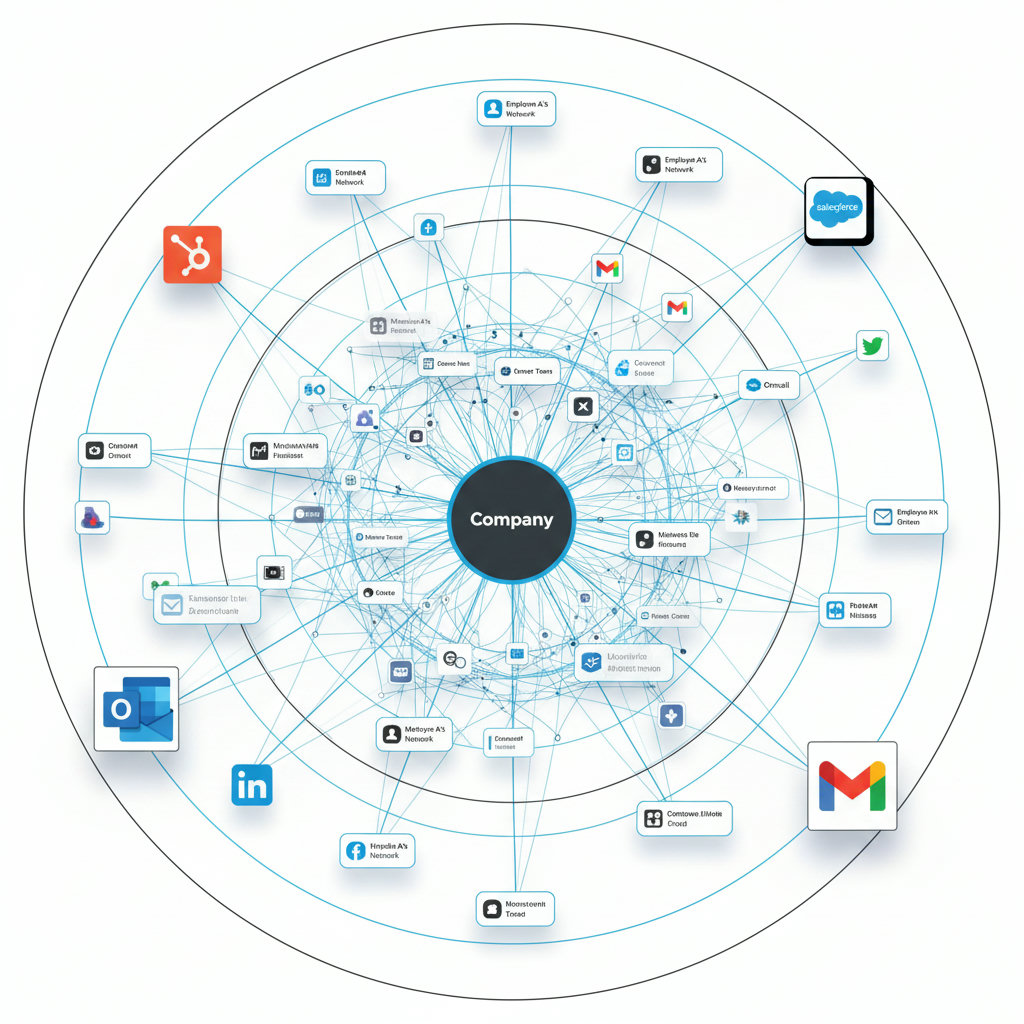
You’ve likely invested heavily in paid advertising – and for good reason, it has its place. But what if you could achieve similar, if not superior, reach without the hefty price tag? Enter employee social sharing. Organic reach, especially on platforms like LinkedIn, is increasingly difficult for brand pages to secure. Algorithms often prioritize content from individuals over corporate entities. When your team actively engages in employee social sharing, their collective networks dramatically expand your brand’s organic footprint. Think of it: if a company has 100 employees, each with an average of 500 connections, that’s a potential reach of 50,000 unique individuals – and that’s just a starting point. This kind of authentic, widespread exposure is incredibly valuable and often outperforms traditional advertising in terms of engagement and trust.
Building Authentic Connections
This isn’t just about eyeballs; it’s about building genuine relationships. When employees share insights, company news, or thought leadership, they’re not just distributing information; they’re opening conversations. These interactions foster a sense of community and transparency around your brand. Potential customers get to see the human side of your organization, the experts behind the solutions, and the culture that drives your success. This level of authentic connection is crucial in today’s market, where consumers and B2B clients alike seek out brands that align with their values and offer more than just a product or service. Employee advocacy transforms your workforce into a network of brand ambassadors, creating a warm, approachable image for your company.
Understanding the “Why”: Common Hurdles to Employee Sharing
So, we know the “what” and the “why” of employee social sharing is powerful. But if it’s so beneficial, why isn’t every company’s social feed buzzing with employee-driven content? Ah, here’s where the paradox lies. You’ve probably experienced it: you craft the perfect post, send out the internal memo, and… crickets. Or, at best, a trickle of shares. It’s not usually a lack of willingness; it’s often a confluence of understandable hurdles that stand between intention and action.
Time Constraints: The Elusive Commodity
Ah, time! That elusive, slippery commodity we all chase. Your employees are busy. They’re focused on their core responsibilities – closing deals, developing products, supporting customers. Asking them to take extra time to find relevant content, craft a personal caption, and share it across multiple platforms often feels like just another item on an already overflowing to-do list. They might genuinely want to help, but the friction involved in the process can be a significant deterrent. Who has time to play social media manager when deadlines are looming?
Uncertainty: What to Share and How
Beyond the clock, there’s the pervasive feeling of uncertainty. What exactly should I share? Is this content appropriate for my professional network? What if I say the wrong thing? How do I even caption this without sounding like a corporate robot? These questions can paralyze even the most enthusiastic employee. Without clear guidance, easy access to approved content, and examples of best practices, many will simply opt out to avoid potential missteps or the mental effort required to figure it all out. They don’t want to accidentally misrepresent the brand or their own professional image.
Lack of Incentive or Recognition
Finally, let’s talk about motivation. While many employees are naturally proud of where they work, a sustained effort in employee social sharing often requires a little nudge. If sharing feels like a chore with no clear benefit or recognition, participation will inevitably dwindle. Are they aware of the impact their shares have? Is their effort acknowledged, even in small ways? Without a system that celebrates their contributions or integrates this activity into a broader culture of advocacy, the program can quickly lose momentum. People like to feel valued, and their contributions, even in the realm of social media, are no exception.
Strategic Steps for a Thriving LinkedIn Advocacy Program
Overcoming these hurdles isn’t rocket science, but it does require a strategic approach. It’s about transforming the perceived burden of sharing into an effortless, rewarding experience. The goal is to empower your team to become enthusiastic brand advocates, naturally weaving your company’s story into their professional narrative. This is where a robust employee advocacy program truly shines, turning potential into tangible results.
Curated Content: Making Sharing Effortless
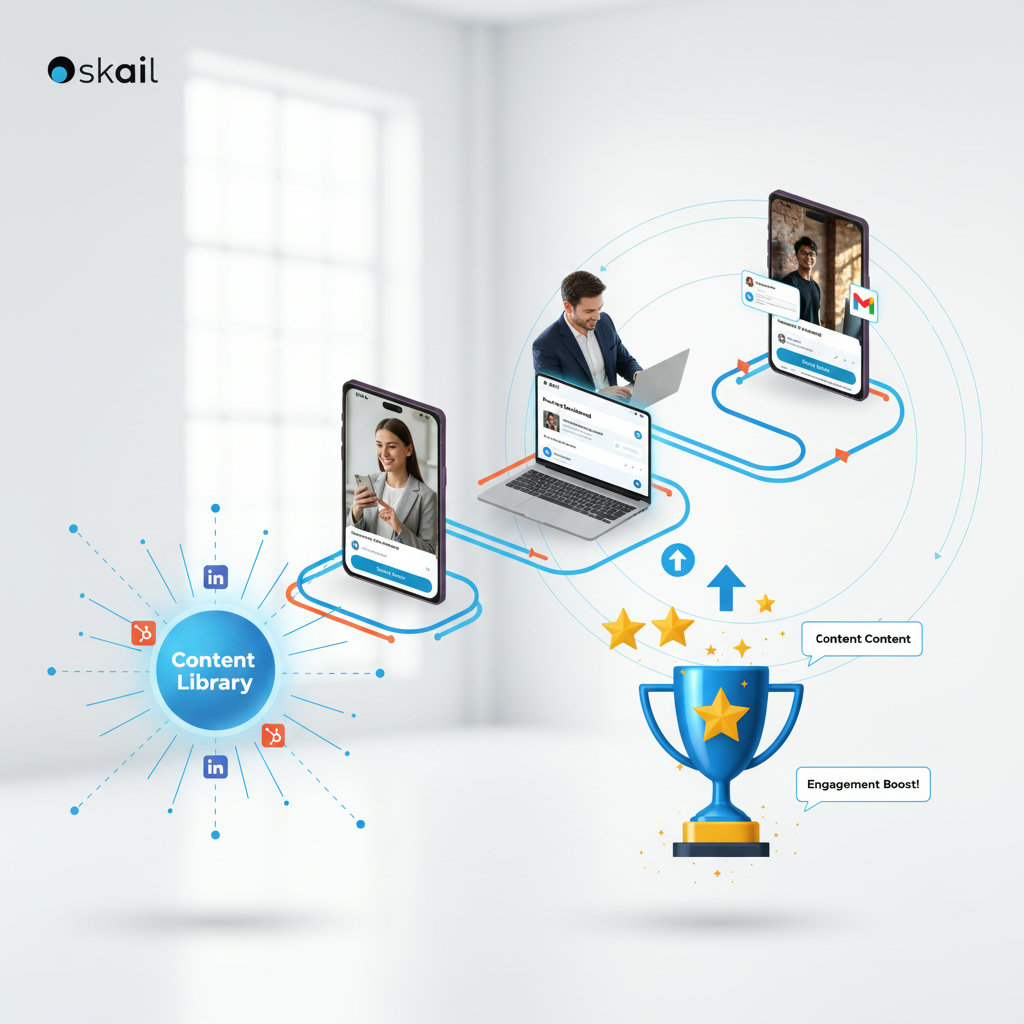
The biggest barrier is often the “what to share” and “how to share it” conundrum. The solution? Do the heavy lifting for them! Provide a steady stream of pre-approved, engaging content – think blog posts, industry insights, company news, success stories, and even personal development tips relevant to your field. Make it dead simple to access and share. Imagine a library of content ready to go, with suggested captions that employees can personalize. This reduces decision fatigue and boosts confidence. The easier it is, the more likely they are to participate.
Clear Guidelines: Empowering Confident Sharing
Uncertainty breeds inaction. To combat this, establish clear, concise guidelines. These aren’t meant to stifle creativity but to provide a safe framework for sharing. What topics are appropriate? Are there any disclaimers needed? Should they tag specific accounts? Offer best practices for crafting engaging posts, personalizing messages, and interacting with comments. Consider short, engaging training sessions or even a quick FAQ document. When employees feel confident in their understanding of the “rules of engagement,” they’re far more likely to jump in and contribute meaningfully. This clarity empowers them to be authentic without fear.
Recognition and Rewards: Fueling Participation
Humans are motivated by recognition, even if it’s just a shout-out! Implement a system that acknowledges and celebrates your top sharers and most engaged advocates. This could be as simple as a mention in a company-wide newsletter, a virtual high-five in a team meeting, or even a leaderboard. For a more structured approach, consider gamification with points, badges, or small incentives. The goal isn’t to buy their loyalty but to demonstrate that their efforts are seen, valued, and contribute directly to the company’s success. A little appreciation goes a long way in fostering a culture of sustained employee social sharing.
Measuring Success: Demonstrating ROI for Employee Advocacy
In the world of marketing, if you can’t measure it, you can’t manage it – or prove its value! Employee advocacy isn’t just about warm fuzzy feelings; it’s a powerful engine for growth. To truly demonstrate the impact of your employee social sharing efforts, you need to track key metrics. This allows you to refine your strategy, prove ROI to stakeholders, and celebrate successes.
Engagement Metrics: Likes, Comments, Shares
These are your bread and butter. How many likes, comments, and shares is the content generated by your employees receiving? More importantly, are these engagements meaningful? Are comments driving conversations? Are shares expanding your reach to new, relevant audiences? Tracking these metrics will give you a clear picture of how compelling your content is and how effectively your employees are amplifying it. High engagement indicates that the content resonates with their networks and fosters interaction, which is a powerful indicator of impact.
Reach and Impressions: Expanding Your Footprint
While engagement shows interaction, reach and impressions tell you how many eyes are actually seeing your message. This is where the exponential power of employee networks truly shines. By aggregating the total reach of all employee shares, you can visualize the massive expansion of your brand’s footprint beyond what your official channels could ever achieve alone. This metric powerfully illustrates the organic, widespread distribution that employee advocacy provides, far exceeding the limitations of a single company page.
Lead Generation and Conversions
Ultimately, for many B2B businesses, the bottom line is lead generation and conversions. Can you tie specific leads or even sales back to employee advocacy efforts? While direct attribution can sometimes be tricky, robust analytics tools can help connect the dots. This might involve tracking clicks on links shared by employees, monitoring website traffic spikes after a major sharing push, or even asking new leads how they heard about your company. Demonstrating a tangible link between employee advocacy and business outcomes is the ultimate proof of its value. For deeper insights into how to leverage this for your business, exploring AI employee advocacy solutions can provide the advanced tools needed for precise tracking and optimization.
Introducing Skail.ai: Simplifying Your Employee Advocacy Journey
So, you’re convinced. You understand the immense potential of employee social sharing. But perhaps you’re looking at the strategic steps and thinking, “This sounds like a lot of work!” And you’d be right – building a thriving employee advocacy program from scratch can be complex. This is precisely where Skail.ai steps in, designed to transform potential into performance by streamlining every aspect of the process. With over 15,000 users already benefiting, Skail.ai is built to make employee social sharing not just effective, but effortless.
Effortless Content Distribution
Remember the headache of curated content and making sharing easy? Skail.ai takes care of it. Our platform provides a centralized hub where you can upload, categorize, and schedule content for your employees. With intuitive interfaces, employees can easily browse pre-approved posts, personalize suggested captions, and share directly to their LinkedIn and other social media accounts with just a few clicks. No more endless email chains or Slack messages; just a seamless flow of engaging content ready to be amplified. We empower your team to share their unique essence and voice, amplifying your brand’s message authentically.
Analytics and Performance Tracking
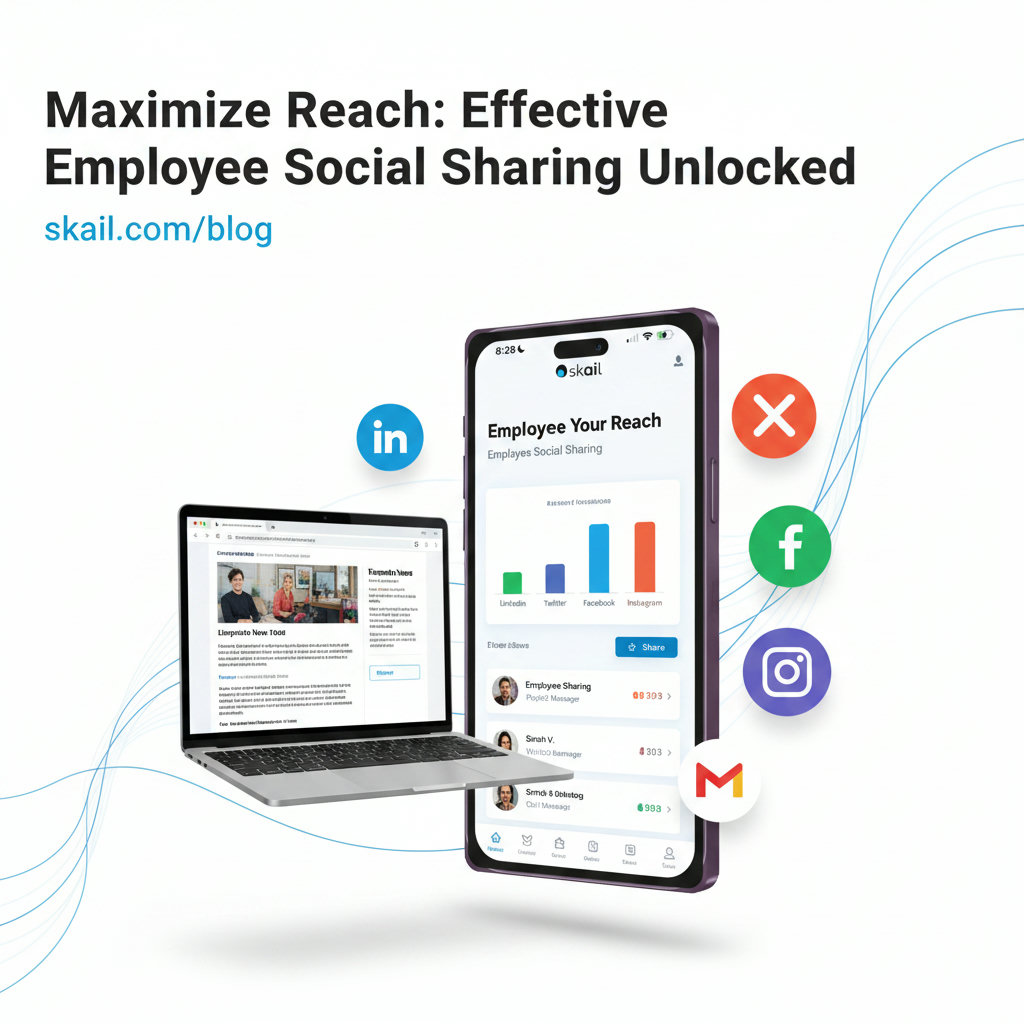
Proving ROI is critical, and Skail.ai makes it simple. Our comprehensive analytics dashboard provides real-time insights into your employee advocacy program’s performance. Track engagement metrics like likes, comments, and shares across all employee posts. Monitor reach and impressions to see the true expanse of your brand’s organic footprint. Identify top-performing content and your most engaged advocates. These robust reporting capabilities allow you to measure the success of your employee social sharing efforts, understand what resonates with audiences, and continually optimize your strategy for maximum impact.
User-Friendly Experience for All
The beauty of Skail.ai lies in its simplicity. We’ve designed the platform to be incredibly user-friendly for both administrators and employees. For marketers, it’s a powerful tool to manage content, set guidelines, and track results efficiently. For employees, it’s an intuitive, frustration-free way to contribute to the company’s success without adding extra work to their day. It integrates seamlessly into their existing workflows, turning them into enthusiastic brand ambassadors with minimal effort. This focus on an enjoyable experience ensures high adoption and sustained participation, transforming your team into a powerful collective voice.
FAQ About Employee Social Sharing
What is employee social sharing and why is it important?
Employee social sharing, also known as employee advocacy, is when employees actively share company-related content (news, blog posts, achievements, etc.) on their personal social media networks. It’s crucial because it leverages the power of personal connections, significantly expanding a brand’s organic reach, building trust, and generating more authentic engagement than traditional corporate channels can achieve alone.
What are the biggest challenges to getting employees to share content?
Common challenges include time constraints (employees are busy with their primary roles), uncertainty about what to share or how to phrase it, and a lack of clear incentives or recognition for their efforts. Without an easy process or perceived benefit, employees may feel reluctant or overwhelmed.

How can a company encourage more employees to participate in social sharing?
To encourage participation, companies should provide curated, easy-to-share content, offer clear guidelines to build confidence, and implement recognition programs or incentives to acknowledge and reward their efforts. Making the process effortless and showing appreciation are key.

What metrics should I track to measure the success of employee social sharing?
Key metrics include engagement (likes, comments, shares on employee posts), overall reach and impressions generated by employees, and ultimately, lead generation and conversions that can be attributed to advocacy efforts. Tracking these helps demonstrate the program’s ROI.
Can employee social sharing negatively impact a brand?
While generally positive, unguided employee sharing can pose risks if employees share inappropriate or inaccurate information. This is why providing clear guidelines and training is essential. With proper management and a user-friendly platform, the benefits far outweigh potential risks.
How does a platform like Skail.ai help with employee social sharing?
Skail.ai simplifies employee social sharing by offering effortless content distribution, where pre-approved content can be easily shared by employees with suggested captions. It also provides robust analytics for performance tracking and ensures a user-friendly experience for both administrators and employees, streamlining the entire advocacy process.
🥂
“`