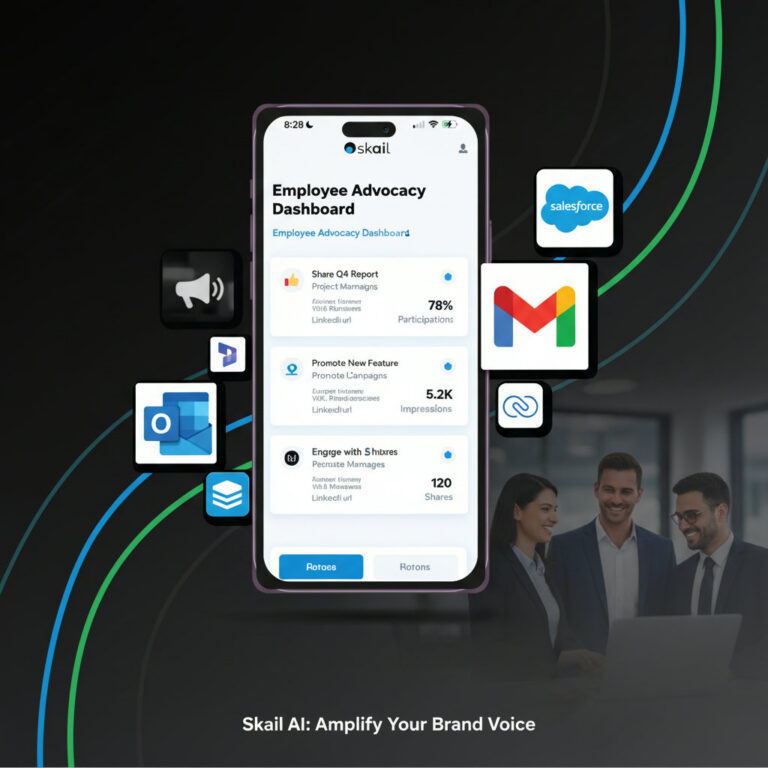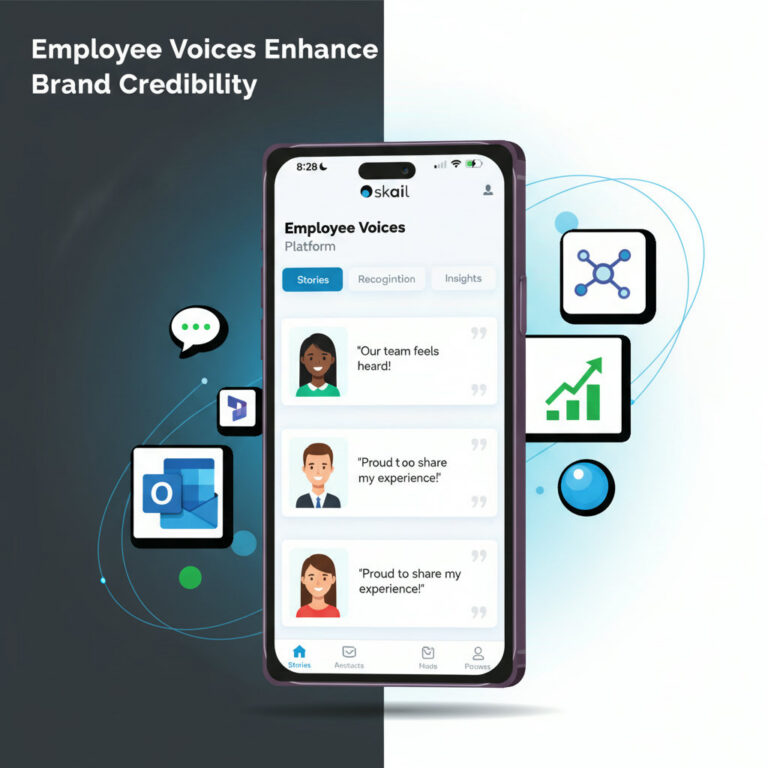

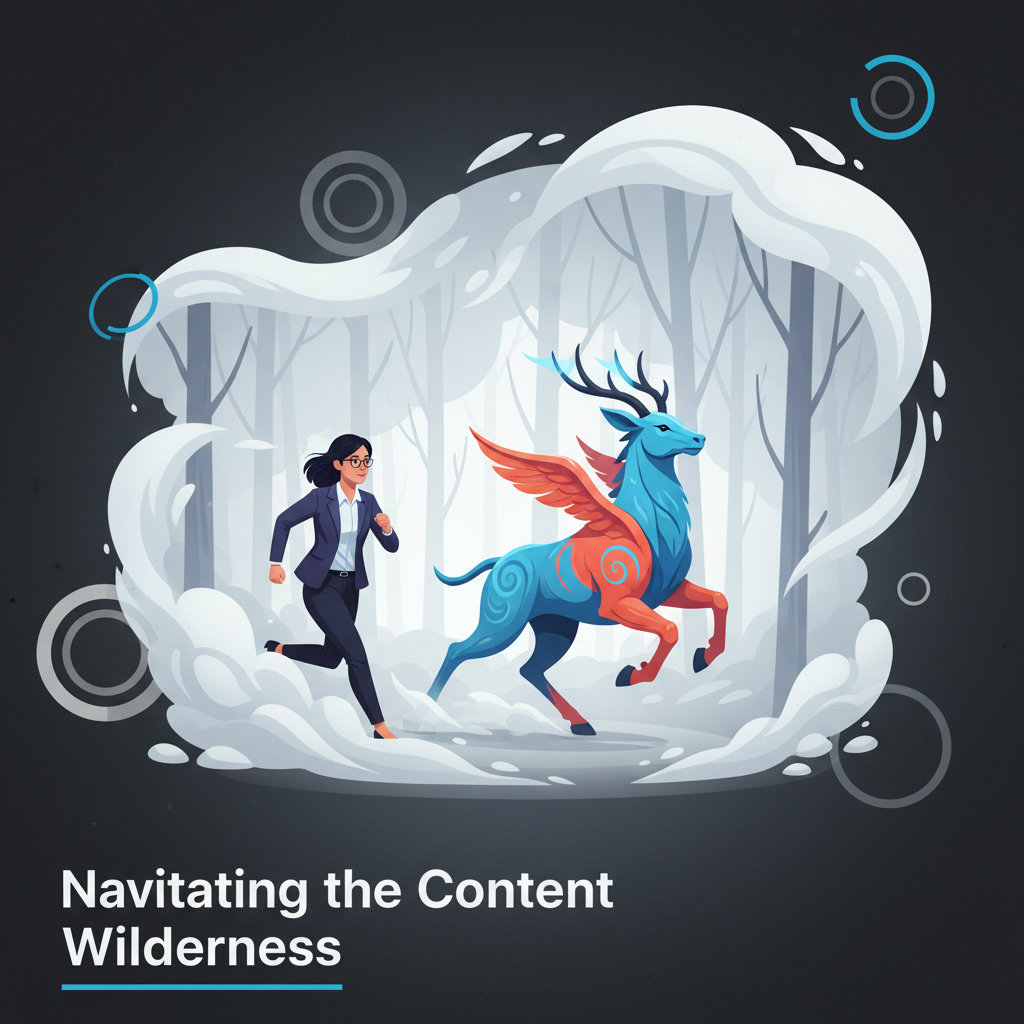
Ah, content strategy. The elusive, slippery commodity that every business yearns to master, yet often feels like chasing a mythical beast through a fog-laden forest. You know the drill: you pour your heart and soul into creating brilliant pieces, hoping they’ll resonate, convert, and ultimately, elevate your brand. But sometimes, despite all the effort, it feels like shouting into a void, doesn’t it? It’s a common challenge, but with a strategic framework, even the most ambitious content goals become attainable. This isn’t just about churning out blogs; it’s about building an intelligent, interconnected content ecosystem, especially when leveraging powerful tools like Skail AI to transform your approach from haphazard to profoundly impactful.
Foundations of Strategic Content
Every magnificent edifice begins with a strong foundation. In the realm of content, this means understanding your ‘why,’ ‘who,’ and ‘what’ before you even think about hitting ‘publish.’ Without these pillars, your content might drift aimlessly, failing to connect with the very people it’s meant to serve.

Defining Core Objectives
First things first: why are you doing this? What’s the grand vision? Your content strategy isn’t a standalone entity; it’s a powerful engine designed to propel your business forward. This means a direct alignment with your overarching business goals. Are you aiming for increased brand awareness, lead generation, customer retention, or perhaps thought leadership? Each objective demands a different kind of content, a unique tone, and a distinct call to action. Simultaneously, you must dive deep into identifying your audience’s needs. What keeps them up at night? What problems are they trying to solve? Understanding their struggles and desires is the bedrock upon which truly valuable content is built.
Audience Persona Development
Speaking of audience, who exactly are you talking to? This isn’t a casual acquaintance; this is someone you want to build a lasting relationship with. Enter the audience persona: a semi-fictional representation of your ideal customer. Go beyond surface-level demographics – age, location, job title. Delve into their psychographics: their values, beliefs, attitudes, lifestyle choices, and purchasing behaviors. What are their pain points? What aspirations drive them? Crafting detailed personas allows you to create content that speaks directly to their hearts and minds, addressing their specific challenges and helping them achieve their dreams. It’s like writing a love letter to your ideal customer, showing them you truly understand.
Competitive Landscape Analysis
You’re not operating in a vacuum, are you? The digital world is a bustling marketplace, and understanding your competitors is crucial. A thorough competitive landscape analysis helps you identify their strengths and weaknesses. What are they doing well? Where are they falling short? More importantly, where are the opportunity gaps that you can seize? Perhaps they’re neglecting a particular content format, overlooking a key audience segment, or failing to address a crucial pain point. This analysis isn’t about copying; it’s about innovating, differentiating, and carving out your unique space in the market. It’s your chance to be the trailblazer, not the follower.
Content Creation & Curation Pipeline
With a solid foundation in place, it’s time to move into the exciting phase of bringing your content to life. This isn’t just about writing; it’s about a strategic, streamlined process that ensures quality, relevance, and impact.
Ideation & Topic Generation
The blank page can be daunting, but fear not! Ideation isn’t a solo sport; it’s a creative playground. Employ brainstorming techniques that bring diverse perspectives to the table. Think mind mapping, reverse brainstorming, or even SCAMPER. And crucially, integrate keyword research. What are your audience members searching for? What questions are they typing into Google? Tools like Semrush or Ahrefs can be your best friends here, uncovering high-volume, low-competition keywords that provide endless content ideas. This ensures your brilliant ideas are also searchable and discoverable, a critical component for any effective content strategy.
Format & Medium Selection
Not all stories are best told the same way, right? Sometimes a deep dive blog post is perfect, other times a snappy video tutorial is the answer. Consider the format and medium that best suit your message and your audience’s preferences. Will it be text-based articles, captivating videos, insightful podcasts, or interactive quizzes? Think about platform suitability as well. A short-form video might thrive on TikTok or Instagram Reels, while a detailed white paper belongs on your website. Diversifying your content formats not only keeps things fresh but also caters to different learning styles and consumption habits.
Production Workflow Optimization
Chaos is the enemy of productivity, especially in content creation. An optimized production workflow is your secret weapon. Establish an editorial calendar that outlines topics, deadlines, assigned writers, and publication dates. This brings order and predictability to the process. Efficient resource allocation is also key. Who does what? Are roles clear? Are tools and templates in place to streamline repetitive tasks? The smoother your pipeline, the more consistent and high-quality your output will be. It’s about building a content factory that runs like a well-oiled machine, minimizing bottlenecks and maximizing creativity.
Distribution & Promotion Strategy
You’ve created amazing content – congratulations! But it won’t work its magic if nobody sees it. Distribution isn’t an afterthought; it’s an integral part of your content strategy, ensuring your message reaches the right eyes at the right time.
Multi-Channel Dissemination
Think of your content as a message in a bottle, but instead of sending it into a vast ocean, you’re strategically placing it in every potential port. This means leveraging a mix of organic and paid channels. Organic efforts include optimizing for SEO to rank higher in search results and sharing across your social media platforms to engage your existing audience. On the paid side, consider targeted ads on social media, search engines, or even influencer marketing to reach new, highly relevant audiences. The goal is maximum visibility through smart, diversified channel choices.
Audience Engagement Tactics
Content isn’t a monologue; it’s a conversation. Active audience engagement tactics transform passive readers into loyal followers and brand advocates. Foster community building through interactive comments sections, dedicated online groups, or live Q&A sessions. Incorporate interactive elements into your content itself, such as polls, quizzes, or calculators, to encourage participation. The more your audience interacts, the deeper their connection to your brand, and the more valuable your content becomes to them.
Repurposing & Atomization
Got a fantastic pillar piece? Don’t let it be a one-hit wonder! Repurposing and atomization are about getting the most mileage out of your high-value content. Take a comprehensive blog post and break it down into smaller, bite-sized pieces for social media. Extract key quotes for image posts, turn statistics into infographics, or convert sections into video scripts. Adapt your content for cross-platform suitability. A webinar can become a podcast series, a white paper can become several blog posts, and a presentation can be shared as a SlideShare. This strategic reuse not only saves time and resources but also ensures your core message reaches diverse audiences in their preferred formats.
Performance Measurement & Iteration
How do you know if all this effort is paying off? You measure, you analyze, and you adapt. This isn’t just about vanity metrics; it’s about understanding true impact and continuous improvement.
Key Performance Indicators (KPIs)
Before you launch, define your KPIs. What does success look like for each piece of content and for your overall strategy? Engagement metrics, such as page views, time on page, social shares, and comments, tell you how well your content is resonating. Conversion rates – lead form submissions, downloads, sales, or sign-ups – show you the direct business impact. By tracking these specific indicators, you gain clarity on what’s working and what’s not, allowing you to optimize your content strategy with precision. For instance, in AI employee advocacy, engagement metrics for employee-shared content would be a crucial KPI.
Analytics & Reporting
Data, data, everywhere! But how do you make sense of it all? Effective analytics and reporting are about more than just numbers; they’re about data interpretation. Understand what the trends are telling you. Are certain topics performing better than others? Which channels are driving the most traffic or conversions? Custom dashboard creation can help you visualize these insights at a glance, providing a holistic view of your content’s performance against your defined KPIs. Don’t just collect data; use it to tell a story about your content’s journey and impact.
Strategic Refinement & Adaptation
The digital landscape is constantly evolving, and so too should your content strategy. This is where strategic refinement and adaptation come into play. A/B testing allows you to experiment with different headlines, calls to action, or content formats to see what performs best. Establish feedback loops, both internal and external, to gather insights and suggestions. What are customers saying? What are your sales team’s observations? Use these insights to iterate and improve. Content strategy is not a static blueprint; it’s a living, breathing document that evolves with your audience and market. Embrace the iterative process, and you’ll always be one step ahead.
Building a Sustainable Content Ecosystem
Finally, how do you ensure your content efforts aren’t just a flash in the pan but a consistent, growing force for your business? It’s about building a sustainable, resilient ecosystem.
Team Roles & Responsibilities
Even the most brilliant strategy can falter without the right people in the right places. Define your content team structure clearly. Who is the strategist, the writer, the editor, the designer, the promoter, the analyst? Clear roles and responsibilities minimize confusion and maximize efficiency. Equip your team with the best collaboration tools, whether it’s project management software, shared document platforms, or communication apps. A cohesive, well-supported team is the engine that drives your content machine forward, ensuring smooth operation and creative synergy.
Technology Stack & Tools
In today’s fast-paced world, smart technology is not a luxury; it’s a necessity. Build a robust technology stack that supports every stage of your content strategy. This might include a powerful Content Management System (CMS) for publishing, advanced analytics platforms for tracking, and automation tools for repetitive tasks like social media scheduling. And of course, the integration of AI is increasingly becoming non-negotiable. Tools like Skail AI can revolutionize your content operations, from generating initial ideas and optimizing copy for SEO to personalizing content at scale. AI integration means smarter workflows, data-driven decisions, and the ability to achieve far more with fewer resources.
For more insights on how AI is shaping industry best practices, you can refer to authoritative sources like Wikipedia’s entry on Artificial Intelligence, which offers a comprehensive overview of its evolution and applications across various fields.
Long-Term Vision & Scalability
Where do you see your content strategy in five years? Ten? A long-term vision isn’t just a nice-to-have; it’s essential for future-proofing your strategy. Anticipate market shifts, technological advancements, and evolving audience behaviors. How will your content grow with your business? How can you scale your operations without sacrificing quality or burning out your team? Think about building evergreen content that stands the test of time, and processes that can be replicated and expanded. A scalable content strategy is one that’s designed for continuous growth, ensuring your brand remains relevant and impactful for years to come.
Understanding emerging trends in digital marketing is crucial for long-term vision. The Business section of Forbes frequently publishes articles on these topics, offering valuable perspectives on future growth and scalability in various industries.
Mastering content strategy is an ongoing journey, not a destination. It requires dedication, creativity, and a relentless focus on your audience and business goals. But by establishing strong foundations, optimizing your creation and distribution, meticulously measuring performance, and building a sustainable ecosystem powered by smart technology like Skail AI, you can transform your content from a challenge into your most powerful asset. Here’s to making every piece of content count! 🥂

FAQ
What is the primary goal of a content strategy?
The primary goal of a content strategy is to consistently create and distribute valuable, relevant, and engaging content that aligns with specific business objectives, such as increasing brand awareness, generating leads, driving sales, or fostering customer loyalty. It ensures that every piece of content serves a purpose and contributes to the overall success of the organization.

How do I develop effective audience personas?
Effective audience personas are developed by combining demographic data (age, location, job title), psychographic insights (values, interests, lifestyle), and behavioral patterns (online habits, purchasing decisions). This involves conducting surveys, interviews, analyzing website analytics, and social media data to understand their pain points, aspirations, and preferred communication channels, allowing you to tailor content directly to their needs.
What is content atomization?
Content atomization is the process of breaking down a large, comprehensive piece of content (like a white paper, webinar, or long blog post) into multiple smaller, digestible pieces that can be distributed across various platforms. This includes creating social media posts, short videos, infographics, email snippets, or even microblogs from a single core asset, maximizing its reach and utility.
Why is AI integration important for content strategy?
AI integration, such as using tools like Skail AI, is crucial for content strategy because it streamlines workflows, enhances personalization, and drives data-driven decisions. AI can assist with keyword research, content ideation, copywriting, content optimization for SEO, sentiment analysis, and even predicting content performance. This leads to more efficient content creation, better audience targeting, and ultimately, a more impactful strategy.
How often should a content strategy be reviewed and updated?
A content strategy should be a living document, reviewed and updated regularly, ideally quarterly or at least bi-annually. The digital landscape, audience preferences, and business goals are constantly evolving. Regular reviews of KPIs, analytics, and market trends allow for strategic refinement, adaptation, and A/B testing, ensuring the strategy remains relevant, effective, and responsive to change.
What are some key metrics to track for content performance?
Key performance indicators (KPIs) for content performance vary based on objectives but commonly include engagement metrics (page views, time on page, bounce rate, social shares, comments), conversion metrics (lead form submissions, downloads, sales, email sign-ups), reach and impressions, click-through rates (CTR), and ultimately, return on investment (ROI) derived from the content’s contribution to revenue.