
Understanding Your Audience Landscape
Ah, the elusive, slippery commodity of attention! In a world shouting for eyeballs, simply creating more content doesn’t cut it anymore. If you want to genuinely connect and enhance brand credibility, you need a compass, a map, and a keen eye. That map, my friend, begins with a deep, almost forensic understanding of your audience. Without it, you’re just yelling into the void, hoping someone hears you.
Defining Target Personas
Who are you talking to? Really, who? It’s not enough to say “everyone.” That’s like throwing spaghetti at a wall and hoping some sticks. We need to be surgical.
-
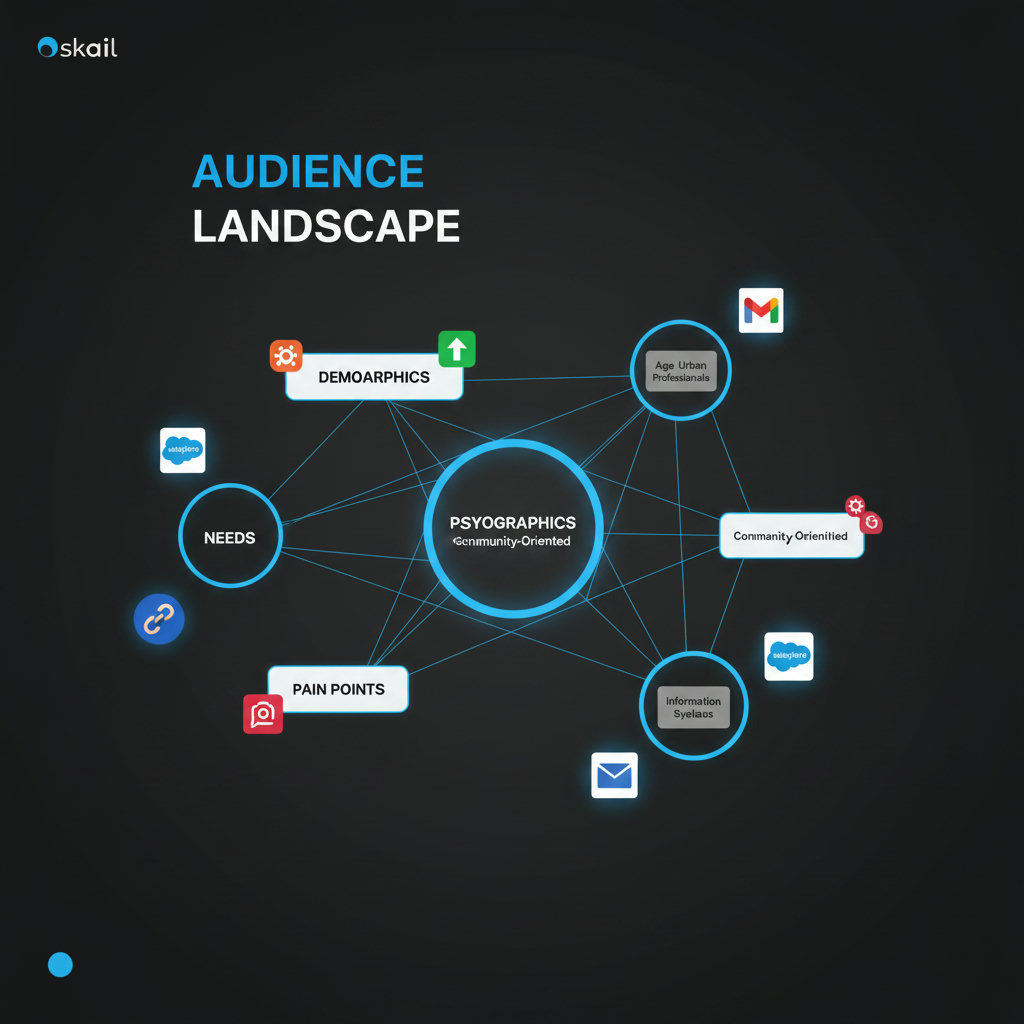
Demographics & Psychographics
Go beyond age and location. What are their aspirations? Their fears? Their daily struggles? Are they early adopters or traditionalists? What drives their decisions? This isn’t just about painting a picture; it’s about understanding the very fabric of their digital existence. Dive into their values and beliefs – these are the undercurrents that truly shape their interaction with your brand.
-
Needs & Pain Points
Every fantastic piece of content solves a problem or fulfills a need. What keeps your audience up at night? What frustrations do they encounter in their work or personal lives? If you can articulate their pain points better than they can, you’ve already won half the battle. Think of yourself as a detective, unearthing the core issues your product or service elegantly resolves.
Audience Journey Mapping
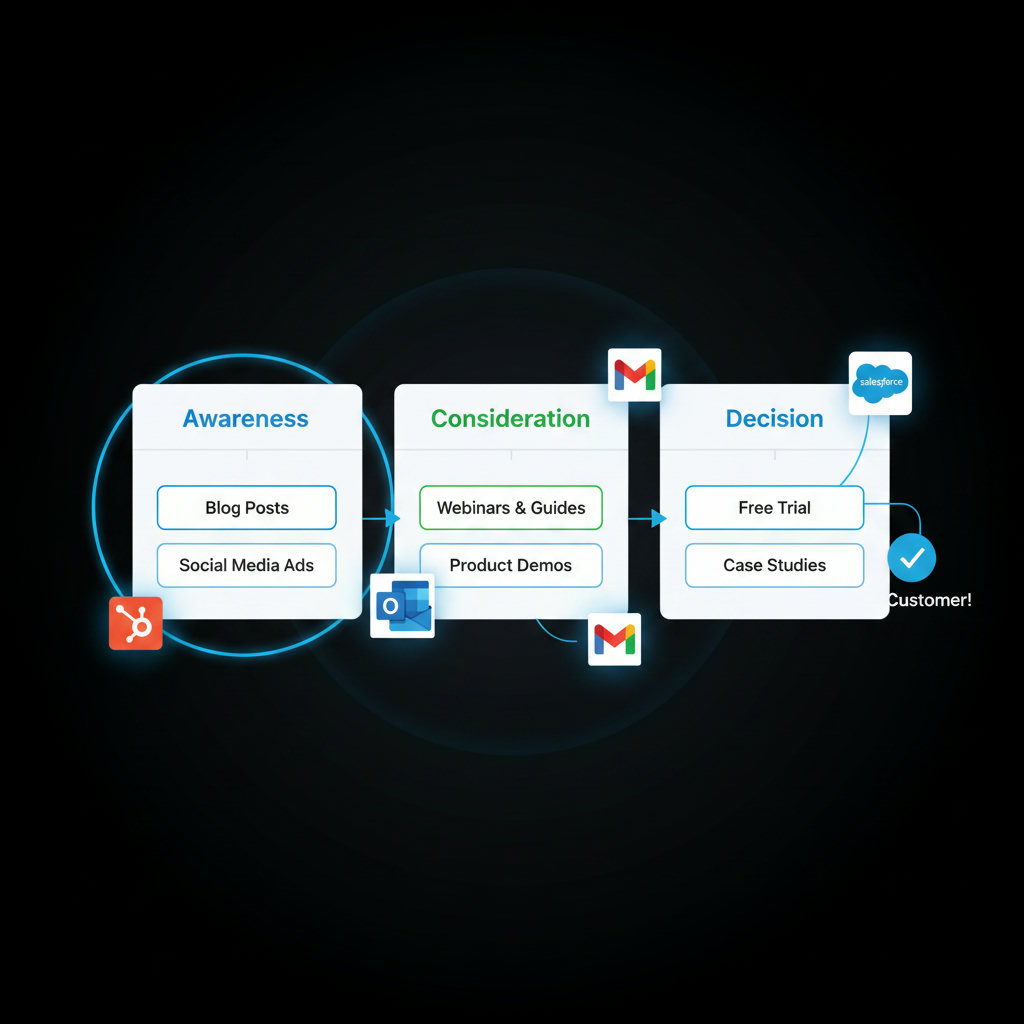
Your audience doesn’t just wake up one day ready to buy. They embark on a quest, a journey with distinct stages. And your content needs to be their trusted guide at every turn.
-
Awareness Stage
At this point, they might not even know they have a problem, or they’re just starting to feel the itch. Your content here isn’t selling; it’s educating, informing, and entertaining. Think blog posts, infographics, or short videos that highlight a common challenge or introduce a new concept. It’s about planting a seed.
-
Consideration Stage
Okay, now they know they have a problem, and they’re actively looking for solutions. This is where your content shifts to offering options, guidance, and comparison. Webinars, detailed guides, case studies, or comparison articles are perfect here. You’re showcasing your expertise without being overly promotional. You’re building trust, not demanding a sale.
-
Decision Stage
They’re ready! They’ve done their research, they’re weighing their options, and they need that final nudge. This is where testimonials, free trials, demos, live Q&As, or in-depth product comparisons shine. Show them why you’re the best choice, provide social proof, and make it easy for them to convert. This content is your closing argument.
Competitor Content Audit
You wouldn’t go to battle without scouting the enemy, would you? Similarly, building a content strategy without understanding your competitors is a recipe for getting lost in the noise.
-
Key Players & Offerings
Who are your direct and indirect competitors? What kind of content are they putting out? What topics are they covering? Where are they publishing? It’s not about copying, but about understanding the landscape, identifying common themes, and spotting trends.
-
Gaps & Opportunities
This is the goldmine! Where are your competitors falling short? What questions are they leaving unanswered? What perspectives are they ignoring? These gaps are your opportunities to shine, to differentiate, and to provide unique value that truly helps enhance brand credibility for your audience. Find areas where you can deliver stronger, more insightful, or more engaging content.
Crafting Focused Content Pillars
Think of content pillars as the majestic columns supporting the grand edifice of your brand story. They’re not just random pieces; they are strategic, evergreen themes that consistently resonate with your audience and enhance brand credibility over time.
Identifying Core Themes
This isn’t about chasing every trend; it’s about planting flags on solid ground.
-
Brand Values Alignment
What does your brand stand for? What promises do you make to your customers? Your content should be a consistent echo of these values. If you champion innovation, your content should showcase forward-thinking ideas. If integrity is key, then transparency and honesty should permeate your messaging. This alignment builds authenticity.
-
Audience Interests
Remember those personas? This is where they come alive. Your content pillars should directly address their core interests, pain points, and aspirations. If your audience is struggling with productivity, a pillar on “Mastering Time Management” or “Efficiency Hacks for Busy Professionals” makes perfect sense. These pillars become magnets for your target audience.
Content Format Selection
The message is crucial, but the medium matters too. Different stories demand different stages.
-
Text-Based
Blogs, articles, whitepapers, e-books. These are the workhorses, allowing for deep dives, complex explanations, and strong SEO performance. Perfect for thoughtful analysis and detailed instruction.
-
Visual Content
Infographics, videos, custom illustrations, social media graphics. In an increasingly visual world, these formats are paramount for capturing attention quickly, simplifying complex ideas, and enhancing shareability. A well-designed infographic can convey a universe of data in minutes.
-
Interactive Experiences
Quizzes, polls, calculators, interactive tools, webinars. These formats don’t just deliver information; they engage the user directly, creating a memorable experience and fostering a deeper connection. For instance, an interactive ROI calculator can be far more impactful than a static table.
Distribution Channel Strategy
It’s not enough to create great content; you have to get it in front of the right eyes. This isn’t about shouting into the void, but strategically placing your message where your audience is already looking.
-
Owned Media
Your website, blog, email list, and social media profiles. These are channels you fully control, allowing for direct communication and brand building. Optimize your owned media to be the hub of your content ecosystem.
-
Earned Media
PR, mentions, shares, reviews, organic social reach. This is the holy grail – when others organically amplify your message because it’s genuinely valuable. This organically helps to enhance brand credibility. This often happens because your content is so good it generates buzz. Think about the impact of a third-party endorsement! For a deeper dive into empowering your team to amplify your message, consider exploring AI employee advocacy platforms.
-
Paid Media
Social media ads, search engine marketing (SEM), sponsored content. When you need to reach a specific audience quickly and at scale, paid channels provide targeted exposure. Strategically use paid media to boost your best content or target new segments.
Developing a Lean Content Calendar
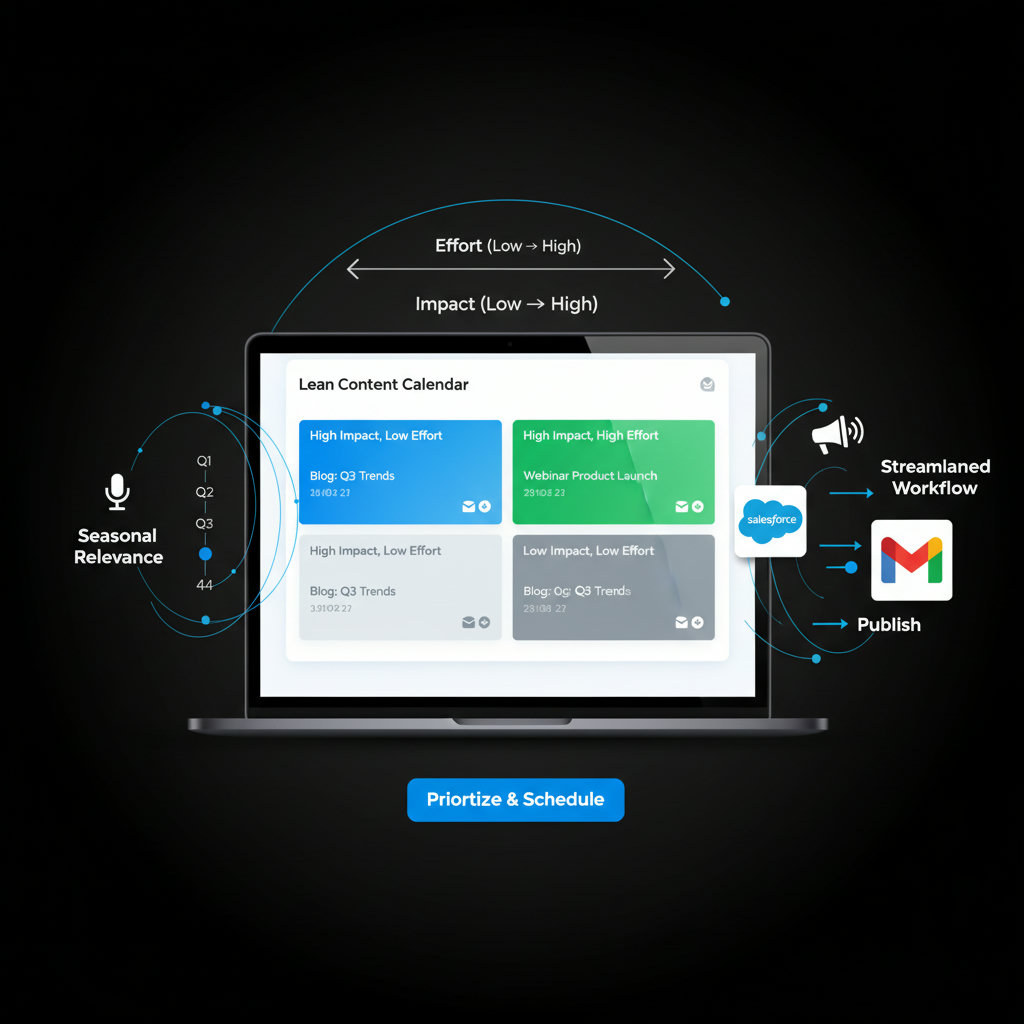
A content calendar isn’t just a schedule; it’s your strategic playbook. But forget the overloaded, unmanageable beasts of yesteryear. We’re talking lean, agile, and effective, designed to enhance brand credibility without burning out your team.
Prioritizing Content Ideas
You’ll have a million ideas. Your calendar needs to hold only the best ones.
-
Impact vs. Effort Matrix
This is your secret weapon. Map out your content ideas: how much impact (reach, engagement, conversions) do you expect, and how much effort (time, resources) will it take to create? Prioritize high-impact, low-effort pieces first. Then tackle the high-impact, high-effort projects. De-prioritize anything that falls into the low-impact quadrant.
-
Seasonal Relevance
Align your content with industry events, holidays, product launches, or seasonal trends. Is there a major conference coming up? A relevant holiday? A specific time of year when your audience needs a particular solution? Capitalize on these moments to make your content timely and more impactful.
Scheduling & Workflow Optimization
Efficiency is king when creating content that resonates.
-
Content Creation Phases
Break down your creation process: ideation, outlining, drafting, editing, design, approval, publishing, promotion. Assign clear roles and deadlines for each phase. This structured approach prevents bottlenecks and keeps everyone on the same page.
-
Review & Approval Process
Establish a clear, streamlined review loop. Who needs to see it? What are their specific responsibilities? Avoid endless cycles of edits by setting clear guidelines and primary reviewers. This ensures quality while preventing content from getting stuck in limbo.
Resource Allocation
Understanding your resources means you know what you can realistically achieve.
-
Internal Talent
Who on your team has the expertise? The writing chops? The design skills? Leverage your in-house talent effectively. Are there subject matter experts who can contribute to thought leadership pieces?
-
External Collaborators
Sometimes, you need external help. Freelance writers, graphic designers, video editors, or agency partners can fill skill gaps, provide fresh perspectives, or simply scale your output when internal resources are stretched. This is about strategic outsourcing, not relinquishing control.
Measuring Micro-Impact & Iteration
The work doesn’t stop once your content goes live. In fact, that’s where the real learning begins. To truly enhance brand credibility through content, you need to understand what’s working, what’s not, and how to adapt.
Key Performance Indicators (KPIs)
You can’t improve what you don’t measure. Pick metrics that directly tie back to your content goals.
-
Engagement Metrics
Beyond vanity metrics, look at time on page, bounce rate, comments, shares, and social interactions. Are people actually consuming and interacting with your content? Are they finding it valuable enough to share?
-
Conversion Metrics
For content lower in the funnel, track lead generation, sign-ups, downloads, demo requests, and ultimately, sales. Is your content effectively moving people closer to becoming customers?
-
SEO Performance
Monitor organic traffic, keyword rankings, and backlink acquisition. Is your content discoverable? Is it helping to establish your authority in search engines? Tools like Google Analytics and Google Search Console are your best friends here. You can learn more about SEO concepts on resources like Google Search Central.
Data Analysis & Insights
Numbers are just numbers until you make them tell a story.
-
Trend Identification
Are certain content topics consistently outperforming others? Are specific formats more engaging? Look for patterns over time. What content types consistently resonate with your audience and enhance brand credibility?
-
User Behavior Patterns
How are users navigating your site after consuming content? What content paths do they take? Where do they drop off? Heatmaps and user journey tools can provide invaluable qualitative insights into how people interact with your content pieces.
Agile Content Adaptation
The digital landscape is constantly shifting. Your content strategy needs to be a living, breathing entity, capable of quick adjustments.
-
A/B Testing
Test headlines, calls to action, image choices, and even content length. Small tweaks can often lead to significant improvements in engagement and conversion rates. Don’t assume; test and learn. You can often learn more about specific A/B testing methodologies from authoritative digital marketing sources like WordStream.
-
Content Refresh Cycles
Content isn’t a one-and-done deal. Regularly review and update existing content to keep it fresh, accurate, and relevant. This not only boosts its longevity but also signals to search engines that your site is a valuable, up-to-date resource. Old content can often be revitalized with new data or a fresh perspective.
FAQ Section
What is strategic minimalism in content creation?
Strategic minimalism in content creation focuses on producing high-quality, impactful content that directly addresses specific audience needs and business goals, rather than simply generating a large volume of content. It emphasizes precision, relevance, and value to enhance brand credibility and achieve better results with fewer resources.
How can understanding my audience enhance brand credibility?
By deeply understanding your audience’s demographics, psychographics, needs, and pain points, you can create content that genuinely resonates with them. This relevance builds trust and positions your brand as an empathetic, knowledgeable solution provider, significantly boosting your brand’s credibility and authority in your niche.
What are content pillars and why are they important?
Content pillars are foundational, evergreen themes that align with your brand values and audience interests. They are crucial because they provide a coherent framework for your content strategy, ensuring consistency, establishing your brand as a thought leader, and making your content efforts more efficient and impactful over time, thus helping to enhance brand credibility.

How often should I review and update my content strategy?
Content strategies should be regularly reviewed and updated, ideally on a quarterly basis, with minor adjustments made monthly. This agile approach allows you to adapt to new trends, evolving audience needs, and performance data, ensuring your content remains relevant and continues to effectively enhance brand credibility.