Tired of Content Chaos? Enter Content Hub Software
Ah, time! That elusive, slippery commodity that always seems to slip through our fingers, especially when we’re wrestling with content. You know the drill: hunting for that one graphic you swear you saved, sifting through endless email threads for feedback, or perhaps worst of all, crafting a brilliant piece of content only for it to get lost in the digital ether. Content creation is exhilarating, but the management? That can feel like navigating a deep sea of prospect research without a compass.
We pour our hearts and souls into blog posts, social media updates, and marketing materials. We spend hours, nay, days, researching, writing, and refining. But then comes the logistical nightmare: distributing it, tracking its performance, and ensuring it actually reaches the right eyes at the right time. Your content deserves better than a scattered existence across various platforms and folders. It deserves a home.
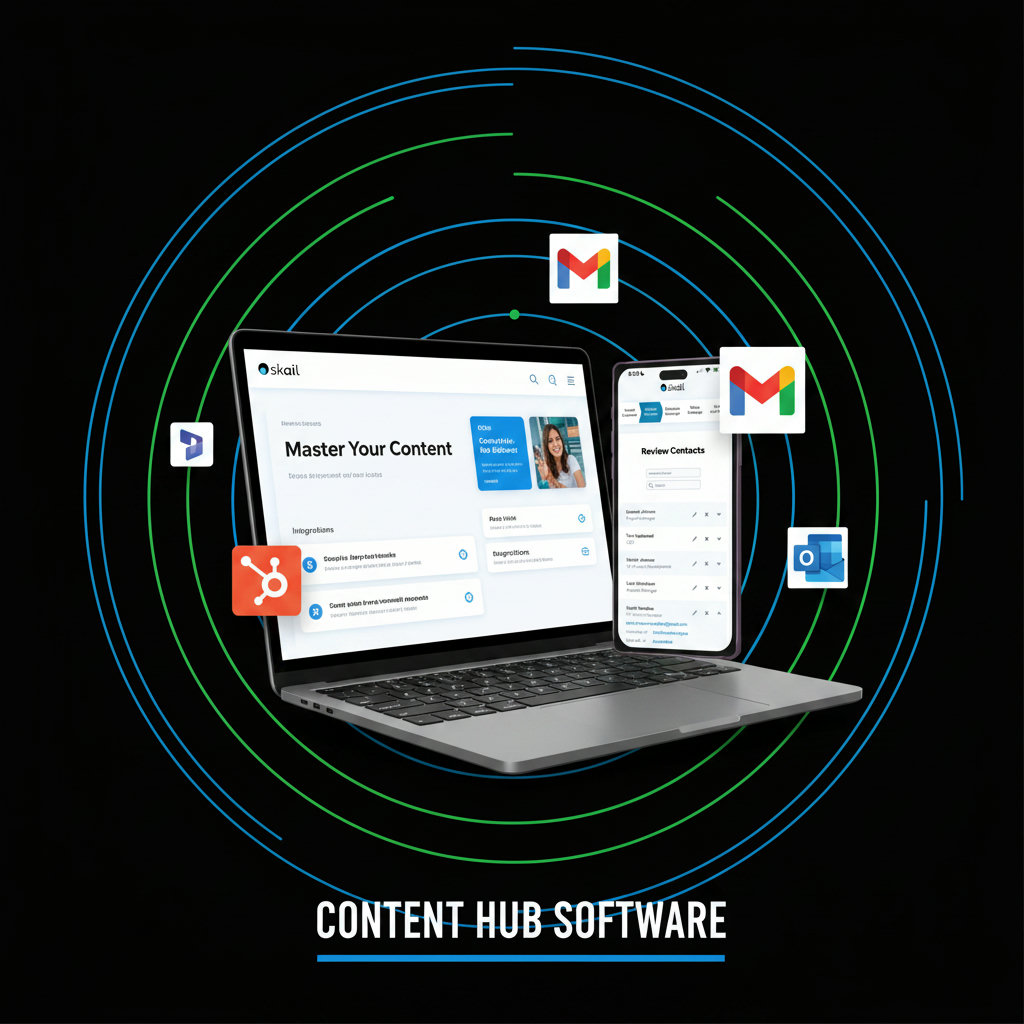
Enter content hub software. This isn’t just another buzzword; it’s a strategic imperative for any business looking to streamline its content operations, boost efficiency, and truly engage its audience. Imagine a world where all your content lives in one organized, accessible place, ready to be deployed with precision. Sounds like a dream, right? Let’s dive into why this isn’t just a nice-to-have, but a must-have for the modern marketer.
What is Content Hub Software, Anyway?
Simple, right? It’s software for your content! Not quite. Think of content hub software as the central nervous system for all your content efforts. It’s a dedicated platform designed to manage the entire lifecycle of your content – from planning and creation to distribution, analysis, and archiving. It’s where your brilliant ideas are born, nurtured, and sent out into the world.
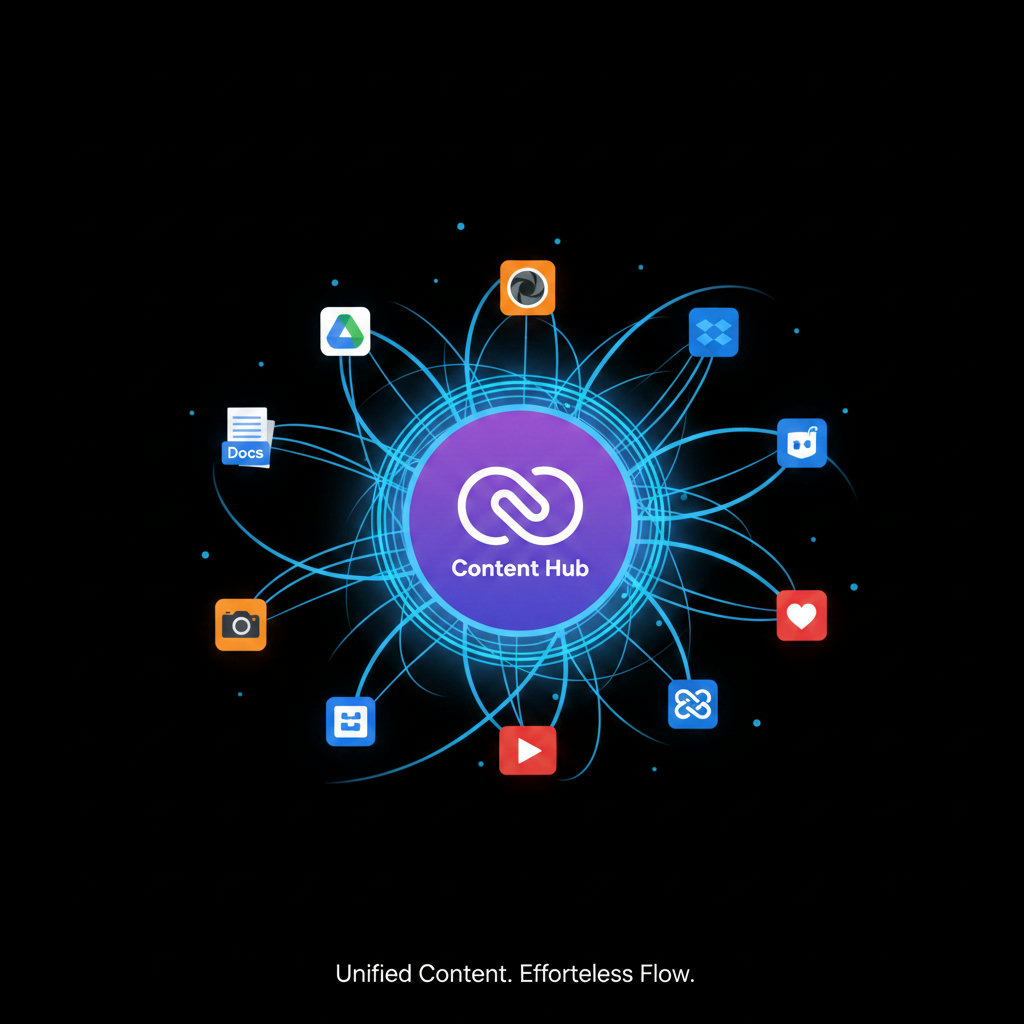
Instead of your content living in disparate tools – a Google Drive for documents, a Dropbox for images, a Trello board for tasks, and various social media schedulers – a content hub brings it all under one roof. It provides a single source of truth, ensuring everyone on your team is working with the most current and approved versions of your assets. It’s about creating order from chaos, a digital library coupled with a powerful distribution engine.
Why Your Current Content Strategy Is Probably Bleeding Time (and Money)
Let’s get real. Most content strategies, while well-intentioned, suffer from fragmentation. You’re likely using a patchwork of tools, each serving a specific purpose but rarely communicating effectively with one another. This creates silos, inefficiencies, and a whole lot of wasted effort.
The Hunt for Assets: How much time do you spend each week searching for an image, a video, or an old blog post? Precious minutes that could be spent ideating or engaging.
Version Control Nightmares: Ever sent out an old version of a document, or published a draft by mistake? It happens when there’s no central, authoritative source.
Collaboration Headaches: Getting feedback, approving content, and coordinating across teams can feel like herding cats when you’re relying on email chains and chat messages.
The Engagement Gap: You create amazing content, but can you easily track how each piece performs across different channels? Understanding what resonates is key to continuous improvement.
This fragmented approach isn’t just inefficient; it’s expensive. Wasted time translates directly into wasted resources. More importantly, it stunts your ability to produce high-quality, impactful content consistently. Your creativity is stifled by logistics, and your audience engagement suffers from inconsistency.
The Magic of Centralization: How Content Hub Software Works Wonders
Imagine a world where everything you need for your content strategy is at your fingertips, perfectly organized and instantly shareable. That’s the promise of content hub software, and it delivers. It’s about transforming your content operations from a frantic scavenger hunt into a smooth, orchestrated ballet.
Streamlined Content Creation and Management
At its core, a content hub provides a centralized repository for all your content assets. This includes documents, images, videos, audio files, and even social media snippets. But it’s more than just storage; it’s intelligent storage.
Organized and Tagged: Content can be tagged, categorized, and searched with ease, making that elusive image a quick search away instead of a deep dive into archaic folders.
Seamless Collaboration: Teams can work together on content in real-time, leaving comments, tracking changes, and approving versions without endless email threads. It often includes workflow automation, nudging content through creation, review, and approval stages.
Version Control: Say goodbye to “final_final_v3.docx”! A content hub ensures everyone is working on the latest version, significantly reducing errors and confusion.
AI-Powered Assistance: Many modern content hub platforms leverage AI to help with content suggestions, optimization, and even generating initial drafts, further accelerating the creation process.
Effortless Distribution and Amplification
Creating great content is only half the battle; getting it seen is the other. A robust content hub acts as your command center for distribution, pushing your content out to various channels with minimal effort.
Multi-Channel Publishing: From your blog and website to social media platforms and email newsletters, a content hub allows for scheduled and automated publishing across multiple channels from a single interface.
Content Scheduling: Plan your content calendar weeks or months in advance, scheduling posts to go live at optimal times for maximum impact.
Audience Segmentation: Tailor your content distribution to specific audience segments directly from the hub, ensuring your messages resonate with the right people.
Employee Advocacy Integration: Imagine your team becoming your most powerful brand ambassadors. Some content hubs integrate with or facilitate AI employee advocacy platforms, making it simple for employees to share approved, on-brand content with their networks, significantly extending your reach and credibility.
Actionable Insights and Performance Tracking
What gets measured gets managed. A key benefit of content hub software is its ability to provide comprehensive analytics on your content’s performance.
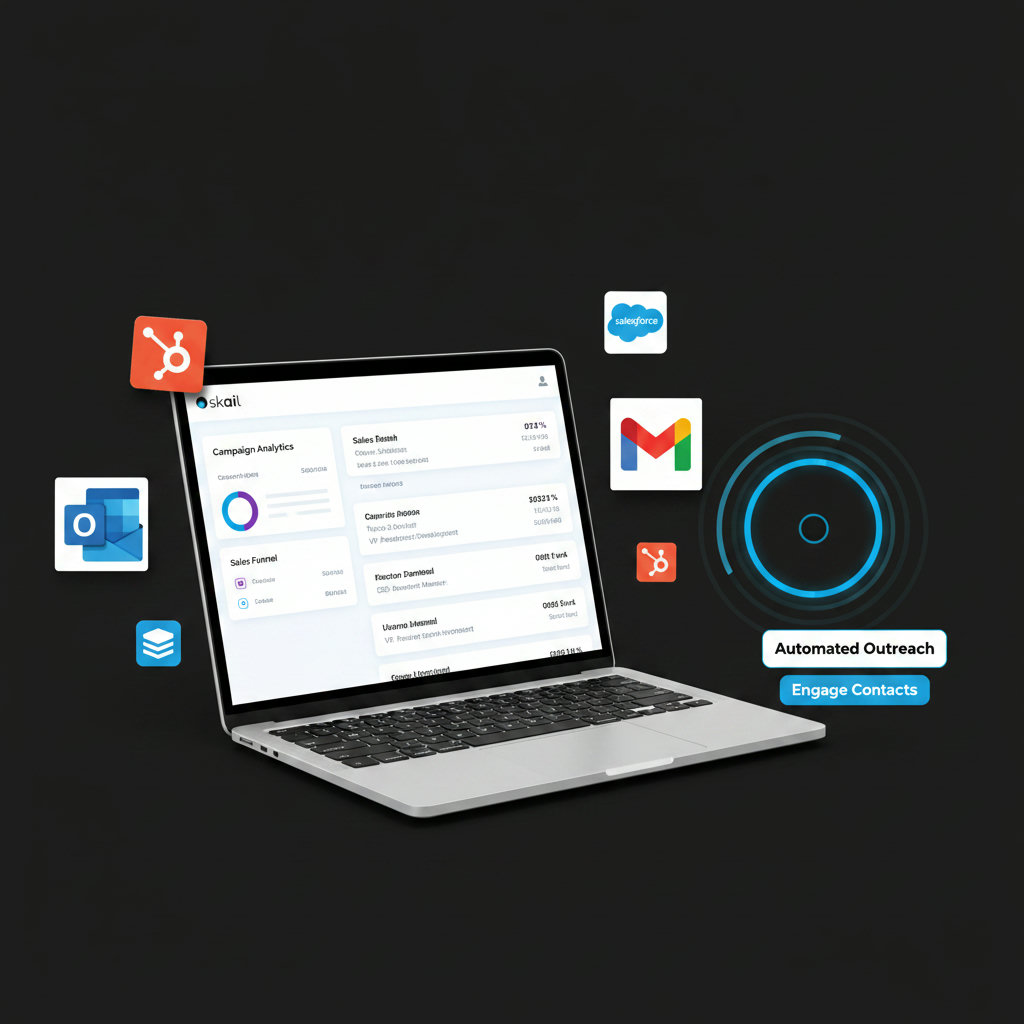
Unified Analytics Dashboard: See how individual pieces of content are performing across different channels – clicks, shares, engagement rates, and conversions – all in one place.
Identify Top Performers: Understand what content resonates most with your audience, allowing you to replicate success and optimize future strategies.
Content Gaps and Opportunities: By analyzing performance, you can identify topics or formats that are underserved or underperforming, guiding your future content strategy. For deeper dives into content marketing analytics, authoritative sources like the Content Marketing Institute offer excellent resources.
ROI Measurement: Tie your content efforts directly to business outcomes, demonstrating the tangible return on your content investment.
Choosing the Right Content Hub Software for Your Business
So, you’re convinced that content hub software is the answer to your content woes. Fantastic! But with a growing number of solutions out there, how do you pick the one that’s right for your unique needs? It’s like being a kid in a candy store, but instead of candy, it’s features and integrations.
Key Features to Look For
Not all content hubs are created equal. To ensure you’re investing in a solution that truly solves your problems and propels your content strategy forward, keep an eye out for these essential features:
Centralized Asset Management: This is non-negotiable. It should offer robust categorization, tagging, and search functionalities for all content types.
Workflow Automation: Look for features that streamline the content pipeline, from initial draft to final approval. Think task assignments, approval queues, and notification systems.
Multi-Channel Publishing & Scheduling: The ability to push content seamlessly to your website, blog, social media, and email platforms is crucial for efficiency.
Analytics and Reporting: A customizable dashboard that provides insights into content performance across all channels is vital for data-driven decisions.
Collaboration Tools: In-platform commenting, revision history, and real-time editing capabilities will save your team countless hours.
Integrations: Does it play well with your existing tech stack? Think CRM, marketing automation platforms, and project management tools. For example, understanding how different digital tools integrate is central to digital transformation, as explained by Wikipedia’s page on Digital Transformation.
Scalability: Can the software grow with your business? As your content output increases and your team expands, your content hub should be able to keep up.
User-Friendly Interface: If it’s not intuitive, your team won’t use it. Prioritize ease of use and a shallow learning curve.
Implementation Best Practices
Adopting new software can be daunting, but a smooth implementation of your content hub software is key to maximizing its benefits.
Start Small, Scale Up: Don’t try to migrate every single piece of content immediately. Begin with your most recent and most-used assets.
Train Your Team: Invest time in proper training. Everyone who will touch the platform needs to understand its functionalities and how it integrates into their daily workflow.
Define Clear Workflows: Establish clear roles, responsibilities, and content approval processes within the hub. Who creates what? Who reviews? Who approves?
Establish Naming Conventions & Tagging Schema: Consistency is king. Standardized naming and tagging make content much easier to find and manage in the long run.
Regular Audits: Periodically review your content assets within the hub. Archive outdated content, refresh evergreen pieces, and ensure everything remains organized.
Gather Feedback: Continuously solicit feedback from your team on what’s working and what could be improved. This iterative process ensures the hub remains a valuable tool.
Adopting content hub software isn’t just about investing in a tool; it’s about investing in a more efficient, strategic, and ultimately more successful content future. It’s about reclaiming your time, empowering your team, and delivering content that consistently hits the mark.
FAQs About Content Hub Software
Does content hub software replace my social media management tools?
While content hub software often includes robust scheduling and publishing features for social media, it typically complements rather than completely replaces dedicated social media management tools. Content hubs focus on the creation, storage, and cross-channel distribution of content assets, while dedicated social media tools might offer deeper analytics, trend monitoring, and community management features specific to social platforms. Think of the content hub as the master planner and the social media tool as the specialized executioner for social.
Is content hub software only for large enterprises?
Absolutely not! While large enterprises certainly benefit from content hub software due to their vast content volume and complex team structures, businesses of all sizes can leverage its advantages. Small to medium-sized businesses (SMBs) often struggle with limited resources and time, making the efficiency gains from a centralized content system even more impactful. There are scalable solutions available for various budgets and team sizes.

What’s the difference between a Content Hub and a Digital Asset Management (DAM) system?
A Digital Asset Management (DAM) system is primarily focused on the storage, organization, and retrieval of rich media assets like images, videos, and audio files. It’s like a super-powered digital library. A content hub, however, is a broader platform. While it often includes DAM functionalities, it extends beyond just asset storage to encompass the entire content lifecycle, including planning, creation workflows, multi-channel distribution, and performance analytics. A DAM is a component; a content hub is the entire content ecosystem.
How long does it take to implement content hub software?
Implementation time varies greatly depending on the complexity of your organization, the amount of existing content to migrate, and the specific software chosen. A basic setup for an SMB might take a few weeks, while a large enterprise with extensive content libraries and integrations could take several months. Starting with a pilot program, thorough planning, and dedicated team training can significantly streamline the process.
Can content hub software help with SEO?
Indirectly, yes! While content hub software doesn’t directly optimize your content for SEO, it provides the framework and tools to significantly improve your SEO efforts. By centralizing content, ensuring consistent publishing, facilitating keyword research integration, and offering performance analytics, it empowers you to create more targeted, high-quality content more efficiently. This, in turn, contributes to better search engine rankings and organic traffic over time. Consistency and quality are SEO gold, and a content hub helps you achieve both.
So, there you have it. The future of effective content management isn’t just about creating more; it’s about smarter creation and distribution. Content hub software is your ticket to becoming a time millionaire, freeing up your team to focus on what they do best: creating compelling stories that connect with your audience. Here’s to a future without content chaos! 🥂