Understanding the AI Revolution
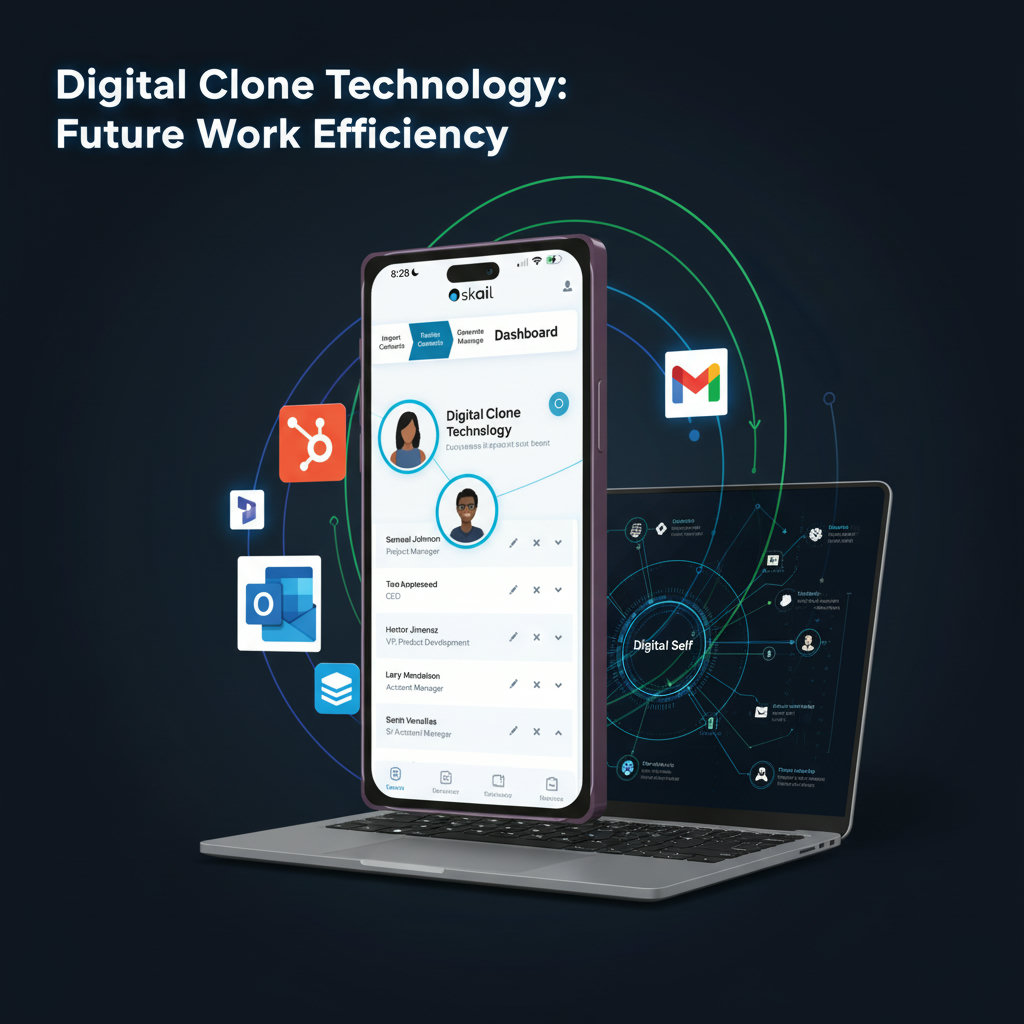
Ah, the future of work! It’s a topic that sparks both excitement and a touch of apprehension for many. Remember the days when “AI” sounded like something straight out of a science fiction novel? Well, those days are long gone. We’re not just reading about it anymore; we’re living it. The integration of artificial intelligence into our daily professional lives is no longer a fringe concept but a rapidly unfolding reality. This isn’t just about tweaking a few processes; it’s about a fundamental shift in how we approach tasks, collaborate, and even define our roles. And at the heart of this transformation lies revolutionary innovations like digital clone technology.
Defining AI in the Workplace
So, what exactly are we talking about when we say “AI” in the context of work? It’s a broad umbrella, but let’s break it down into its most relevant forms:
- Machine Learning (ML): This is the core engine, allowing systems to learn from data without explicit programming. Think recommendation engines, fraud detection, and predictive analytics. It’s what helps those algorithms get smarter over time, often making human tasks more efficient.
- Automation: This one’s easier to grasp. Automation involves using technology to perform tasks with minimal human intervention. Robotic Process Automation (RPA) is a classic example, handling repetitive, rule-based operations like data entry or invoice processing. It’s about taking the mundane off our plates.
- Cognitive AI: This is where things get really interesting, venturing into areas like natural language processing (NLP), computer vision, and speech recognition. It allows machines to “understand” and “reason” in ways that resemble human thought, powering chatbots, voice assistants, and even complex data analysis.
These elements collectively power advanced applications, including the burgeoning field of digital clone technology, which promises to revolutionize operational efficiency.
Historical Impact of Technology
To truly appreciate the AI revolution, it helps to glance back. History is replete with examples of technology reshaping society.
- Industrial Revolutions: From steam power to electrification, each industrial revolution dramatically altered manufacturing, labor, and economic structures. Remember the Luddites? Their fear of machines taking jobs echoes today’s anxieties, yet history shows us that while jobs change, new ones invariably emerge.
- Digital Transformation: More recently, the internet and personal computers ushered in the digital age, creating entirely new industries and ways of working. Email, cloud computing, and mobile devices have become so ingrained, we can barely imagine work without them. AI is simply the next, logical step in this ongoing evolution.
Current AI Adoption Trends
The adoption of AI isn’t uniform; it’s a dynamic tapestry of progress.
- Industry-Specific Growth: Fields like finance, healthcare, and retail are seeing massive AI adoption, from personalized customer experiences to sophisticated diagnostic tools. Manufacturing uses AI for predictive maintenance, while marketing leverages it for hyper-targeted campaigns.
- Geographical Spreads: While Silicon Valley remains a hub, AI innovation is global. Countries in Asia, particularly China, are making significant strides in AI research and deployment, influencing global economic landscapes and fostering diverse approaches to technological integration.
This widespread adoption signals a clear message: AI is here to stay, and understanding its implications is paramount for any forward-thinking organization.
Reshaping Job Roles and Skills
So, is AI going to take all our jobs? It’s a common, if somewhat dramatic, question. The more accurate answer is that AI, especially advanced digital clone technology, will redefine many roles, create new ones, and amplify the need for distinctly human skills. It’s less about replacement and more about evolution.
Emerging Job Categories
As AI becomes more sophisticated, new roles are popping up that we couldn’t have envisioned a decade ago.
- AI Trainers: Someone has to teach the AI, right? These roles involve guiding machine learning models, curating data, and ensuring algorithms understand nuances.
- Data Ethicists: With great power comes great responsibility. Data ethicists ensure AI systems are fair, unbiased, and respect privacy, navigating the moral maze of powerful algorithms.
- Human-AI Collaboration Specialists: These professionals are the bridge-builders, designing workflows and interfaces that allow humans and AI to work together seamlessly, maximizing efficiency and innovation.
Skills for the AI Era
While AI handles the repetitive and data-intensive tasks, it elevates the importance of inherently human aptitudes.
- Critical Thinking: Machines can process information, but humans interpret contexts, evaluate implications, and form nuanced judgments.
- Problem-Solving: AI can identify patterns, but devising creative solutions to complex, unstructured problems often requires human ingenuity.
- Creativity: Art, innovation, out-of-the-box thinking – these remain firmly in the human domain. AI can assist, but the spark of creation is ours.
Reskilling and Upskilling Imperatives
The writing is on the wall: continuous learning is no longer a luxury; it’s a necessity.
- Lifelong Learning: The pace of technological change demands a commitment to continuous learning. Individuals and organizations must embrace a mindset of perpetual growth and adaptation.
- Adaptive Curriculums: Educational institutions and corporate training programs need to evolve, integrating AI literacy and future-proof skills into their offerings, preparing the workforce for tomorrow’s challenges.
Optimizing Human-AI Collaboration
The real magic happens when humans and AI work together, leveraging each other’s strengths. This isn’t about human vs. machine; it’s about human with machine.
Synergistic Workflows
Imagine a world where the drudgery is gone, and you can focus purely on strategic, creative endeavors. This is the promise of synergistic workflows.
- Task Delegation: AI excels at repetitive tasks, data analysis, and predictive modeling. Humans excel at empathy, strategic thinking, and complex decision-making. Delegating tasks based on these strengths optimizes overall output. For instance, an AI might sift through reams of data to identify promising leads, while a human then engages those leads with nuanced, personalized communication. This is exactly where innovations like AI employee advocacy come into play, streamlining and amplifying human efforts.
- Augmented Intelligence: This isn’t about replacing human intelligence but augmenting it. AI tools can provide insights, automate research, and even suggest solutions, making human professionals smarter and more efficient.
Ethical Considerations
As AI becomes more pervasive, crucial ethical questions arise that demand careful consideration.
- Bias Mitigation: AI systems are only as unbiased as the data they’re trained on. Ensuring fairness and preventing algorithmic bias is critical to equitable outcomes regarding digital clone technology.
- Transparency: Understanding how AI makes decisions, especially in critical areas like finance or healthcare, is paramount. The “black box” problem needs solutions to build trust.
- Accountability: When an AI system makes a mistake, who is responsible? Establishing clear lines of accountability is essential for ethical AI deployment.
Designing Human-Centric AI Systems
The best AI systems aren’t just powerful; they’re intuitive and user-friendly.
- User Experience (UX): AI interfaces should be designed with the human user in mind, making interaction seamless and natural, reducing cognitive load.
- Intuitive Interfaces: Whether it’s a conversational AI or a complex data visualization tool, ease of use is key to adoption and effective collaboration.
Strategic Implementation for Businesses
For businesses, navigating the AI landscape requires more than just buying the latest software. It demands a strategic approach to integration and cultural transformation.
Developing AI Roadmaps
A piecemeal approach to AI is rarely effective. A well-defined roadmap is crucial.
- Phased Integration: Instead of a big bang, consider a phased approach. Start with smaller, less critical areas, scale up, and learn along the way.
- Pilot Programs: Test AI solutions in controlled environments. This allows for feedback, refinement, and proof of concept before wider deployment, minimizing risk and maximizing success.
Cultivating an AI-Ready Culture
Technology alone isn’t enough; the people using it need to be on board.
- Employee Training: Invest in comprehensive training programs to equip employees with the skills to work alongside AI. This reduces fear, builds confidence, and fosters adoption.
- Leadership Buy-in: AI integration must be championed from the top. Leadership needs to understand, communicate, and embody the value of AI to drive cultural change.
Measuring AI Impact and ROI
How do you know if your AI investments are paying off? Measurement is key.
- Key Performance Indicators (KPIs): Define clear KPIs related to efficiency, cost savings, customer satisfaction, or innovation. Track these metrics rigorously.
- Productivity Gains: Evaluate how AI tools have freed up human time, reduced errors, or accelerated processes. Quantify the productivity improvements directly attributable to AI, including that which is enabled by cutting-edge digital clone technology.
Navigating the Evolving Landscape
The AI journey isn’t a destination; it’s a continuous process of learning, adapting, and innovating.
Policy and Regulation
As AI grows, so too does the need for thoughtful oversight.
- Government Frameworks: Governments worldwide are grappling with how to regulate AI to ensure ethical use, protect privacy, and foster innovation simultaneously. This involves strikes a delicate balance. Find more information on policy and regulation from sources like the OECD AI Principles.
- Industry Standards: Industry bodies are also stepping up to create best practices and standards for AI development and deployment, promoting responsible innovation.
Societal Implications
AI’s reach extends beyond the workplace, touching broader societal chords.
- Economic Equity: The distribution of AI’s benefits and potential job displacement are critical concerns. Policies around universal basic income, retraining programs, and equitable access to AI tools will shape future economic landscapes.
- Social Impact: From healthcare access to smart cities, AI has the potential for immense positive social impact, but it also carries risks if not managed responsibly.
Continuous Adaptation
The only constant is change, and this is especially true in the age of AI.
- Monitoring Trends: Staying abreast of the latest advancements in AI, machine learning, and digital clone technology is crucial for maintaining a competitive edge.
- Agile Strategies: Businesses must adopt agile strategies, remaining flexible and ready to pivot as new technologies emerge and the landscape shifts.
The future of work, driven by AI and innovations like digital clone technology, isn’t something to fear but a powerful wave of opportunity to ride. With careful planning, ethical considerations, and a commitment to continuous learning, we can shape a future where humans and machines collaborate to achieve unprecedented levels of productivity, creativity, and progress. 🥂 Embrace the change!
FAQ
What is digital clone technology?
Digital clone technology refers to the creation of virtual replicas of processes, systems, or even individuals using AI and data. These clones can simulate real-world behavior, enabling testing, optimization, and automation without affecting physical operations. It’s revolutionizing how businesses manage complex tasks and understand customer behavior.
How does AI specifically impact job security?
AI’s impact on job security is complex. While it automates repetitive and data-intensive tasks, potentially displacing some roles, it also creates new jobs in AI development, maintenance, ethics, and human-AI collaboration. The key is for individuals and organizations to focus on upskilling and reskilling to adapt to these evolving demands.

What are the primary ethical concerns surrounding AI in the workplace?
Primary ethical concerns include algorithmic bias (AI systems reflecting biases present in their training data), lack of transparency (the “black box” problem where AI decision-making is unclear), data privacy, and accountability for AI errors. Addressing these requires careful design, rigorous testing, and clear regulatory frameworks.
Can small and medium-sized businesses (SMBs) leverage digital clone technology effectively?
Absolutely! While often associated with large enterprises, digital clone technology is becoming increasingly accessible to SMBs through cloud-based solutions and specialized providers. It can help SMBs optimize operations, improve customer service, and gain competitive advantages without needing massive upfront investments by simulating business processes and customer interactions.
How can employees prepare for the AI-driven future of work?
Employees can prepare by focusing on developing distinctly human skills like critical thinking, creativity, emotional intelligence, and complex problem-solving. Additionally, cultivating a mindset of lifelong learning and acquiring digital literacy, including a basic understanding of AI concepts, will be crucial for thriving in an AI-integrated workplace. Participation in available training and upskilling programs is also highly recommended.