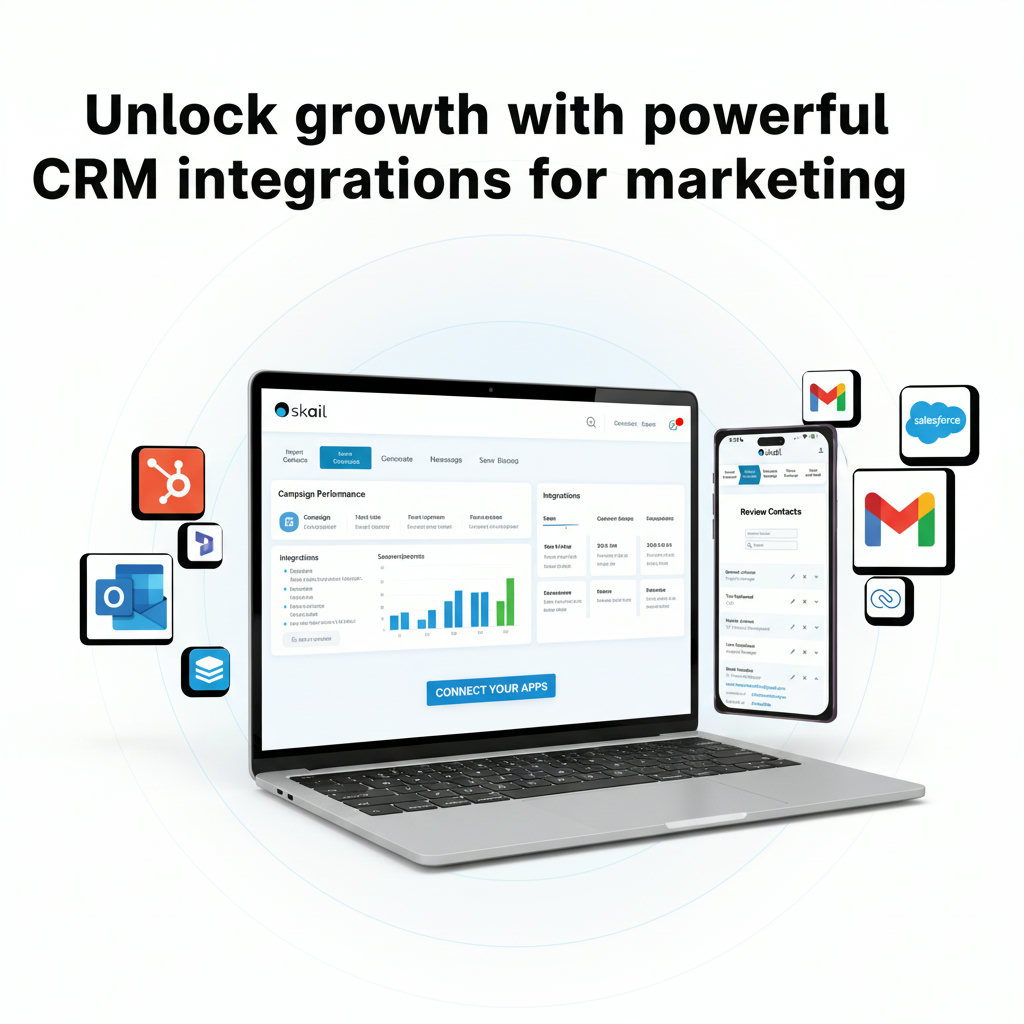
The AI Revolution and Workforce Transformation While Nailing CRM Integrations for Marketing
Ah, the future of work! It’s a phrase that conjures images of sleek robots, hyper-efficient systems, and perhaps, a touch of existential dread. But let’s be honest, we’re already living in that future, aren’t we? Especially when it comes to leveraging powerful tools like CRM integrations for marketing – an area where AI is rapidly becoming a silent, yet mighty, partner. The reality is far less doomsday sci-fi and much more about collaboration and exciting new possibilities.
Redefining Human-AI Collaboration
Gone are the days of fearing robots taking over every job. Instead, we’re witnessing a beautiful, often surprising, synergy between humans and artificial intelligence. It’s not about displacement; it’s about augmentation. Think of AI as your super-powered co-pilot, handling the repetitive, data-heavy tasks, while you, the human, strategize, innovate, and add that irreplaceable touch of empathy and nuanced understanding. New roles are emerging, focusing on overseeing AI, interpreting its outputs, and designing the next wave of intelligent solutions. For businesses looking to optimize their AI employee advocacy efforts, this human-AI partnership is absolutely foundational.

Impact on Traditional Industries
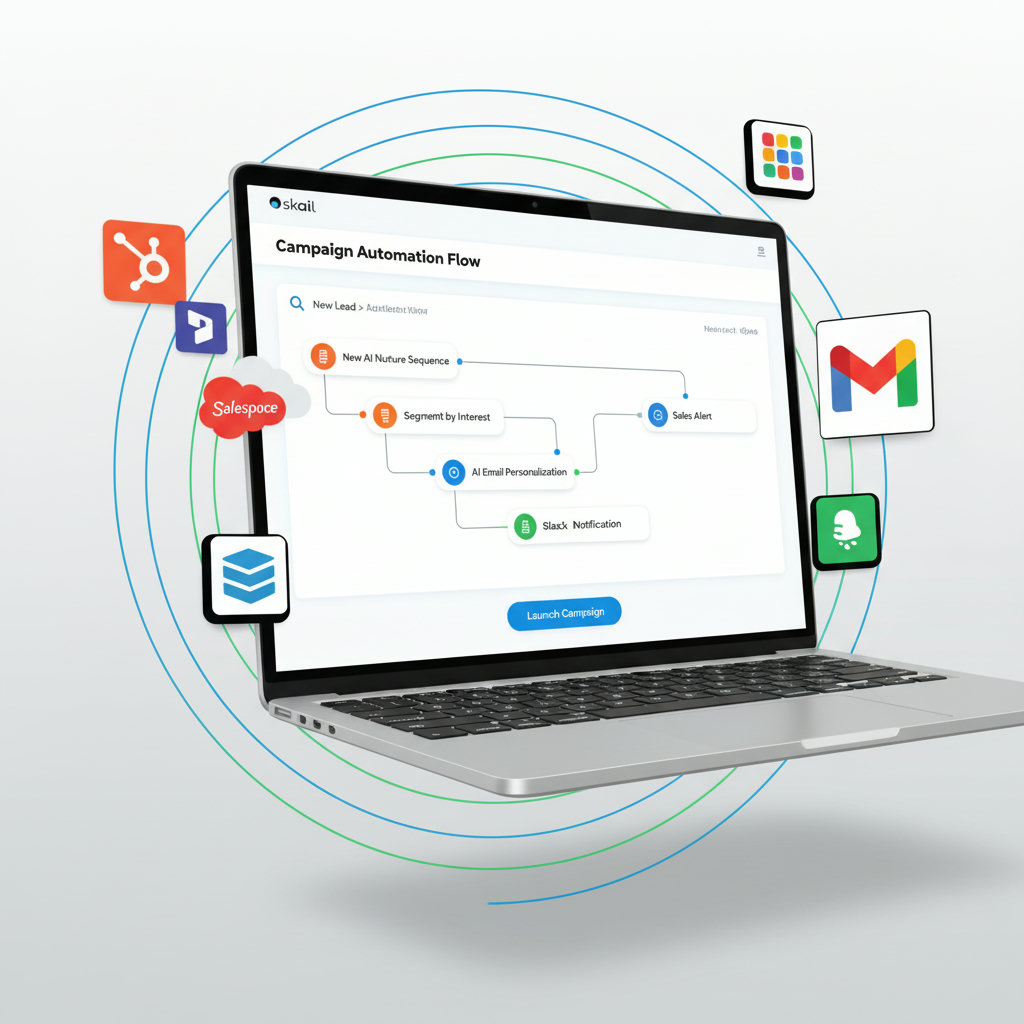
From manufacturing floors to marketing departments, AI is systematically automating routine tasks. Consider the sheer volume of data involved in effective CRM integrations for marketing – segmenting audiences, personalizing email campaigns, predicting customer behavior. What once took hours of manual input and analysis is now handled by intelligent algorithms, freeing up marketing teams to focus on strategy and creativity. This isn’t just about cutting costs; it’s about unlocking staggering efficiency gains, allowing businesses to do more with less, and adapting faster to market changes.
Economic Shifts and Growth Potential
The murmurs of an “AI-driven productivity boom” are growing louder, and for good reason. By offloading monotonous tasks, AI enables shorter, more impactful innovation cycles. Businesses can experiment, fail fast, and pivot with unprecedented agility. This translates into economic shifts, where sectors that embrace AI-driven augmentation will likely see exponential growth, attracting talent and investment. Those that resist, well, they risk being left behind in the digital dust.
Essential Skills for the Augmented Era: Beyond CRM Integrations for Marketing
So, what does it take to thrive in this new landscape? It’s not just about mastering your existing tools or understanding the intricacies of CRM integrations for marketing. It’s about cultivating uniquely human capabilities that AI can’t replicate (yet!).
Cognitive Flexibility and Critical Thinking
The world is changing at warp speed, and the ability to adapt isn’t just a nice-to-have; it’s a survival skill. Cognitive flexibility means you can pivot your understanding, learn new systems, and embrace unexpected challenges without getting stuck. Critical thinking allows you to dissect the information AI provides, question its assumptions, and make informed decisions that go beyond raw data. The human element of problem-solving remains paramount, as does the capacity for adaptive learning.
Emotional Intelligence and Creativity
While AI can mimic human speech and even generate art, it still lacks genuine emotional intelligence and spontaneous creativity. These are the superpowers of the augmented era. Understanding human emotions, building rapport, leading with empathy, and generating truly novel ideas are areas where humans will always excel. These human-centric skills become even more valuable as routine tasks are automated, shifting the focus to strategic communication and imaginative problem-solving.
Digital Literacy and AI Fluency
This might seem obvious, but it goes beyond simply knowing how to use a computer. Digital literacy in the augmented era means understanding the capabilities and limitations of AI tools, including complex CRM integrations for marketing. It’s about discerning credible information from deepfakes, understanding data privacy, and grasping the ethical implications of AI development and deployment. Tool proficiency is key, yes, but so is developing an ethical AI understanding. For a deeper dive into digital literacy, consider resources like Wikipedia’s entry on Digital Literacy.
Reskilling and Upskilling Strategies: Powering Your Progress with CRM Integrations for Marketing
Building these essential skills doesn’t happen by accident. It requires intentional effort and strategic investment from individuals, businesses, and governments alike. This proactive approach is crucial, especially when considering how rapidly technologies like CRM integrations for marketing evolve.
Lifelong Learning Imperative
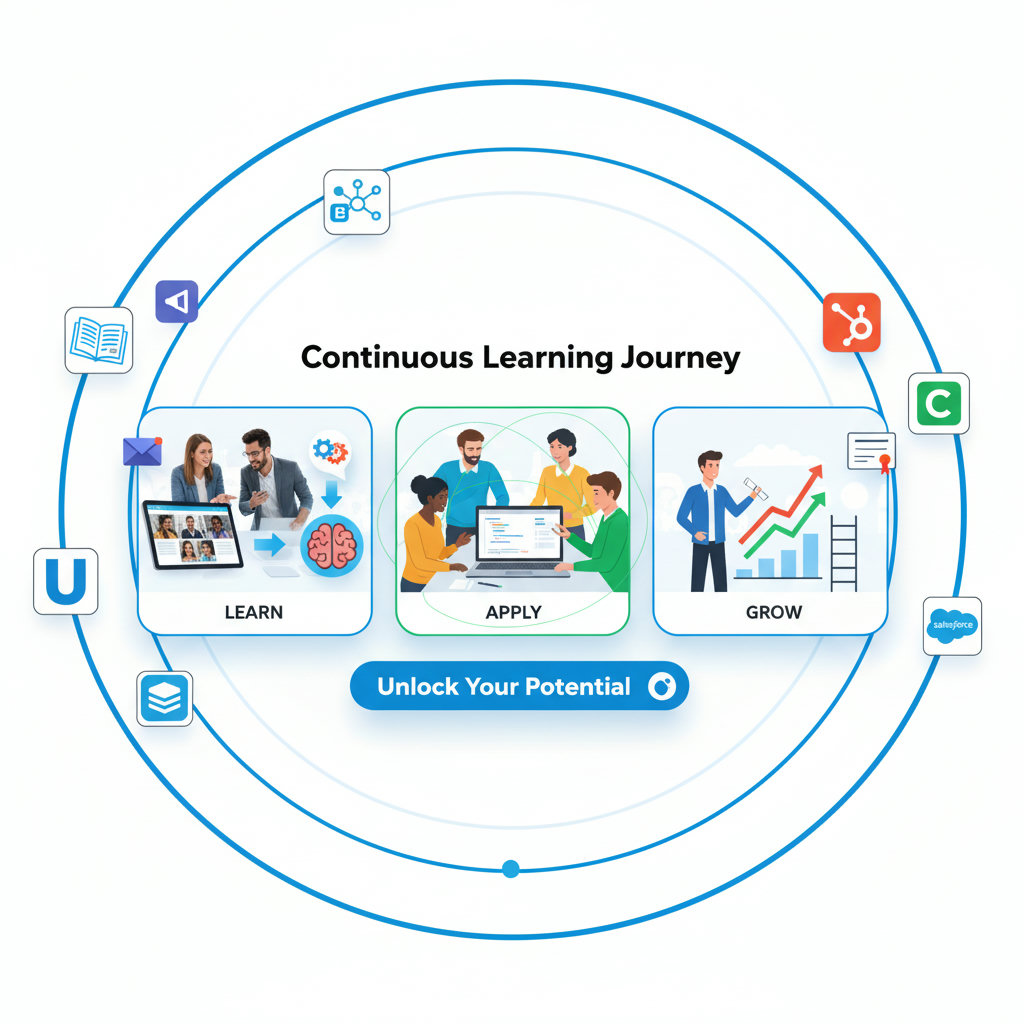
The idea of learning stopping after formal education is a relic of the past. In today’s dynamic environment, continuous development isn’t just a recommendation; it’s an imperative. Micro-credentialing, online courses, and continuous professional development initiatives are becoming the norm, allowing individuals to acquire specialized skills quickly and stay relevant in a fast-changing job market. Think of it as regularly updating your personal software with the latest patches and features!
Corporate Training Programs
Forward-thinking companies aren’t waiting for employees to upskill themselves. They’re investing heavily in internal academies, tailored training modules, and partnerships with educational institutions. These programs often focus on bridging skill gaps identified by emerging technologies, such as advanced analytics capabilities required for robust CRM integrations for marketing. Equipping your workforce with the knowledge to leverage these tools effectively is a direct investment in your company’s future.
Government and Educational Initiatives
Governments and educational bodies also have a vital role to play. Policy support can incentivize lifelong learning, offer subsidies for retraining, and encourage businesses to invest in their workforce. Curriculum redesign in schools and universities is essential, shifting focus from rote memorization to critical thinking, creativity, and digital fluency. Consider initiatives like federal grants for workforce development as outlined by the U.S. Department of Labor.
Redesigning Workflows and Organizational Structures
The integration of AI isn’t just about new tools; it demands a fundamental rethinking of how we work, how teams operate, and how decisions are made. This impacts everything, from daily tasks to the overarching strategy for CRM integrations for marketing.
Agile Methodologies and Team Dynamics
Traditional, hierarchical structures often struggle to keep pace with AI-driven innovation. Agile methodologies, with their emphasis on flexible teams, iterative processes, and rapid feedback loops, are perfectly suited for this new era. Teams become self-organizing, empowered to experiment, and quick to adapt. This speed and flexibility are invaluable when implementing complex systems like CRM integrations for marketing, where constant refinement and adaptation are key to success.
Data-Driven Decision Making
With AI analyzing vast datasets, businesses are awash in insights. The challenge isn’t data collection, but intelligent interpretation and application. AI tools can pinpoint trends, predict outcomes, and highlight inefficiencies, informing everything from product development to customer service strategies. For marketing, leveraging AI-driven insights from CRM integrations for marketing means moving beyond guesswork to highly targeted, effective campaigns and strategic planning.
Ethical Considerations in AI Integration
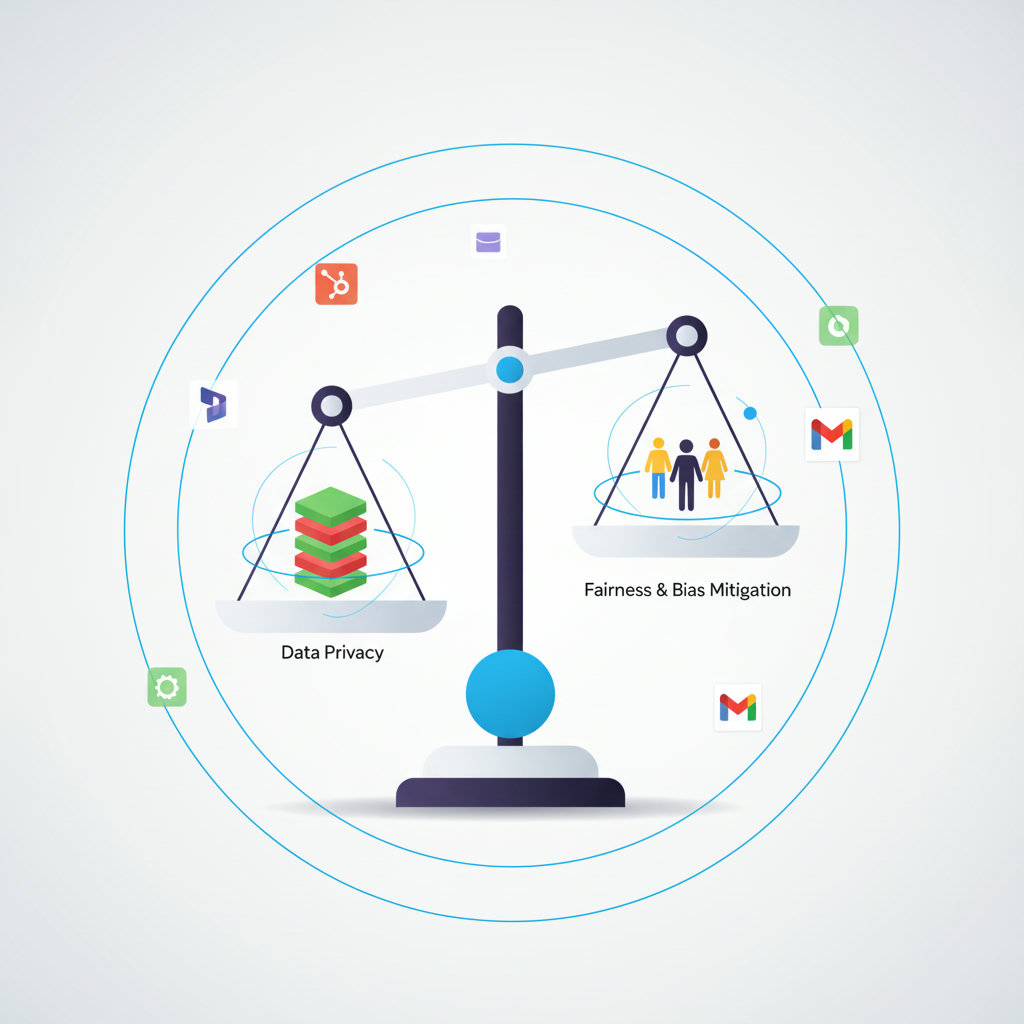
But beware! With great power comes great responsibility. The ethical implications of AI integration are profound. Issues like algorithmic bias, data privacy, and transparency in AI decision-making must be front and center. Organizations must actively work to mitigate bias in their AI models, ensure data protection, and communicate clearly about how AI is being used. Ignoring these ethical considerations can lead to reputational damage, legal challenges, and a erosion of trust, ultimately undermining even the most sophisticated CRM integrations for marketing.
The Human Element in an Automated World
In a world increasingly dominated by algorithms and automation, the human element becomes paradoxically more crucial. It’s what differentiates us and drives true innovation.
Fostering Innovation and Human Connection
While AI handles the routine, humans are freed up to dream bigger, think bolder, and connect more deeply. Companies must create environments that encourage creativity, provide dedicated spaces for brainstorming, and actively foster collaboration enhancement. True breakthroughs often come from unexpected human interactions and the magic of shared ideas, not from perfectly optimized algorithms. This human connection extends to how we utilize CRM integrations for marketing – not just for efficiency, but for deeper personalization and engagement that resonates emotionally.
Ensuring Well-being and Work-Life Balance
The promise of AI is not to work harder, but smarter. This should translate into improved employee well-being and a better work-life balance. By automating mundane tasks, AI can reduce burnout and allow individuals to focus on more fulfilling work. Supporting mental health, offering flexible arrangements, and recognizing that employees are multi-dimensional individuals are critical for retaining top talent in the augmented era.
Leadership in a Hybrid Environment
Leaders in this new world aren’t just managers; they are visionaries, coaches, and facilitators. They empower their teams to embrace AI, guide them through change, and cast a compelling vision for the future. Leading a hybrid workforce—a blend of on-site and remote, human and AI-powered—requires a nuanced understanding of technology, empathy for human needs, and an unwavering commitment to ethical innovation. This leadership ensures that tools like CRM integrations for marketing are not just implemented, but truly embraced and optimized for collective success. Cheers to a brilliant, AI-augmented future! 🥂
FAQ: CRM Integrations for Marketing in the AI Era
What are CRM integrations for marketing?
CRM integrations for marketing refer to the seamless connection of Customer Relationship Management (CRM) software with various marketing automation platforms and tools. This integration allows for the bidirectional flow of customer data, enabling marketing teams to personalize campaigns, track customer journeys, automate follow-ups, and measure ROI more effectively based on a unified view of the customer.
How do CRM integrations enhance marketing personalization?
By integrating CRM with marketing tools, marketers gain access to rich customer data, including purchase history, preferences, interactions, and demographics. This allows for highly segmented campaigns and personalized messaging across different channels (email, social media, ads), moving beyond generic communication to deliver relevant content at the right time, thereby significantly improving engagement rates.
What are the key benefits of using AI with CRM integrations for marketing?
AI significantly amplifies the power of CRM integrations by adding predictive analytics, automation, and intelligent insights. Key benefits include: predictive lead scoring to identify the most promising prospects, AI-driven content recommendations, automated personalized customer journeys, real-time campaign optimization, and advanced analytics for deeper customer understanding and strategic planning.
How can CRM integrations for marketing improve ROI?
Improved ROI stems from several factors: better lead qualification and nurturing, resulting in higher conversion rates; enhanced personalization that reduces wasted ad spend; automated tasks that free up marketing resources; and comprehensive data analysis that pinpoints successful strategies and areas for optimization. By streamlining processes and making more informed decisions, businesses achieve greater efficiency and impact from their marketing efforts.
What challenges might arise when implementing CRM integrations for marketing?
Common challenges include data silos if integrations aren’t properly configured, data quality issues (dirty or inconsistent data), user adoption resistance, complexity in mapping data fields, and the need for ongoing maintenance and updates. Ensuring clear strategy, proper planning, and robust testing are crucial for a successful implementation.
Is CRM integration necessary for businesses of all sizes?
While the scale of integration may vary, CRM integration is highly beneficial for businesses of all sizes. For small businesses, it can automate manual tasks and provide a competitive edge. For larger enterprises, it’s essential for managing vast datasets, maintaining customer relationships across multiple departments, and scaling marketing efforts efficiently across diverse markets.